











Executive Overview
The landscape of Indian luxury hospitality is on the brink of a profound structural shift. For the past six years, The Postcard Hotel—founded by industry veteran Kapil Chopra in 2018—has carefully cultivated a reputation as the sanctuary of the discerning traveler. Its portfolio of 12 hyper-exclusive properties, nestled across secluded beaches in Goa, sweeping tea estates in Assam, and the rugged wilderness of Gujarat near Gir National Park, has steadfastly avoided the frenetic energy of South Asia’s commercial and financial capitals. Instead, the brand championed a philosophy of unhurried, intimate luxury, characterized by low room counts, hyper-personalized service, and remote, leisure-led geographies.
That ethos, however, is about to undergo its most ambitious evolution. In an exclusive interview with Skift, Chopra revealed a sweeping strategic pivot: The Postcard Hotel is officially preparing to breach India’s tier-1 metropolitan markets.
This is not a mere expansion into urban real estate; it is a conceptual reimagining of how boutique luxury can operate within the hyper-competitive commercial cores of the subcontinent. The brand’s upcoming urban footprint will introduce a specialized format featuring nearly all-suite accommodations seamlessly integrated with private members’ clubs. Initial targeting encompasses India’s primary economic engines—Delhi, Mumbai, Bengaluru, and Hyderabad—with advanced discussions already underway for three prime locations.
For the luxury hospitality sector, this move signals more than just brand diversification. It represents a direct challenge to legacy global giants and domestic titans that have long dominated urban Indian hospitality. By wedding the intimate, high-touch service model of a boutique resort with the lucrative, community-driven economics of private clubs, Chopra aims to prove that hyper-luxury can thrive in the heart of the metropolis without sacrificing its soul—or its profit margins.
Detailed Chronology: From Remote Retreats to Metropolitan Ambitions
To understand the weight of The Postcard Hotel’s urban pivot, one must examine the meticulous trajectory that brought the brand to this juncture. The journey from a nascent concept in 2018 to an established disruptor of traditional luxury hospitality is a study in calculated patience and brand discipline.
Phase I: The Genesis and Leisure Monopoly (2018–2021)
When Kapil Chopra—former President of The Oberoi Group—launched The Postcard Hotel alongside a core team of hospitality veterans, the luxury market was saturated with sprawling mega-resorts and standardized five-star business hotels. Chopra identified a glaring whitespace: high-net-worth individuals (HNWIs) were increasingly seeking deeply personal, unscripted travel experiences rather than opulent lobbies and impersonal service.
The brand debuted with a cluster of properties in Goa, intentionally scaling down room inventories to ensure hyper-personalized attention. Guests were offered flexible check-in times, locally sourced authentic dining at any hour, and immersive destination-led programming. Despite launching into a volatile global travel market complicated by the COVID-19 pandemic, the brand’s leisure-first model proved resilient. Wealthy travelers, starved for safe, secluded escapes, flocked to its properties.

Phase II: Regional Diversification and Brand Equity (2022–2025)
Buoyed by early success, The Postcard Hotel steadily expanded its footprint across India’s most visually and culturally striking landscapes. The portfolio grew to 12 distinct properties, stretching from the misty tea plantations of Assam to the dramatic landscapes of Gir. Each new opening reinforced the brand’s core tenets: architectural sensitivity, historical or ecological integration, and a defiant rejection of mass-market hospitality norms.
During this growth phase, the brand developed a fiercely loyal clientele. Repeat guests became brand ambassadors, drawn by the predictability of exceptional, bespoke service delivered in unpredictable, highly photogenic locales. However, as the brand matured, its leadership recognized a structural limitation: reliance solely on leisure-led, remote retreats capped its addressable market and seasonal revenue potential.
Phase III: The Urban Pivot and Private Club Integration (2026 and Beyond)
The announcement of the urban format marks the dawn of Phase III. Recognizing that the modern luxury traveler’s lifestyle is fluid—oscillating between demanding corporate responsibilities in the city and restorative getaways in the countryside—Chopra conceptualized a bridge between these two worlds.
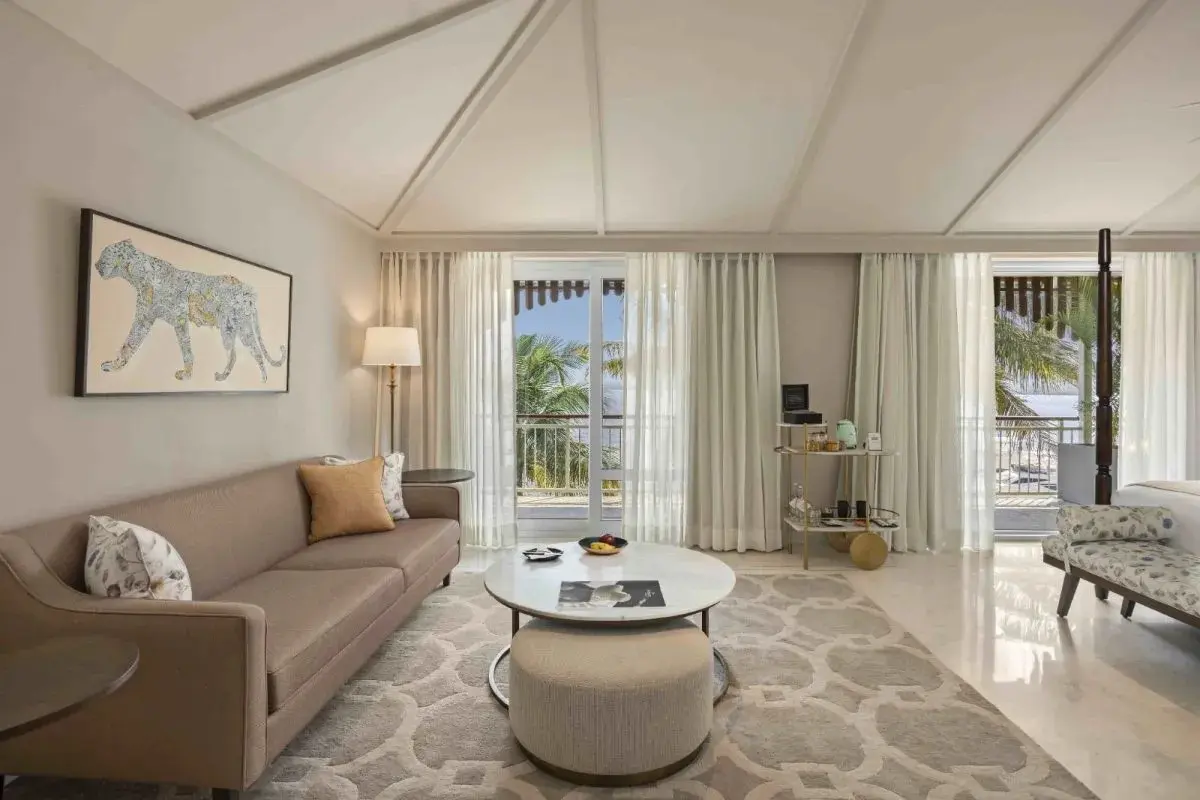
The strategy involves securing prime real estate in high-density business and cultural hubs. Unlike traditional urban business hotels that rely on hundreds of rooms and massive banquet spaces to drive volume, The Postcard Hotel’s urban model is deliberately intimate. By anchoring each property with an all-suite (or nearly all-suite) room configuration and pairing it with an exclusive private members’ club, the brand is positioning itself at the intersection of hospitality, networking, and elite urban lifestyle management.
Supporting Context & Metrics: The Economics of Urban Luxury
The decision to pivot toward metropolitan centers is underpinned by robust macroeconomic indicators and shifting consumer behavior within South Asia. India is currently minting millionaires at an unprecedented rate, and its urban centers are witnessing a boom in affluent consumers who demand spaces that reflect their global tastes, professional stature, and desire for exclusivity.
The Rise of the Urban HNWI and Ultra-HNWI
According to recent wealth-tracking reports, India’s ultra-high-net-worth individual (UHNWI) population has experienced double-digit growth year-over-year. Cities like Mumbai, Delhi, and Bengaluru serve as the primary epicenters of this wealth creation, driven by technology booms, startup ecosystems, financial services, and generational wealth transfers.
These individuals do not merely require a place to sleep when conducting business or socializing in the city; they demand curated ecosystems. Traditional business hotels, while efficient, often lack the soul and discretion that elite urbanites expect. Conversely, standalone private clubs have surged in popularity globally, yet India has historically lacked a seamless convergence of world-class boutique residential hospitality and elite private club culture under one roof.
Financial Viability: Solving the Urban Real Estate Puzzle
Real estate acquisition and construction costs in prime metropolitan areas like South Mumbai or New Delhi’s Lutyens’ zone are astronomically high. For a boutique hotelier, making these locations financially viable is an acute challenge. Traditional hotels offset high land costs through sheer volume—hundreds of rooms, massive conference facilities, and large-scale banqueting.
The Postcard Hotel’s proposed model circumvents this traditional equation through two strategic levers:
- High Yield per Key (All-Suite Format): By operating an all-suite or nearly all-suite property, the hotel commands significantly higher average daily rates (ADRs). Suites attract extended-stay executives, affluent families, and entertainment elites who are willing to pay a premium for space, privacy, and elevated amenities.
- The Private Members’ Club Synergy: Integrating a private club directly into the hotel property creates a dual-revenue engine. Beyond room nights, the property capitalizes on recurring membership fees, premium food and beverage spend from local elites who frequent the club, and high-margin private events. This dampens the seasonal fluctuations traditionally associated with pure hospitality plays and establishes a captive, affluent local community within the hotel walls.
Official Statements: Inside the Strategy with Kapil Chopra
In his exclusive interview with Skift, Kapil Chopra laid bare the philosophy and operational mechanics driving this next chapter of growth. The tone was characteristically confident, reflecting a leader who has spent decades studying the shifting nuances of global hospitality.
"The Postcard Hotel will come to the city in a financially workable format," Chopra emphasized to Skift.
Expounding on what constitutes this "workable format," Chopra outlined a triad of non-negotiable pillars:
- Prime Location: Urban assets must be situated in the absolute cultural or financial heart of the city, ensuring accessibility for both traveling elites and local club members.
- All-Suite Configuration: Maximizing space and comfort while maintaining the intimate, low-density footprint that defines the brand’s DNA.
- Integrated Private Club: Creating a physical and social sanctuary that fosters a sense of belonging among the city’s power brokers and tastemakers.
Chopra’s remarks underscore a deliberate departure from the cookie-cutter expansion strategies favored by multinational hotel conglomerates. While brands like Marriott, IHG, and Hyatt often scale through rapid franchising and massive inventory, The Postcard Hotel is doubling down on curated scarcity. By keeping room counts low and exclusivity high, the brand preserves the mystique that made its resort properties so desirable in the first place.
Future Outlook: Challenges, Opportunities, and Industry Impact
As The Postcard Hotel prepares to break ground on its urban properties in Delhi, Mumbai, Bengaluru, and Hyderabad, the industry is watching closely. While the strategic vision is compelling, the execution path is fraught with unique challenges that will test the mettle of Chopra’s leadership team.
Navigating Urban Real Estate Complexities
Securing prime real estate in India’s tier-1 cities is notoriously complex. Land titles, zoning laws, heritage regulations, and exorbitant acquisition costs can derail even the most well-funded projects. To succeed, The Postcard Hotel will likely need to forge strategic partnerships with enlightened real estate developers who own marquee urban assets and are seeking an elite hospitality brand to elevate their developments.
The Competition for Elite Mindshare
Entering the metropolitan market places The Postcard Hotel in direct competition with entrenched global luxury brands—such as The Oberoi, Taj Hotels, Leela Palaces, and international players like Four Seasons and Rosewood—as well as a rising tide of independent luxury lifestyle concepts and private members’ clubs. To win, the brand must successfully translate its resort-born reputation for unscripted, hyper-personalized service into a fast-paced urban environment where expectations of efficiency are uncompromising.
Redefining the Future of Luxury
Despite these hurdles, the long-term outlook for The Postcard Hotel’s urban experiment is profoundly optimistic. The modern luxury consumer is increasingly fatigued by corporate uniformity. They seek spaces that feel intimate, thoughtful, and deeply connected to local culture and community.
By pioneering a model that marries ultra-exclusive suite accommodations with the social gravity of a private members’ club, The Postcard Hotel is not merely expanding its footprint—it is actively authoring a new blueprint for urban luxury hospitality in South Asia. If Chopra and his team can successfully replicate the magic of their secluded beach and estate retreats within the concrete canyons of Delhi and Mumbai, the brand will cement its status as one of the most innovative and disruptive hospitality forces of the decade.


