





Executive Overview
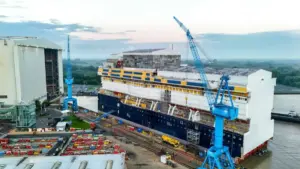
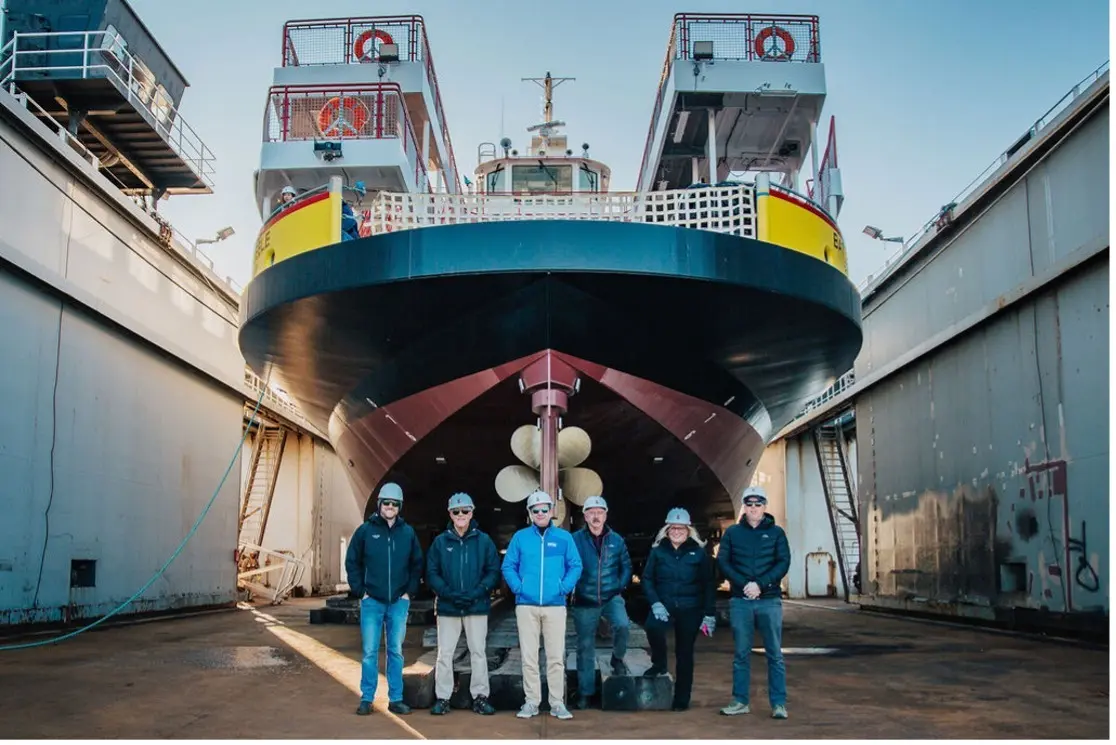
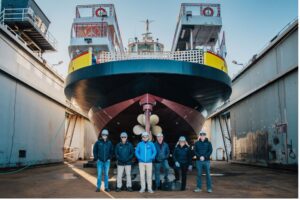
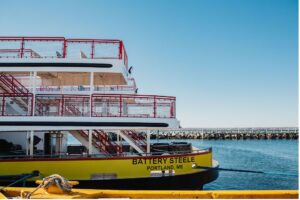
The maritime transportation landscape of the American Northeast is undergoing a quiet yet profound revolution. In early April, against the industrial backdrop of North Kingstown, Rhode Island, a bottle of champagne was broken across the hull of a vessel that represents far more than just a fleet upgrade. The Battery Steele—a state-of-the-art, 164-foot steel passenger and vehicle ferry—officially entered the water at Senesco Marine shipyard, signaling a monumental leap forward for Casco Bay Lines and the broader public transit infrastructure of the United States.
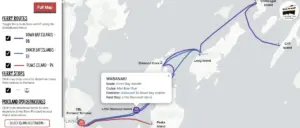
Currently making its maiden voyage up the Atlantic coast toward the historic waters of Casco Bay, the Battery Steele is scheduled to arrive in Portland later this summer. Following a rigorous period of final commissioning, regulatory inspection, and comprehensive crew training, the vessel is slated to enter commercial service this fall. Once operational, it will ply the vital maritime corridor between downtown Portland and Peaks Island, eventually succeeding the trusty Machigonne II as the workhorse of that route.
What sets the Battery Steele apart is not merely its gleaming steel superstructure or its customized accommodations for the Peaks Island community; it is the beating heart of its propulsion system. Equipped with a cutting-edge diesel-electric hybrid architecture, the Battery Steele stands as one of the very first public passenger ferries of its kind in the United States to harness advanced battery technology at this scale. By replacing a traditional diesel-mechanical configuration with a hybrid system optimized for shoreside charging and onboard backup generation, Casco Bay Lines is charting an ambitious course toward decarbonization.

The vessel is projected to eliminate up to 800 metric tons of carbon dioxide emissions annually, all while delivering a markedly quieter, smoother, and more environmentally harmonious ride across the bay. Marrying cutting-edge naval architecture with a profound nod to local history—named after the iconic World War II-era military fortification on Peaks Island—the Battery Steele is a masterclass in honoring regional heritage while aggressively engineering for a sustainable future.
Detailed Chronology: From Concept to Coastal Transit
The journey of the Battery Steele from a designer’s blueprint to an ocean-going reality is a testament to years of careful planning, cross-industry collaboration, and maritime engineering prowess.
The Fleet Evaluation and Design Phase
Long before the first plate of steel was cut, Casco Bay Lines recognized that its aging fleet required a forward-looking evaluation. As environmental regulations tighten and the imperatives of climate change demand decisive action, public transit operators across the nation face mounting pressure to reduce their carbon footprints. For Casco Bay Lines, the challenge was twofold: maintain the absolute reliability demanded by island commuters who depend on the ferry for daily life, medical access, and commerce, while radically modernizing the propulsion technology.
Partnering with renowned naval architects at the Elliott Bay Design Group, Casco Bay Lines embarked on an ambitious design journey. The goal was to engineer a vessel tailored specifically to the unique operational profile of the Portland-to-Peaks Island run—a route characterized by frequent dockings, tight schedules, and varying weather conditions. The resulting design was a 164-foot steel vessel meticulously optimized for both structural durability and energy efficiency.
Construction at Senesco Marine
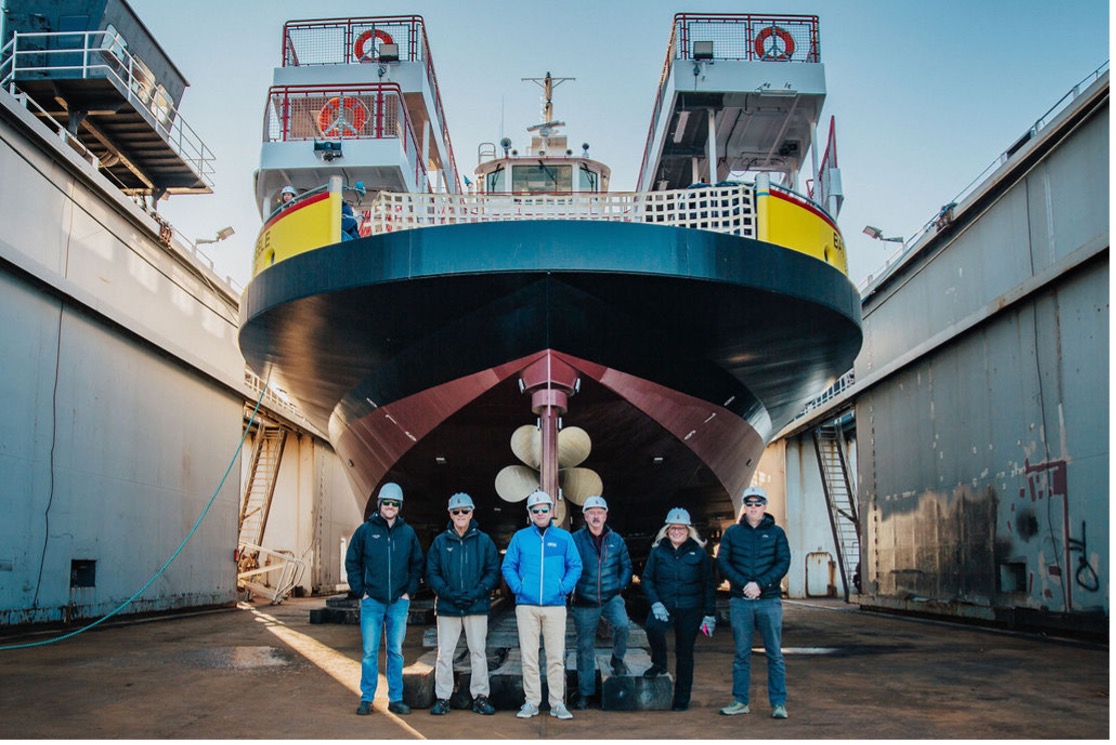
With the design finalized, the contract for construction was awarded to Senesco Marine, a premier shipyard located in North Kingstown, Rhode Island, known for its exceptional craftsmanship and adherence to rigorous commercial shipbuilding standards. Over the subsequent months, the shipyard transformed raw steel and advanced electrical components into a sophisticated maritime platform.
The construction phase required meticulous integration of conventional marine engineering with nascent battery-electric technologies. Shipwrights, marine electricians, and systems engineers worked in tandem to install the vessel’s diesel-electric hybrid propulsion system, laying kilometers of marine-grade cabling and mounting massive, high-capacity battery banks designed to withstand the rigors of marine service.
The April Launch and Atlantic Transit
The culmination of these collaborative efforts occurred in early April. Dignitaries, project engineers, and members of the Casco Bay Lines team gathered at the Senesco Marine facility for the ceremonial launch. Following maritime tradition, the christening ceremony marked the transition of the Battery Steele from a static industrial project into a living, breathing vessel.
Following post-launch pier-side testing and regulatory sign-offs, the Battery Steele recently untied its lines and slipped into the Atlantic Ocean. Its current voyage up the coast of New England represents a symbolic and literal bridge between its birthplace in Rhode Island and its permanent home in Portland, Maine. Upon its arrival in Portland later this summer, the vessel will enter its final preparation phase, ensuring that every system, safety protocol, and crew member is thoroughly vetted before the first fare-paying passengers step aboard this fall.
Supporting Context & Metrics: Engineering a Clean Maritime Future
To fully appreciate the significance of the Battery Steele, one must examine the engineering triumphs and environmental metrics that underpin its design. The maritime sector has traditionally been one of the most difficult transportation industries to decarbonize, owing to the immense energy density required to move heavy vessels through the water. Casco Bay Lines, through its Fleet Evaluation Project, has confronted this challenge head-on.
Propulsion and Energy Architecture
At the core of the Battery Steele is a pioneering diesel-electric hybrid propulsion system. Unlike traditional ferries that rely on large diesel engines directly coupled to propeller shafts—running constantly and inefficiently across varying throttle settings—the Battery Steele utilizes an advanced electrical grid configuration.
- Primary Battery Operation: The vessel will primarily operate on pure battery power during its regular transits across Casco Bay. This eliminates emissions entirely during transit phases and drastically cuts down on engine wear and maintenance overhead.
- Shoreside Charging Infrastructure: To replenish the massive battery banks efficiently, the vessel will interface with shoreside charging stations established at the Portland terminal. This direct grid integration allows the ferry to tap into regional renewable energy sources as they become increasingly available.
- Onboard Backup Generation: Recognizing the critical nature of ferry service for island residents—where delays are not merely inconvenient but disruptive to daily life—the vessel is equipped with reliable onboard backup generators. These units ensure absolute operational redundancy, guaranteeing year-round reliability regardless of grid fluctuations or extended operating hours.
Environmental Impact and Emissions Reduction
The transition from a conventional diesel-mechanical platform to this advanced hybrid model yields staggering environmental dividends. Casco Bay Lines projects that the Battery Steele will prevent up to 800 metric tons of carbon dioxide ($textCO_2$) emissions annually. To put this figure into perspective, it is equivalent to removing hundreds of passenger vehicles from the region’s highways each year.
Beyond greenhouse gas reductions, the hybrid system offers profound local environmental benefits:
- Acoustic Mitigation: Traditional diesel engines generate a persistent, low-frequency rumble and vibration that permeates passenger cabins and the surrounding marine environment. Operating on battery power significantly quiets the vessel, enhancing the passenger experience and reducing underwater acoustic disturbance for local marine life.
- Air Quality Improvements: By cutting out localized diesel combustion during docking and primary transits, the vessel directly improves air quality around the busy Portland terminal and the shores of Peaks Island.
Official Statements & Community Significance
The naming and deployment of the Battery Steele are deeply rooted in the cultural geography of Casco Bay. Every element of the vessel’s identity has been curated to resonate with the community it serves.
Honoring a Peak Island Landmark
The vessel derives its name from Battery Steele, the historic former military installation located on Peaks Island. Constructed during World War II as part of the Harbor Defenses of Portland, Battery Steele was once one of the largest and most formidable gun batteries in the United States. Featuring massive reinforced concrete casemates and heavy artillery emplacements, the site stood as a silent sentinel guarding the New England coastline.
Over the decades, as military technology evolved and geopolitical landscapes shifted, the installation was decommissioned. Through grassroots preservation efforts that began earnestly in the 1990s, the former military base underwent a remarkable ecological and cultural transformation. Today, Battery Steele has been reclaimed by nature and the community, functioning as a cherished public space for outdoor exploration, historical reflection, and civic connection.
By naming their newest and most technologically advanced ferry Battery Steele, Casco Bay Lines has deliberately bridged the region’s storied past with its sustainable future. The moniker reflects the resilience, strength, and enduring spirit of the Peaks Island community.
Industry Leadership and Collaborative Pride
Speaking on the launch of the vessel, leadership at Casco Bay Lines emphasized that the project is a testament to collaborative innovation. Bringing together the naval architecture expertise of Elliott Bay Design Group and the heavy industrial craftsmanship of Senesco Marine, the Battery Steele positions the Maine-based transit authority as a national pioneer in green maritime infrastructure.
"This is an exciting and important step forward for the future of ferry service in Casco Bay," noted representatives from the transit agency during the Rhode Island ceremonies. The sentiment is echoed throughout the organization, where employees view the vessel not just as a piece of hardware, but as a renewed pledge to environmental stewardship and reliable public service.
Future Outlook: The Next Chapter for Casco Bay Lines
As the Battery Steele continues its transit up the New England coastline toward Portland Harbor, its impending arrival heralds a new era for regional water transit. The implications of this project extend far beyond a single route or a single vessel.
Commissioning and Fleet Integration
Upon docking in Portland later this summer, the vessel will enter a meticulous commissioning phase. Marine engineers, safety inspectors, and operational staff will test every facet of the hybrid propulsion architecture, auxiliary systems, and passenger accommodations. Concurrently, captains and deckhands will undergo specialized training programs to familiarize themselves with the nuances of handling a diesel-electric hybrid vessel.
Once these protocols are successfully completed in the fall, the Battery Steele will officially assume its role on the Portland-to-Peaks Island run. As it gradually phases out the venerable Machigonne II, passengers will immediately notice the transformation in comfort, quietness, and environmental cleanliness.
A Blueprint for Sustainable Maritime Transit
For Casco Bay Lines, the Battery Steele serves as the flagship of an ongoing modernization strategy detailed extensively within their Fleet Evaluation Project. By successfully integrating cutting-edge battery technology into a demanding public transit schedule, the agency is providing a real-world blueprint for other ferry operators across North America and beyond.
As coastal communities grapple with the dual mandates of maintaining vital transport links and achieving aggressive climate targets, the journey of the Battery Steele offers a compelling roadmap. It demonstrates that innovation, historical respect, and operational reliability can coexist harmoniously on the water.
As the vessel rounds Cape Cod and sets its sights on the granite shores of Maine, passengers, engineers, and environmental advocates alike look toward the horizon with shared anticipation. The future of Casco Bay is electric, quiet, and deeply respectful of its heritage—and it is arriving this fall.