





Executive Overview
For decades, the Caribbean has followed a predictable arc of mass tourism development: sweeping coastal stretches punctuated by high-rise mega-resorts, dense commercial strips, and bustling beachfront promenades. Yet, a short distance from the well-trodden paths of its bustling sister island, Antigua, lies Barbuda—a sanctuary that has resolutely resisted this conventional blueprint.
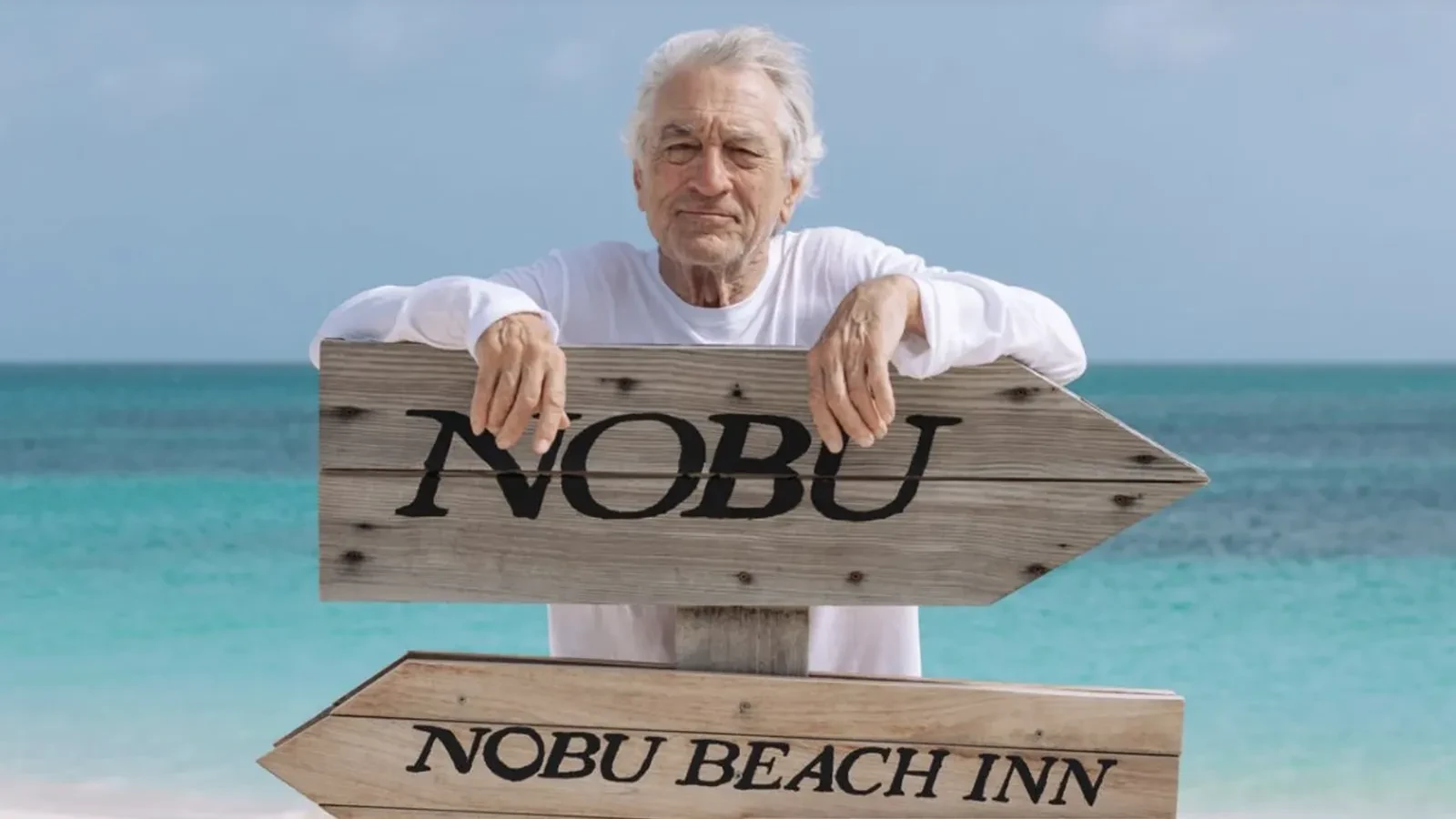
Today, Barbuda stands at a fascinating economic and ecological crossroads. Famed for its boundless stretches of pink-tinted sand, luminous turquoise shallows, and the world-renowned Frigate Bird Sanctuary, the island is entering a new chapter. Spearheaded by high-profile investments—most notably the established Nobu Barbuda and the upcoming, highly anticipated Nobu Beach Inn backed by Hollywood icon Robert De Niro—Barbuda is embracing a measured wave of ambitious hospitality.
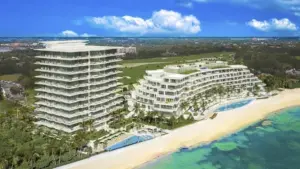
Scheduled for completion in late 2026, the 36-bedroom, 17-villa Nobu Beach Inn spans a sprawling 400-acre site boasting two miles of pristine beachfront. Yet, what makes this development notable is not its scale, but its restraint. Designed around low-rise architectural footprints and eco-conscious master planning, the project mirrors the island’s core ethos: luxury defined not by crowds and concrete, but by immense open space, ecological preservation, and profound solitude.
This deep-dive journalistic report explores how Barbuda is carefully navigating its modern evolution, balancing global culinary and hospitality accolades with the untamed, uncompromised natural wonders that have defined it for generations.
Detailed Chronology: From Isolated Gem to Global Destination
To understand Barbuda’s current trajectory, one must trace the timeline of its deliberate, cautious exposure to international travelers. For generations, the island remained an overlooked whisper in the Lesser Antilles, known primarily to yachtsmen, adventurous naturalists, and day-trippers crossing from Antigua.
- Pre-2020: The Untouched Frontier
Barbuda operates largely off the radar of mainstream luxury tourism. Visitors primarily arrive via brief day-excursions from Antigua to tour the Codrington Lagoon or catch fleeting glances of the pink-sand shores. Local infrastructure remains fiercely traditional, and accommodations are limited to boutique, ultra-low-density properties like the exclusive Barbuda Belle. - November 2020: The Arrival of Nobu Barbuda
Amid the challenges of a global pandemic, a major cultural and economic shift occurs on the island’s southwest coast. Nobu Barbuda officially opens its doors on Princess Diana Beach. Helmed in part by partner Robert De Niro, the restaurant introduces world-class Japanese-Peruvian cuisine—ranging from Wagyu beef to signature miso black cod—to an otherwise undeveloped coastline. Instantly, international travelers begin arriving by private boat and helicopter, fusing remote island escapism with cosmopolitan fine dining. - 2021–2025: The Rise of Low-Density Recognition
Travel publications and discerning globetrotters increasingly single out Barbuda’s unique assets. Low Bay is repeatedly crowned one of the Caribbean’s premier long-walk and pink-sand beaches. Simultaneously, boutique properties like Barbuda Belle earn critical acclaim among tiny, high-end beach resorts, proving that the island’s charm lies in its intimacy. - Late 2026 (Projected): The Completion of Nobu Beach Inn
Marking the island’s most significant hospitality milestone to date, construction on the 36-bedroom, 17-villa Nobu Beach Inn (housed within The Beach Club, Barbuda) nears completion. Featuring 25 branded residences, extensive wellness facilities, and low-rise structural designs across 400 acres, this development signals a mature, meticulously managed era of luxury tourism for the island.
Supporting Context & Metrics: Geography, Ecology, and Scale
To truly appreciate Barbuda’s uniqueness, one must examine the metrics of its geography and biodiversity. Unlike volcanic Caribbean islands defined by rugged peaks, Barbuda is a flat coral limestone island measuring roughly 62 square miles, creating an entirely distinct visual landscape.
+-------------------------------------------------------------------------+
|                       BARBUDA: KEY METRICS AT A GLANCE                  |
+---------------------------+---------------------------------------------+
| Total Land Area           | ~62 square miles                            |
| Low Bay Coastline         | 11 uninterrupted miles of pink-tinged sand  |
| Nobu Beach Inn Site       | 400 acres with 2 miles of private beachfront|
| Nobu Beach Inn Capacity   | 36 bedrooms across 17 individual villas     |
| Associated Residences     | 25 planned Nobu Residences                  |
| Primary Wildlife Asset    | Codrington Lagoon (Frigate Bird Sanctuary)  |
+---------------------------+---------------------------------------------+
The Unbroken Shoreline
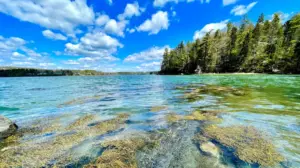
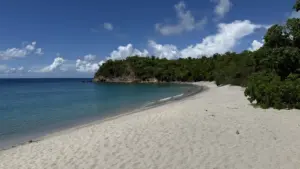
The island’s defining geological feature is its length of uninterrupted coast. Low Bay, running along the western edge, features an astonishing 11-mile stretch of pale pink and white sand. The pink hue is born from microscopic foraminifera shell fragments mixed with coral, shifting subtly in shade depending on the tropical sunlight and tide movements. Crucially, walkers can traverse miles of this coastline without encountering a single commercial structure, hotel, or sea wall—a rarity in the modern Caribbean.

Similarly, Princess Diana Beach—named in honor of the late royal who famously vacationed on the island—offers wide, powdery soft expanses and luminous, crystal-clear shallows. Despite housing the world-famous Nobu restaurant, the beach retains a vast, uncrowded atmosphere.
Codrington Lagoon and the Frigate Bird Sanctuary
Beyond the beaches lies Codrington Lagoon, a sprawling protected wetland that bisects the northern half of the island. Accessible primarily via local charter boats, the lagoon is home to one of the most remarkable wildlife spectacles in the Western Hemisphere: the Frigate Bird Sanctuary.
Here, tens of thousands of magnificent frigate birds nest among the mangroves. During the breeding season, male frigate birds inflate their iconic, balloon-like red throat pouches to extraordinary proportions to attract mates. This thriving ecosystem underscores why Barbuda rewards travelers who linger past sunset; it is an ecological haven that demands slow, respectful exploration rather than a hurried afternoon glance.
Official Statements & Industry Perspectives
The delicate balancing act between high-end development and ecological preservation has been a focal point for hospitality leaders, regional planners, and culinary figures alike.
Speaking on the vision behind bringing world-class infrastructure to such an unspoiled canvas, ownership and development partners have repeatedly emphasized a philosophy of stewardship. When initial plans for the broader resort expansion were unveiled, project representatives highlighted that the primary asset of Barbuda is its emptiness—an element that cannot be manufactured and therefore must be fiercely protected.
"Barbuda possesses a raw, untouched magic that is increasingly impossible to find in the wider Caribbean," notes regional hospitality analysts tracking the development of the Beach Club, Barbuda master plan. "The strategy behind introducing a brand like Nobu—and subsequently the Nobu Beach Inn—is not to transform Barbuda into another St. Barths or Monaco, but to selectively curate experiences for travelers who demand exceptional gastronomy and design while respecting the sanctity of the natural environment."
Hospitality executives involved with the project have similarly stressed the importance of architectural restraint. By opting for 17 individual low-rise villas spread across a massive 400-acre footprint rather than a towering multi-story monolith, the developers aim to preserve the horizontal expanse that makes Barbuda’s coastline so striking.
Culinary visitors have echoed these sentiments, marveling at the surreal yet seamless juxtaposition of enjoying high-end Japanese-Peruvian omakase while looking out over a completely wild, footprint-free expanse of Caribbean sea.
Future Outlook: A New Era Without Losing a Soul
As Barbuda looks toward the late-2026 completion of the Nobu Beach Inn and its associated residences, the island stands as a fascinating case study in sustainable, high-net-worth tourism.
The transition from a purely day-trip excursion hub to an overnight luxury destination has been accelerated by infrastructure upgrades. Scheduled inter-island flights from Antigua have streamlined travel times, making multi-night stays seamless. Boutique establishments like Barbuda Belle continue to anchor the lower-density, ultra-private end of the accommodation spectrum, while the incoming villas will cater to travelers seeking fully serviced, branded-residence amenities.
Yet, the ultimate victory for Barbuda will not be measured solely in occupancy rates or dining reservations. Rather, its success will be defined by whether it can maintain its profound silence.
For the traveler willing to make the journey, Barbuda remains a place where time slows down. It is an island where you can walk for hours along an endless pink shore with nothing in sight except the horizon, take a quiet boat ride through emerald mangrove lagoons to witness ancient avian colonies, and cap off the evening with world-class dining under a brilliant blanket of stars. As the island steps into its modern era, its greatest achievement is proving that luxury and wilderness do not have to be mutually exclusive.