









Executive Overview
Zion National Park—the crown jewel of Utah’s renowned "Mighty 5" national parks—welcomed nearly 5 million visitors in 2025, dwarfing the visitor counts of its regional peers, such as Bryce Canyon, which recorded nearly 2 million visits. Famous for its towering Navajo sandstone cliffs, vibrant hanging gardens, and dramatic slot canyons, Zion remains a premier bucket-list destination for nature enthusiasts worldwide. However, the park’s rugged topography has historically presented insurmountable barriers for travelers with mobility impairments. While millions of able-bodied hikers easily access the park’s emerald pools and weeping rock formations, many of these same natural wonders remained entirely out of reach for wheelchair users.
That dynamic is undergoing a profound transformation. In a landmark development for the U.S. National Park System, Zion National Park has introduced a specialized piece of mobility equipment designed to conquer the park’s most challenging environments: an Extreme Motus all-terrain wheelchair. Making history as the first U.S. national park to own and offer this specific type of all-terrain accessibility equipment for public use free of charge, Zion is spearheading a movement toward true inclusivity in the great outdoors.
Made entirely in Utah and engineered to withstand unpredictable weather and punishing topography, the specialized wheelchair opens doors to trails previously deemed inaccessible. Funded through a generous donation by advocacy group 2LIV4 to the Zion Forever Project—the park’s official non-profit partner—this initiative marks a monumental shift in how national parks approach accessibility. Nevertheless, integrating specialized heavy-duty mobility equipment into a high-volume wilderness park brings logistical complexities, strict operational requirements, and important safety considerations that prospective visitors must navigate.
Detailed Chronology: From Concept to Trailhead
The realization of this accessibility milestone is the result of collaborative efforts between local innovators, philanthropic organizations, and federal land managers dedicated to breaking down barriers in public lands.
The Genesis of the Partnership
The journey toward rolling out the Extreme Motus chair at Zion began with grassroots advocacy and regional manufacturing ingenuity. Extreme Motus, a Utah-based company, engineered its flagship all-terrain wheelchair specifically to tackle environments that leave traditional wheelchairs stranded—sand, gravel, snow, and rocky inclines. Recognizing the profound impact this local innovation could have on public land access, the advocacy organization 2LIV4 stepped forward to bridge the financial gap.
Through a targeted philanthropic contribution to the Zion Forever Project, the official philanthropic partner of Zion National Park, the necessary capital was secured to purchase the specialized chair and integrate it into the park’s operational inventory. This financial backing allowed Zion to bypass bureaucratic procurement hurdles and fast-track the acquisition of the equipment, culminating in a formal announcement via the park’s official Instagram account that instantly captured national attention and praise from the disability community.
Operational Rollout and First-Hand Implementation
Once the chair arrived at the Zion Canyon Visitor Center, park officials established strict protocols to balance visitor independence with absolute safety. Because the Extreme Motus chair is manually operated rather than motorized, its deployment requires a dedicated two-person team: the user and a designated assistant capable of pushing, steering, and braking the rig across uneven terrain.

Park administrators designed a streamlined yet thorough onboarding process to ensure safe utilization. Visitors looking to borrow the chair must complete several mandatory steps:
- Arrival and Pickup: The chair is housed exclusively at the Zion Canyon Visitor Center.
- Documentation: Both the visitor utilizing the chair and their assisting partner must present valid photo identification and proof of insurance, alongside signing a comprehensive liability waiver.
- Training Session: Prior to hitting the trails, participants must complete a mandatory briefing and training session with park staff to familiarize themselves with the chair’s handling characteristics, safety harnesses, and tipping points.
- Time Constraints: The chair must be returned to the visitor center prior to facility closure on the same calendar day.
Supporting Context & Metrics: Visitation, Topography, and ADA Realities
To fully appreciate the significance of Zion’s new all-terrain wheelchair initiative, one must understand the sheer scale of the park’s visitation pressures and the inherent limitations of its natural landscape.
Visitation Realities and Visitor Demographics
Zion’s staggering visitor numbers—hovering around the 5 million mark annually—place immense strain on both the physical infrastructure and the human resources of the park. Managing crowds of this magnitude while attempting to improve equity of access requires innovative resource allocation. When compared against neighboring parks in Utah’s Mighty 5 (such as Bryce Canyon at roughly 2 million visitors, alongside Capitol Reef, Arches, and Canyonlands), Zion experiences the highest density of foot traffic per square mile, particularly along its primary canyon corridor.
With millions of visitors funneling through the park each year, the demand for inclusive recreational infrastructure has never been higher. The introduction of the Extreme Motus chair addresses a critical demographic: outdoor enthusiasts, veterans, and travelers with physical disabilities who have historically been sidelined by traditional tourism models.
Navigating Zion’s Trails: Where the Chair Can—and Cannot—Go
While the all-terrain wheelchair radically expands recreational horizons, it is not a golden ticket to every corner of the park. Zion’s topography remains fiercely wild, and safety parameters dictate strict boundaries for the equipment.
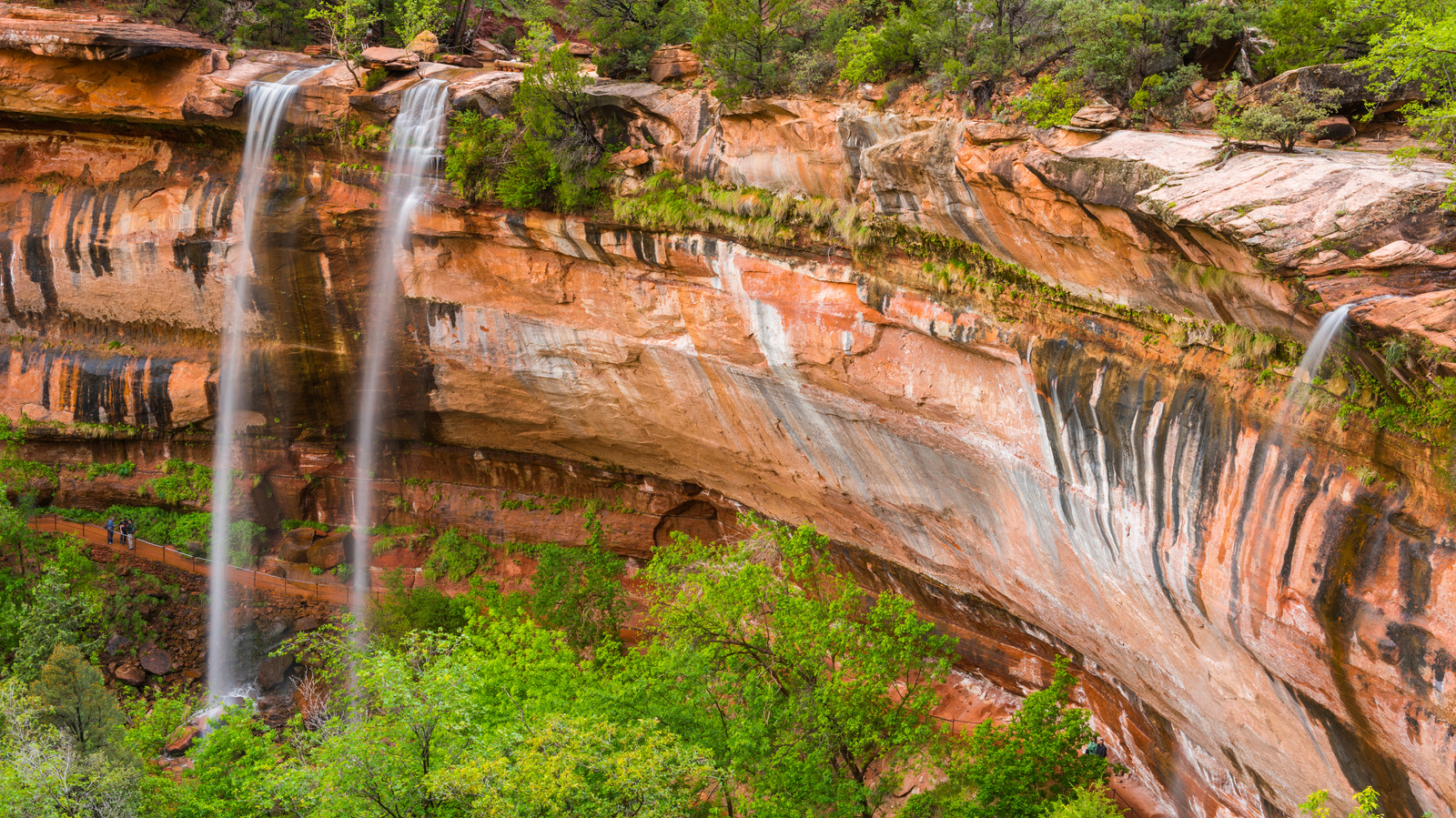
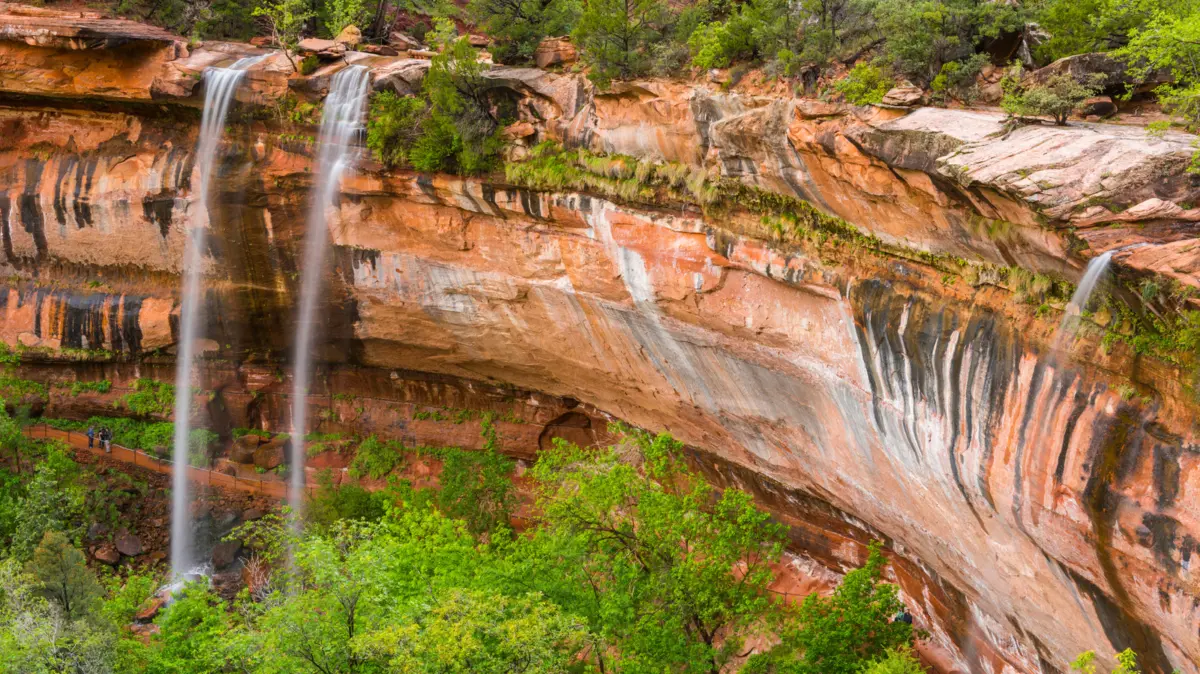
- Approved and Recommended Routes: Park officials explicitly recommend the chair for iconic routes such as the Weeping Rock Trail, which leads visitors through a stunning, lush oasis of hanging gardens and dripping springs, and the Lower Emerald Pools Trail, famed for its cascading waterfalls and reflective pools. Additional designated routes include portions of the West Rim Trail and the Middle Emerald Pools Trail.
- Prohibited and Dangerous Zones: Certain connectors—such as the pathway linking the Lower and Middle Emerald Pools—are strictly off-limits due to narrow clearances that risk tipping the chair. Furthermore, extreme backcountry locations are completely inaccessible and forbidden. This includes the world-famous Zion Canyon Narrows, where hikers wade directly through a towering river gorge, and the vertical, chain-assisted ascent of Angels Landing, a notoriously dangerous narrow fin of rock that poses fatal drop-offs on both sides.
- Physical Specifications and Limitations: To ensure structural integrity and prevent accidents, users must adhere to strict physical thresholds. The chair accommodates individuals up to a maximum weight of 250 pounds and a height limit of 6 feet.
The First-Come, First-Served Dilemma
Despite universal praise for the initiative, logistics remain a point of discussion among accessibility advocates. As of its initial rollout, the Extreme Motus chair is available strictly on a first-come, first-served basis, with no advance reservations permitted.
This operational constraint has drawn constructive critique within online communities and social media platforms. Commenters on the park’s official announcement channels pointed out that travelers traveling long distances cannot reliably plan an inclusive itinerary around the availability of a single piece of equipment. Arriving at the visitor center only to find the chair already checked out can result in profound disappointment and wasted travel days. Park officials have encouraged visitors to arrive early in the morning to maximize their chances of securing the equipment, though demand continues to outpace supply.
General Park Accessibility Standards
It is vital for travelers to contextualize the Extreme Motus program within Zion’s broader accessibility framework. According to the National Park Service, due to the historic and rugged nature of the terrain, none of Zion’s traditional unpaved trails formally qualify as ADA-accessible.
However, the park maintains several semi-accessible alternatives for visitors using standard wheelchairs or mobility devices:
- Pa’rus Trail: A wide, mostly paved pathway tracking the Virgin River for 1.6 miles one-way, offering sweeping valley and cliff views.
- Lower Emerald Pool Trail: Paved in its initial sections, providing a manageable grade for standard mobility devices.
- Riverside Walk: A largely accessible, paved promenade leading to the gateway of the Narrows.
- Shuttle System: All Zion Canyon shuttle buses are fully equipped with mechanical lifts capable of accommodating standard wheelchairs, providing seamless transit throughout the main canyon corridor.
Official Statements and Stakeholder Perspectives
The rollout of the Extreme Motus chair at Zion has generated considerable dialogue among park superintendents, philanthropic partners, and accessibility advocates.
Park administrators have framed the initiative as a vital step forward in fulfilling the National Park Service’s mission to make public lands accessible to all Americans, regardless of physical ability. In public statements accompanying the launch, representatives emphasized that public-private partnerships are the lifeblood of modern conservation and access initiatives. Without the intervention of organizations like the Zion Forever Project and the financial backing of donors like 2LIV4, federal budgetary constraints would make the rapid acquisition of specialized experimental equipment exceptionally difficult.
Advocates for adaptive recreation have hailed Zion as a visionary leader, expressing hope that its status as the first national park to adopt this technology will create a cascading effect across the entire National Park System. By proving that all-terrain mobility devices can be safely integrated into high-traffic wilderness environments, Zion has laid down a blueprint for parks like Yosemite, Grand Canyon, and Yellowstone to follow.
At the same time, community feedback underscores the ongoing need for expansion. Disability advocates stress that while one chair is a historic triumph, true equity will require multiple units stationed across different park districts, alongside a transition toward a reservation-based inventory system to eliminate the uncertainty of first-come, first-served deployment.
Future Outlook: The Road Ahead for National Park Accessibility
As Zion National Park looks toward the future, the success of the Extreme Motus all-terrain wheelchair pilot program is expected to serve as a catalyst for broader systemic changes.
The immediate priority for park management and the Zion Forever Project will likely involve evaluating usage metrics, maintenance wear-and-tear, and user feedback to determine the feasibility of scaling up the inventory. Should additional funding materialize through continued donor support, expanding the fleet of all-terrain chairs would directly resolve the current bottleneck caused by high demand and single-unit availability. Furthermore, the implementation of an online reservation portal could eliminate the guesswork for travelers, allowing families and individuals to plan fully inclusive vacations with absolute confidence.
Beyond Zion, the implications of this milestone extend nationwide. As climate change, tourism booms, and demographic shifts alter how people interact with public lands, the National Park Service faces mounting pressure to modernize its infrastructure. Zion’s willingness to embrace unconventional, locally manufactured adaptive technology proves that conservation and inclusivity are not mutually exclusive; rather, they are deeply complementary pillars of modern park stewardship.
For travelers with mobility impairments dreaming of standing beneath the weeping walls of Zion Canyon or gazing up at the towering expanse of the Great White Throne, the horizon is brighter than ever. While challenges remain—from logistical curbs to geographical limits—Zion National Park has irrevocably altered the landscape of outdoor accessibility, proving that America’s best idea truly belongs to everyone.