








Executive Overview
While the vibrant energy, towering architecture, and cultural landmarks of Chicago often dominate the international perception of Illinois, the Prairie State holds vast treasures far beyond its most famous lakeside metropolis. For travelers and locals alike seeking a genuine escape from the relentless pace of modern life, the state’s interior offers pristine landscapes defined by quiet waters, rolling farmland, and dense woodlands. Among these hidden gems, Siloam Springs State Park stands out as an exceptional sanctuary of natural beauty, ecological diversity, and historical intrigue.
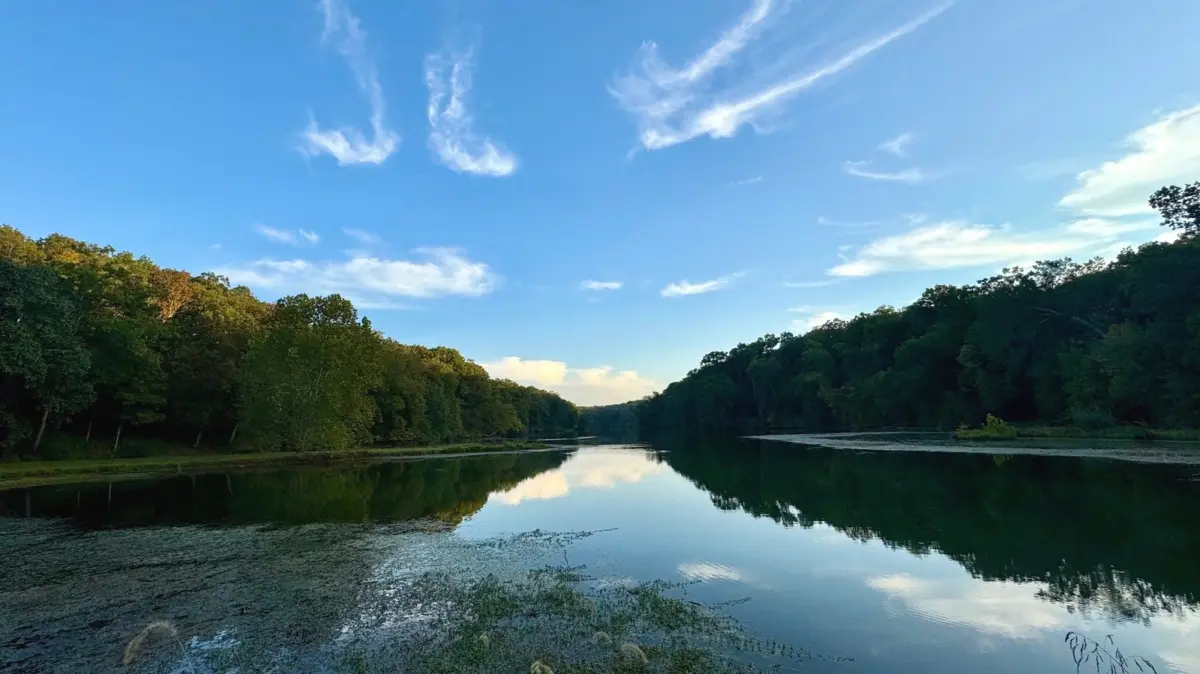
Spanning 3,323 acres in the state’s western border region, this densely wooded expanse functions as an emerald respite from the outside world. Offering visitors a robust menu of outdoor activities—including primitive and modern camping, tranquil paddling, exceptional freshwater fishing, and miles of meticulously maintained hiking and equestrian trails—Siloam Springs provides a quintessential immersive nature experience. Admission to the park is entirely free, making it an accessible destination for families, solo hikers, and outdoor enthusiasts eager to trade urban white noise for the rustling of oak leaves and the songs of native woodland birds.
This comprehensive report examines the unique appeal of Siloam Springs State Park, detailing its historical evolution from a bustling 19th-century healing resort to a protected public sanctuary. Furthermore, it explores the park’s diverse recreational infrastructure, including its wooded campgrounds, Crabapple Lake fisheries, trail systems, and strategic positioning as a premier Midwestern eco-tourism destination.
Detailed Chronology: From Healing Mineral Springs to Modern Conservation
To fully appreciate the tranquil atmosphere of Siloam Springs State Park today, one must understand the fascinating historical trajectory that transformed the land over the last century and a half.
The 19th-Century Discovery and Resort Boom
Long before it was designated a protected state park, the region was celebrated for its unique hydrological features. According to historical records maintained by Illinois State Parks, the area was renowned for its mineral-rich springs, which early settlers and visitors believed held miraculous, cure-all properties.
At the turn of the 20th century, this localized phenomenon sparked a massive tourism boom. Individuals seeking relief from various ailments arrived in droves, transforming the quiet wooded valley into a bustling healing resort destination. Imposing resort infrastructure—including hotels, bathhouses, and pavilions—was constructed to accommodate the influx of wellness-seekers who traveled via carriage and early rail lines to drink and bathe in the mineral waters.
The Decline and Transition to Public Stewardship
As modern medicine advanced and the cultural appetite for mineral-cure resorts faded in the decades following World War I, the commercial facilities at Siloam Springs gradually fell into disuse and disrepair. The bustling crowds vanished, leaving the natural landscape to reclaim the footprint of the old resort.
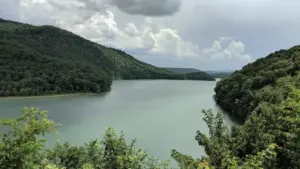
Recognizing the ecological and recreational value of the heavily forested hills and valleys, the State of Illinois stepped in to secure and protect the land. Through strategic state acquisitions and conservation initiatives, Siloam Springs was officially established as a state park. Over subsequent decades, the Illinois Department of Natural Resources (IDNR) implemented management plans aimed at restoring native flora and fauna, establishing sustainable recreational infrastructure, and preserving the historical remnants of the bygone resort era—such as the stone foundations and structural remnants still occasionally encountered by observant hikers today.
Supporting Context & Metrics: Geography, Infrastructure, and Accessibility
Siloam Springs State Park is situated near the western border of Illinois, serving as a tranquil geographic anchor for the region’s outdoor recreation network.
Geographic Location and Travel Logistics
The park’s location balances a sense of remote seclusion with relative accessibility:
- From Springfield, IL: The park is located a little over an hour and a half away by car, making it an ideal weekend getaway or extended day trip for central Illinois residents.
- From Chicago, IL: Travelers flying into Chicago O’Hare International Airport (ORD)—widely recognized as America’s most connected airport—face approximately a five-hour drive southwest. This route treats motorists to classic, scenic Midwestern country views across expansive agricultural plains.
- Alternative Transit: For visitors preferring air travel closer to the destination, Springfield’s Abraham Lincoln Capital Airport (SPI) provides direct flight connectivity from Chicago and several other major U.S. metropolitan hubs, significantly shortening the subsequent ground transit time.
Campground Infrastructure and Accommodations
Siloam Springs State Park features a robust, well-maintained camping infrastructure designed to accommodate a diverse spectrum of outdoor adventurers, from backcountry backpackers to modern RV travelers:
- Oak Ridge, Hickory Hill, and Pine Grove Campgrounds: These three primary wooded campgrounds are situated within easy walking distance of Crabapple Lake and are fully accessible by paved park roads. Sites operate predominantly on a first-come, first-served basis.
- RV and Specialized Sites:
- Class A Sites: Designed for larger recreational vehicles, offering electrical hook-ups alongside immediate access to central restrooms and shower facilities.
- Class B Sites: Tailored for moderately sized RVs, providing identical amenities to Class A sites with the exception of electricity.
- Equestrian Sites: Dedicated areas featuring limited electricity and water access, catering to visitors utilizing the park’s extensive horse trail network.
- Group and Hike-in Sites: Perfect for organizations or individuals seeking a more secluded, immersive wilderness experience.
- Modern Cabin Rental: For visitors desiring a roof overhead without sacrificing the outdoor aesthetic, the park offers a single reservable cabin (available via online booking platforms). The structure features basic creature comforts, including air conditioning, heating, a simple kitchenette, a partial restroom, and an immediate outdoor perimeter equipped for campfires and grilling.
Accessibility Standards
In alignment with modern public land mandates, the IDNR has prioritized inclusivity at Siloam Springs. The park successfully balances the preservation of its rugged, lush natural aesthetics with critical accessibility upgrades, ensuring that comfort stations, modern restrooms, shower facilities, and select campsites feature ADA-compliant infrastructure.
Official Statements & Management Perspectives
The ongoing stewardship of Siloam Springs State Park reflects a broader mandate by conservation authorities to protect fragile interior ecosystems while expanding sustainable public access.
Conservation and Resource Management
Representatives from the Illinois Department of Natural Resources frequently emphasize the dual mandate of the state park system: protecting native biodiversity while fostering public stewardship through recreation. Because the park acts as an ecological island surrounded by vast swaths of intensive agricultural land, its 3,323 acres serve as a vital sanctuary for migratory birds, white-tailed deer, and native hardwood forests.
Park management protocols emphasize minimal intervention in core wilderness zones, allowing natural processes—such as fallen timber decomposition and seasonal flooding—to sustain the nutrient cycles of the oak-hickory forest canopy. Simultaneously, active management is applied to aquatic ecosystems, particularly Crabapple Lake, where wildlife and fisheries biologists monitor fish populations to ensure sustainable recreational angling without depleting native species.
Angling Regulations and Aquatic Stewardship
Fishing is a cornerstone of the visitor experience at Siloam Springs. State wildlife officials maintain strict regulatory frameworks to protect the fishery resources of the 58-acre Crabapple Lake. Anglers are legally required to possess a valid Illinois sport fishing license in addition to an inland trout stamp (available directly via online state portals) when targeting stocked species. Furthermore, to preserve the tranquil acoustic environment and protect water quality, the park strictly prohibits the use of outboard motors on the lake, limiting watercraft propulsion to electric trolling motors, oars, and paddles.
Future Outlook: Preservation, Eco-Tourism, and Trail Expansion
As urban centers continue to expand and the psychological toll of hyper-connected digital lifestyles grows, natural sanctuaries like Siloam Springs State Park are anticipated to play an increasingly vital role in public health and wellness.
Enhancing Eco-Tourism in Western Illinois
Regional tourism boards and state agencies are increasingly looking toward eco-tourism as a sustainable economic driver for western Illinois. By highlighting destinations that offer low-impact recreational activities—such as bird watching, botanical photography, trail running, and primitive camping—the state can attract travelers seeking authentic, uncommercialized nature experiences. Siloam Springs, with its rich tapestry of historical remnants and pristine landscapes, is well-positioned to anchor these regional initiatives.
Trail Maintenance and Ecological Diversity
The future outlook for the park’s trail systems focuses on sustainable maintenance and erosion control, ensuring that the heavy usage of its 14 miles of equestrian routes and 15 miles of foot trails does not compromise local watersheds.
The trail networks themselves offer a masterclass in varied Midwestern terrain. Hikers traversing the trail systems encounter a remarkable diversity of ecosystems:
- The Siloam Springs Deer Run, Hoot Owl, Red Oak, and Old Village Trail: Spanning over six miles of moderate terrain, this loop guides visitors past historic stone house remnants, vibrant spring and summer wildflowers, and dense hardwood canopies that evoke comparisons to northern sanctuaries like the Van Patten Woods Forest Preserve.
- The Prairie Bluff Trail: A 1.2-mile trek packing immense ecological diversity into a compact stretch. Hikers experience rapidly shifting micro-climates, transitioning from shoulder-high native grasses and rolling meadows to dense hardwood forests and evergreen stands, all while being serenaded by robins, cardinals, and woodpeckers.
- The Crabapple Trail: A 1.5-mile storybook route renowned for botanical and avian observations. Wild roses, delicate snapdragons, and active wildlife—ranging from foraging white-tailed deer to turkey vultures in the underbrush—offer an immersive experience comparable to the dramatic topography of southern Illinois’ Shawnee National Forest.
Conclusion
Siloam Springs State Park represents the enduring power of natural restoration. By bridging a fascinating 19th-century history with modern conservation and accessible recreation, the park offers a vital counterpoint to the bustling urban environments that define much of the American Midwest. Whether visitors seek the solitary splash of a paddle on Crabapple Lake, the meditative crunch of gravel beneath hiking boots on a wooded ridge, or a quiet night beneath the stars in a pine-shaded campground, Siloam Springs remains an invaluable, free-access treasure of the Prairie State—waiting to be explored, respected, and preserved for generations to come.