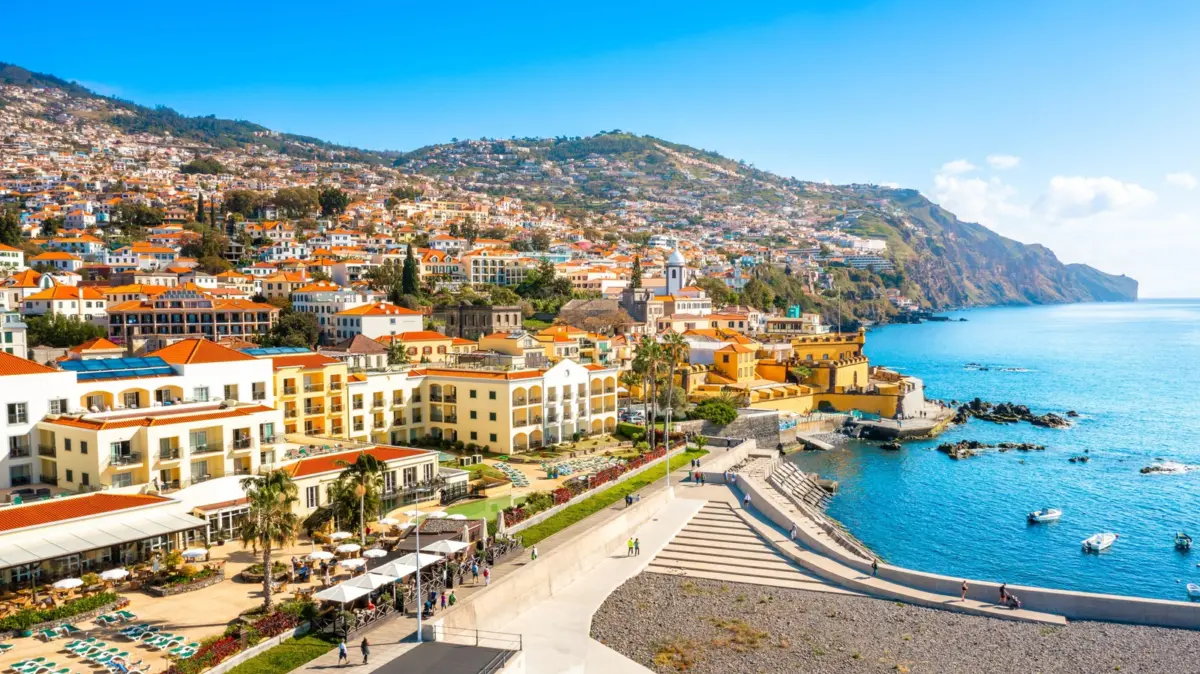
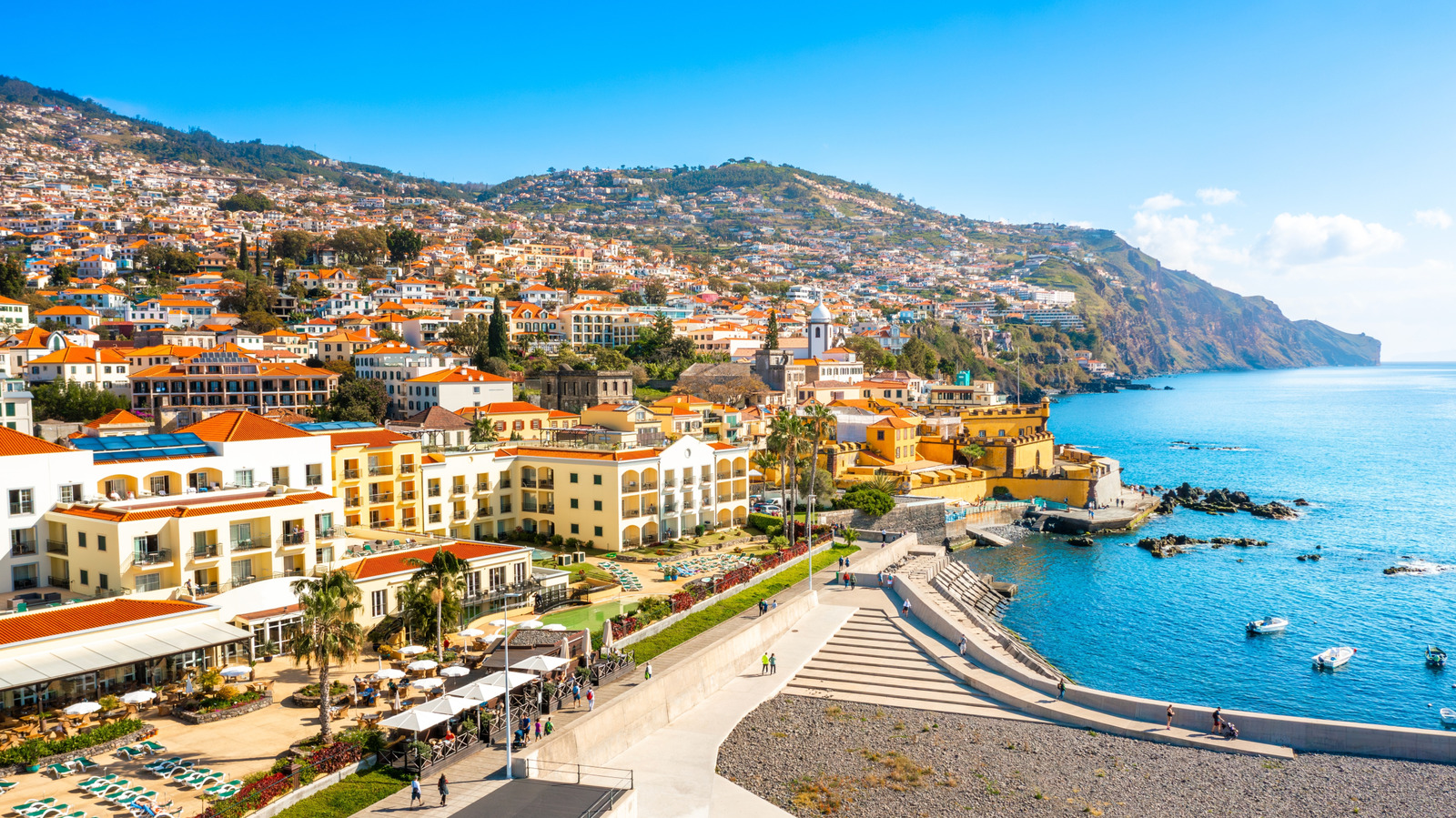
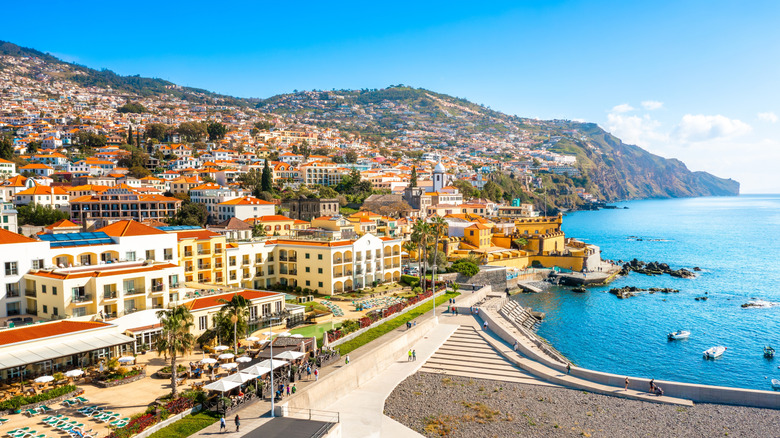
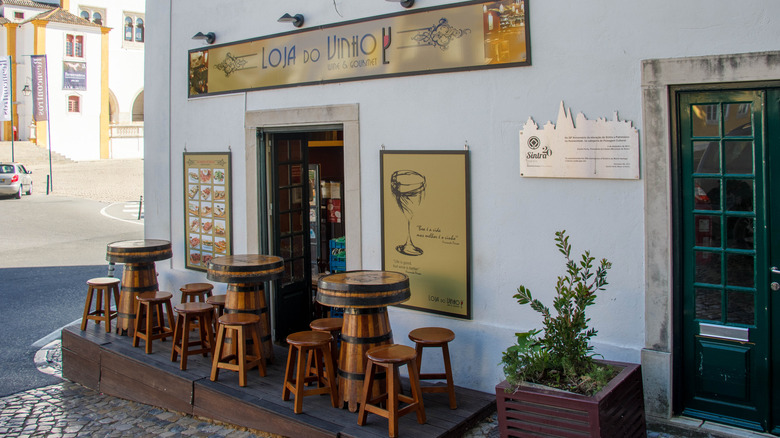
Boasting over 1,100 miles of striking Atlantic coastline, dramatic cliffs, and an intricate architectural heritage, Portugal has firmly established itself as one of Europe’s premier travel destinations. Tucked against Spain’s western border, the nation lures millions of annual visitors with world-renowned wines—such as port from the Douro Valley, Madeira from its eponymous island archipelago, and crisp Vinho Verde from the northwest—alongside pristine beaches, exceptional seafood, and vibrant urban centers.
Yet, beneath the postcard-ready vistas of Lisbon, Porto, Cascais, and Funchal lies a deeply rooted cultural ecosystem governed by unspoken social codes. For the uninitiated tourist, failing to understand these local nuances can lead to awkward interactions, cultural missteps, or unnecessary expenses. Navigating Portugal successfully requires more than a guidebook itinerary; it demands an appreciation for the ritmo of daily life, restaurant customs, and social etiquette.
This comprehensive guide breaks down 11 essential unwritten rules for visiting Portugal, drawing on firsthand travel experiences, insights from long-term expatriates, and perspectives shared by local cultural commentators.
While Portugal and Spain share the Iberian Peninsula, and their languages belong to the same Ibero-Romance family with an estimated 89% lexical overlap, treating the two countries as interchangeable is a critical social error. Assuming that locals speak Spanish—or worse, expecting them to respond in it—is viewed as presumptuous and disrespectful.
While everyday vocabulary features false friends (such as vinho for wine versus the Spanish vino), pronunciation varies significantly, with Portuguese featuring distinct phonetic sounds absent in Spanish. Travelers should master basic courtesies in Portuguese, such as bom dia (good morning) and obrigado (thank you, spoken by men) or obrigada (spoken by women), demonstrating a foundational respect for national sovereignty and linguistic identity.
2. Embrace the Art of the Relaxed Meal
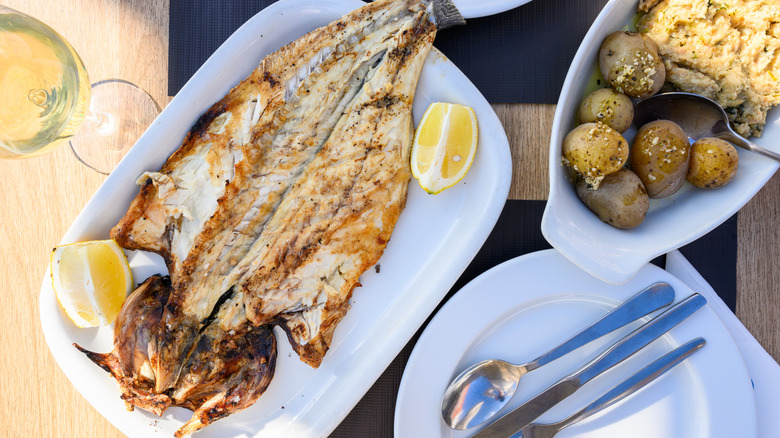
Dining in Portugal is not a transactional, rapid affair designed merely for sustenance; it is a cherished social ritual. Influenced by Mediterranean traditions, local lunch and dinner services are notably unhurried. Weekend lunches regularly extend up to two hours, mirroring the country’s emphasis on socialization and culinary appreciation.
Meals typically occur later than in North America: lunch is served between 12:00 PM and 2:30 PM, while dinner spans 7:30 PM to 10:30 PM. Restaurants impose no time limits on tables, encouraging patrons to linger. When invited to a private home for dinner, etiquette dictates bringing a modest offering, such as pastries or wine, to share with the table.
3. Master the Social Greeting and the "Long Goodbye"
Portuguese hospitality is warm, but it demands adherence to specific conversational protocols. Upon entering a shared public space—be it a neighborhood shop, a rural post office, or a medical waiting room—it is customary to address the room with a polite “Olá!”, “Bom dia!” (good morning), or “Boa tarde!” (good afternoon). Failing to acknowledge those present can be perceived as aloof.
Equally distinct is the cultural phenomenon of the "long goodbye." Departures from social gatherings rarely occur abruptly; instead, they feature a prolonged transition period at the threshold lasting five to ten minutes. These lingering moments often meander through entirely new conversational topics, from upcoming weather forecasts to football matches, extending the welcoming atmosphere without rushing guests out the door.
4. Decodifying the Café Culture and Coffee Menu
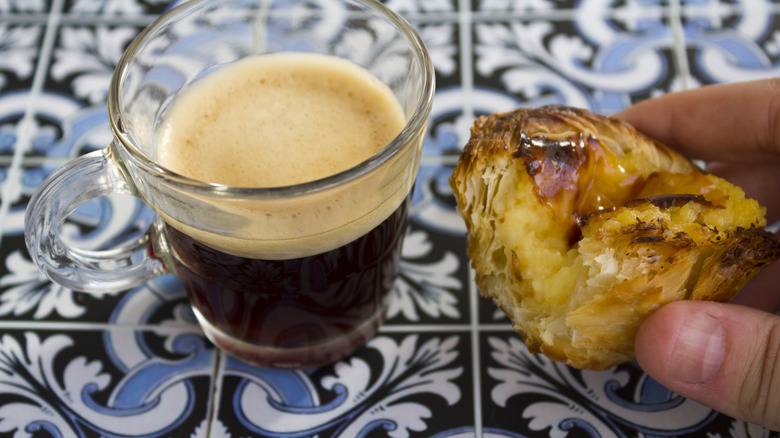
Coffee culture is an institutional pillar of daily life in Portugal, tied closely to staples like torrada (thick-cut buttered brioche toast) and pastéis de nata (custard tarts). For travelers accustomed to large American drip coffees, navigating a Portuguese café menu requires precision:
Americano / Café de saco: The closest equivalents to filtered coffee, consisting of an espresso shot lengthened with hot water.
Galão: A tall glass of milky coffee, similar to a latte.
Meia de leite: A smaller, roughly six-ounce version of a café au lait.
Pingado: An espresso "stained" with a dash of milk, comparable to an Italian macchiato.
Pair these beverages with regional treats such as bolo de figo (fig cake from the Algarve) or fresh bolas de Berlim (sugar-dusted, custard-filled doughnuts) found along coastal beaches.
5. Approach Tipping with Cultural Calibration
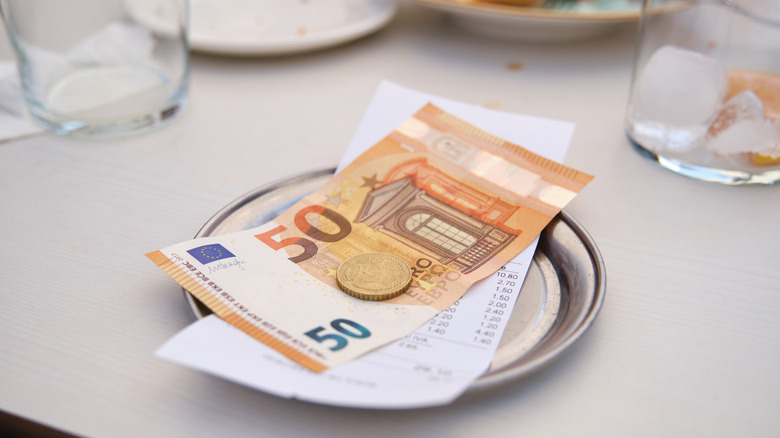
Unlike in the United States, where gratuity forms a mandatory component of a service worker’s base wage, Portugal operates under a completely different economic and cultural framework. Tipping is not obligatory; it is a discretionary acknowledgment of exceptional service.
Aggressive tipping habits introduced by foreign tourists can distort local wage expectations and pressure service staff. Travelers should avoid tipping at bakeries, cafés, or retail counters. At sit-down restaurants, leaving a modest euro or two in cash is sufficient for good service, bypassing complex percentage-based calculations.
6. Never Assume the Table "Couvert" is Free
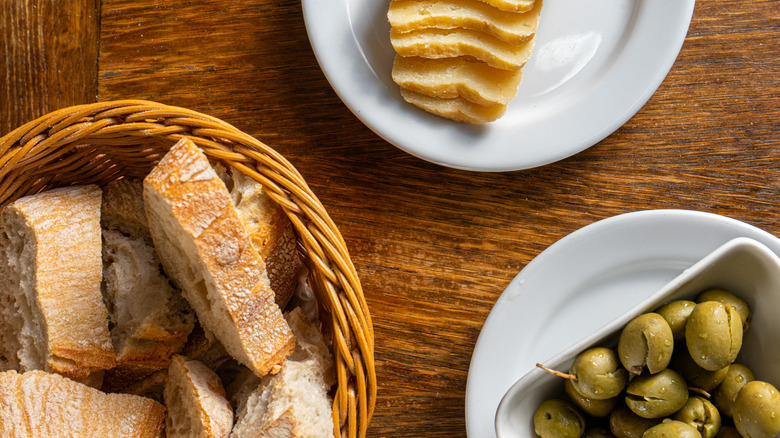
One of the most common financial surprises for first-time visitors involves the unsolicited arrival of a bread basket, olives, cheese, or cured meats shortly after sitting down at a restaurant. In North America, complimentary bread is standard; in Portugal, these items form part of the couvert system.
The couvert (cover charge) items are itemized and billed individually. Diners who do not wish to pay for these appetizers should simply leave them untouched or politely decline by saying, "Não, obrigado/obrigada." Once consumed, they will appear on the final bill.
Supporting Context & Metrics
Public Transportation Networks
Portugal features an integrated public transit infrastructure connecting major urban hubs and rural peripheries.
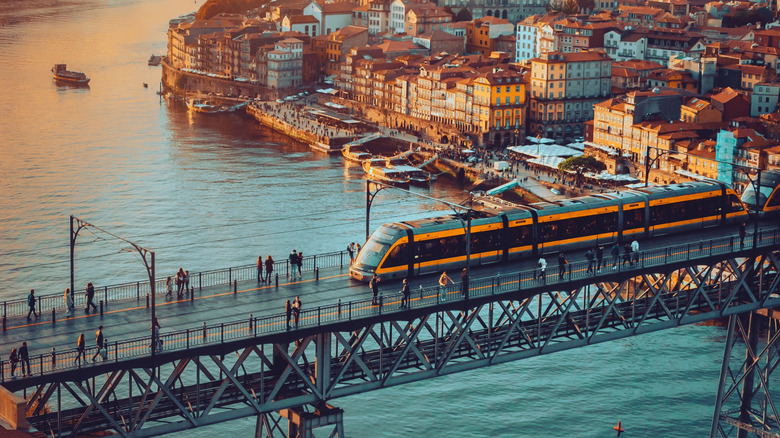
Urban Transit: Lisbon’s historic yellow trams (elétricos), metropolitan subways, and commuter ferries across the Tagus River (connecting to Barreiro and Cacilhas) provide efficient navigation through steep topography.
Intercity Rail: Operated by Comboios de Portugal (CP), high-speed and regional rail links connect Lisbon to Porto (approx. 2.5 hours), Lagos in the Algarve (2.5 to 3 hours), and the coastal enclave of Cascais (40 minutes).
Bus Networks: Long-distance carriers such as Rede Expressos and ALSA bridge gaps where rail networks do not reach, ensuring comprehensive national mobility.
Urban Geography and Terrain Metrics
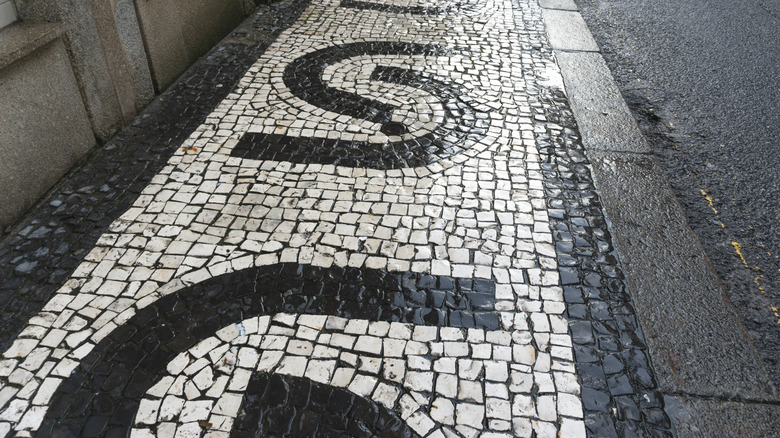
Cobblestone Infrastructure: Historic districts in Lisbon, Porto, and Coimbra feature extensive calçada portuguesa—intricate mosaic pavements made of limestone and basalt blocks. While visually stunning, these surfaces become exceptionally slick when wet and present severe tripping hazards for those wearing heels or platform shoes.
Pedestrian Footwear: Travel advisors uniformly recommend durable sneakers, closed-toe walking shoes, or seasonal boots to comfortably navigate gradients that often exceed 15% inclines.
Official Statements & Local Perspectives
Cultural commentators and local residents emphasize the importance of blending cultural awareness with modern tourism practices.
"In Portugal, a calm, moderate speaking tone is a sign of good manners and self-awareness," notes travel advisor Sheree M. Mitchell in insights published by Travel + Leisure. "Speaking too loudly (especially in enclosed public spaces) can come off as disrespectful or disruptive." This sentiment is echoed by local urbanites who note that European spatial dynamics prioritize communal quietude over the booming acoustics often associated with North American tourists.
Furthermore, the rapid influx of digital nomads and short-term visitors has sparked local discourse regarding neighborhood preservation. In neighborhoods like Alfama and Bica in Lisbon, residents have voiced concerns over rising housing costs and the displacement of traditional commerce.
Reflecting on these shifts, Lisbon-based writer Daniela notes: "This city is not perfect, but at least it’s real." Preserving this authenticity requires travelers to respect local pacing, honor environmental upkeep, and appreciate the raw urban patina—including expressive street art pioneered by world-renowned Portuguese artists such as Vhils (Alexandre Farto).
Future Outlook
As Portugal continues to manage record-breaking tourism inflows, balancing economic benefits with cultural preservation remains a paramount policy objective. Local municipalities are increasingly implementing sustainable tourism strategies, regulating short-term rentals, and investing in regional transit infrastructure to distribute visitor density beyond Lisbon and Porto.
For the discerning traveler, understanding these 11 unwritten rules offers a pathway toward deeper cultural immersion. By respecting linguistic boundaries, embracing unhurried dining, adopting moderate conversational volumes, and appreciating the unvarnished authenticity of the streets, visitors contribute to a mutually respectful tourism ecosystem that honors Portugal’s rich heritage for generations to come.