






Executive Overview
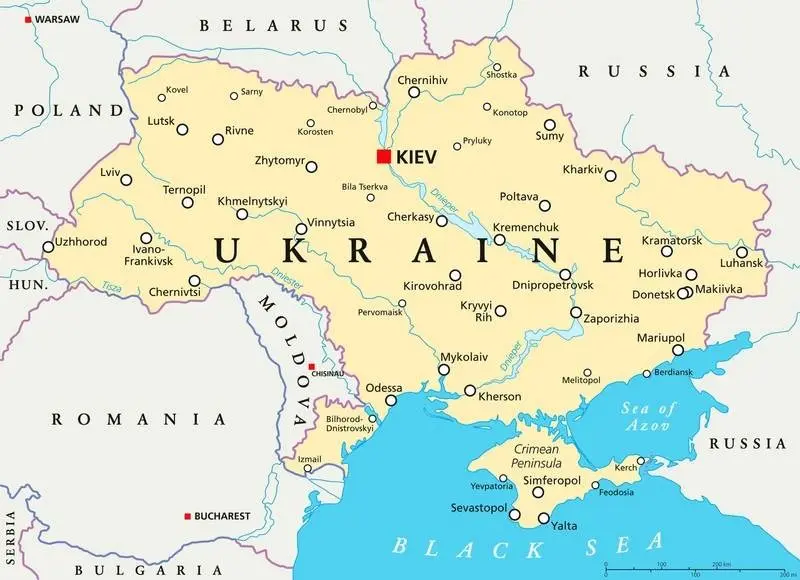
In a significant diplomatic maneuver on the sidelines of the United Nations General Assembly, Ukrainian President Volodymyr Zelenskiy announced Ukraine’s readiness to enter into a targeted maritime truce in the Black Sea. The proposal, constructed on diplomatic frameworks developed by Egypt, India, and Turkey, represents a strategic shift toward localized, functional de-escalation as the war enters its fifth year. By focusing on the restoration of safe commercial navigation and the protection of critical civilian infrastructure, the initiative aims to address both global food insecurity and Ukraine’s looming winter energy crisis.
The proposed maritime agreement seeks to establish a secure corridor for merchant shipping, which has been severely restricted by ongoing drone and missile strikes targeting ports and commercial vessels. Simultaneously, diplomatic channels are exploring a parallel agreement to halt military strikes on energy infrastructure. With the Ukrainian power grid highly vulnerable to winter attacks, Kiev is actively seeking international guarantees to protect its heating and electricity generation capacities.
While United States diplomatic channels have indicated a mutual, albeit cautious, interest from both Kiev and Moscow regarding a limited ceasefire on grain and energy sectors, the Kremlin has maintained a posture of strategic ambiguity. Moscow has publicly downplayed the prospects of broader peace negotiations, stating that the necessary prerequisites have not yet been met, while keeping the door open to transactional, sector-specific arrangements. As winter approaches, the viability of these proposed truces will test the capacity of international mediators—particularly from the Global South—to broker functional compromises in an otherwise deadlocked conflict.
Detailed Chronology of Diplomatic Maneuvers
The current diplomatic push unfolded through a series of high-level meetings and public pronouncements during the United Nations General Assembly in New York, marking a concerted effort by Ukraine and its international partners to establish a diplomatic baseline before the onset of freezing temperatures.
[Day 1: Bilateral Dialogue] ───► [Day 2: Multilateral Push] ───► [Day 2 (Late): Sideline Diplomacy] ───► [Day 3: Kremlin Response]
 Zelenskiy meets Trump to        Zelenskiy presents truce        Sec. of State Rubio meets        Kremlin downplays wider
 discuss energy ceasefires       proposals at UN summit          FM Lavrov on limited truce       talks but remains open
The Zelenskiy-Trump Bilateral Meeting
The diplomatic sequence began on Tuesday, when President Zelenskiy met with US President Donald Trump. A central focus of their discussions was the formulation of a bilateral framework aimed at securing a targeted Russia-Ukraine ceasefire specifically covering energy-related targets. This meeting underscored Kiev’s recognition that securing American diplomatic backing is essential for any enforceable agreement with Moscow. Zelenskiy later indicated that he would be prepared to meet Russian President Vladimir Putin directly within a trilateral framework moderated by Trump.
The Crimean Platform Summit
On Wednesday, Zelenskiy escalated the diplomatic initiative by addressing world leaders at Ukraine’s Crimean Platform summit, held on the sidelines of the annual UN General Assembly. Here, the Ukrainian President publicly articulated the parameters of the proposed Black Sea maritime truce. Zelenskiy revealed that Egypt, India, and Turkey had actively formulated actionable options to restore safe navigation for merchant shipping. He explicitly placed the burden of progress on Moscow, stating that Ukraine had accepted the mediators’ terms and was waiting for a formal Russian response.
High-Level US-Russia Sideline Discussions
Following Zelenskiy’s public address, the diplomatic focus shifted to direct communication channels between Washington and Moscow. US Secretary of State Marco Rubio met with Russian Foreign Minister Sergei Lavrov on Wednesday. In a briefing to reporters immediately following the meeting, Rubio confirmed that both Russia and Ukraine had expressed a preliminary, localized interest in a limited ceasefire framework. This proposed arrangement would specifically insulate grain shipping and energy infrastructure from active military targeting, representing the most concrete sign of diplomatic alignment in months.

The Kremlin’s Calculated Ambiguity
The diplomatic momentum was met with a measured, cautious response from Moscow. On Wednesday, ahead of the Lavrov-Rubio meeting, Kremlin spokesman Dmitry Peskov addressed reporters regarding the prospects of resolving the conflict. While Peskov asserted that there were currently "no prerequisites" for transitioning to comprehensive peace negotiations, he pointedly stated that the Russian Federation remained "open to peace talks." This dual track—rejecting broad political settlements while remaining open to transactional, sector-specific negotiations—defines the current Kremlin strategy.
Supporting Context & Metrics
The push for a targeted truce is driven by severe economic and humanitarian pressures. The conflict, now in its fifth year, has caused deep disruptions in global commodity markets and left Ukraine’s domestic infrastructure highly vulnerable.
Global Agricultural Impact (Black Sea Disruptions)
┌─────────────────────────────────────────────────────────────┐
│  Wheat Export Volumes: Near Standstill                      │
│  Key Affected Markets: Egypt, India, Middle East, East Africa│
│  Economic Consequence: Sourced-grain price spikes           │
└─────────────────────────────────────────────────────────────┘

Ukrainian Domestic Vulnerability (Winter Threat)
┌─────────────────────────────────────────────────────────────┐
│  Primary Threat: Missile & Drone Strikes on Power Grid      │
│  Critical Infrastructure: Heating plants & substations      │
│  Humanitarian Risk: Widespread winter blackouts             │
└─────────────────────────────────────────────────────────────┘
The Black Sea Shipping Crisis and Global Food Security
The Black Sea remains one of the world’s most critical maritime trade routes, particularly for agricultural commodities. Before the escalation of hostilities, the region accounted for a vast share of global wheat, barley, and sunflower oil exports.
- The Mediator Coalition: The involvement of Egypt, India, and Turkey as primary mediators is highly strategic:
- Egypt: As one of the world’s largest wheat importers, Egypt is directly exposed to price shocks and supply disruptions in the Black Sea.
- India: Balancing its traditional diplomatic ties with Moscow and its growing partnerships with the West, India has a strong interest in stabilizing global food and fertilizer supply chains.
- Turkey: Utilizing its geographic control over the Bosphorus and Dardanelles Straits under the Montreux Convention, Turkey has consistently positioned itself as the primary maritime mediator, previously co-brokering the defunct Black Sea Grain Initiative.
- The Shipping Standstill: Continuous drone strikes, naval mines, and targeted missile attacks on port infrastructure in Odesa, Chornomorsk, and Pivdennyi have driven commercial shipping insurance rates to prohibitive levels, bringing routine merchant traffic to a near standstill. This has disproportionately affected developing nations in Asia, the Middle East, and Africa, which rely on affordable Black Sea grain to prevent domestic food insecurity.
The Looming Winter Energy Crisis
For Ukraine, the motivation to secure an energy-specific ceasefire is an urgent humanitarian necessity. Over successive winter campaigns, Russian military strategy has heavily emphasized targeted strikes on Ukraine’s electrical grid, thermal power plants, and transmission substations.
With significant portions of Ukraine’s energy generation capacity either damaged, destroyed, or under occupation, the country faces a severe supply deficit as temperatures drop. A sustained winter bombardment of the remaining heating and power infrastructure could trigger a humanitarian crisis, forcing further mass migration and disabling basic urban services. By proposing a mutual halt to strikes on energy infrastructure, Kiev seeks to establish a practical defense mechanism for its civilian population.
Official Statements and Conflicting Positions
The diplomatic viability of the proposed truces depends on navigating the sharply contrasting public positions and strategic objectives of the key actors involved.
Ukraine: Seeking "Real Steps" Toward De-escalation
President Volodymyr Zelenskiy framed the maritime proposal not as a political concession, but as a practical starting point for broader stability. Addressing the UN, he emphasized Ukraine’s readiness to act:
"We are waiting for Russia’s response. Ukraine is ready… to ensure safe shipping and food security in the Black Sea if Russia is ready to take real steps towards de-escalation too. We have to start somewhere."
Zelenskiy’s rhetoric highlights a willingness to pursue incremental, functional agreements to protect human life and economic viability, without compromising on Ukraine’s long-term territorial integrity.
The United States: Facilitating Segmented Negotiations
The diplomatic efforts of the United States, led by Secretary of State Marco Rubio, have focused on identifying areas of mutual interest that can be separated from the broader geopolitical conflict. Speaking after his high-level meeting with Russian Foreign Minister Sergei Lavrov, Rubio noted a shared interest in localized agreements:
"Both Russia and Ukraine have expressed interest in a limited ceasefire involving grain and energy."
This statement confirms that despite intense ongoing military operations, backchannel communication remains active and focused on concrete, transactional issues.
The Russian Federation: Strategic Ambiguity and Tactical Openness
The Kremlin’s response reflects a calculated effort to maintain diplomatic flexibility while avoiding commitments that could limit its military options. Kremlin spokesman Dmitry Peskov outlined the Russian position, balancing a rejection of immediate comprehensive talks with an expression of general openness:
"For now, there are no prerequisites for moving on to a peaceful negotiating track, although we, as the Russian side, remain open to peace talks."
By distinguishing between a "peaceful negotiating track" (which would involve territorial disputes and security guarantees) and limited, sector-specific arrangements, the Kremlin keeps the door open for targeted negotiations on shipping and energy if they align with Moscow’s broader strategic interests.
Future Outlook
As the diplomatic focus shifts from the United Nations to concrete negotiation channels, the viability of a limited maritime and energy truce will depend on several key factors.
                        ┌────────────────────────┐
                        │   Trilateral Pathway   │
                        │ (US - Ukraine - Russia)│
                        └───────────┬────────────┘
                                    │
                  ┌─────────────────┴─────────────────┐
                  ▼                                   ▼
     ┌────────────────────────┐          ┌────────────────────────┐
     │   Scenario A: Truce    │          │  Scenario B: Collapse  │
     │      Implemented       │          │      of Proposals      │
     ├────────────────────────┤          ├────────────────────────┤
     │ • Safe grain corridors │          │ • Escallated energy    │
     │ • Stabilized power grid│          │   infrastructure war   │
     │ • De-escalation step   │          │ • Humanitarian crisis  │
     └────────────────────────┘          └────────────────────────┘
The Concept of a "Segmented Truce"
The current diplomatic efforts represent a shift toward "segmented truces"—highly specific, verified agreements designed to address isolated issues without requiring a comprehensive political settlement. If successful, a Black Sea maritime agreement could serve as a template for other areas of functional cooperation, such as prisoner exchanges, nuclear safety protocols at occupied facilities, and humanitarian corridors.
Crucial Variables for Implementation
The success of the proposed maritime and energy agreements will depend on three main factors:
- Verification and Monitoring Mechanisms: Unlike previous agreements, any new maritime corridor will require robust, neutral verification to ensure commercial vessels are not used for military purposes, and that energy facilities are not being militarized under the cover of a ceasefire.
- The Role of the US Administration: The personal involvement of Donald Trump and the diplomatic execution by Secretary of State Marco Rubio will be critical. Washington’s ability to leverage economic sanctions and diplomatic pressure could prove decisive in securing Russian compliance.
- The Global South’s Diplomatic Leverage: The ongoing mediation by Turkey, India, and Egypt provides essential diplomatic cover. By framing the issue around global food security and economic stability rather than European security arrangements, these mediators can apply pressure on Moscow that Kiev and its Western allies cannot easily replicate.
The Cost of Diplomatic Failure
If these proposals fail to gain traction, the conflict is likely to enter a highly volatile phase during the winter months. Without an energy infrastructure truce, Russia may resume its systematic campaign against the Ukrainian power grid, leading to severe civilian hardship.
In the maritime domain, the absence of a shipping agreement will leave the Black Sea a highly contested military theater. This will keep global grain prices volatile and sustain economic pressure on import-dependent nations in the Global South. The coming weeks will show whether this targeted diplomatic opening can produce a functional de-escalation, or if the conflict will continue to resist localized compromise.