











Executive Overview
The landscape of the American automotive market is undergoing a turbulent evolution. While the global transition toward sustainable mobility accelerates in regions like China and Europe—where consumers enjoy an abundance of stylish, highly capable, and aggressively priced electric vehicles—the United States market tells a vastly different story. Recent political shifts under the Trump administration have seen a systematic dismantling of federal clean air standards, fuel economy targets, and vital consumer electric vehicle (EV) subsidies.
In this cooling regulatory environment, most automotive manufacturers bringing new EVs to the U.S. market have retreated safely into high-margin, premium vehicle territory. Automakers generally rely on luxury buyers willing to pay top dollar for cutting-edge driving dynamics and the convenience of home charging infrastructure.
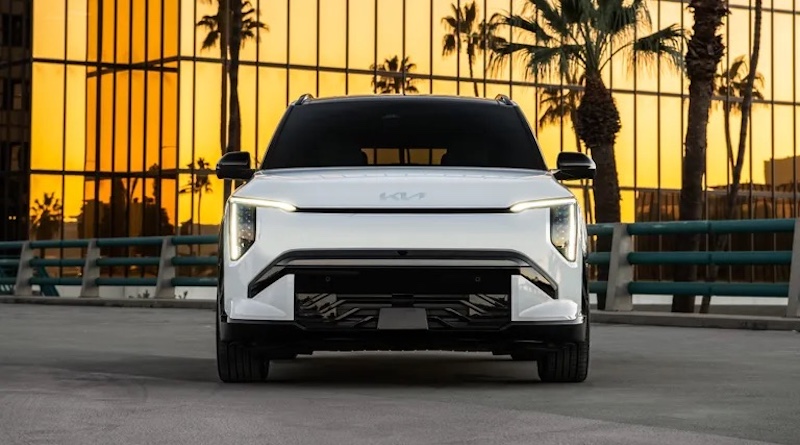
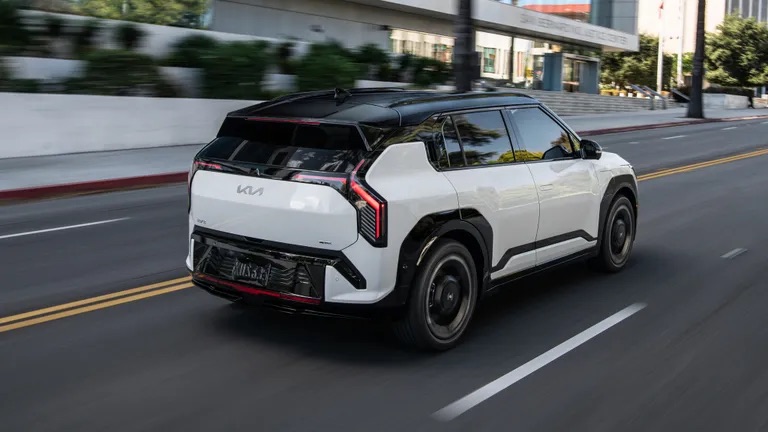
Against this challenging backdrop, Kia’s decision to introduce a small, highly accessible, and competitively priced electric vehicle to the United States comes as a welcome surprise. Enter the Kia EV3—a subcompact all-electric crossover that bridges the gap between urban practicality and long-range capability. With an entry-level price tag starting at $31,385, the EV3 arrives as a rare beacon of hope for budget-conscious American consumers looking to ditch internal combustion engines without breaking the bank.

Detailed Chronology & Market Context: Navigating a Shifting Regulatory Landscape
To fully understand the significance of the Kia EV3’s arrival in the United States, one must examine the macroeconomic and regulatory pressures currently facing the domestic EV sector.
The Regulatory Headwinds
In recent years, federal policy shifts have actively undermined the widespread adoption of clean transportation. By scaling back fuel economy requirements and gutting clean air regulations, the current administration has removed foundational pressures that previously forced legacy automakers to electrify their fleets. Furthermore, the rollback of consumer EV tax credits has stripped away the immediate financial incentives that once helped bridge the upfront cost gap between traditional gas-powered cars and their electric counterparts.
Consequently, the U.S. market has experienced a distinct polarization. On one end, luxury and performance EVs command six-figure price tags, catering to affluent early adopters. On the other end, truly affordable electric options are exceedingly rare, leaving everyday drivers with few viable pathways into zero-emission motoring.

The Rise of the Subcompact Segment
Amid these headwinds, small electric cars have historically punched above their weight in terms of loyal consumer bases. Enthusiasts of compact mobility—such as former drivers of the iconic BMW i3—have long argued that smaller vehicles offer the ideal footprint for congested urban environments, efficient energy consumption, and nimble handling.

When Kia first introduced the EV3 to global markets, it immediately captured the attention of automotive journalists and urban commuters alike. While international markets, particularly China, boast an overwhelming array of low-cost, high-tech EVs, American buyers have largely been left wanting. The introduction of the EV3 marks a pivotal turning point, offering U.S. consumers a sophisticated, utility-focused small EV that punches well above its weight class.
Specifications & Pricing Breakdown: What the Kia EV3 Offers
The Kia EV3 is engineered to challenge the notion that an affordable electric vehicle must inherently compromise on range, build quality, or aesthetic appeal. By striking a delicate balance between cost and capability, Kia has structured the EV3 lineup to accommodate a wide spectrum of buyers.
Entry-Level Accessibility
For the budget-conscious consumer, the base model Kia EV3 starts at an accessible $31,385. For this price point, drivers receive a well-appointed vehicle equipped with a battery pack yielding approximately 220 miles of EPA-estimated range. While 220 miles may not break distance records, it is more than sufficient for daily commuting, errand running, and routine urban and suburban transit, especially when paired with overnight home charging.
Extended Range and Performance Trims
For buyers willing to invest more for enhanced versatility and power, Kia offers higher-tier configurations that dramatically expand the vehicle’s capabilities:
- Extended Range Models: Stepping up past the base trim unlocks a significantly larger battery pack, pushing the vehicle’s driving range to an impressive 321 miles per charge. This addresses primary consumer anxieties regarding road trips and long-distance travel.
- The Flagship GT AWD Trim: At the apex of the lineup sits the performance-oriented GT All-Wheel Drive variant. Priced at $47,385—roughly 50% more expensive than the entry-level model—this top-tier trim caters to enthusiasts seeking dual-motor performance, superior all-weather traction, and a comprehensive suite of high-end technological features.
Shifting Paradigms: Where Does the EV3 Fit in the U.S. Market?
A casual observer might look at the $31,385 starting price and wonder how it compares to long-standing budget staples like the Chevrolet Bolt. While the Chevrolet Bolt historically held the crown as the ultimate affordable American EV, industry dynamics are shifting rapidly.
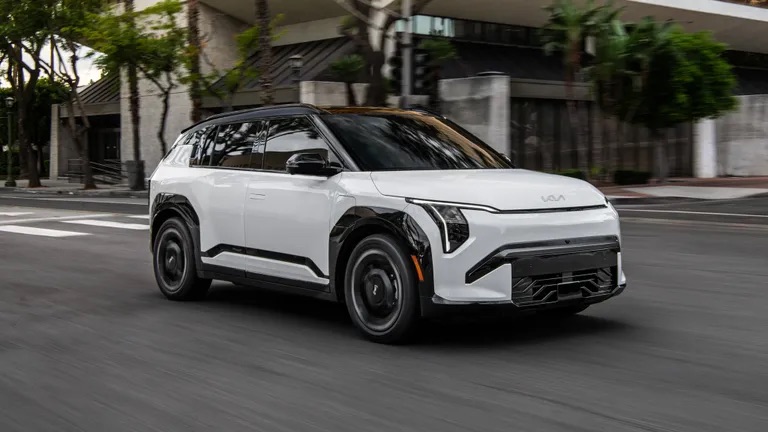
The Bolt’s days on the market are numbered, as General Motors phases out the legacy platform in favor of newer Ultium-based architectures. As the Bolt phases out, the Kia EV3 is strategically positioned to step into the vacuum, potentially becoming the reigning champion of truly affordable, high-utility electric motoring in the United States.
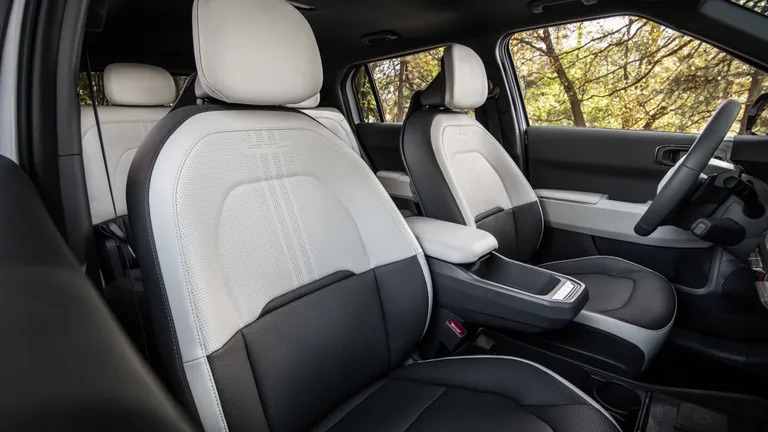
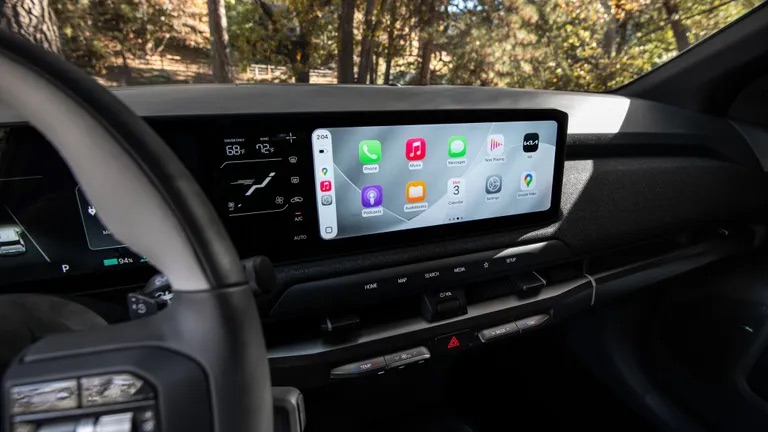
Furthermore, the EV3 avoids the common pitfall of feeling "cheap." Inside the cabin, Kia has maintained its reputation for forward-thinking interior design, sustainable materials, and intuitive infotainment interfaces. The exterior styling mimics the sharp, futuristic geometric language seen on larger stablemates like the EV9 and EV5, ensuring that driving an affordable car no longer means sacrificing curb appeal.

Future Outlook: The Road Ahead for Affordable Electric Mobility
The launch of the Kia EV3 in the United States serves as a litmus test for the resilience of the mass-market EV movement. Despite legislative rollbacks and macroeconomic uncertainties, consumer demand for practical, reasonably priced electric transportation has not vanished; it has merely been starved of supply.
If the EV3 achieves strong sales figures, it could signal to other hesitant automakers that the subcompact and compact EV segments remain fertile ground for profitability. It proves that brands do not need to rely exclusively on six-figure luxury crossovers to find success in a post-subsidy market.
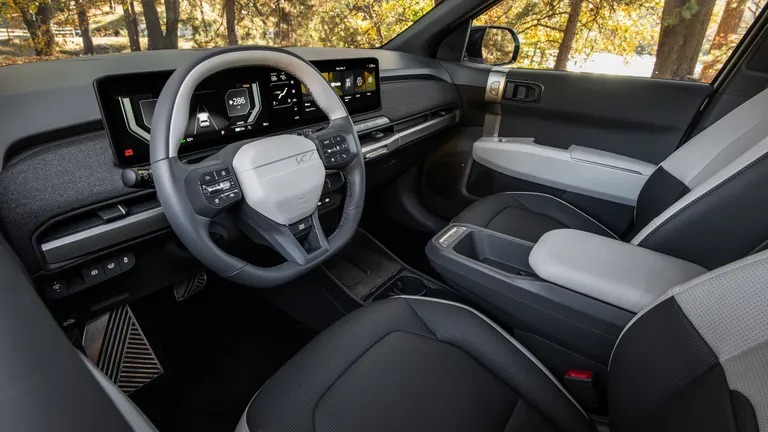
As charging infrastructure continues to mature and battery manufacturing efficiencies improve, vehicles like the Kia EV3 will likely form the backbone of the next wave of electrification. For American drivers weary of bloated, overpriced truck and SUV offerings, the EV3 arrives not a moment too soon—proving that good things truly do come in small, zero-emission packages.