






Executive Overview
Nestled just east of the Delaware-Maryland border, Newark, Delaware, stands as a compelling study in contrasts—a dynamic college town seamlessly intertwined with sprawling natural preserves and historic charm. Anchored by the prestigious University of Delaware, this vibrant community of over 24,000 students and a dedicated year-round populace operates as a bustling economic, cultural, and intellectual hub. Yet, a mere glance beyond its lively downtown reveals an oasis of quiet waterways, mature woodlands, and open green spaces that define the Brandywine Valley region.
With a highly walkable urban core boasting a Walk Score of 75, Newark offers an enviable standard of living that bridges the gap between fast-paced metropolitan access and serene, small-town community life. Its strategic tri-state positioning places residents and visitors within arm’s reach of Philadelphia, Baltimore, Washington, D.C., and New York City, making it both a self-contained destination and an ideal base camp for regional exploration. This report examines Newark’s architectural heritage, economic ecosystem, recreational assets, and its unique cultural gravity within the Mid-Atlantic corridor.
Detailed Chronology and Historical Context
The identity of modern Newark cannot be understood without tracing its deep-rooted history, which serves as the foundation for its contemporary layout and cultural institutions.
The Colonial Roots and Early Foundations (1743–1834)
The city’s history is inextricably bound to the origins of its premier academic institution. Established in 1743 as the Free School in New London, Pennsylvania, by Reverend Dr. Francis Alison, the institution relocated several times before settling in Newark in 1765. It evolved through various iterations—becoming Newark College in 1833 and officially opening its doors to students in 1834.
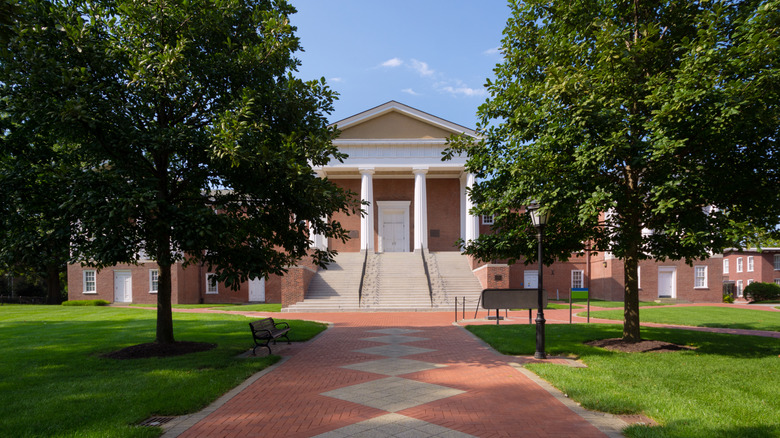
The architecture of this era still casts a long, graceful shadow over the modern city. The historic campus, characterized by distinctive red brick facades and paths canopied by mature trees planted nearly two centuries ago, serves as a physical archive of early American higher education. Old College Hall, constructed in the early 19th century, remains an architectural crown jewel, anchoring the visual transition from academic grounds to the commercial vitality of Main Street.
Industrialization and the Railway Era (Late 19th to Mid-20th Century)
As the United States industrialized, Newark transformed from a quiet agrarian and academic outpost into a vital transportation and manufacturing junction. The arrival of the Philadelphia, Wilmington and Baltimore Railroad—and later the Pomeroy and Newark Railroad—connected the town to the broader industrial lifelines of the Northeast.
While heavy industry has largely given way to a service- and education-based economy in the 21st century, the infrastructure of that era has been creatively repurposed. Today, old rail corridors like the Newark and Pomeroy Rail Trail no longer carry freight or steam engines; instead, they serve as non-motorized pathways linking downtown commerce directly to vast protected wilderness areas such as White Clay Creek State Park.

Modern Expansion and Urban-Campus Integration (Late 20th Century–Present)
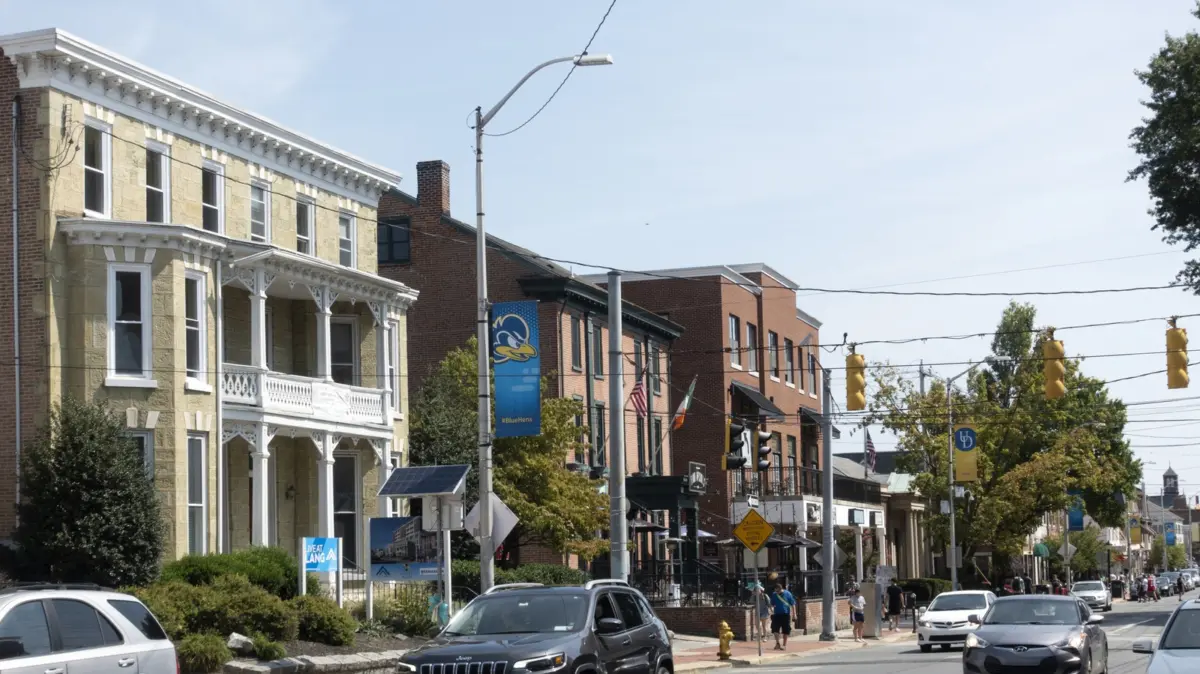
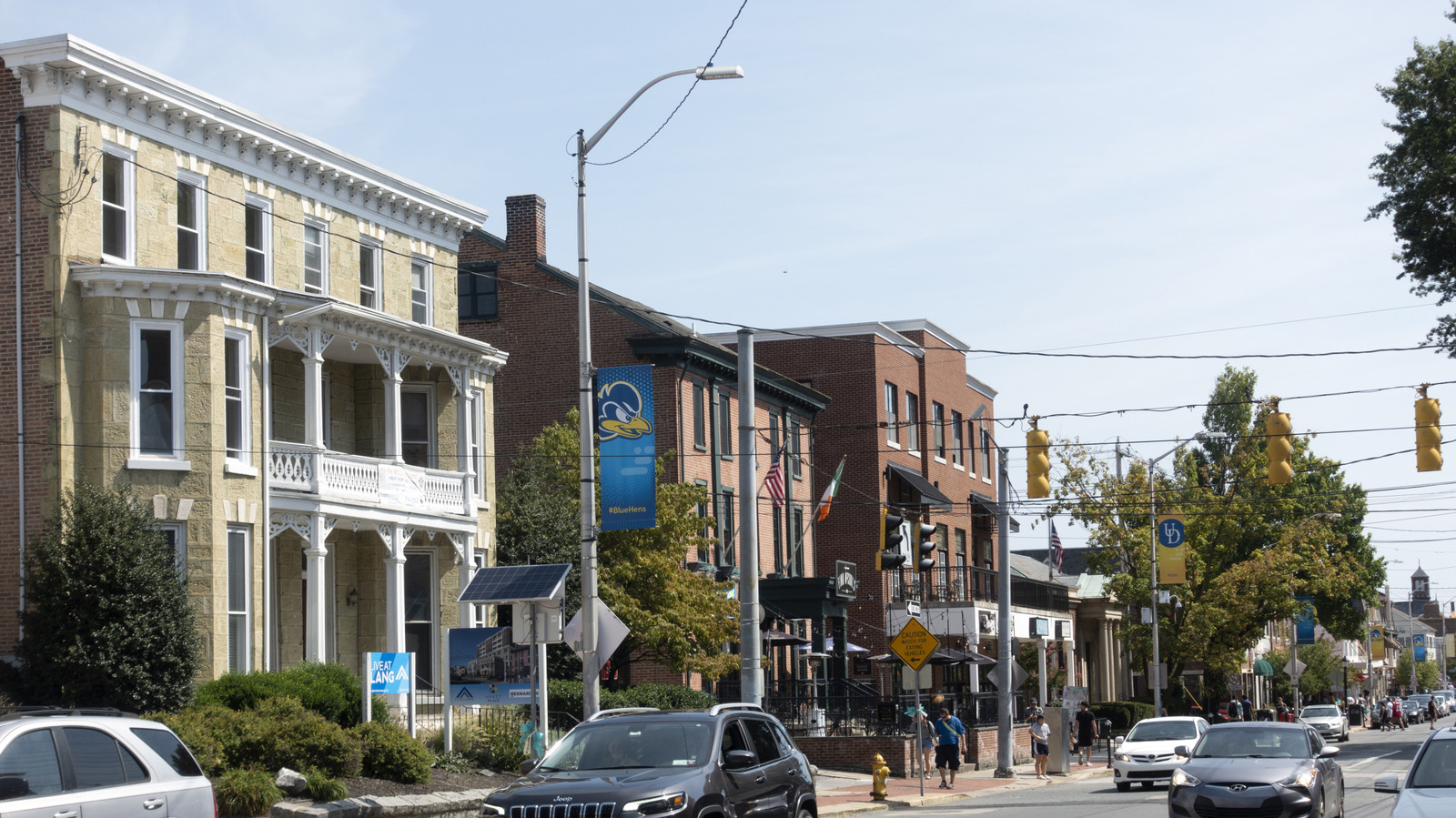
In recent decades, Newark has experienced measured, strategic growth. The University of Delaware expanded its geographic footprint beyond the historic central green, developing modern residential complexes on North Campus and cutting-edge research facilities. Simultaneously, downtown Newark evolved. Main Street transitioned from a standard college strip into a sophisticated culinary and retail destination, striking a delicate balance between catering to transient undergraduate populations and serving the needs of long-term residents.
Supporting Context & Metrics: Geography, Demographics, and Infrastructure
Understanding Newark requires analyzing the structural metrics that govern its daily operations, accessibility, and economic vitality.
Geographic Positioning and the Tri-State Advantage
Newark occupies a prized geographic footprint in northern New Castle County. Its proximity to both Maryland and Pennsylvania grants it status as a true tri-state gateway. Driving distances from Newark to major metropolitan centers highlight its accessibility:
- Philadelphia, PA: ~45 miles (approx. 1-hour drive)
- Baltimore, MD: ~60 miles (approx. 1 hour and 15 minutes drive)
- Washington, D.C.: ~100 miles (approx. 2-hour drive)
- New York City, NY: ~130 miles (approx. 3-hour drive)
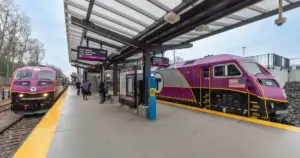
This connectivity is further bolstered by transit infrastructure. While Philadelphia International Airport (PHL) serves as the primary international aviation hub for the area, Newark’s Amtrak and SEPTA commuter rail station sits within practical walking and biking distance of the central business district. This allows commuters and leisure travelers to bypass highway congestion entirely.
Demographic Dynamics and the Academic Engine
With a municipal population hovering around 33,000—augmented significantly by the University of Delaware’s student body of over 24,000—Newark presents a fascinating demographic profile.
- The Student Pulse: The academic calendar dictates the seasonal ebb and flow of the local economy. Fall brings an influx of youthful energy, packed sidewalks, and high demand for local housing and hospitality services. Winter term and summer months offer a more relaxed, community-centric atmosphere.
- Walkability and Urban Design: Downtown Newark’s Walk Score of 75 reflects a dense, pedestrian-friendly layout. Main Street concentrates a wide variety of retail shops, dining establishments, and cultural venues into a compact, easily navigable corridor.
Green Infrastructure and Recreation Metrics
Despite its dense commercial core, Newark punches well above its weight in preserved natural acreage.
- White Clay Creek State Park: Spanning approximately 3,600 acres, this contiguous park system offers robust trail networks for hiking, mountain biking, and horseback riding, alongside pristine streams designated for sport fishing.
- Newark Reservoir: Situated within walking distance of East Main Street, this elevated reservoir features a 1.8-mile paved loop that draws walkers, runners, and cyclists seeking panoramic sunset views over the surrounding rolling hills.
Official Insights and Local Perspectives
To capture the cultural and economic ethos of Newark, local stakeholders, academic leaders, and business proprietors emphasize the intentional synthesis of town and gown.
Cultivating Community: The Town-and-Gown Synergy
City planners and university administrators have long recognized that the health of Newark depends on harmonious integration between permanent residents and the transient student body. Unlike isolated campus bubbles, the University of Delaware is physically woven into the street grid. South College Avenue and the central green bleed directly into the commercial storefronts of Main Street.
Local business owners note that this layout fosters a resilient economic ecosystem. While establishments like Klondike Kate’s, Deer Park Tavern, and Grotto Pizza thrive on student patronage and collegiate athletic traditions, upscale dining venues—such as Taverna, offering sophisticated Italian fare, and Home Grown Cafe, known for its artisan, from-scratch menu and expansive craft beverage selection—successfully cultivate a loyal clientele among local professionals and retirees.
Educational Innovation in Hospitality
A prime example of Newark’s unique integration of academics and municipal life is Vita Nova, a fine-dining restaurant located inside the Trabant University Center. Entirely operated by students enrolled in the university’s hospitality management program under professional supervision, the restaurant is open to the general public. It serves as both a training ground for future industry leaders and an upscale dining destination for the broader community, embodying the cooperative spirit that defines the city.
Future Outlook
As Newark looks toward the middle of the 21st century, municipal and academic leaders face distinct opportunities and challenges in balancing growth, sustainability, and quality of life.
Sustainable Urban Development and Smart Growth
With surrounding protected lands like White Clay Creek State Park limiting outward sprawling expansion, future development in Newark will likely prioritize vertical integration and infill projects. City initiatives continue to focus on enhancing pedestrian and cyclist safety, upgrading public transit links to the regional rail networks, and expanding green infrastructure to manage stormwater runoff in an era of shifting climate patterns.
Economic Diversification and Regional Tourism
While the University of Delaware remains the undisputed anchor of Newark’s economy, the city is actively positioning itself as a tourism and lifestyle destination within the tri-state area. By leveraging its proximity to Chester County’s wine country, the historical river towns of Maryland like Elkton, and the cultural institutions of Philadelphia, Newark aims to attract weekend travelers seeking an authentic Mid-Atlantic escape.
Whether visitors arrive for the vibrant foliage of an autumn afternoon in Iron Hill Park, the academic pageantry of a spring graduation, or simply a coffee from local fixtures like Brew Haha! or Little Goat Coffee Roasting Co., Newark endures as a masterclass in how a historic college town can maintain its localized charm while embracing modern economic vitality.