








Executive Overview
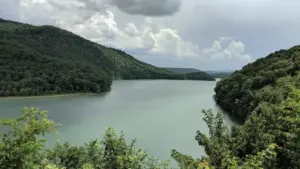
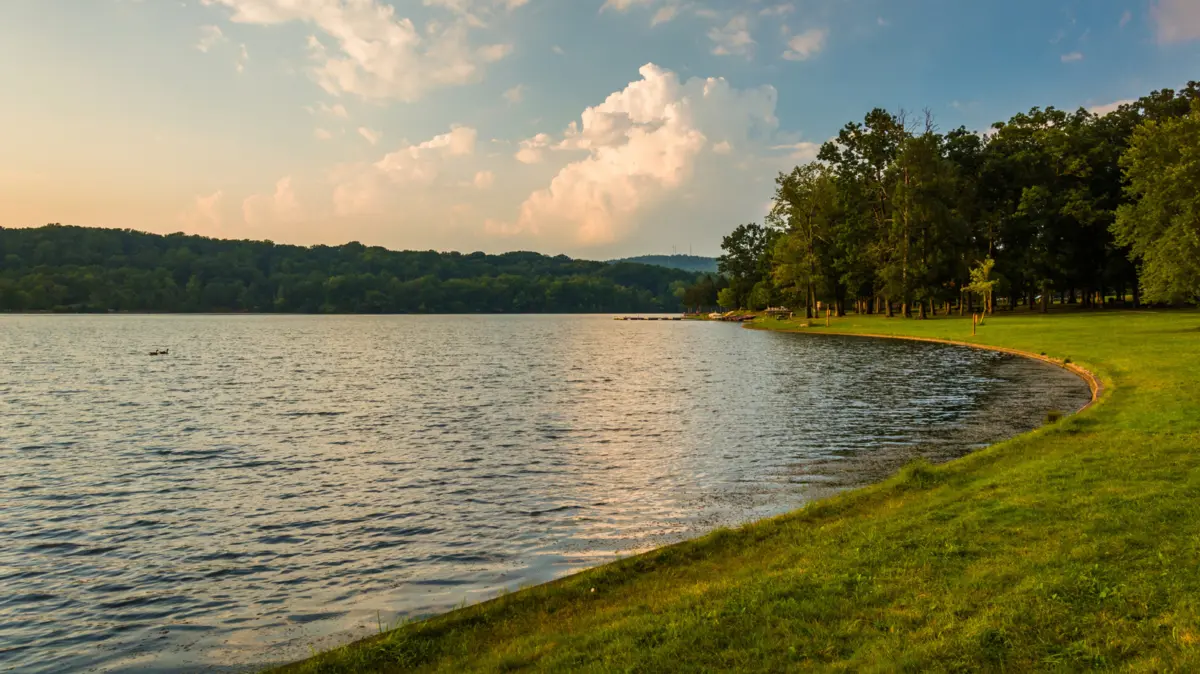
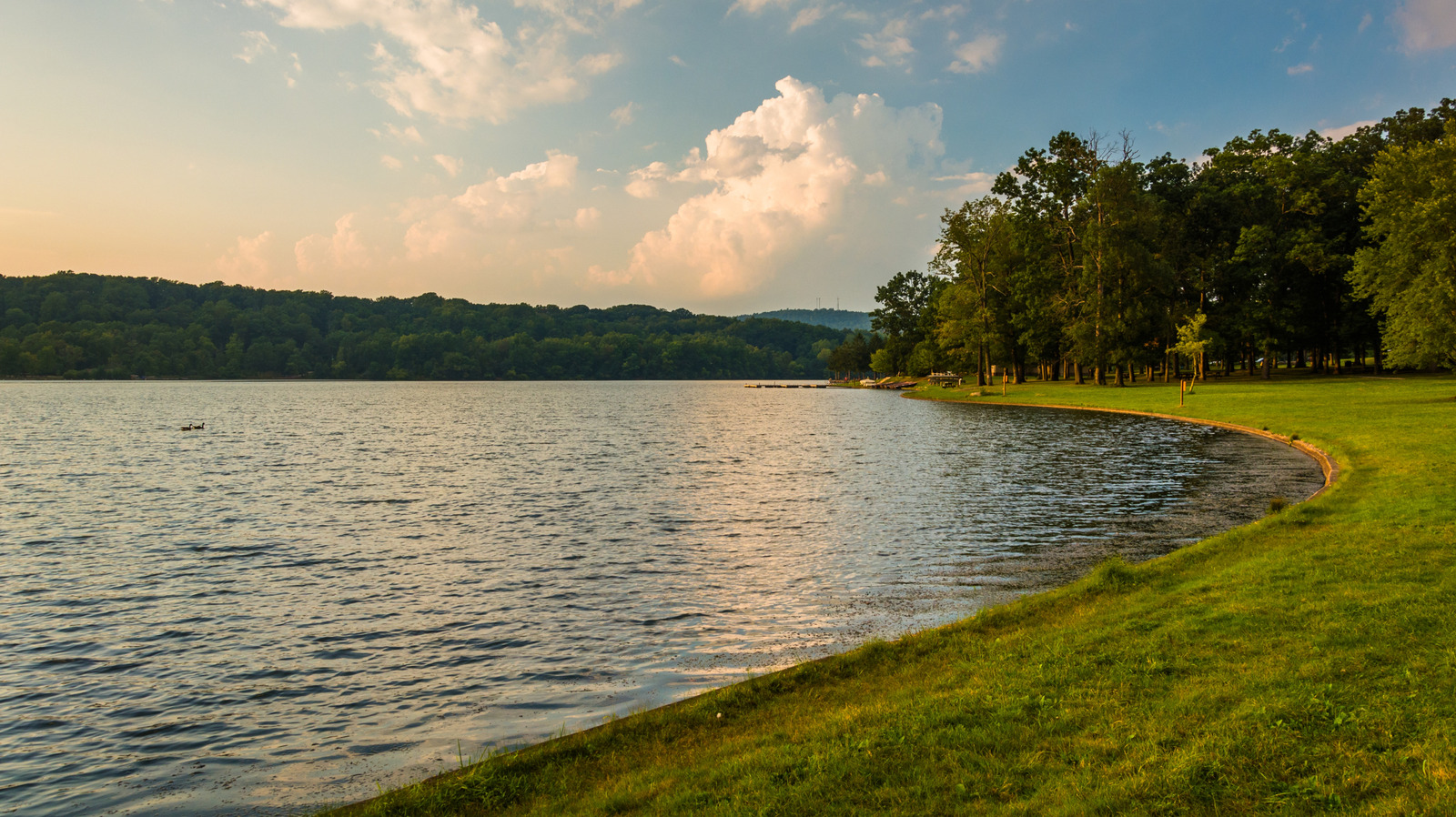
Nestled in the rolling, picturesque landscape of south-central Pennsylvania, just outside the historic borough of Lewisberry, lies Gifford Pinchot State Park. Spanning 2,338 acres of reclaimed agricultural land, this expansive natural sanctuary is anchored by the magnificent 340-acre Pinchot Lake. Positioned strategically between the bustling hubs of Philadelphia and Pittsburgh—roughly 115 miles west of Philadelphia and 200 miles east of Pittsburgh—the park serves as an easily accessible yet deeply immersive outdoor retreat.
Established in 1961, Gifford Pinchot State Park was conceived as a pioneering recreational space dedicated to bringing nature directly to the doorsteps of Pennsylvania’s urban populations. Named in honor of Gifford Pinchot—the renowned two-term Pennsylvania governor, pioneering forester, and chief conservation advisor to President Theodore Roosevelt—the park physicalizes a legacy of environmental stewardship. Today, it operates as a dynamic, multi-season destination, drawing hundreds of thousands of visitors annually with its rich tapestry of wetland ecosystems, sprawling recreational areas, comprehensive camping infrastructure, and diverse wildlife populations. Whether visitors are seeking an adrenaline-fueled weekend of mountain biking and ice fishing, or a peaceful afternoon birdwatching among blooming eastern redbud trees, Gifford Pinchot State Park stands as a cornerstone of the commonwealth’s celebrated park system.
Detailed Chronology: From Reclaimed Farmland to Modern Conservation Haven
The history of Gifford Pinchot State Park is inextricably linked to the evolution of American conservationism and regional land management. Understanding the park requires examining the intentional steps taken to transform exhausted soil into a thriving recreational and ecological asset.
The Vision and Establishment (Pre-1961)
Before the mid-20th century, the land encompassing the modern park footprint was largely defined by private agricultural plots, marginal farmlands, and timbered acreage. As Pennsylvania’s industrial centers expanded following World War II, state planners recognized an urgent public need for accessible, large-scale outdoor recreation areas.
The Commonwealth of Pennsylvania, guided by evolving conservation mandates, acquired the acreage with the explicit goal of ecological restoration. Designers envisioned an engineered watershed that would not only provide flood control and soil stabilization but also serve as a premier aquatic playground. The construction of the dam on Beaver Creek created Pinchot Lake, forever altering the local geography and giving rise to a brand-new wetland habitat.
Opening and Early Development (1961–1980s)
Officially opening its gates in 1961, Gifford Pinchot State Park was among the commonwealth’s vanguard of state parks engineered specifically with urban and suburban respite in mind. During its initial decades, park authorities focused heavily on infrastructure development. Crews laid out the foundational trail networks, established the initial day-use zones (Conewago and Quaker Race), and planted native flora to accelerate reforestation on the previously farmed parcels.
Modern Expansion and Infrastructure Evolution (1990s–Present)
As outdoor recreation preferences shifted toward specialized activities, Gifford Pinchot evolved accordingly. The park integrated modern amenities, including state-of-the-art disc golf courses catering to both casual players and tournament professionals, alongside comprehensive ADA-accessible fishing piers.

Crucially, the park’s overnight accommodations underwent significant modernization. The introduction of modern cabins, yurts, and camping cottages diversified the park’s appeal, allowing visitors to transition from traditional tent camping to climate-controlled comfort. As the park entered the 21st century, it cemented its status as a vital ecological corridor, protecting vital wetlands while offering world-class outdoor experiences.
Supporting Context & Metrics: Geography, Ecology, and Infrastructure
To fully appreciate the scope of Gifford Pinchot State Park, one must examine the specific geographical, ecological, and infrastructural metrics that define its operations.
Geographical and Spatial Metrics
- Total Land Area: 2,338 acres of protected state parkland.
- Water Surface Area: Pinchot Lake covers approximately 340 acres.
- Trail Network: Over 18 miles of interconnected multi-use hiking trails, featuring an 8.5-mile Lakeside Trail that circles the entirety of Pinchot Lake.
- Regional Proximity: Located 17 miles south of Harrisburg, 20 miles northwest of York, and 45 miles west of Lancaster.
Ecological and Wildlife Metrics
Gifford Pinchot State Park is a biological crossroads, featuring upland forests, open water, and crucial transitional wetlands.
- Avian Life: The park is a haven for migratory and resident bird species. Spring brings an influx of migrating songbirds, waterfowl (including mergansers and loons), and bald eagles. Summer is marked by resident bluebirds, while winter attracts various species of woodpeckers.
- Lepidoptera Diversity: The park’s diverse flora supports rich butterfly populations, most notably the American snout, spicebush swallowtail, and the giant swallowtail—recognized as the largest butterfly species native to the United States.
- Mammalian Presence: White-tailed deer and coyotes are frequently observed. The park also hosts more elusive populations of bobcats, muskrats, minks, and beavers, which actively shape the local wetland hydrology.
Recreational Infrastructure and Facilities
- Camping Capacity: One of the most robust camping systems in the Pennsylvania state park network, featuring nearly 300 total sites. This includes 289 tent and RV sites (with 22 full-hookup sites), 10 modern cabins, 3 camping cottages, and 2 yurts.
- Boating and Watercraft: Two 24-hour boat launch ramps (one on each shore) accommodate kayaks, canoes, sailboats, and electric motorboats operating at no-wake speeds. Seasonal watercraft rentals are available from Memorial Day through Labor Day.
- Fishery Management: Pinchot Lake operates as a warm-water fishery supported by the Pennsylvania Fish and Boat Commission. Key species include largemouth bass, smallmouth bass, striped bass (with specimens reaching up to 12 pounds), walleye, perch, panfish, and catfish. Beaver Creek is additionally stocked with trout.
- Day-Use Amenities: Divided into two distinct hubs—the Conewago day-use area on the eastern shore (featuring picnic pavilions and a beginner disc golf course) and the Quaker Race area on the western shore (featuring a swimming beach, volleyball court, and pro-level disc golf course).
Official Statements and Administrative Insights
Managing a park of over 2,300 acres that balances heavy recreational use with delicate wetland conservation requires meticulous oversight from state agencies.
The Conservation Mandate
According to the Pennsylvania Department of Conservation and Natural Resources (DCNR), parks like Gifford Pinchot represent a vital bridge between human wellness and ecological preservation. In operational briefs, DCNR officials emphasize that urban-adjacent state parks must balance high-capacity public access with rigorous habitat protection, particularly regarding wetland preservation around Beaver Creek and Pinchot Lake.
Fisheries and Wildlife Management
The Pennsylvania Fish and Boat Commission (PFBC) maintains active oversight of Pinchot Lake’s aquatic life. Through programs such as the Big Bass Program, which enforces a 15-inch minimum size limit and regulated harvest windows (late June through early April), the PFBC ensures that the lake’s trophy bass populations remain sustainable despite heavy angling pressure. State wildlife biologists routinely monitor the local bald eagle nesting pairs and wetland amphibians, noting that the park serves as an essential biological indicator for south-central Pennsylvania’s watershed health.
Future Outlook: Infrastructure Renewal and Long-Term Sustainability
As Gifford Pinchot State Park looks toward the future, its administrative leadership faces the dual challenge of aging infrastructure and shifting visitor demographics.
Upcoming Capital Improvements and Construction Phases
State park planners have slated comprehensive capital improvement projects spanning through the end of the decade (targeting completion milestones up to 2029). These infrastructural updates are designed to modernize the park’s electrical grids, upgrade sanitation facilities across the massive campground, and enhance ADA accessibility along major recreational corridors and fishing piers.
While these multi-year construction phases are carefully staged to minimize disruption to peak summer tourism, park visitors are strongly advised to consult the official Pennsylvania Department of Conservation and Natural Resources (DCNR) and ReserveAmerica portals prior to booking campsites or launching watercraft. Certain loops within the campground may experience temporary closures as electrical and paving upgrades are implemented.
Climate Resilience and Environmental Adaptability
Looking ahead, park management is increasingly focused on climate resilience. Protecting the park’s extensive wetland acreage against changing precipitation patterns and invasive species remains a top priority. reforestation efforts—utilizing native species adapted to regional climate shifts—are ongoing along the Lakeside Trail and surrounding hillsides.
By balancing state-of-the-art recreational offerings with unwavering ecological vigilance, Gifford Pinchot State Park is well-positioned to serve generations of outdoor enthusiasts to come. Whether visiting for a winter afternoon of cross-country skiing across frozen marshlands, a spring morning of birdwatching among redbud blooms, or a midsummer camping excursion under the Pennsylvania stars, travelers will find that Gifford Pinchot’s enduring legacy of conservation and recreation shines brighter than ever.