





Executive Overview
Tucked away along the picturesque coastline of West Sussex, nestled neatly between the bustling maritime hub of Portsmouth to the west and the chalk-cliff majesty of Eastbourne to the east, lies a destination that frequently escapes the well-worn paths of international guidebooks: Worthing. While mainstream British tourism often fixates on the iconic white cliffs of Dover, the vibrant nightlife of Brighton, or the historic grandeur of Cornwall, this coastal town of over 110,000 residents quietly offers a sophisticated alternative.
Worthing successfully bridges the gap between traditional English seaside nostalgia and a vibrant, culturally rich community. Far from being a sleepy retirement village, the town pulses with a distinct architectural identity, underscored by its striking 1930s Art Deco movement, a burgeoning culinary scene, world-renowned horticultural wonders, and deep historical roots. Accessible via an efficient transportation network that places it less than 90 minutes from the heart of London and mere minutes from Gatwick Airport, Worthing represents an untapped goldmine for cultural travelers, architecture enthusiasts, and nature lovers alike. This in-depth investigative feature explores the multifaceted appeal of Worthing, charting its architectural evolution, its hidden botanical treasures, and its growing prominence as one of the English South Coast’s premier cultural destinations.
Detailed Chronology
Understanding Worthing requires tracing its journey from a modest Saxon settlement into a fashionable Georgian and Victorian resort town, and ultimately into the modern, design-conscious municipality it is today.
- Saxon Origins to the Domesday Book (Pre-11th Century): Long before it became a destination for seaside promenades, the area known as Worthing was a collection of small agricultural and fishing communities. Mentioned in the Domesday Book of 1086, the settlement slowly expanded around its primary parish church, St. Mary’s in Broadwater.
- The Georgian and Victorian Transformation (Late 18th – 19th Century): Worthing’s fortunes shifted dramatically toward the end of the 18th century as sea-bathing gained popularity among the British aristocracy. Princess Amelia, daughter of King George III, stayed in Worthing in 1798, catapulting the sleepy coastal village into the fashionable spotlight. This era birthed the town’s early elegant terraces and laid the groundwork for its expansion.
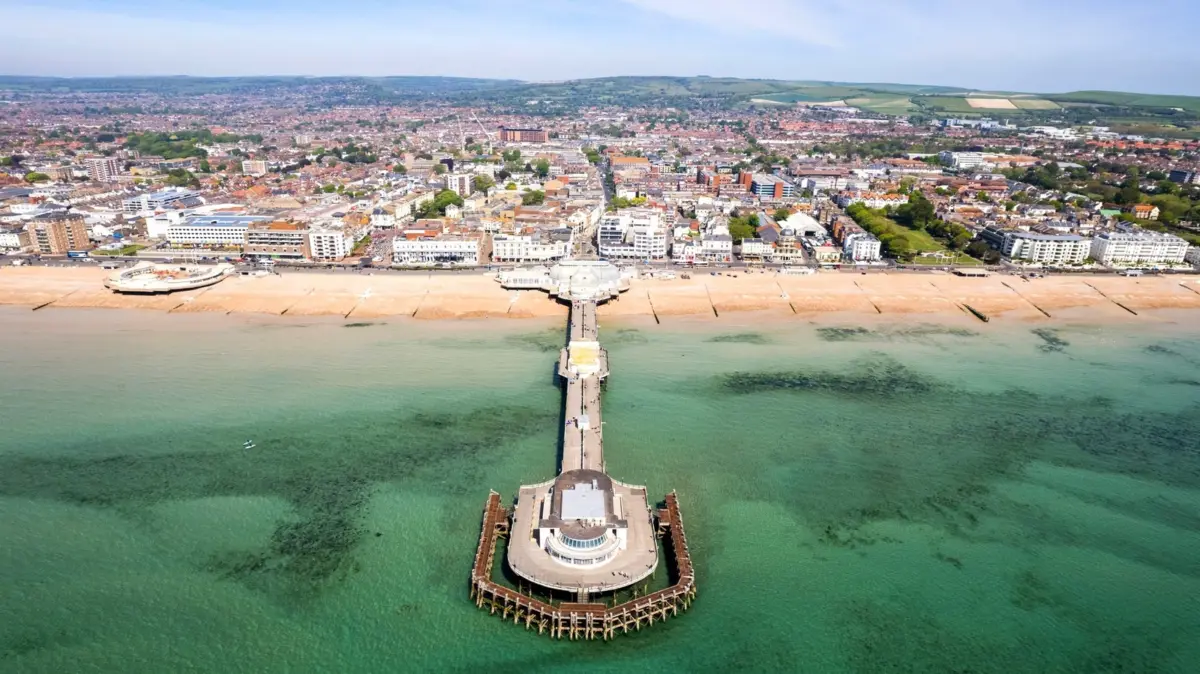
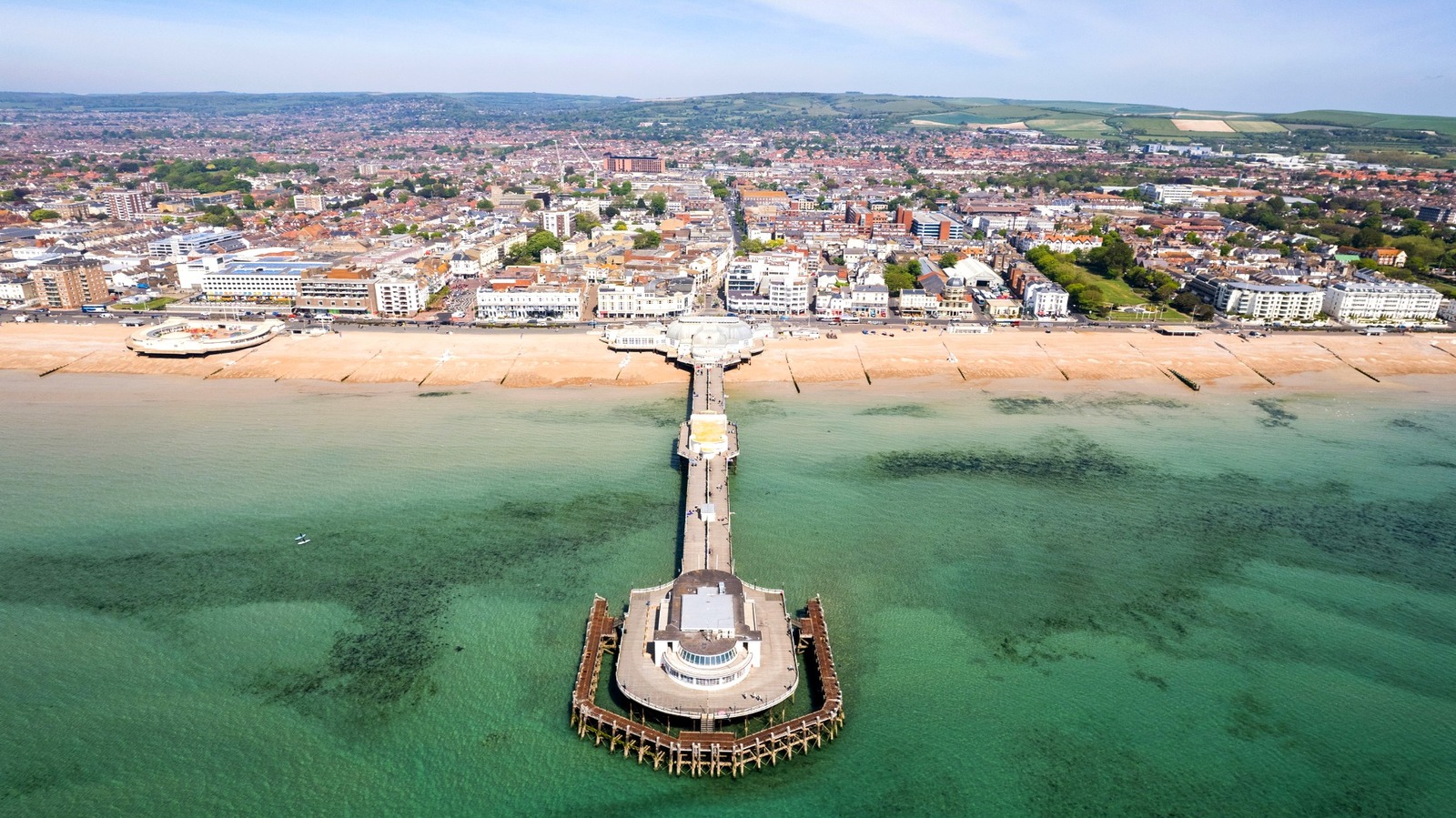
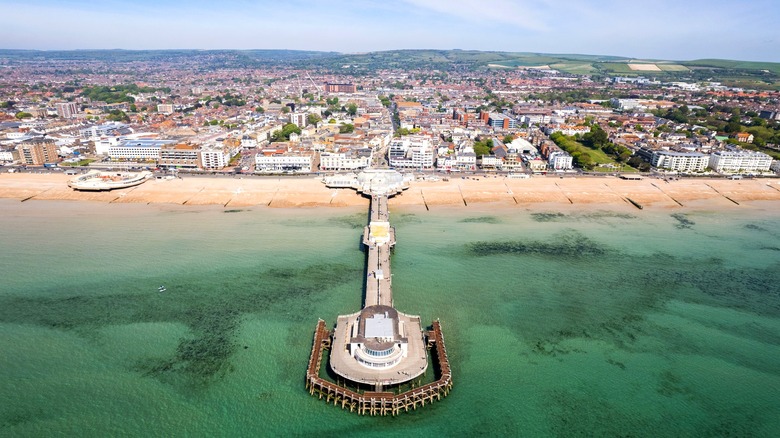
- The Construction of Worthing Pier (1862): As the Victorian era reached its stride, the town solidified its status as a premier resort with the opening of Worthing Pier in 1862. Designed by Sir Robert Rawlinson, the 960-foot structure became the social heart of the town, offering promenade views and fresh sea air to thousands of Victorian holidaymakers.
- The Art Deco Renaissance (1933): Tragedy struck the pier in 1933 when a devastating fire destroyed its original Southern Pavilion. This catastrophe, however, paved the way for architectural reinvention. Famed architect C. H. Wallis rebuilt the pavilion in the avant-garde Art Deco style of the interwar period. This bold aesthetic choice introduced sleek, aerodynamic lines, curved walls, and expansive glass panels that would come to define Worthing’s visual identity, inspiring similar architectural flourishes across the town, including the Connaught Theatre and Onslow Court.
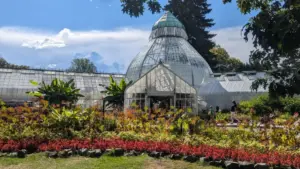
- The Birth of Highdown Gardens (Mid-20th Century): Horticulture history was made on the chalk slopes of Highdown Hill above Worthing, where Sir Frederick and Lady Sybil Stern began cultivating an impossible garden in 1909. Defying conventional botanical wisdom that chalk soil was hostile to many plants, the Sterns spent decades collecting rare seeds and cuttings from around the globe, creating a world-class sanctuary that officially opened to the public later in the century.
- Modern Accolades (2019): Worthing’s enduring charm received national validation when Worthing Pier was officially crowned the UK’s "Pier of the Year" by the National Piers Society in 2019, cementing its place in the modern British cultural landscape.
Supporting Context & Metrics
To fully appreciate the scope of Worthing’s appeal, one must look at the quantitative and qualitative data underpinning its tourism and community infrastructure:
- Demographic Profile: Worthing is home to approximately 110,000 residents, striking a delicate balance between a bustling regional center and an intimate coastal enclave.
- Geographic Reach: The town boasts a continuous stretch of shoreline spanning more than five miles of beaches, transitioning seamlessly from smooth shingle at high tide to expansive, family-friendly sand flats as the English Channel recedes.
- Architectural Heritage: Worthing features over 30,000 historical costume pieces housed within the Worthing Museum & Art Gallery—one of the most extensive textile collections in the entire United Kingdom.
- Botanical Significance: Highdown Gardens spans 8 acres of rare chalk terrain, preserving invaluable genetic material and endangered plant species collected globally over the past century.
- Connectivity Metrics:
- Rail: Less than 90 minutes from London Victoria and London Bridge.
- Air: Approximately 45 minutes to London Gatwick Airport by direct rail or road link.
- Proximity: Situated precisely 1 hour away from Portsmouth to the west and Eastbourne to the east.
Official Statements and Expert Perspectives
Local authorities, historians, and tourism boards have increasingly championed Worthing as a model for sustainable, culturally driven coastal regeneration.
Adur & Worthing Councils Leadership:
Local planning and regeneration representatives have frequently emphasized the importance of preserving the town’s unique architectural heritage while fostering a dynamic modern economy. In statements regarding the ongoing maintenance of the town’s historic assets, municipal spokespeople have noted:
"Worthing’s unique selling point is our refusal to homogenize. By protecting our Art Deco treasures, such as the Southern Pavilion on Worthing Pier and the historic Connaught Theatre, we maintain a tangible link to our past while creating spaces that inspire contemporary artists, entrepreneurs, and visitors."

Horticultural Experts on Highdown Gardens:
Botanists overseeing the preservation of Highdown Gardens have highlighted the scientific importance of the site, particularly in an era of shifting global climates:
"Sir Frederick Stern proved that resilience and adaptation can yield extraordinary beauty. The chalk soils of Highdown present unique challenges, but the plant specimens cultivated here hold genetic blueprints that are increasingly vital for international conservation efforts and botanical research."
Architectural Historians on the Art Deco Movement:
Commentators specializing in 20th-century British architecture frequently point to Worthing as an underrated repository of interwar design:
"While cities like Miami or Napier, New Zealand, dominate conversations about Art Deco, British coastal towns like Worthing absorbed the modernist ethos in fascinating ways. The integration of aerodynamic curves and nautical motifs into structures like Onslow Court and the Pier Pavilion reflects an era utterly infatuated with speed, modernity, and the sea."
Future Outlook
As domestic and international travelers increasingly seek out sustainable, walkable, and culturally rich alternatives to overcrowded global tourist traps, Worthing is exceptionally well-positioned for future growth.
Infrastructure and Sustainable Tourism
The local council has invested heavily in pedestrianizing key zones and enhancing the town’s renowned walkability. With major cultural touchstones—ranging from the Worthing Museum & Art Gallery to the seafront promenade—situated within comfortable walking distances of one another, the town minimizes the carbon footprint typically associated with holiday travel. Furthermore, the reliance on Sussex’s robust public transportation grid allows visitors to explore neighboring gems like Arundel (with its breathtaking medieval castle and wetland trails) and Selsey (famed for its fresh seafood and coastal wildlife) entirely via train or bus, bypassing the need for car rentals.
Cultural Renaissance
Looking ahead, Worthing’s creative sector shows no signs of slowing down. Independent art galleries, boutique cafes, and artisanal eateries continue to open along its palm-tree-lined promenade, drawing a younger demographic of remote workers, creatives, and urban escapees from London. At the same time, meticulous preservation efforts ensure that the town’s Victorian and Art Deco landmarks remain structurally sound and visually captivating for generations to come.
In summary, Worthing is far more than a convenient stopover between Portsmouth and Eastbourne. It is a vibrant, multi-layered coastal destination where Victorian grace meets Art Deco innovation, and where rich historical archives sit side-by-side with world-class horticultural sanctuaries. For travelers willing to look beyond the obvious choices, Worthing offers an authentic, enriching, and unforgettable slice of English coastal life.