






Executive Overview
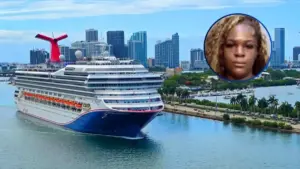
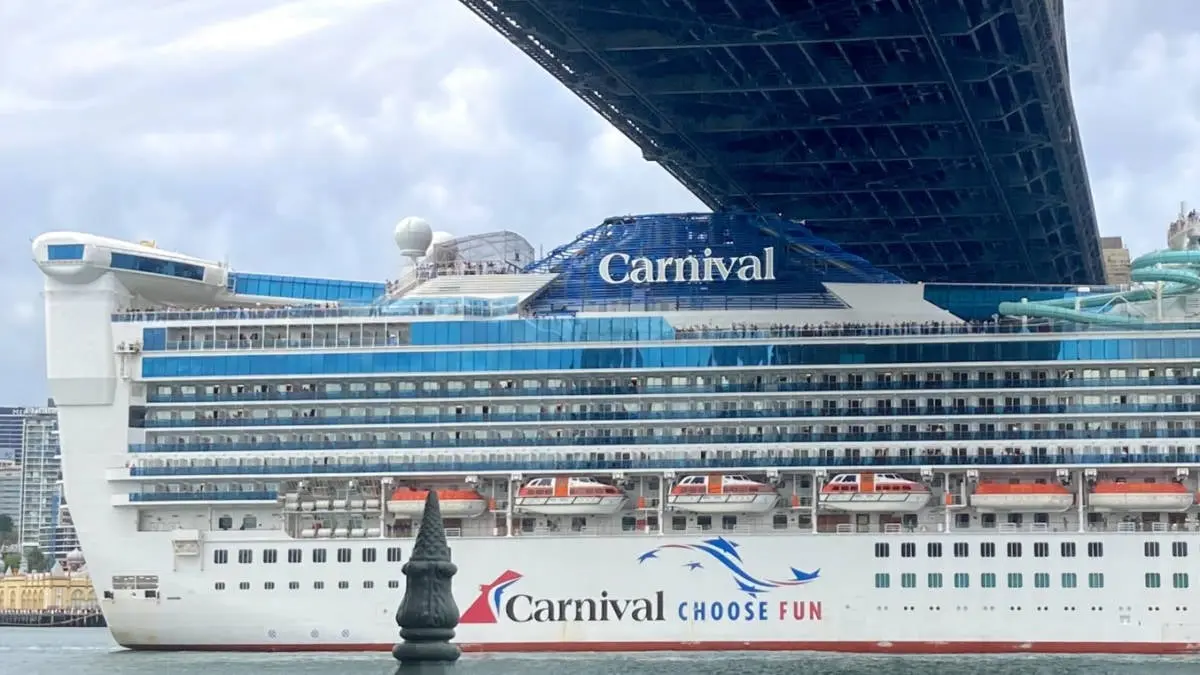
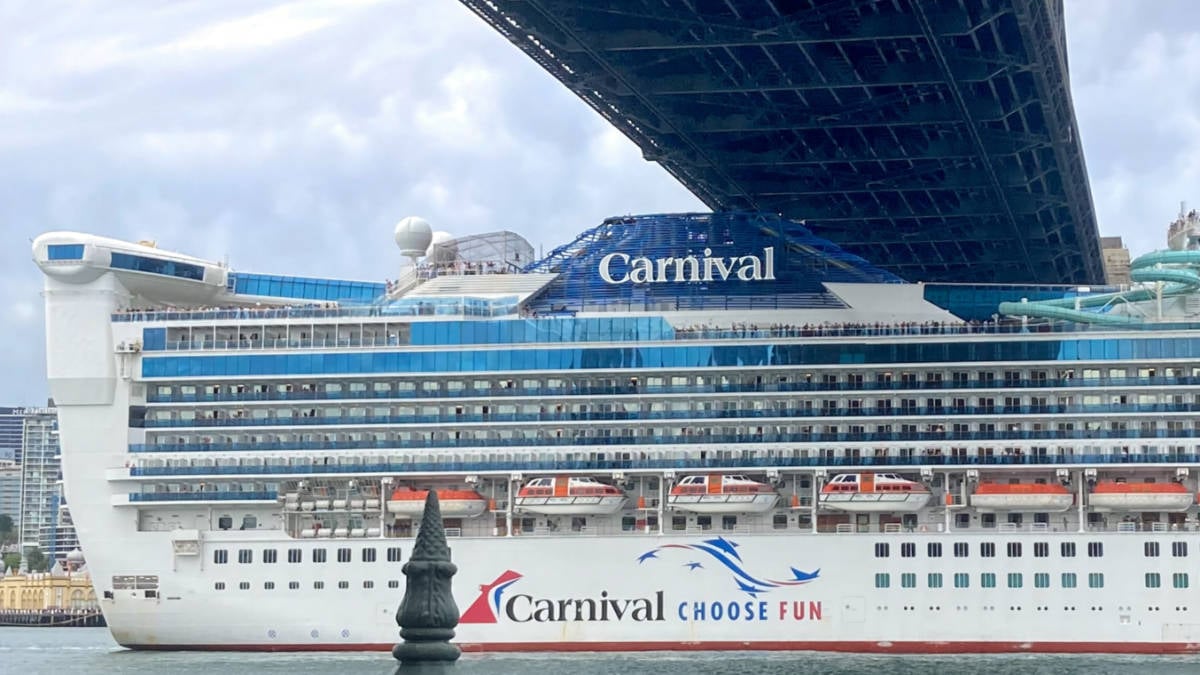
For the second consecutive month, ongoing navigational challenges in Far North Queensland have forced a major itinerary overhaul for passengers sailing aboard the recently upgraded Carnival Encounter. Guests booked on the ship’s upcoming September 26, 2026, departure from Brisbane, Australia, have received official notification that their much-anticipated overnight stay in Cairns has been drastically curtailed.
The 108,865-gross-ton, 2,600-passenger vessel was originally scheduled to enjoy an immersive, two-day overnight call in Cairns as part of a seven-night, round-trip Great Barrier Reef cruise. However, persistent concerns surrounding channel depths and restrictive tidal forecasts have made a prolonged stay unviable. Citing safety protocols, Carnival Cruise Line has eliminated the second day of the Cairns visit, replacing it with an alternative port stop in Townsville and shifting subsequent timeline milestones.
This latest operational disruption highlights the growing complexities cruise operators face when navigating regional Australian ports, where shifting sediment and draft requirements increasingly clash with the scale of modern resort-style cruise ships. For the impacted travelers, the announcement represents a frustrating repeat of history, echoing a similar cancellation that disrupted a Carnival Encounter voyage earlier in September. As cruise tourism continues its post-pandemic boom along the Australian coast, questions are mounting regarding infrastructure capabilities in key regional hubs and how cruise lines will manage guest expectations when environmental and geographical realities force last-minute changes at sea.
Detailed Chronology of the Itinerary Revisions
The itinerary alterations stem from a formal communication sent to booked guests and travel advisors on September 16, 2026. The notification outlines a series of cascading adjustments to the seven-night voyage, which departs Brisbane on September 26.
The Original Schedule
Under its initial deployment plan, the voyage was mapped out to provide a balanced mix of iconic Queensland destinations and scenic cruising:
- September 26: Departure from Brisbane, Australia.
- September 28: Port call at Airlie Beach.
- September 29–30: Overnight port stay in Cairns.
- October 1: Scenic passing and cruising by Willis Island.
- October 3: Return to Brisbane.
The Revised Schedule
Due to the newly imposed constraints, the updated timeline looks significantly different, eliminating the overnight component entirely and introducing a new destination:
- September 26: Departure from Brisbane, Australia (unchanged).
- September 28: Port call at Airlie Beach (unchanged).
- September 29: Arrival in Cairns at 9:30 AM; however, instead of overnighting, the ship will now depart earlier that same evening at 8:00 PM.
- September 30: Port call in Townsville, arriving at 8:00 AM and departing at 4:00 PM (replacing the second day in Cairns).
- October 1: Scenic cruising by Willis Island, adjusted to one hour earlier, from 9:00 AM to 10:00 AM.
- October 3: Return to Brisbane (unchanged).
Carnival Cruise Line has confirmed that departures and arrivals for Brisbane and Airlie Beach remain entirely unaffected. Nevertheless, the sudden compression of the Cairns visit has forced logistical scrambles for both the ship’s operations team and independent travelers.
Guests who pre-booked official shore excursions through Carnival for the second day of the Cairns call (September 30) are being handled on a case-by-case basis. Shore excursions will either be automatically transferred to September 29 where availability permits, or passengers will receive a full, automatic refund to their original form of payment. Furthermore, Carnival has opened pre-booking for Townsville-based shore excursions ahead of the voyage, giving passengers a compressed window to curate alternative land-based activities.
Supporting Context & Metrics: A Troubling Trend for Cairns
The decision to bypass the second day of the Cairns call is far from an isolated incident; rather, it marks the second time within a single month that Carnival Encounter has been forced to alter its relationship with the prominent North Queensland port.
Just weeks prior, a similar fate befell the September 5, 2026 departure—a six-night round-trip cruise from Brisbane that was originally designed to feature Willis Island, Cairns, and Airlie Beach. On that voyage, low channel depths and unfavorable tidal conditions presented an absolute barrier, completely preventing the ship from accessing the port of Cairns on September 8. To salvage the cruise, Carnival was forced to reshuffle the schedule dynamically, pulling forward the Airlie Beach call and hastily inserting a port visit to Townsville on September 9.
Understanding the Channel Depth Dilemma
At the heart of these disruptions lies the physical geography of Trinity Inlet and the shipping channels leading into Cairns. As cruise vessels grow in physical dimensions and draft requirements, navigating shallow, constrained coastal waterways demands meticulous precision. Cruise lines operate under strict safety margins, factoring in:
- Draft and Keel Clearance: Ensuring a safe buffer of water remains beneath the ship’s keel at all tidal stages.
- Tidal Windows: Restricting arrivals and departures to high-water periods when channels are deep enough to accommodate the vessel safely.
- Siltation and Weather Events: Seasonal weather patterns, heavy rainfall, and upstream runoff can accelerate silt accumulation in regional ports, narrowing operational windows unexpectedly.
Because Carnival Encounter is scheduled to return to Cairns regularly—with the next call currently slated for October 28, 2026, during a six-night Great Barrier Reef itinerary departing Brisbane on October 25—maritime authorities and cruise executives are under pressure to closely monitor bathymetric surveys. While no changes have been announced for the late October voyage, the recurring nature of these September adjustments demonstrates just how fragile maritime logistics can be in regions undergoing environmental and infrastructural strain.
Official Statements and Industry Impact
Cruise lines are inherently bound by the doctrine of maritime safety, a principle that frequently supersedes commercial itineraries and passenger desires. In the official notice dispatched to guests on September 16, the rationale was laid out plainly:
"Current channel depths and forecasted tidal levels are expected to affect the ship’s ability to safely depart Cairns at the originally scheduled time Wednesday, 30 September," the advisory explained.
While the explanation is rooted in sound navigation practices, the recurring disruptions present a unique public relations challenge for Carnival Cruise Line, particularly within the Australian market where the company maintains a robust year-round presence.
Carnival Encounter is a cornerstone of Carnival’s down-under deployment. Operating out of its year-round homeport in Brisbane, the ship offers an array of short and extended itineraries ranging from three to fourteen nights, stretching across the Australian coastline and deep into the South Pacific. These deployments are integral to Carnival’s broader strategic vision, which sees the cruise line expanding its footprint in Australia and New Zealand through 2027 and 2028.
However, repeated itinerary alterations risk testing the patience of loyal cruisers. Regional ports like Cairns rely heavily on the economic influx of thousands of cruise passengers per week. When ships are forced to cancel overnight stays or bypass ports entirely, local tour operators, restaurants, and retail vendors experience a direct financial impact. Conversely, alternative ports like Townsville benefit from the sudden influx of diverted ships, highlighting a zero-sum economic balancing act along the Queensland coast.
Future Outlook: Navigating the Road Ahead
As the broader cruise industry continues to evolve in the South Pacific, the situation surrounding Carnival Encounter offers a window into the future of regional cruise operations.
Infrastructure and Dredging Demands
The root cause of these disruptions—channel depth limitations—is fundamentally an infrastructure challenge. For major regional tourism hubs like Cairns to maintain their competitive edge as premier cruise destinations, port authorities and local governments may need to accelerate maintenance dredging programs and channel-widening initiatives. Without proactive infrastructure upgrades, modern cruise ships will increasingly find themselves constrained by the very waterways they seek to visit.
Guest Adaptation and Contingency Planning
For travelers eyeing Great Barrier Reef sailings, these events serve as a timely reminder of the fine print inherent in cruise contracts. Cruise lines retain the legal and operational right to alter itineraries in the interest of safety, weather, or navigational hazards. Moving forward, seasoned cruisers on Australian itineraries are likely to embrace a higher degree of flexibility, understanding that port stops are subject to the whims of the tides and the limitations of local channels.
For now, Carnival Encounter remains poised to embark on its September 26 voyage. While guests will undoubtedly miss out on the extended immersion of a two-night Cairns stay, the inclusion of Townsville and the adjustment to Willis Island scenic cruising ensure that the voyage will remain a feature-rich exploration of one of the world’s most breathtaking marine environments. Carnival Cruise Line, meanwhile, will be watching the hydrographic charts closely, hoping that future sailings can proceed without the disruptions that have marked the month of September.