




Executive Overview
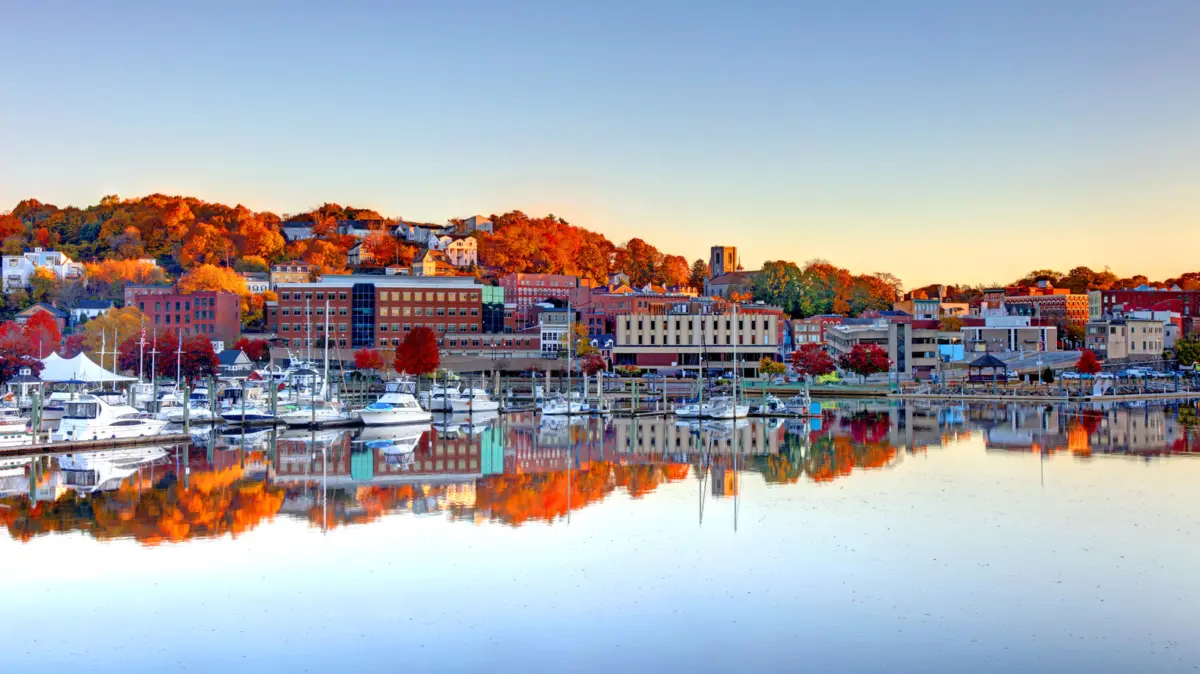
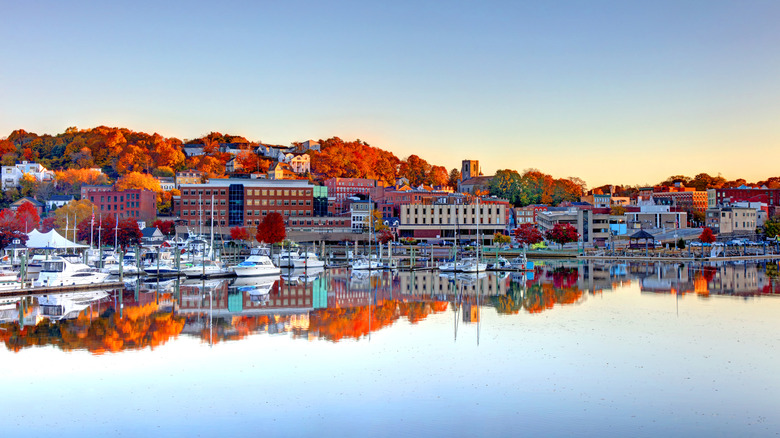
Nestled at the dramatic confluence of the Yantic, Shetucket, and Thames rivers, Norwich, Connecticut, stands as a premier testament to the enduring appeal of New England heritage blended with contemporary urban revitalization. Home to approximately 40,000 residents, this historic river city—widely celebrated by its evocative moniker, the "Rose of New England"—is undergoing a quiet renaissance. Far beyond its picturesque waterways and rolling green hills, Norwich offers an intricate tapestry of pre-colonial history, Revolutionary War legacy, architectural marvels, and an increasingly sophisticated culinary and retail landscape.
As travelers increasingly seek authentic, walkable domestic destinations that eschew the frantic pace of major metropolises, Norwich presents an ideal synthesis of outdoor recreation, cultural preservation, and culinary innovation. From the newly opened Uncas Leap Heritage Park to the meticulously preserved 18th-century buildings of its four National Register historic districts, the city bridges centuries of American history with a forward-thinking, diverse community identity. This comprehensive overview examines the geographic foundations, socio-economic trajectory, culinary renaissance, and historical framework that define Norwich today.
Detailed Chronology: From Mohegan Roots to a Modern River City
To truly understand Norwich, one must trace its evolution from a vital Indigenous territory to an industrial powerhouse, and finally into a cultural tourism destination.
- 1659 (The Foundation): English settlers, spearheaded by Major John Mason and the Reverend James Fitch, negotiated the purchase of a substantial tract of land from Uncas, the sachem of the Mohegan Tribe. The nascent community initially established its roots around what is now known as Norwichtown, utilizing the fertile upland terrain and immediate access to freshwater resources for agrarian survival.
- The Revolutionary Era (1775–1783): As the American colonies plunged into war with Great Britain, Norwich occupied a position of strategic and political significance. The city contributed prominent military and political leaders to the Continental cause. Jedidiah Huntington served as a close aide-de-camp to General George Washington, while his cousin, Samuel Huntington, played a pivotal role in the Continental Congress and signed the Declaration of Independence. Conversely, Norwich also birthed one of the nation’s most notorious figures: Benedict Arnold spent his formative years here before his eventual betrayal of the continental forces.
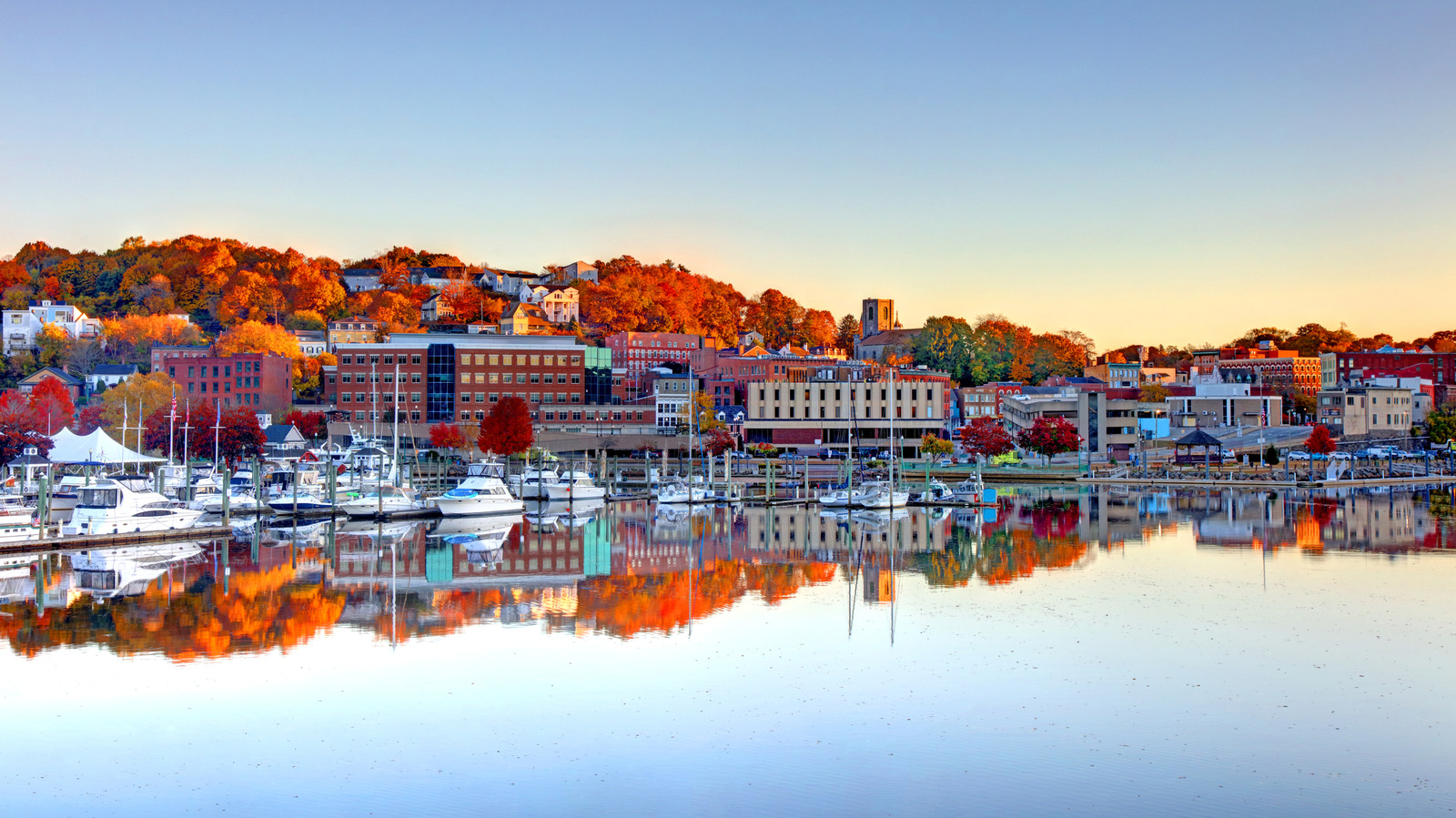
- The 19th Century (Industrialization): Capitalizing on the immense hydraulic power supplied by its convergence of rivers, Norwich transformed rapidly from an agrarian outpost into a bustling manufacturing hub. Mills, textile plants, and metalworks lined the waterways. This economic boom shifted the city’s commercial epicenter away from Norwichtown down toward the Chelsea Landing area along the Thames River waterfront.
- The 1859 Bicentennial (Naming the "Rose"): During the city’s 200th-anniversary celebrations, committee chairman James Lloyd Greene metaphorically likened the municipality to a blooming rose, prompting colleague Edward T. Clapp to cement the identity by declaring, "Norwich is the rose of New England." Prominently displayed on celebratory arches, the nickname stuck, eventually eclipsing the city’s earlier industrial monikers.
- 2024 (Modern Heritage Expansion): Marking a major milestone in cultural tourism and historical preservation, the city officially opened Uncas Leap Heritage Park. This revitalization project reclaimed a vital piece of Mohegan and colonial history, introducing visitors to dramatic river gorges, historic mill ruins, and interpretive spaces that honor the deep indigenous roots of the region.
Supporting Context & Metrics
Evaluating Norwich requires looking at both its physical infrastructure and the metrics that drive its growing tourism and residential appeal.
Geographic and Transit Infrastructure
- Waterway Convergence: Norwich sits at the absolute head of the 15-mile Thames River shipping channel, formed where the State of Connecticut Greenway-designated Yantic River meets the Shetucket River. This marine corridor historically connected inland manufacturing directly to the Long Island Sound and the Atlantic Ocean.
- Aviation Access: For private aviation, business travelers, and regional tourists, Groton-New London Airport—established in 1929 as Connecticut’s first state-designated airport—lies approximately 16 road miles south of downtown Norwich. Commercial airline travelers typically utilize the Theodore Francis Green Memorial State Airport in nearby Rhode Island, located roughly a one-hour drive east.
Green Spaces and Recreation Metrics
- Mohegan Park: Serving as the city’s largest municipal green space, Mohegan Park features extensive networks for hiking, biking, swimming, and family gatherings.
- Norwich Rose Garden: Situated within Mohegan Park, this sprawling two-acre botanical showcase features more than 2,000 individual rose bushes spanning 120 distinct horticultural varieties, attracting botanists, photographers, and casual visitors alike.
Architectural Preservation and Historic Districts
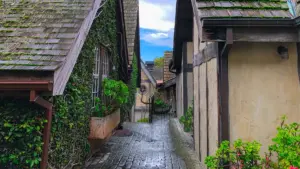
Few municipalities in the United States boast the architectural density found within Norwich’s municipal borders. The city contains four distinct districts listed on the National Register of Historic Places: Norwichtown, Little Plain, Chelsea Parade, and Downtown Norwich.
The Downtown Norwich district alone spans 64 acres, serving as an open-air museum of American structural design. Visitors walking through the urban core can observe striking examples of:
- Greek Revival: Characterized by monumental porticos and classical symmetry.
- Italianate: Featuring low-pitched roofs, tall arched windows, and decorative brackets.
- French Second Empire: Noted for their distinct mansard roofs and ornate dormers.
- High Victorian Gothic: Exhibiting polychromatic brickwork, pointed arches, and dramatic verticality.
This architectural wealth is complemented by premier cultural institutions. The Leffingwell House Museum—evolving from a modest 1675 two-room dwelling into a Revolutionary-era tavern and later the townhouse of patriot Christopher Leffingwell—serves as a primary archive of early American daily life. Nearby, the Joseph Carpenter Silversmith Shop (completed in 1774) stands largely unaltered, offering an authentic glimpse into pre-industrial craftsmanship. Furthermore, the Slater Memorial Museum provides visitors with an extensive collection of fine and decorative arts, while the Norwich Historical Society preserves more than 1,600 artifacts cataloging over a century and a half of local heritage.
Culinary Innovation and Local Retail
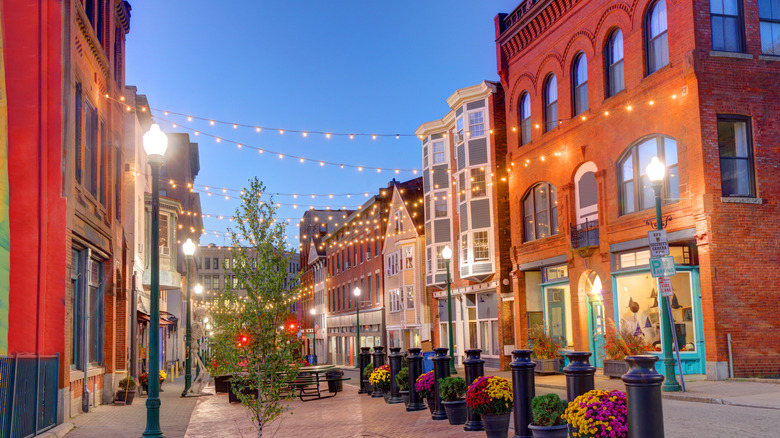
While historical preservation anchors the city’s past, Norwich’s contemporary culinary and retail landscape drives its present-day vitality. Downtown Norwich has emerged as a surprisingly diverse gastronomic hub, defying the homogenization often found in suburban commercial corridors.
The Food Scene
- Seafood Staples: Reflecting Connecticut’s coastal heritage, establishments like Johnny’s Clam Shack serve regional favorites, ranging from traditional fried clams to innovative dishes like calamari tacos and crab bites.
- Italian-American Comfort: La Stella Pizzeria anchors the local comfort-food scene, maintaining a stellar 4.6-out-of-5-star rating on Google Reviews for scratch-made pastas and specialty artisanal pizzas.
- Global Flavors: Canggio Restaurant/Bar introduces modern Peruvian cuisine with distinct Nikkei (Japanese-Peruvian fusion) influences, offering weekend brunches and sophisticated dinner menus. Meanwhile, Traviezocafe provides fully loaded burritos suited for travelers on the go.
- Craft Brewing and Coffee: Located along the waterfront in a rustic, industrial-chic space, These Guys Brewing at American Wharf marries regionally crafted beers with farm-to-table dining, earning high praise on platforms like OpenTable. For daytime visitors, Cream Coffee offers artisanal hot and cold brews in an intimate, welcoming setting.
Independent Retail
Rejecting sprawling, cookie-cutter shopping malls, downtown Norwich thrives on independent boutiques and specialty shops. The Briar Patch on Franklin Street offers carefully curated gifts and home decor. Nearby, Small Potatoes highlights handcrafted goods produced by regional and national artisans. Adding to the literary culture, the newly opened Tudor Rose bookstore provides a robust selection of titles for bibliophiles exploring the historic core.
Future Outlook
As Norwich looks toward the coming decades, city planners, historical preservationists, and local business owners are aligning to ensure sustainable growth without sacrificing the historic character that defines the "Rose of New England."
Key initiatives focus on expanding pedestrian connectivity along the riverfront, enhancing greenway access between Mohegan Park and the newly minted Uncas Leap Heritage Park, and encouraging adaptive reuse of the city’s historic industrial brick structures into mixed-use residential and commercial spaces. By leaning into its unique geographic assets, celebrating its deep Indigenous and colonial heritage, and fostering a vibrant culinary ecosystem, Norwich is poised to solidify its reputation not merely as a quaint day-trip destination, but as a model for sustainable, heritage-driven urban revival in modern New England.