







Executive Overview
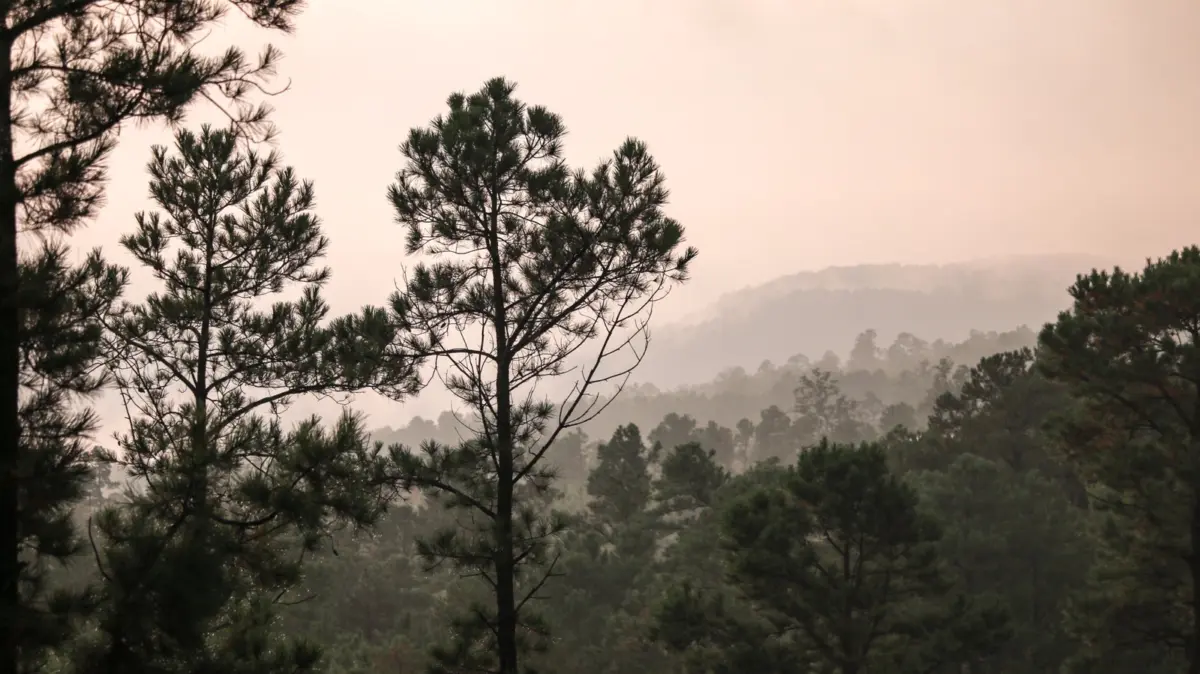
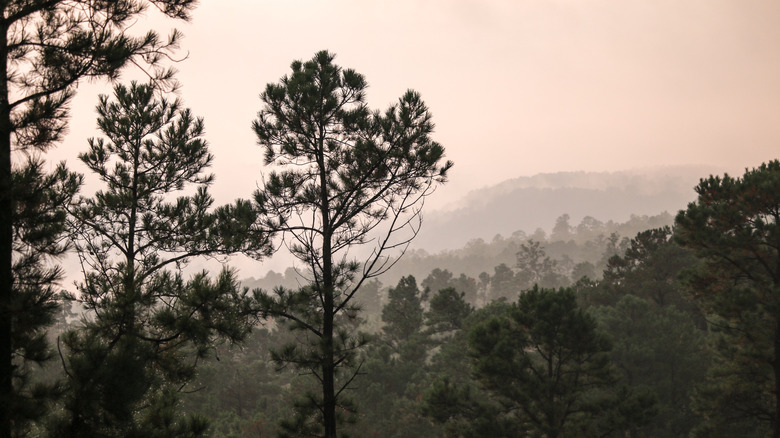
Just a brief 30-minute drive southeast of downtown Atlanta lies a pristine expanse of dense forests, open meadows, serene waterways, and a geological marvel left completely untouched by industrial hands. Panola Mountain State Park, an 1,815-acre protected sanctuary situated primarily in Rockdale County, stands in stark contrast to the rapid urban sprawl surrounding Georgia’s capital. While Atlanta proudly bears the moniker "City in a Forest" due to a robust urban tree canopy covering nearly half of its metropolitan area, Panola Mountain offers residents and travelers an authentic immersion into the wild, undisturbed ecosystems of the Southern Piedmont.
Unlike neighboring granite outcrops such as Arabia Mountain—which was heavily altered by historic commercial quarrying operations—Panola Mountain remains an immaculate, pristine monadnock. This massive granite dome serves as a living laboratory and an oasis for rare, delicate flora, including endemic mosses and resurrection ferns that thrive in the harsh microclimate of the exposed rock.
Beyond its geological significance, the park has evolved into a premier multi-recreational hub. It boasts 35 acres of scenic lakes, miles of multi-use paved and unpaved trails seamlessly integrated into the regional PATH Foundation network, primitive backcountry camping, and specialized outdoor programming ranging from archery instruction to ranger-led ecological hikes. Holding an impressive 4.6-star rating across thousands of visitor reviews, Panola Mountain State Park operates year-round, serving as a vital ecological corridor, a historical tapestry, and a premier destination for day-trippers and outdoor enthusiasts alike.

Detailed Chronology: From Ancient Monadnock to Modern Protected State Park
The history of Panola Mountain and the surrounding landscape is deeply layered, reflecting thousands of years of human interaction, ecological adaptation, and conservation triumph.
Pre-Columbian Era and Early Settlement
Long before European settlers arrived in the region, the Piedmont area surrounding the South River and the granite monolith of Panola Mountain was inhabited by indigenous peoples who relied on the rich biodiversity of the forests and waterways for sustenance and trade. As European settlers pushed into Georgia’s interior, the landscape began to transform.
The Era of Industry and Labor
Over the subsequent centuries, the land footprint that now constitutes the state park witnessed a diverse cast of human inhabitants. According to the Georgia Department of Natural Resources, the area has served as home to early agrarian settlers, immigrant rock cutters who recognized the potential of the region’s stone, freed slaves establishing new lives during the Reconstruction era, and even Trappist monks who sought solitude within the secluded woods. Despite these successive waves of human presence—and unlike many other regional granite deposits that fell victim to industrial extraction during the post-Civil War building booms—Panola Mountain itself miraculously escaped heavy commercial quarrying, preserving its fragile ecological integrity.
Establishment as a State Park (1974)
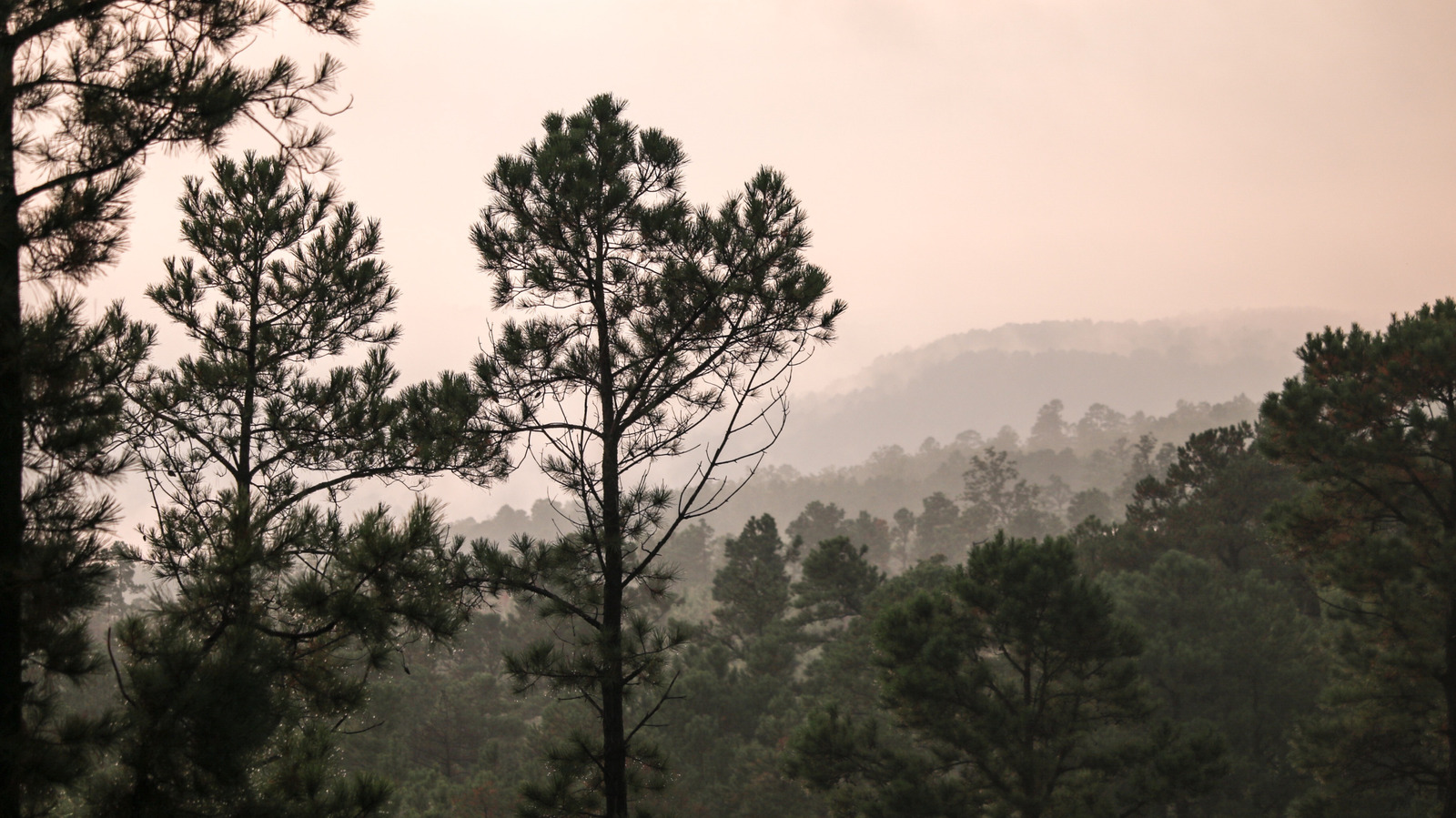
Recognizing the irreplaceable ecological and geological value of the granite outcrop and its surrounding habitats, the State of Georgia officially acquired the land, establishing Panola Mountain State Park in 1974. The designation aimed to protect the rare and fragile granite flatrock communities from development while providing controlled public access for education and low-impact recreation. Over the following decades, park management focused heavily on conservation, limiting unfettered access to the sensitive mountain summit to protect endangered plant species while opening up surrounding buffer lands for community recreation, including the eventual development of the Alexander Lake recreational areas and multi-use paved pathways.

Supporting Context & Metrics: Geography, Ecology, and Infrastructure
To fully appreciate the scope and operational framework of Panola Mountain State Park, it is essential to examine its physical dimensions, ecological classification, and recreational infrastructure.
Geographical and Ecological Metrics
- Total Acreage: 1,815 acres of protected forests, wetlands, granite outcrops, and lakes.
- Proximity to Atlanta: Approximately 30 minutes southeast of the downtown metropolitan core, making it an accessible urban escape.
- Public Ratings: Maintains a highly favorable 4.6-star aggregate rating across more than 2,000 user reviews on Google Maps.
- Operating Hours: Open year-round, daily from 7:00 a.m. to sunset, requiring a modest daily parking or annual park pass fee.
Waterways and Aquatic Recreation
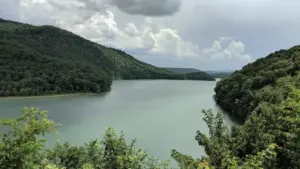
The park’s aquatic ecosystem centers on Upper Alexander Lake and Lower Alexander Lake. Combined, these two contiguous water bodies cover approximately 35 acres and are framed by dense, mature hardwood and pine forests.
- Fishing: The lakes are well-stocked with regional sport fish, prominently including largemouth bass and bream. Anglers must adhere strictly to Georgia Department of Natural Resources (DNR) fishing regulations and licensing requirements. While Upper Alexander Lake provides extensive bank-fishing access points, Lower Alexander Lake is optimized for non-motorized watercraft, requiring visitors to bring their own canoes or kayaks. Motorized watercraft are strictly prohibited to preserve the tranquility of the habitat.
- Trail Integration: The Alexander Lake Loop offers a 1.8-mile paved, multi-use path that hugs the shoreline. This path features sturdy wooden boardwalk sections over sensitive wetland areas, numerous resting benches, and exceptional wildlife-viewing opportunities for water fowl, wading birds, and basking turtles.
Cycling, Hiking, and Specialized Recreation
- PATH Foundation Trails: Panola Mountain features 7 miles of smooth, paved trails within its boundaries, which connect directly into a broader regional network of 35 miles managed by the PATH Foundation. This makes the park a favored destination for road cyclists, fitness walkers, and runners.
- The Summit Hike: The crowning physical feature of the park—Panola Mountain itself—is accessible only via ranger-led guided hikes to safeguard the delicate granite flatrock ecosystems. These hikes cover approximately 3 miles of rugged terrain. They are particularly popular in September during the annual Daisy Days Hiking Challenge, which coincides with the brilliant yellow bloom of rare regional daisies across the rock outcrops.
- Archery and Programs: The park features a dedicated archery range hosting instructional clinics. Additionally, park rangers regularly conduct educational programming focused on local entomology, bird watching, and forest ecology.
Primitive Camping Infrastructure
For visitors looking to extend their stay, Panola Mountain offers a unique backcountry camping experience rather than traditional drive-up or RV hookup sites:
- The Pioneer Campground: Located approximately 0.75 miles from the parking area, this primitive group campground requires a hike-in approach.
- Amenities: The site includes a cluster of level tent pads, picnic tables, metal fire rings, outdoor grills, and a wooden outhouse facility housing a pit toilet. The campground overlooks a serene, shaded pond.
- Capacity and Booking: The area accommodates up to 40 overnight guests (and is dog-friendly). To maintain privacy and manage backcountry traffic, the entire campground must be reserved as a single unit, priced affordably at approximately $125 per night, making it an attractive option for family reunions, scouting groups, or clubs via the ReserveAmerica portal.
Official Perspectives and Operational Guidelines
Management and conservation authorities emphasize a delicate balance between public recreational access and rigorous environmental stewardship. Representatives from the Georgia Department of Natural Resources (DNR) frequently underscore that Panola Mountain’s primary directive is the preservation of its fragile natural communities.
Because granite flatrocks host rare, specialized plant species that can take decades to recover from human trampling, access to the mountain summit remains strictly restricted to scheduled, ranger-guided tours. Park superintendents note that this controlled approach has successfully prevented the ecological degradation seen in other unprotected natural areas near growing urban centers.
Furthermore, local park management actively coordinates with regional conservation groups, such as the PATH Foundation and Trees Atlanta, to ensure that surrounding infrastructure enhancements do not disrupt local wildlife migration corridors. Visitors are routinely reminded by park officials to adhere to "Leave No Trace" principles, particularly regarding the primitive camping zones and sensitive aquatic margins of the Alexander Lakes. Park rangers also issue regular safety advisories during peak summer months, urging outdoor recreationists to stay hydrated, utilize shaded trail segments during high-heat advisories, and pack light when utilizing the hike-in primitive campgrounds to avoid physical exhaustion.
Future Outlook: Preservation, Regional Integration, and Community Engagement
As the Atlanta metropolitan area continues to expand at a rapid pace, the strategic importance of green spaces like Panola Mountain State Park cannot be overstated. Looking toward the future, park planners and regional conservationists are focusing on several key initiatives to enhance the park’s longevity and community value:
1. Expanded Ecological Monitoring and Restoration
With climate shifts and increasing visitor volumes putting pressure on local ecosystems, future park management strategies involve closer collaboration with botanical researchers. Ongoing monitoring programs will track the health of endemic granite outcrop plant communities, ensuring that invasive species are aggressively managed before they can displace native flora.
2. Regional Trail Connectivity
The continued expansion of the PATH Foundation network points toward even greater integration between Panola Mountain and neighboring green spaces, including Davidson-Arabia Mountain Nature Preserve and the South River trail systems. Future infrastructure projects aim to provide seamless, car-free transit corridors linking urban communities directly into these expansive natural sanctuaries, promoting active lifestyles and alternative transportation options.
3. Enhanced Educational and Youth Programming
Recognizing the need to foster environmental stewardship in younger generations, park leadership is expanding outdoor education initiatives. Plans include broader community outreach, school-group field trips focusing on watershed protection and geology, and upgraded interactive exhibits at the park’s visitor center.
4. Balancing Access and Preservation
The core challenge for Panola Mountain State Park in the coming decades will be accommodating rising public demand for outdoor recreation while fiercely protecting its untouched landscapes. By maintaining strict protocols on sensitive areas like the granite dome and encouraging low-impact activities—such as kayaking, catch-and-release fishing, cycling, and guided nature hikes—Panola Mountain State Park is well-positioned to remain an invaluable natural refuge for generations of Georgians to come.