







Executive Overview
Tucked away in the sun-drenched azure waters of the Lesser Antilles, just south of mainland Guadeloupe, lies an archipelago that feels preserved in a golden era of unhurried Mediterranean-meets-Caribbean travel: Les Saintes. At the beating heart of this volcanic cluster is Terre-de-Haut, an island celebrated for its dramatic topography, seafaring heritage, and an intoxicating blend of French sophistication and laid-back island rhythms.
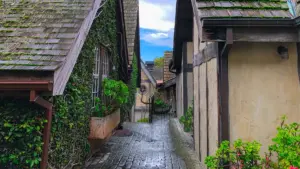
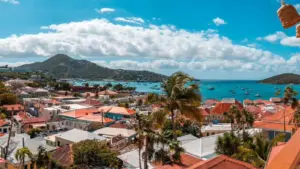
Within this paradisiacal setting sits Le Bourg, the island’s principal village. Far removed from the mega-resorts, sprawling golf courses, and bustling commercial strips that define mass tourism in other corners of the Caribbean, Le Bourg presents an intimate, pedestrian-friendly tapestry of red-roofed Creole houses, narrow winding streets, vibrant street life, and a world-class harbor.
For discerning travelers seeking authenticity, Le Bourg offers an extraordinary quadrumvirate of travel pleasures: a stunning, boat-filled harbor that greets arrivals like a maritime painting; an exceptional culinary scene pairing fresh catches with French culinary techniques and local rum; pristine, secluded beaches just minutes beyond the town limits; and the historical majesty of Fort Napoléon, which stands sentinel on the hill above.
This comprehensive journalistic report examines why Le Bourg remains one of the most compelling hidden gems in the French-Caribbean. Through a detailed exploration of its geography, accommodations, local culture, and strategic travel logistics, we reveal why a fleeting day trip scarcely does justice to a destination designed to be savored over several unhurried days.
Detailed Chronology & Evolution: From Strategic Outpost to Modern Haven
The Historical Tapestry of Les Saintes
To truly appreciate the charm of Le Bourg, one must understand the unique geostrategic history that shaped Terre-de-Haut. Long before it became a sanctuary for travelers seeking peace and quiet, Les Saintes was coveted by European colonial powers for its deep-water harbor and commanding views of the Caribbean shipping lanes.
- The 17th and 18th Centuries: The islands frequently changed hands between the British and the French. The waters surrounding Les Saintes were the site of the legendary Battle of the Saintes in 1782, where the British Royal Navy under Admiral George Rodney decisively defeated the French fleet commanded by the Comte de Grasse.
- The 19th Century (Fortification): Recognizing the vulnerability of the high ground overlooking the harbor, French forces constructed Fort Napoléon in the mid-1800s on the ruins of an earlier British fortification named Fort Louis. Though it never saw heavy combat, the fort served as a strategic military outpost and, later, a prison.
- The 20th Century to Present: As military priorities shifted, Terre-de-Haut transitioned into a peaceful community dominated by fishing and boat-building. Le Bourg evolved organically around the sheltered curve of the bay. Unlike modern master-planned resort towns, Le Bourg grew outward from the shoreline, ensuring that community life, fishing docks, and commerce remained tightly interwoven.
The Modern Renaissance of Slow Travel
In recent decades, while neighboring islands embraced large-scale commercial tourism, Terre-de-Haut and its capital village made a collective, unspoken choice to preserve their architectural and cultural integrity. Modern planning regulations have protected the low-rise, red-roofed aesthetic of Le Bourg. Automobiles are largely replaced by eco-friendly scooters, bicycles, and golf carts, keeping the atmosphere remarkably serene. Today, Le Bourg stands as a masterclass in sustainable, community-centered destination management, proving that modern travelers increasingly crave authenticity over artificial luxury.
Supporting Context & Metrics: Anatomy of a Hidden Gem
To quantify the appeal of Le Bourg and Terre-de-Haut, travel analysts and tourism boards point to several distinct geographic and infrastructural metrics that define the visitor experience.
1. The Harbor Gateway: Arrival Dynamics
Most visitors reach Terre-de-Haut via high-speed passenger ferries operating out of Trois-Rivières on Guadeloupe’s rugged Basse-Terre island.
- Transit Duration: Approximately 20 to 30 minutes across the channel.
- Visual Impact: The ferry approach offers one of the rare arrivals in global travel where the entire destination unfurls before you. The bay opens like an amphitheater, with Le Bourg’s crimson roofs cascading down to the water’s edge against a backdrop of emerald hills.
- Accessibility: Upon stepping off the ferry dock, visitors are immediately immersed in the village center—no lengthy airport transfers or highway commutes required.
2. Compact Geography and Walkability
The island of Terre-de-Haut spans just a few square miles, making Le Bourg an ideal base camp.
- Zero-Commute Lifestyle: Travelers can enjoy an artisanal French-Caribbean breakfast in the village, take a 15-minute stroll or scooter ride to a secluded beach, explore historical ramparts by midday, and return to the harbor for a candlelit seafood dinner—all without ever feeling the fatigue of transit.
- Demographic & Cultural Balance: While daytime ferry arrivals bring a healthy influx of day-trippers from mainland Guadeloupe, the true magic of Le Bourg emerges in the late afternoon. Once the last ferries depart, the village reverts to a peaceful, intimate enclave where locals gather in the squares and restaurants hum with conversational French and Creole.
3. Key Geographic Landmarks Near Le Bourg
| Landmark | Distance / Accessibility from Le Bourg | Defining Characteristic |
|---|---|---|
| Pain de Sucre | 5-10 minutes by scooter or a scenic coastal walk | Signature crescent beach nestled beneath a dramatic volcanic sugarloaf hill with world-class snorkeling. |
| Fort Napoléon | 20-30 minute uphill hike or short drive | Historical museum and panoramic viewpoint offering 360-degree vistas of the Saintes archipelago. |
| Plage de Pompierre | 10 minutes across the island | A sweeping, palm-shaded coconut grove beach protected by a coral reef, ideal for families and relaxation. |
| LoBleu Hotel | Immediate outskirts of Le Bourg | An intimate, 11-room beachfront boutique property capturing old-school French-Caribbean charm. |
| Hotel Bois Joli | Short hillside drive overlooking the bay | A legendary, secluded hillside retreat known for breathtaking sunset views over the archipelago. |
Culinary Heritage: The Taste of Le Bourg
No examination of Le Bourg is complete without analyzing its distinct culinary identity. The gastronomy here is a seamless marriage of French culinary precision and vibrant Caribbean spice—a reflection of the island’s unique cultural heritage.
The Franco-Creole Fusion
Walking the narrow lanes of Le Bourg, visitors are greeted by the unmistakable aroma of freshly baked baguettes, croissants, and pain au chocolat drifting from local boulangeries, sitting mere steps away from open-air kitchens frying up piping-hot accras (cod fritters).
Essential Culinary Rituals
- The Ti’ Punch Tradition: No afternoon in Le Bourg is complete without partaking in the local ritual of a ti’ punch—white agricultural rum (rhum agricole) poured over ice with a squeeze of fresh lime and a dash of cane syrup. It is a potent, refreshing introduction to island life.
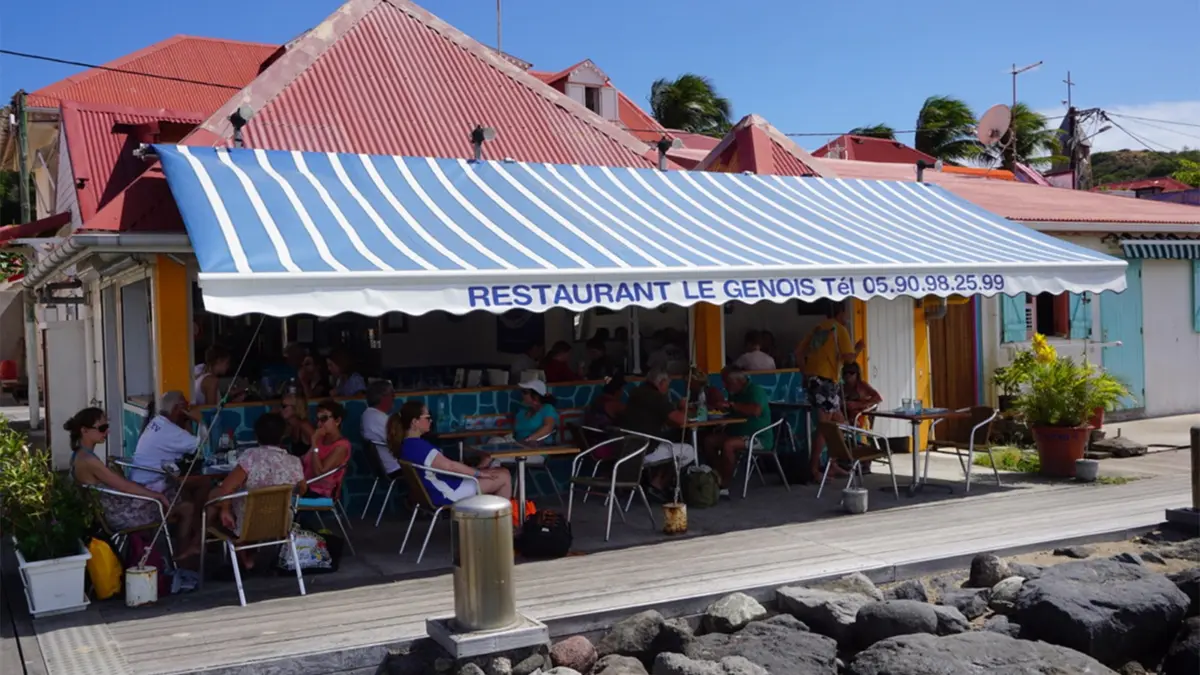
- Seafood Direct from the Source: Because fishing remains a vital local industry, waterfront restaurants serve catches that went from the boat to the kitchen hours prior. Red snapper, mahi-mahi, and spiny lobster feature prominently on chalkboard menus.
- Bistro Culture on the Water: Dining in Le Bourg ranges from casual beachside shacks serving grilled fish to sophisticated bistros where patrons can enjoy fine French wines paired with locally inspired tropical reductions.
Future Outlook: Preservation vs. Sustainable Growth
As global tourism rebounds and travelers increasingly seek out lesser-known destinations, Terre-de-Haut and its central village of Le Bourg face the delicate challenge of balancing economic opportunity with environmental and cultural preservation.
Sustainable Tourism Initiatives
Local authorities and community leaders have prioritized low-impact tourism over aggressive commercial expansion. Key initiatives moving forward include:
- Car-Free Mobility Encouragement: Continued promotion of electric scooters, bicycles, and walking paths to minimize carbon emissions and noise pollution within Le Bourg’s narrow corridors.
- Water and Resource Management: Given the island’s geographic isolation, sustainable management of freshwater supplies and waste reduction remain critical focal points for local hoteliers and restaurateurs.
- Architectural Conservation: Strict zoning laws ensure that new developments respect the historic vernacular—maintaining the low-rise timber and stone profiles that define the village’s timeless aesthetic.
The Traveler’s Role in the Future of Le Bourg
Experts emphasize that the long-term preservation of Le Bourg relies heavily on the behavior of visiting tourists. Choosing overnight stays over brief day-tripping significantly enhances the local economy while distributing visitor density more evenly. By supporting family-run hotels like LoBleu and Hotel Bois Joli, dining at local bistros, and respecting the quiet pace of village life, travelers become active participants in safeguarding one of the Caribbean’s last true sanctuaries.
Conclusion
Le Bourg on Terre-de-Haut is more than a geographic waypoint; it is an emotional and sensory experience. From the initial breathtaking ferry approach into its horseshoe-shaped harbor to the quiet evenings spent listening to the waves lap against the shore after the crowds have vanished, this tiny French-Caribbean village defies the homogenizing forces of modern tourism.
For those willing to venture slightly off the beaten path, Le Bourg offers an unforgettable reward: a place where history, stunning natural geography, exceptional cuisine, and warm island hospitality converge into something approaching absolute perfection. It remains, firmly and rightfully, one of the great hidden treasures of the Caribbean—a destination that not only invites return visits, but quietly demands them.