






Executive Overview
Oklahoma boasts a unique geographical footprint, defined largely by human engineering rather than natural topography. With more artificial lakes than any other state in the United States—surpassing 200 bodies of water—the Sooner State owes its expansive aquatic recreation landscape to a mid-20th-century imperative for flood control, hydroelectric power generation, and reliable municipal water supplies. Among these engineered masterpieces is Hulah Lake, a picturesque aquatic sanctuary tucked into the rolling contours of the Osage Hills in northeastern Oklahoma.
Situated approximately 65 miles north of Tulsa and 130 miles south of Wichita, Kansas, Hulah Lake spans over 4,800 acres of calm, mirror-like surface waters bordered by a rugged, 30-mile shoreline. Far from being merely a utilitarian flood-control measure, the reservoir offers a compelling convergence of natural beauty and outdoor recreation, drawing anglers, boaters, paddlers, and campers looking to escape urban environments.
This comprehensive report explores Hulah Lake’s unique ecosystem, recreational offerings, accommodation infrastructure, and the vital logistical considerations—ranging from fluctuating water levels due to regional droughts to nominal entrance fees—that travelers must navigate before planning an excursion to this hidden gem of the American Midwest.
+--------------------------------------------------------------------------+
|                        HULAH LAKE AT A GLANCE                            |
+--------------------------+-----------------------------------------------+
| Location                 | Osage Hills, Northeast Oklahoma               |
| Distance from Tulsa      | ~65 miles (approx. 1-hour drive)              |
| Distance from Wichita    | ~130 miles (approx. 2.2-hour drive)           |
| Surface Area             | Over 4,800 acres                              |
| Shoreline Length         | Approx. 30 miles                              |
| Primary Activities       | Fishing, boating, paddling, swimming, camping |
| Managing Agency          | U.S. Army Corps of Engineers (Tulsa District) |
+--------------------------+-----------------------------------------------+
Detailed Chronology and Historical Context
The existence of Hulah Lake, like the majority of Oklahoma’s inland lakes, is directly tied to federal civil works projects initiated in the mid-1900s to tame the region’s volatile river systems. Historically, the fertile river basins of northeastern Oklahoma—particularly the Caney River watershed—were prone to catastrophic seasonal flooding that devastated regional agriculture and threatened burgeoning communities.
The Engineering Imperative
To address these environmental and economic threats, the United States Congress and the U.S. Army Corps of Engineers (USACE) Tulsa District spearheaded comprehensive watershed management plans. Hulah Dam and Lake were authorized as part of a systematic effort to regulate flow along the Caney River and downstream tributaries.
- Construction and Impoundment: Heavy construction on the Hulah project commenced following World War II, culminating in the closure of the dam and the initial filling of the reservoir in the early 1950s.
- Multi-Purpose Evolution: While the primary mandate was flood damage reduction, planners quickly recognized the recreational potential of the resulting impoundment. As the basin filled, it submerged rolling hills and timbered valleys, creating a complex shoreline punctuated by secluded coves, rocky bluffs, and shallow wetland flats.
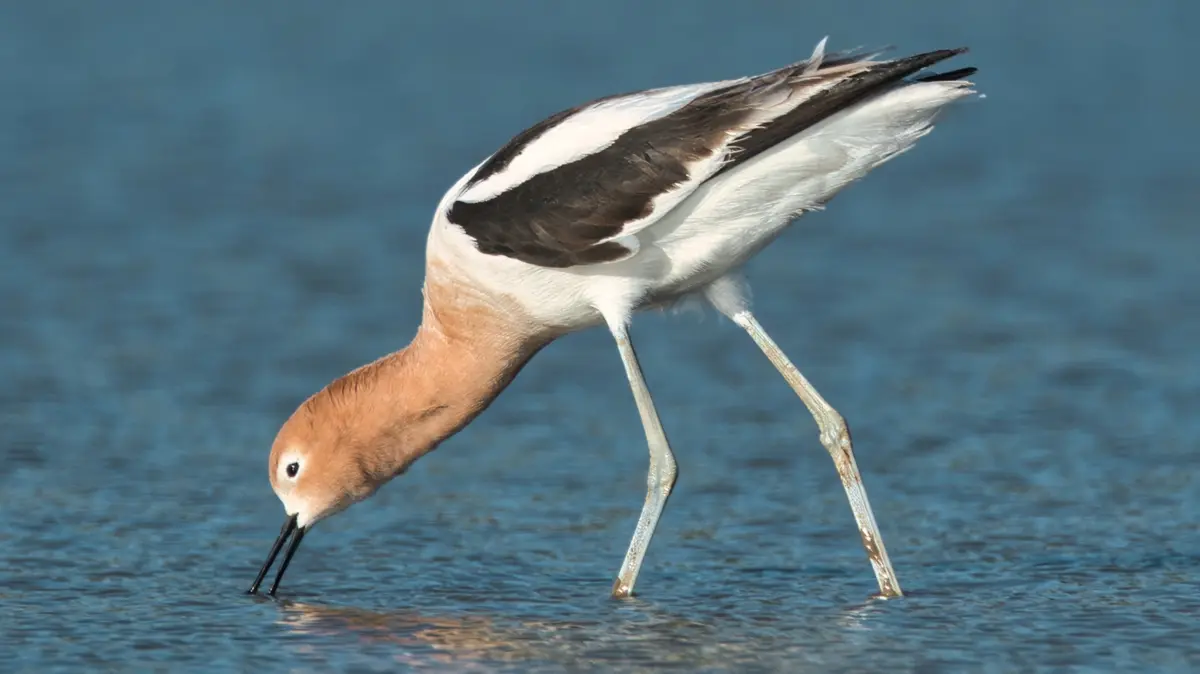
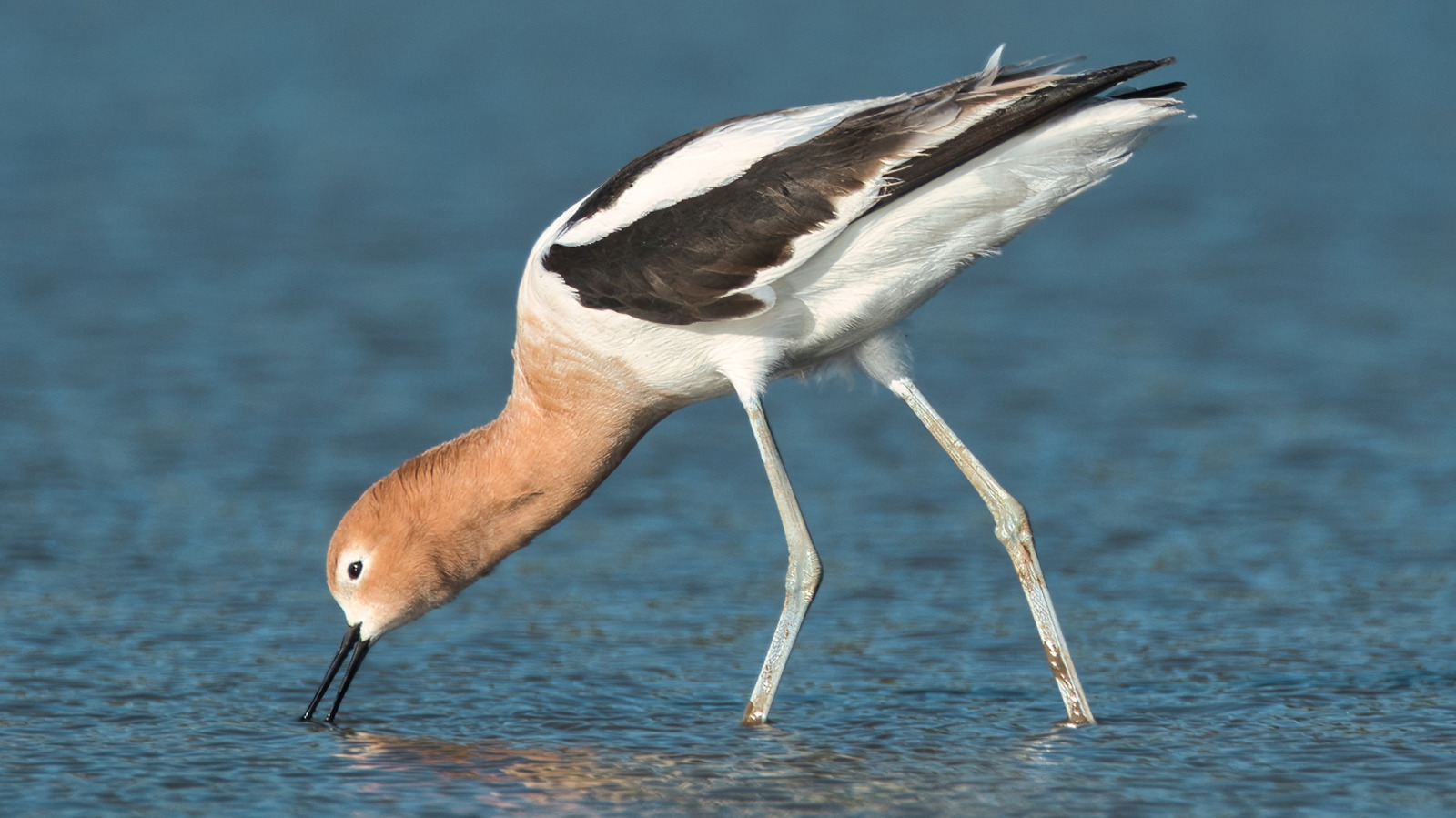
- Ecological Transition: Over the subsequent decades, the newly formed aquatic environment adapted rapidly. Native flora and fauna established themselves along the margins, transforming an engineered flood-control basin into a thriving riparian ecosystem that today attracts migratory waterfowl, wading birds—such as the American avocet—and diverse warm-water fisheries.
Supporting Context & Metrics: Geography, Ecology, and Recreation
Hulah Lake’s distinct aesthetic is defined by its geological setting within the Osage Hills, an extension of the broader Flint Hills region. The landscape features a rich mosaic of native tallgrass prairie remnants, dense cross-timber forests, and limestone-strewn hillsides that display vibrant seasonal transformations, from verdant spring canopies to fiery autumn palettes.
Aquatic Environment and Wildlife
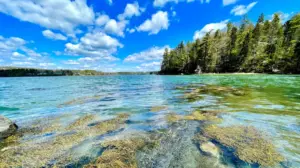
The lake’s surface often adopts a mirror-like quality on calm days, creating crisp reflections of the expansive Oklahoma sky. However, the shoreline exhibits diverse topographical character:

- Rocky Bluffs and Banks: Certain stretches feature exposed rock formations that drop sharply into deeper channels.
- Shallow Flats: Other areas transition gradually into marshy or grassy shallows, providing ideal foraging habitats for local fauna.
- Avian Biodiversity: Birdwatchers frequently spot wading birds, shorebirds, and raptors patrolling the banks. The American avocet, with its distinctive upturned bill, is a regular visitor to the shallows, feeding on aquatic invertebrates and small fish.
Outdoor Recreation Metrics
Hulah Lake caters to a wide spectrum of outdoor enthusiasts, with activities broadly divided into waterborne and land-based pursuits.
+--------------------------------------------------------------------------+
|                     RECREATIONAL PROFILE BREAKDOWN                       |
+-------------------+------------------------------------------------------+
| Activity          | Key Access Points & Details                          |
+-------------------+------------------------------------------------------+
| Boat Fishing      | Multiple public boat ramps; target largemouth/white  |
|                   | bass, catfish, and crappie.                          |
+-------------------+------------------------------------------------------+
| Kayaking & SUP    | Caney River public access points; calm waters ideal  |
|                   | for novice paddlers.                                 |
+-------------------+------------------------------------------------------+
| Swimming          | No designated sand beaches; permitted off boats or   |
|                   | safe shoreline wading spots (life jackets advised).  |
+-------------------+------------------------------------------------------+
| Primitive Camping | Skull Creek North Campground (secluded, minimal      |
|                   | amenities).                                          |
+-------------------+------------------------------------------------------+
| Developed Camping | Wah-Sha-She Campground (RV/tent sites, electric/     |
|                   | water hookups, boat launch, restrooms).              |
+-------------------+------------------------------------------------------+
1. Angling and Fisheries
Hulah Lake is widely regarded as a rewarding destination for freshwater fishermen, particularly those equipped with watercraft capable of reaching deeper structural elements and submerged timber.
- Target Species: The reservoir supports robust populations of largemouth bass, white bass, various species of catfish (including channel and blue catfish), and crappie.
- Infrastructure: Multiple concrete boat ramps facilitate easy launching, while adjacent picnic areas offer land-based anglers accessible casting spots along the banks.
2. Paddling and Non-Motorized Boating
For visitors preferring human-powered watercraft, Hulah Lake and its primary tributary, the Caney River, provide exceptional opportunities.
- Caney River Launch: A dedicated public boat ramp near the river inlet serves as an ideal launching point for kayaks, canoes, and stand-up paddleboards (SUPs).
- Navigational Difficulty: According to paddling directories such as The Paddling Hub, the upper stretches and protected coves offer gentle currents and sheltered waters well-suited for novice paddlers. Navigating the open lake requires vigilance regarding wind speeds, which can generate choppy surface conditions on blustery days.
3. Swimming Opportunities
While swimming is officially permitted throughout the lake, visitors should note the absence of a designated, man-made sand beach.
- Access Methods: Swimmers typically access the water directly from anchored boats or by locating gradual, debris-free shoreline access points for wading.
- Safety Protocols: Due to natural underwater hazards, submerged snags, and shifting bottom contours, the use of personal flotation devices (life jackets) is strongly recommended by safety officials. For travelers specifically seeking designated swim beaches with park amenities, alternative regional destinations like Lake Thunderbird State Park—situated near Oklahoma City—provide structured beach zones.
Accommodation Infrastructure: Campgrounds and Lodging
Visitors wishing to extend their stay at Hulah Lake have access to two distinct USACE-managed campgrounds that cater to different camping styles, ranging from rugged backcountry immersion to modern RV accommodations.
                        HULAH LAKE CAMPGROUND COMPARISON

  SKULL CREEK NORTH CAMPGROUND               WAH-SHA-SHE CAMPGROUND
  • Location: Northern tip of lake           • Location: Southern shoreline
  • Vibe: Primitive, highly secluded         • Vibe: Developed, family-friendly
  • Amenities: Minimal (No water/restrooms)  • Amenities: Water/Electric hookups,
  • Target: Tent campers & backpackers         showers, flush toilets, boat ramp
1. Skull Creek North Campground
Positioned on the secluded northern tip of the lake, Skull Creek North is tailored for purists.
- Characteristics: This campground lacks modern conveniences such as centralized restrooms, potable water spigots, and defined picnic tables.
- User Experience: Its lack of infrastructure acts as a natural filter, ensuring profound quiet, minimal foot traffic, and an immersive wilderness experience deeply connected to the surrounding Osage Hills.
2. Wah-Sha-She Campground
Situated along the southern shoreline, Wah-Sha-She represents the primary developed recreation hub on the reservoir.
- Infrastructure: This facility accommodates both tent campers and large recreational vehicles (RVs). Waterfront campsites feature electrical and potable water hookups.
- Amenities: Campers enjoy access to modern flush restrooms, hot showers, picnic tables, fire rings, and an on-site boat launch ramp. An elevated panoramic viewpoint offers expansive vistas across the open water.
- Pricing: Nightly user fees remain economical, typically ranging between $12 and $20 depending on the specific site classification and utility hookups.
Alternative Lodging in Bartlesville
For travelers who prefer climate-controlled brick-and-mortar lodgings—or those seeking to avoid regional wildlife such as ticks, spiders, and occasional snakes frequently encountered in dense brush—quality hotel accommodations are available just a 30-minute drive south in Bartlesville, Oklahoma. Recognized as a historic hub stemming from the state’s early oil boom, Bartlesville offers unique retail shopping districts, architectural landmarks, and world-class cultural institutions like the Price Tower and Woolaroc Museum.
Official Statements and Operational Guidance
Management of Hulah Lake falls under the jurisdiction of the U.S. Army Corps of Engineers, Tulsa District, which establishes operational guidelines, fee structures, and environmental monitoring protocols.
Access Fees and Permits
In alignment with federal recreation policies, visitors accessing managed day-use areas and campgrounds at Hulah Lake are subject to nominal user fees:
- Walk-Ins and Cyclists: $2.00 per entry.
- Motorized Vehicles: $5.00 per vehicle per day (subject to periodic adjustment by the USACE).
- Annual passes covering multiple USACE-managed lakes across Oklahoma and the broader region are also available for frequent visitors.
Environmental Monitoring and Drought Impacts
Because Hulah Lake relies heavily on regional precipitation patterns to maintain its optimal pool elevation, it has historically experienced fluctuations linked to multi-year droughts in the southern Great Plains.
- Water Depth Advisories: Extended dry spells have previously resulted in noticeable reductions in water depth and receding shorelines, impacting boat ramp accessibility and fish habitat concentration.
- Pre-Trip Verification: Officials strongly advise travelers and boaters to consult real-time hydrological data and lake level trackers (such as Lakebrief or the official USACE Tulsa District water control portal) prior to departure to verify current pool conditions and boat ramp operational status.
Future Outlook
As infrastructure demands evolve across the American heartland, Hulah Lake remains a vital asset fulfilling its dual mandate: mitigating downstream flood risks while serving as a cherished natural refuge for regional residents and travelers alike.
Conservation and Management Priorities
The future trajectory of Hulah Lake centers on balancing ecological preservation with sustainable recreational access. Key focus areas for managing authorities include:
- Habitat Enhancement: Ongoing monitoring of water quality and fishery health to ensure sustainable sportfishing populations despite seasonal climate variability.
- Facility Modernization: Upgrading aging campground infrastructure at Wah-Sha-She and maintaining road networks to accommodate growing tourism interest from nearby metropolitan centers like Tulsa and Wichita.
- Promoting Eco-Tourism: Encouraging low-impact outdoor activities—such as kayaking, birdwatching, and primitive camping—that highlight the natural beauty of the Osage Hills without degrading the surrounding watershed.
For travelers seeking an authentic slice of Oklahoma’s engineered wilderness, Hulah Lake offers an accessible yet tranquil retreat. Whether casting a line into the misty morning waters, paddling a kayak along the forested Caney River inlet, or watching an American avocet wade through the shallows, visitors continue to discover why this northern Oklahoma reservoir remains a treasured, quiet escape.