




Executive Overview
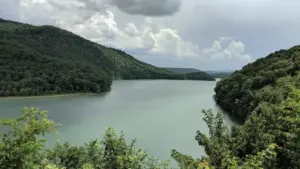
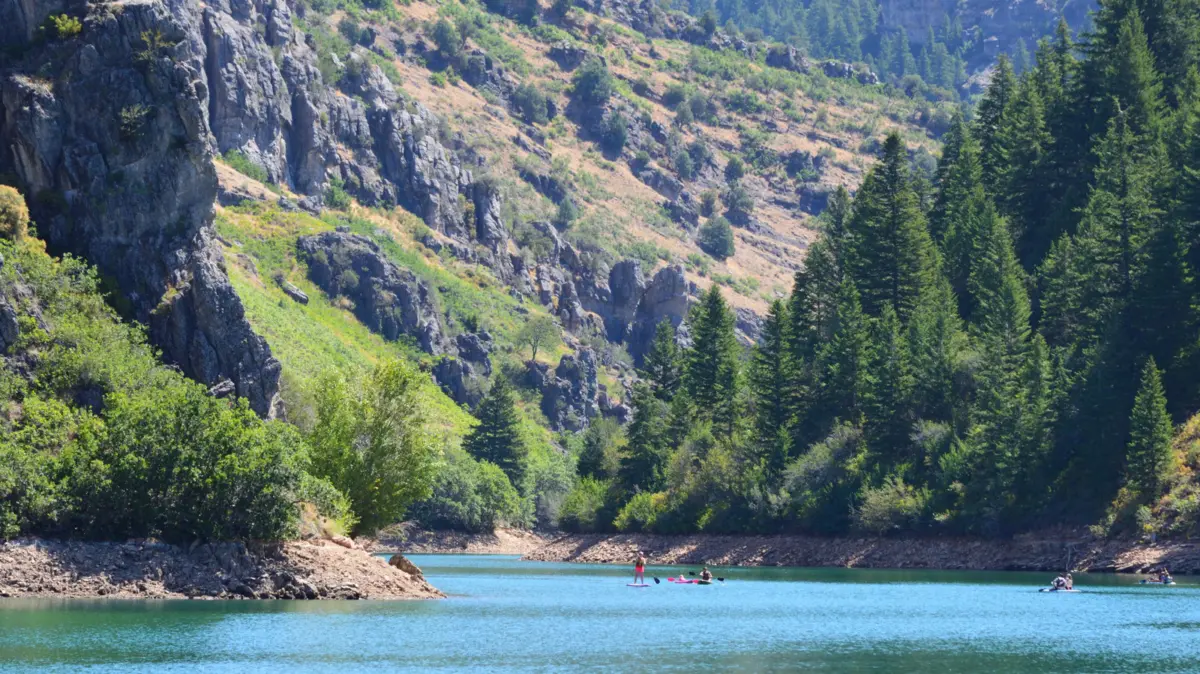
Tucked away within the rugged grandeur of the Uinta-Wasatch-Cache National Forest lies one of northern Utah’s best-kept aquatic secrets: Causey Reservoir. Situated roughly northeast of Salt Lake City, this picturesque 142-acre alpine body of water offers a tranquil haven for outdoor enthusiasts, anglers, and nature lovers alike. Just a short, scenic drive from Utah’s metropolitan core—and a mere 40 minutes from the historic mountain town of Ogden—Causey Reservoir functions as a premier destination for day-trippers and weekend adventurers seeking relief from the urban bustle.
What sets Causey Reservoir apart from many of Utah’s larger, highly developed bodies of water is its strict regulatory framework: motorized watercraft are entirely prohibited. This single management decision transforms the reservoir into a pristine ecosystem characterized by glassy, undisturbed waters, exceptional underwater visibility, and a peaceful acoustic profile free from the hum of motorboats and jet skis. Visitors can trade the roar of engines for the rhythmic stroke of a kayak paddle, the gentle ripple of a paddleboard, or the quiet focus of line-casting.
However, a period of transition is currently underway. Infrastructure development projects, initiated in 2026 and scheduled to continue through 2027, are designed to enhance recreational access, expand parking capabilities, and upgrade surrounding roads and trails. While these improvements promise a more accommodating experience for future visitors, they also necessitate careful planning and real-time navigation monitoring for anyone looking to visit the area in the near term.
Detailed Chronology of Development and Access
To fully appreciate the current landscape of Causey Reservoir, it is necessary to examine the timeline of its establishment, ongoing recreational evolution, and the recent infrastructure initiatives shaping its accessibility.
Historical Roots and Early Management
Originally created to serve regional water management and conservation needs, the reservoir quickly transcended its purely functional industrial purpose to become a valued recreational asset within the Uinta-Wasatch-Cache National Forest. Recognizing the unique ecological and topographical constraints of the steep canyon walls framing the water, land managers instituted a strict non-motorized vessel policy. This policy preserved the narrow waterway’s safety, preventing congestion and shoreline erosion while fostering an environment uniquely suited for human-powered water sports.
The 2026–2027 Infrastructure Overhaul
As regional populations along Utah’s Wasatch Front have surged, weekend visitation to Causey Reservoir has intensified significantly. To mitigate environmental degradation, alleviate chronic parking shortages on narrow canyon roads, and improve overall visitor safety, federal and local land management agencies launched a comprehensive infrastructure enhancement initiative.
- Phase Commencement (2026): Early-stage construction began, focusing on staging areas, environmental impact assessments, and preliminary civil engineering work along access corridors.
- Active Construction and Expansion (2027): Work has continued through 2027, targeting expanded parking lots at critical entry points, modernized restroom facilities to handle peak summer demand, and surface improvements to surrounding access roads and hiking trails.
Because these construction phases often result in temporary traffic slowdowns, heavy machinery presence, or sporadic site closures, prospective visitors are strongly advised to consult the official U.S. Forest Service webpage for the Uinta-Wasatch-Cache National Forest and cross-reference live traffic applications like Google Maps before embarking on their journey.
Supporting Context & Metrics: Geography, Recreation, and Wildlife
Operating as an exceptional recreational resource requires a delicate balance between human enjoyment and environmental preservation. A closer examination of Causey Reservoir’s physical metrics and activity zones illustrates why this alpine lake remains so distinct.
Physical and Geographic Profile
- Surface Area: Approximately 142 acres of deep, cold alpine water.
- Elevation: Nestled high in the Wasatch mountain range, providing cooler ambient temperatures even during peak summer heatwaves.
- Geographic Layout: The reservoir is defined by three primary aquatic arms—a central waterway flanked by distinct northern and southern tributaries that feed into the main body.
Navigating the Waters: Paddling and Swimming
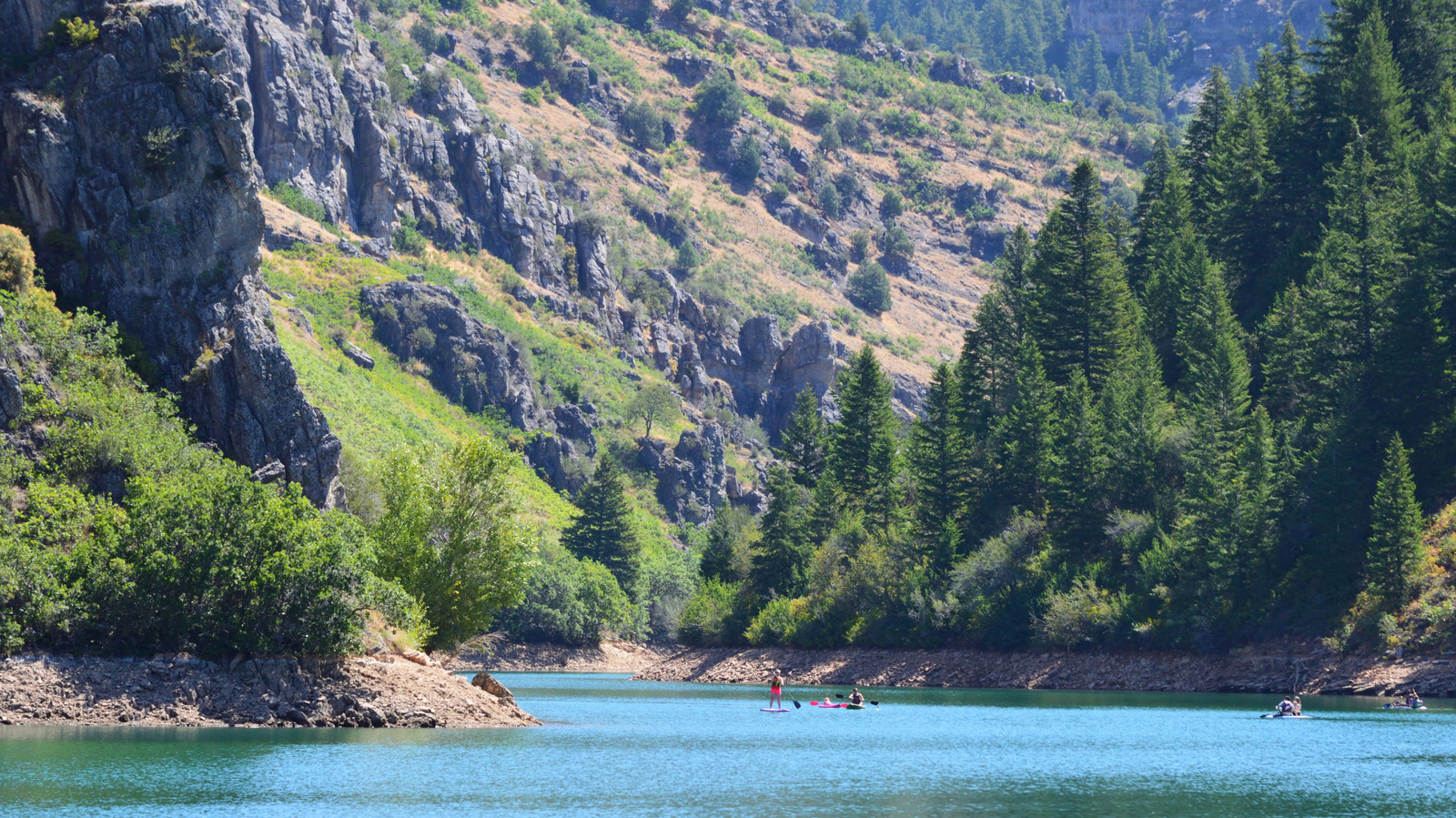
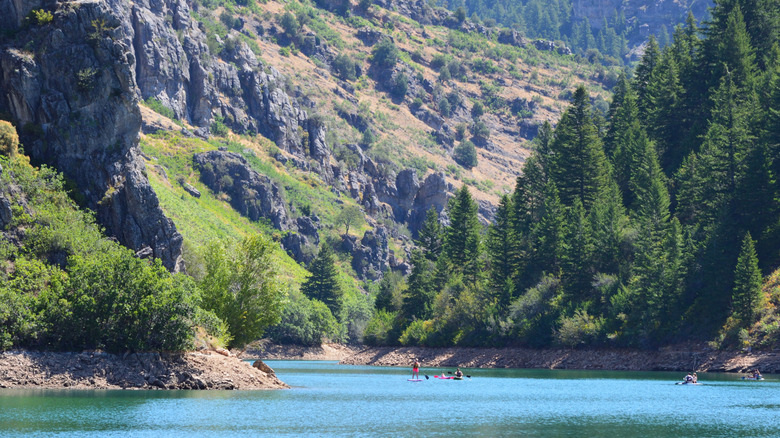
The central waterway serves as the primary hub for human activity, where kayakers, canoers, and stand-up paddleboarders congregate. Because motorized watercraft are banned, novice and experienced paddlers alike can navigate the surface without the hazard of turbulent wakes.
For those seeking solitude, the northern and south waterways offer narrower, quieter corridors. These areas feature denser clusters of pine and leafy trees, providing an immersive wilderness experience where cell service is famously unreliable—offering a genuine opportunity to digitally disconnect.
Safety Mandate: In accordance with state and federal marine safety guidelines, life jackets (Personal Flotation Devices) are strictly required for all vessels on Causey Reservoir, and mandatory wear is enforced for all passengers aged 12 and younger.
The Adrenaline Element: Cliff Jumping
Mirroring famous natural swimming holes across the American West—such as Oregon’s legendary Chetco River—Causey Reservoir has earned a reputation among thrill-seekers for its cliff-jumping opportunities. The central waterway is flanked by steep, rugged hillsides featuring flat-faced rock outcroppings of varying heights.
Because the reservoir’s edges drop off sharply into deep water, the risk of striking submerged rocks or the lakebed is significantly reduced compared to shallow riverbeds. Nevertheless, safety experts urge caution: fluctuating water levels throughout the summer can expose unexpected hazards, making it essential for jumpers to assess depths carefully and follow groups familiar with local conditions.
Angling Excellence and Fishery Metrics
Without the churning propellers and wakes of motorboats, the water column at Causey Reservoir remains exceptionally clear, creating an ideal habitat for cold-water sport fish. While shoreline casting is limited due to the steep, rugged topography—and the absence of formal fishing piers—anglers frequently utilize kayaks, canoes, and small rowboats to access prime spots.
Primary access points for human-powered watercraft include:
- Skull Crack
- South Arm
- Wheat Grass Canyon
Each location features primitive parking lots and functional launch areas. According to the Utah Division of Wildlife Resources, anglers targeting the reservoir can expect to encounter:
- Rainbow Trout
- Tiger Trout
- Brown Trout
- Kokanee Salmon
Regulatory Fishing Framework
To maintain a healthy, sustainable fishery, strict bag and possession limits are enforced:
- General Limit: Anglers are restricted to a combined bag limit of four trout or salmon.
- Lake Trout Special Rule: Only one lake trout may be harvested, and it must measure over 22 inches in length.
- Kokanee Salmon Seasonal Closure: To protect spawning populations, fishing for kokanee salmon is strictly prohibited from September 10 to November 30. During this autumn window, however, the crystal-clear water provides a remarkable viewing opportunity as the salmon turn a brilliant, fiery red during their annual run.
Winter brings an entirely different dimension to the fishery, with local anglers utilizing the frozen surface for ice fishing. For those looking to expand their winter angling repertoire, the region also provides access to destinations like Fish Lake, recognized as Utah’s largest natural mountain lake.
Camping and Nearby Accommodations
While the immediate shoreline of Causey Reservoir is restricted to day-use only, overnight visitors have access to a robust network of campgrounds situated along Utah State Route 39.
Just outside the reservoir boundaries lies Weber Memorial Park, operated in conjunction with local county parks and recreation services. Situated directly on the South Fork of the Ogden River, this popular campground features:
- Capacity: 58 individual campsites accommodating car camping, tent camping, and recreational vehicles (RVs).
- Booking Policy: Operating on a strict first-come, first-served basis (advance reservations are not accepted).
- Amenities: Each site includes a functional fire pit, a picnic table, and convenient access to well-maintained restroom facilities.
- Operating Season: Typically open from early May through October, aligning with regional weather patterns.
Additionally, travelers seeking urban amenities, historic architecture, dining, and art galleries can utilize the nearby mountain city of Ogden—located just a 40-minute drive down the canyon—as a convenient basecamp.
Official Statements and Land Management Guidance
Managing a high-altitude, multi-use natural resource like Causey Reservoir requires continuous coordination between federal agencies, state wildlife managers, and local municipalities.
Representatives from the Uinta-Wasatch-Cache National Forest have consistently emphasized that public cooperation is vital during the multi-year infrastructure development cycle spanning 2026 and 2027. In public advisories, forest supervisors note:
"Our primary objective with the ongoing access and facility upgrades at Causey Reservoir is to balance long-term environmental protection with public safety. As visitation continues to grow along the Wasatch Front, modernizing our parking management, sanitation infrastructure, and trail systems will ensure this delicate alpine ecosystem remains pristine for generations to come. We ask all visitors to check current forest service alerts prior to departure and respect active work zones."
Similarly, the Utah Division of Wildlife Resources (UDWR) highlights the importance of adhering to local aquatic regulations, particularly concerning the seasonal protection of spawning kokanee salmon:
"The clarity of Causey Reservoir offers a rare window into aquatic wildlife behaviors, especially during the autumn kokanee run. Compliance with our seasonal closures and bag limits is non-negotiable if we wish to maintain these self-sustaining fisheries. We remind anglers and paddlers alike to practice ‘Leave No Trace’ principles, ensure proper flotation gear usage, and respect the non-motorized mandate that keeps this fishery uniquely tranquil."
Future Outlook
As the infrastructure improvements reach completion through late 2027, Causey Reservoir is poised to enter a new chapter of public recreation. The planned additions—ranging from expanded parking stalls to upgraded trailheads and sanitation facilities—will alleviate the bottleneck pressures that historically plagued peak summer weekends.
Nevertheless, the core charm of Causey Reservoir will remain anchored in its strict preservation policies. By maintaining a firm ban on motorized watercraft, land managers ensure that the canyon will protect its acoustic serenity, crystal-clear water quality, and raw alpine aesthetic.
Whether visitors are planning a brisk summer morning paddle across the central basin, an adrenaline-fueled cliff jump into the deep canyon waters, a quiet autumn afternoon tracking bright red kokanee salmon, or an evening of riverside camping at Weber Memorial Park, Causey Reservoir stands out as an irreplaceable gem within Utah’s natural landscape. Careful planning, adherence to safety and fishing regulations, and respect for ongoing forest service updates will ensure a rewarding experience for anyone seeking refuge in the Wasatch Mountains.