






Executive Overview
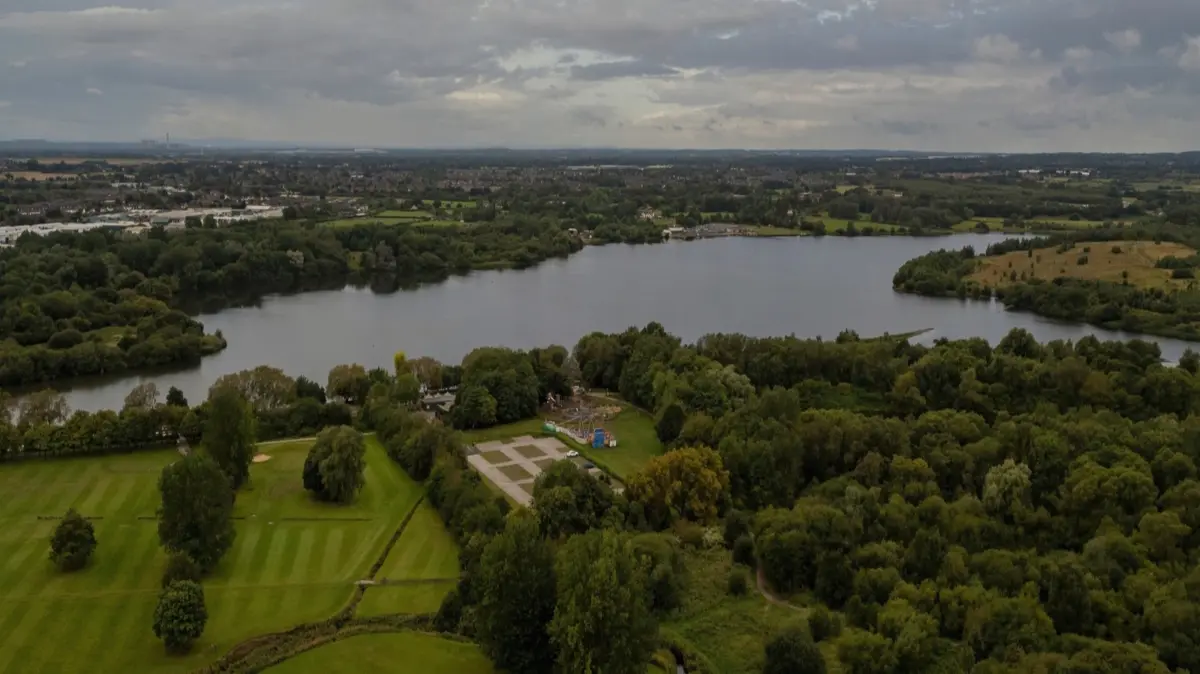
For international travelers and domestic explorers alike, a trip to England often centers on the vibrant, fast-paced rhythms of its major metropolitan centers. Historic architecture, world-class museums, and bustling culinary scenes in cities like London, Manchester, and Liverpool routinely command the spotlight. Yet, hidden just beneath the surface of England’s heavily industrialized northwest lies a striking ecological turnaround story: the Pennington Flash Nature Reserve, also widely known as Pennington Flash Country Park.
Situated in Greater Manchester on the edge of the town of Leigh, Pennington Flash occupies a unique geographical sweet spot. Sandwiched less than an hour’s drive from both Manchester and Liverpool, this sprawling 173-acre lake and its surrounding protected wetlands offer a tranquil antidote to urban exhaustion. Far from a pristine, untouched wilderness of ancient origin, Pennington Flash is an ecological masterpiece born from industrial activity and geographic subsidence. Today, it stands as a jewel in the crown of The Flashes of Wigan and Leigh National Nature Reserve (NNR)—a massive, 1,820-acre network of rehabilitated post-industrial landscapes.
Offering everything from world-class open-water swimming and competitive sailing to tranquil birdwatching, cycling, and family recreation, Pennington Flash represents a masterclass in ecological reclamation. This comprehensive review explores the history, recreational opportunities, wildlife significance, and visitor logistics of one of North West England’s most compelling natural escapes.
Detailed Chronology & Historical Evolution
To understand the beauty of Pennington Flash today, one must trace its unlikely origins back through the annals of the Industrial Revolution. The landscape that visitors traverse today—marked by shimmering waters, dense reed beds, and thriving canopies of trees—was once a heavily mined coalfield.
- The Pre-Industrial Landscape: Prior to intensive coal extraction, the land along the border of Leigh was largely characterized by low-lying agricultural fields, drainage ditches, and small watercourses connected to local canal networks.
- The Era of Subsidence (Late 19th to Mid-20th Century): As deep coal mining intensified across South Lancashire, extensive underground tunneling altered the structural integrity of the earth. Over decades, underground coal seams were extracted, leading to significant ground subsidence. Because the local water table sat high, these sunken depressions quickly filled with accumulating surface water and runoff from nearby streams.
- Accidental Flooding and Lake Formation: What began as a series of localized floods eventually coalesced into a massive, permanent water body. By the mid-20th century, the depression had transformed into a sweeping 173-acre lake, locally termed a "flash"—a regional dialect word describing a body of water formed by mining subsidence.
- Transition to Conservation (Late 20th Century): Recognizing the ecological value of these newly formed wetlands, local authorities and conservationists began shifting away from industrial exploitation toward environmental protection. The area attracted a diverse array of migratory and resident bird species, turning it into an impromptu hotspot for naturalists.
- National Nature Reserve Designation: In a monumental step for regional conservation, Pennington Flash was integrated into The Flashes of Wigan and Leigh National Nature Reserve. This designation legally protected over 1,820 acres of interconnected habitats, cementing the region’s status as a premier sanctuary for biodiversity and a vital green lung for Greater Manchester.
Supporting Context, Ecosystems & Key Metrics
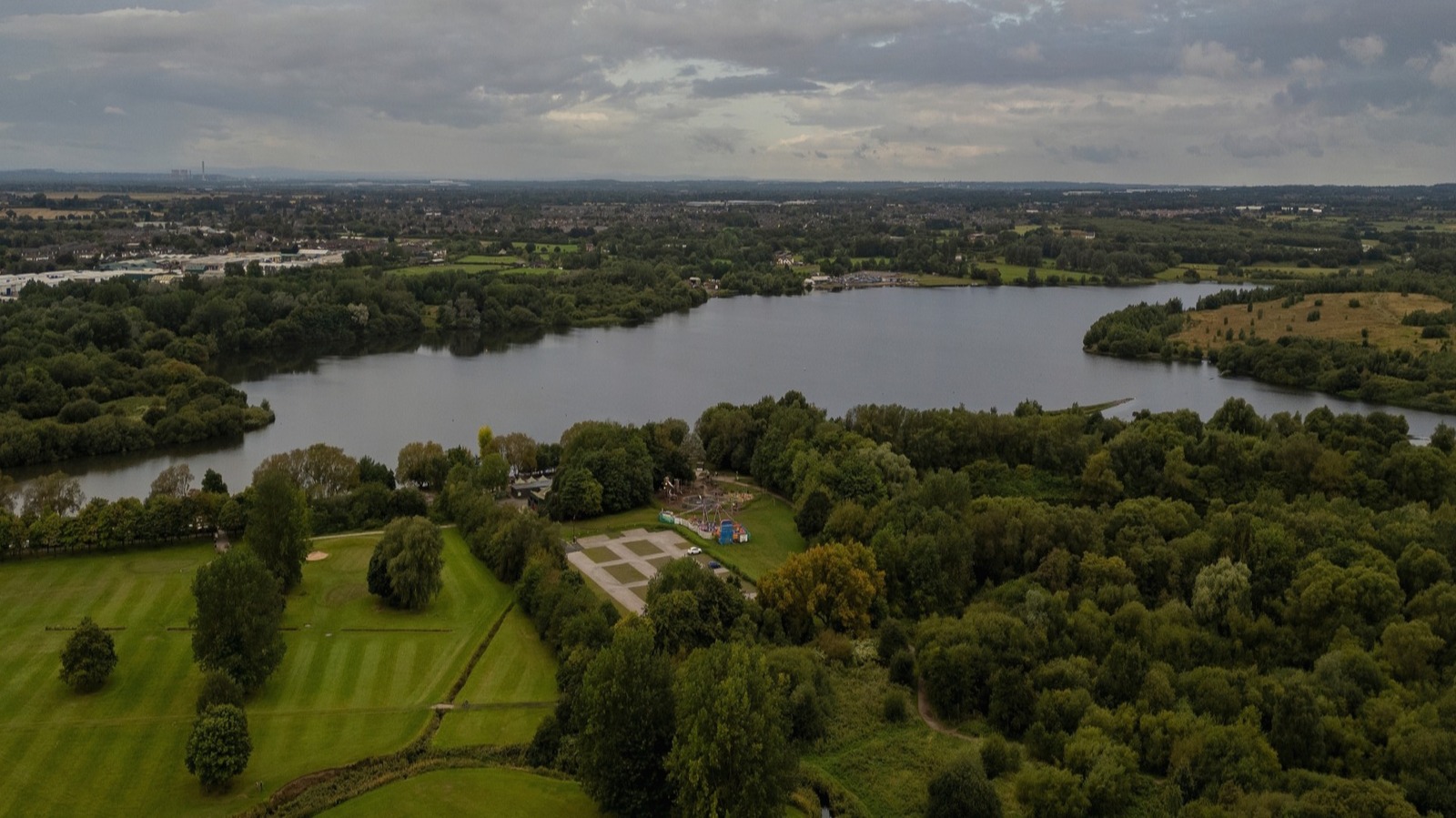
The transformation of Pennington Flash from an industrial scar into an officially recognized National Nature Reserve is supported by an impressive array of ecological metrics and geographical features.
Biodiversity and Avian Haven
The reserve is internationally and regionally celebrated for its rich ornithological profile. Over 230 distinct bird species have been officially recorded within the park boundaries.
- The Endangered Willow Tit: Most notably, the surrounding wetlands provide a critical sanctuary for the declining willow tit population, making Pennington Flash a high-priority site for British conservationists.
- Waterfowl and Waders: Visitors frequently encounter Canada geese, mallards, common snipes, cuckoos, bullfish, oystercatchers, sandpipers, gulls, grey herons, and various species of migrating ducks and swans.
- Bird Hides: To support non-disruptive observation, the park maintains a series of strategic wooden bird hides along its shoreline trails, allowing ornithologists and casual nature lovers to survey wildlife without disturbing natural behaviors.
Recreational Infrastructure and Dimensions
- The Lake: Spanning 173 acres, the central body of water is large enough to accommodate dedicated zones for sailing, windsurfing, open-water swimming, and wildlife propagation.
- The Main Perimeter Trail: A roughly 3.3-mile (5.3-kilometer) circular route completely encircles the lake, offering walkers and cyclists an immersive journey through woodlands, open fields, and marshland fringes.
- The Short Trail & Amenities: For visitors seeking a more compact outing, a 1.25-mile (2-kilometer) loop connects the primary parking facilities to key shoreline ponds and bird hides, culminating near The Hide Coffee House & Cafe.
Official Statements and Community Perspectives
The cultural and environmental significance of Pennington Flash is best reflected through the experiences of those who manage, protect, and frequent the reserve. Local conservation bodies, municipal leaders, and everyday visitors have consistently praised the park for its unique balance of recreation and ecological stewardship.
In statements celebrating the formation of the wider National Nature Reserve, regional conservation groups emphasized the historical poetic justice of the site:
"What was once an industrial landscape scarred by coal extraction has evolved, through natural processes and dedicated stewardship, into one of the most ecologically vital wetland habitats in North West England. Pennington Flash stands as proof that nature can reclaim and heal industrial footprints if given the space and protection to do so."
Visitors routinely echo these sentiments on public forums and travel review platforms. A review left by a local regular captures the atmospheric charm of the site:
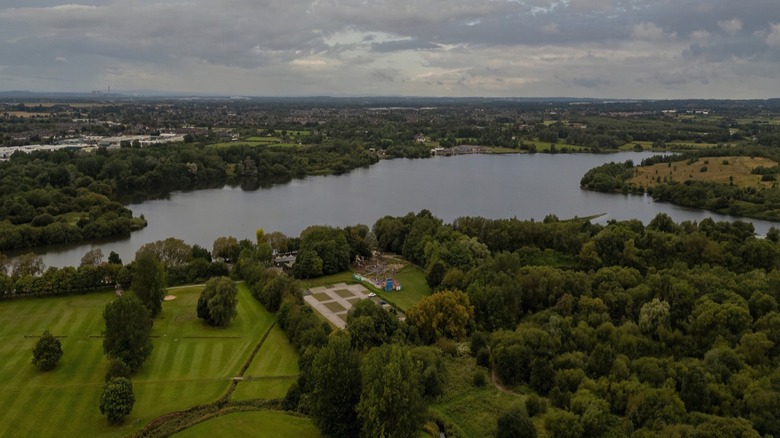
"Pennington Flash Nature Reserve is an absolute gem. The natural scenery is truly breathtaking, and it’s so peaceful. Whether you’re walking the perimeter trail in the autumn mist or watching the sailboats race on a summer afternoon, it offers an escape that feels a million miles away from the nearby cities."
Similarly, participants in the local open-water swimming community have praised the inclusivity and warmth of the park’s athletic groups. A member of the Swim Pennington NOWCA organization noted:
"The community here is warm and welcoming, even in the middle of winter. Swimming through these waters as the sun rises over the tree line is an unforgettable experience."
Recreational Guide: What to Do at Pennington Flash
Whether you are an endurance athlete, a casual weekend stroller, or a dedicated birdwatcher, Pennington Flash offers a diverse slate of activities across the calendar year.
1. Open-Water Swimming
For those looking to challenge themselves in the open water, Pennington Flash operates as a premier regional hub for cold-water and open-water swimming.
- Partnership with NOWCA: Operated via the Leigh & Lowton Sailing Club on the western shoreline, open-water swimming sessions are coordinated through NOWCA.
- Schedule: Swimming typically runs on Saturday mornings and select weekday evenings between April and September.
- Courses: Multiple marked courses range from short 656-foot (200-meter) warm-up loops to challenging 1.18-mile (1.9-kilometer) distances. Swimmers must adhere to safety protocols, which include wearing a bright-colored swim cap and utilizing a tow float.
- Major Events: The lake famously hosts the swimming leg of the prestigious Bolton Ironman competition, drawing elite endurance athletes from across the globe to tackle its 1.18-mile course.
2. Sailing and Boating
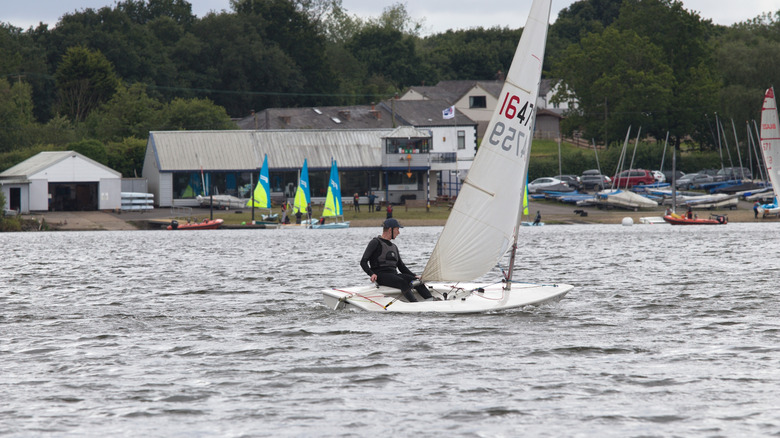
The Leigh & Lowton Sailing Club anchors the boating culture on Pennington Flash.
- Training and Education: The club provides accredited learn-to-sail courses for both adults and children, teaching foundational seamanship, rigging, and racing tactics.
- Competitive Racing: Spectators can watch competitive sailing regattas and club races held regularly on Wednesday evenings and weekend afternoons from April through December. The sight of white sails skimming across the expansive green waters adds a dynamic nautical element to the rural landscape.
3. Walking, Cycling, and Family Activities
- The Perimeter Walk: The 3.3-mile trail around the lake is ideal for walkers, runners, and cyclists. While largely flat and accessible, sections can become muddy and slick following heavy seasonal rainfall, so sturdy footwear is recommended.
- Family-Friendly Features: Younger visitors can enjoy a dedicated nature-themed playground, while local green spaces also accommodate a family-friendly nine-hole golf course.
- Historical and Cultural Landmarks: Visitors can explore The Ruck—a localized walking area featuring the Irene Molamphy Memorial Bench, which offers uninterrupted lake views—as well as the historic Lock Gates Monument, standing as a tribute to the region’s industrial canal history.
Future Outlook & Visitor Logistics
As Greater Manchester and Liverpool continue to grow as economic and tourism hubs, the importance of accessible, high-quality natural green spaces like Pennington Flash will only increase. Future initiatives by regional conservation trusts aim to further expand native woodland planting, enhance wetland habitats for endangered species like the willow tit, and improve accessibility infrastructure along primary walking routes.
Getting There
- From Leigh Town Center: Pennington Flash is an easy 30-minute walk or a 10-minute drive from the heart of Leigh.
- From Manchester: The drive takes approximately 40 minutes heading west from Manchester’s cultural center, making it an ideal half-day or full-day trip for city dwellers.
- From Liverpool: Visitors traveling from Liverpool can reach the reserve in roughly 50 minutes by car via the East Lancashire Road (A580).
With its seamless blend of industrial history, rich biodiversity, vibrant athletic culture, and serene landscapes, Pennington Flash Nature Reserve proves that England’s greatest escapes are often hidden right in plain sight between its bustling urban titans.