










Executive Overview
For the better part of the mid-to-late 20th century, the American retirement narrative pointed overwhelmingly toward the South. Florida—famously dubbed the "Sunshine State"—became the undisputed gold standard for retirees seeking to trade harsh winters for year-round warmth, white-sand beaches, and a favorable tax climate. However, as demographic trends shift and contemporary retirees reevaluate their priorities, the traditional migration path is undergoing a profound transformation.
The very elements that once drew millions to Florida—relentless tropical heat, rapid overdevelopment, and bustling tourist zones—are increasingly viewed as drawbacks by older adults seeking peace, intellectual stimulation, and longevity-focused communities. In response, a growing cohort of retirees is bypassing the Southeast entirely and turning its gaze northward to the historic shores and rolling hills of Connecticut.
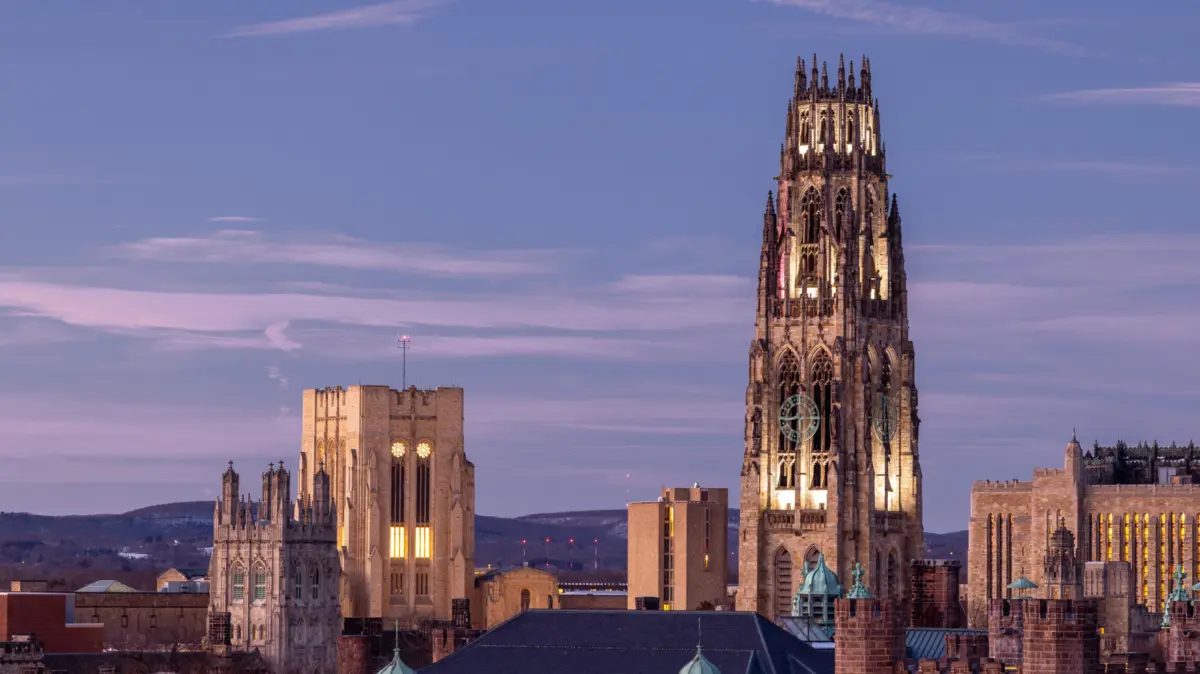
Often overshadowed by its larger metropolitan neighbors, the "Nutmeg State" offers a compelling alternative that blends centuries of colonial history, breathtaking coastal scenery along the Long Island Sound, and a deeply ingrained culture of health and wellness. Backed by top-tier healthcare systems, high life expectancy metrics, and a vibrant four-season climate, Connecticut is rapidly establishing itself as New England’s premier retirement destination. This comprehensive report explores how Connecticut is rewriting the playbook for the golden years, offering an enriching lifestyle that balances natural beauty, historical depth, and active community engagement.
Detailed Chronology: From Colonial Roots to Modern Haven
To fully understand Connecticut’s appeal as a modern sanctuary for retirees, one must trace its deep historical roots, which have shaped its distinctive architectural landscape and community structure.
Pre-Colonial Foundations and Early Settlement
Long before European settlers arrived, the land comprising modern-day Connecticut was home to diverse Indigenous peoples, including the Mohegan, Pequot, and Quinnipiac nations. The region’s geography—defined by sweeping river valleys, dense forests, and a protected coastline—supported thriving native agricultural and maritime communities.
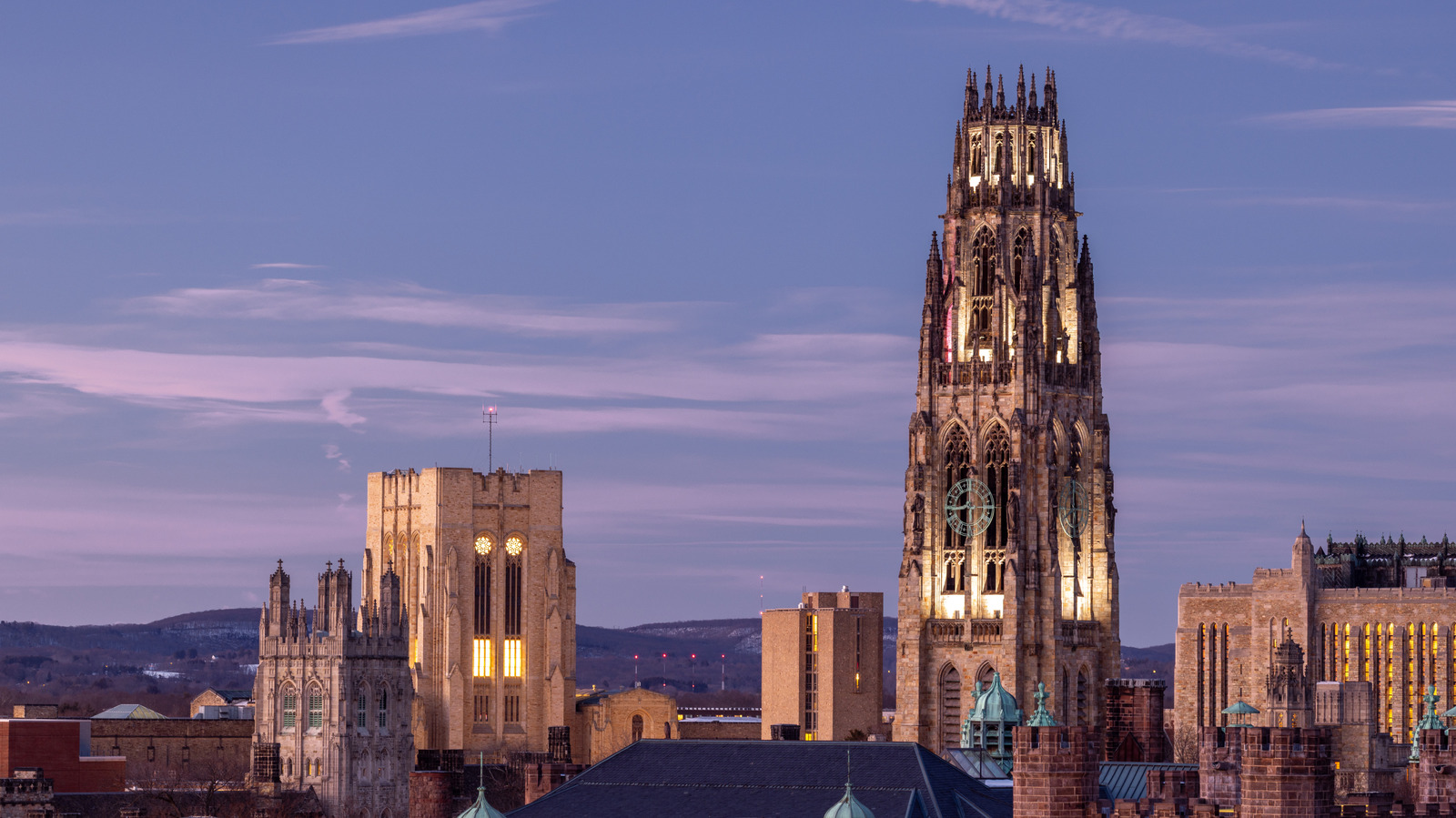
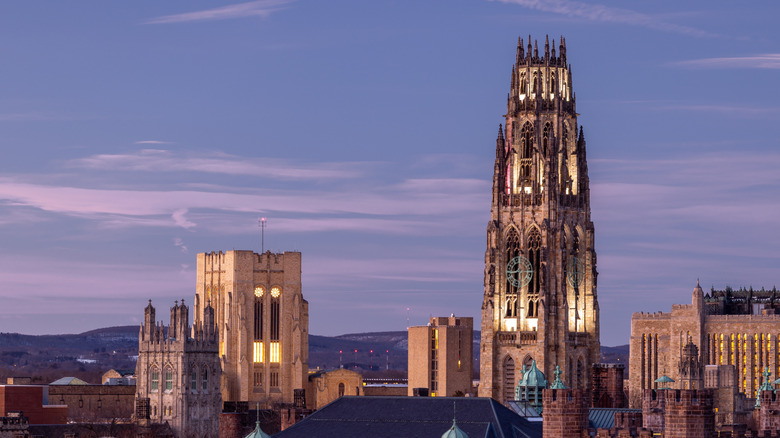
Following European exploration in the early 17th century, English Puritans established permanent settlements along the Connecticut River and the coast. In 1638, New Haven was founded, swiftly followed by neighboring coastal towns like Milford and Guilford in 1639. Remarkably, many of these communities have preserved their foundational layouts, featuring central "greens" that continue to serve as the beating hearts of local civic life.
Furthermore, Connecticut is home to segments of the Boston Post Road, one of America’s oldest transportation routes. Its origins stretch back even further than European colonization, following ancient Indigenous trails that connected Boston and New York. For history-minded retirees, living among these timeless corridors offers a daily connection to the foundational chapters of American history.

The 19th-Century Artistic Renaissance
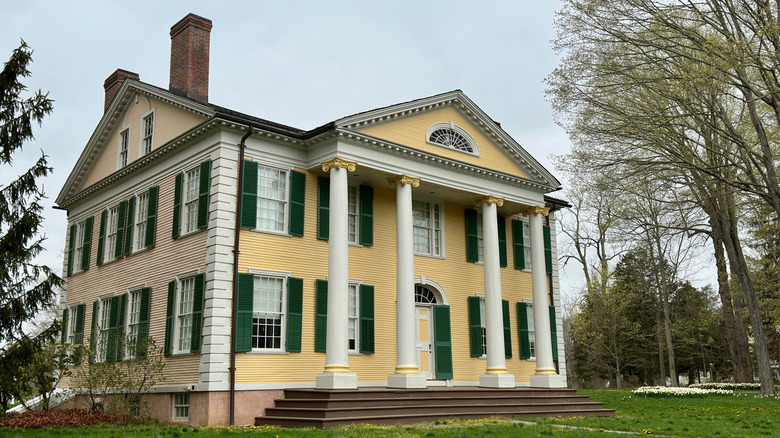
Connecticut’s historical narrative extends far beyond early colonial governance into the realms of art and culture. At the turn of the 20th century, the coastal town of Old Lyme became the unlikely epicenter of American Impressionism.
During the 1910s, painters from across the United States gravitated toward the scenic marshlands and maritime light of the Connecticut River estuary. Residing at a local boarding house run by Florence Griswold, these artists transformed the domestic space into a canvas itself, painting pastoral scenes directly onto doors and wood paneling. Today, this rich legacy is preserved at the Florence Griswold Museum, offering residents an immersive window into a pivotal era of American fine art.
The Contemporary Shift
As the 21st century progresses, Connecticut is experiencing a quiet demographic renaissance. While young professionals have long commuted between its leafy suburbs and the economic engines of New York City and Boston, retirees are now recognizing the state as an ideal permanent base. By combining its historic infrastructure with modern investments in walkability, healthcare accessibility, and environmental preservation, the Nutmeg State has successfully transitioned from a quiet suburban retreat into a dynamic, forward-thinking retirement destination.
Supporting Context & Metrics: Climate, Healthcare, and Active Aging
Choosing a retirement location requires careful consideration of practical factors—ranging from weather patterns and geographic convenience to health outcomes and economic indicators. Connecticut excels across multiple metrics that directly impact the quality of life for older adults.
Geographic Proactivity and Central New England Location
Situated centrally within the New England corridor, Connecticut grants residents unmatched regional access. For retirees who value cultural outings, Broadway shows, or world-class dining, New Haven sits roughly 80 miles from Manhattan, while Boston is approximately 140 miles to the northeast.
Despite its proximity to major megalopolises, Connecticut remains remarkably green and open. Approximately 60% of the state’s total land area is heavily forested, offering a serene, rural ambiance that contrasts sharply with the densely packed urban sprawl found in parts of Florida.
Navigating the Four-Season Climate
Unlike the monotonous climate of the deep South, Connecticut delivers a classic four-season experience.
- Winters: While the state occasionally encounters winter storms, average temperatures are moderated by the coastal influence of the Long Island Sound, making brisk walks along snowy shorelines entirely feasible. Meteorological trends indicate that winters are gradually growing milder.
- Springs: Springtime brings a spectacular botanical display, highlighted by the blooming cherry trees in New Haven’s historic Wooster Square during April.
- Summers: Summers are warm, sunny, and ideal for beach excursions, though changing global climate patterns have introduced higher humidity levels.
- Autumns: Connecticut’s fall foliage is the quintessential New England experience. Peaking slightly later than northern New England—typically from late October through November—the state’s forests erupt in vibrant shades of amber, crimson, and gold.
Healthcare Excellence and Longevity Rankings
When it comes to senior health, Connecticut consistently ranks among the elite states in the nation. According to comprehensive evaluations by U.S. News & World Report, the state secured the No. 3 ranking nationwide for overall healthcare quality.
Additionally, a 2025 assessment by Seniorly on active aging placed Connecticut at No. 6 in the country, driven by high marks in life expectancy, preventative care access, and infrastructure supporting senior wellness. While healthcare services carry a higher price tag compared to lower-cost regions, the caliber of medical facilities—anchored by institutions like Yale New Haven Health—provides retirees with profound peace of mind.
Official Statements and Expert Insights
The growing migration toward New England’s coastal and historic enclaves has caught the attention of demographers, urban planners, and environmental stewards alike.
Public health officials and state agencies emphasize that Connecticut’s deliberate investment in walkable town centers and protected open spaces directly contributes to superior aging outcomes. A spokesperson for the Connecticut Department of Energy and Environmental Protection (DEEP) noted:
"Our state’s commitment to maintaining over 110 state parks and 32 state forests is not merely an environmental conservation effort; it is a foundational public health strategy. By ensuring that seniors have accessible, beautifully maintained natural spaces within a short drive of their homes, we foster physical activity, mental well-being, and social connectivity."
Local community organizers in regions like the Greater New Haven area echo these sentiments. Recreational directors point to collaborative programs—such as the recreational permit system managed by the Regional Water Authority (RWA)—as vital tools for senior engagement. These permits grant older adults access to protected watershed lands for hiking, cross-country skiing, fishing, and guided nature walks.
Cultural institutions similarly report an influx of active retirees participating in community arts. Artistic directors from groups such as the Elm Shakespeare Company in New Haven and Shakesperience in Litchfield Hills highlight that older adults are not just passive audience members; they form the backbone of volunteer networks, acting crews, and lifelong learning programs.
Future Outlook: The Evolving Landscape of New England Retirement
As the Baby Boomer generation continues to age, the preferences driving retirement relocation are shifting away from seasonal vacation hubs toward communities that offer intellectual depth, environmental resilience, and robust social fabrics.
Connecticut is uniquely positioned to capitalize on this paradigm shift. Looking ahead, state and local planners are focusing heavily on sustainable infrastructure, expanding pedestrian-friendly downtown zones, and enhancing public transportation networks that connect historic coastal villages with major medical centers.
Furthermore, towns like East Haven, Essex, Old Lyme, and Old Saybrook are investing in climate-resilient coastal management to protect their maritime heritage while maintaining access to iconic recreation sites such as Hammonasset Beach State Park and Silver Sands State Park. These efforts ensure that future generations of retirees will continue to enjoy flat, accessible boardwalks, thriving wildlife sanctuaries, and pristine shoreline views.
For those willing to look beyond the well-trodden paths of the Sunshine State, Connecticut presents an enriching, health-conscious, and culturally vibrant alternative. By trading stifling humidity and transient tourist crowds for historic charm, coastal serenity, and a robust four-season lifestyle, retirees in the Nutmeg State are discovering that the true golden years shine brightest in New England.