For decades, the name Dolly Parton has been synonymous with the rugged, misty peaks of the Great Smoky Mountains, her humble roots in Sevierville, Tennessee, and the world-class family entertainment empire of Dollywood. However, a transformative new cultural destination has shifted the geographic axis of the Parton legacy firmly toward the heart of Music City. Opened in late September 2026, Dolly’s Life of Many Colors Museum stands as the definitive, monumental archive of one of the 20th and 21st centuries’ most enduring cultural icons.
Spanning an impressive 20,000 square feet within downtown Nashville’s newly minted, music-themed SongTeller Hotel, the museum offers an unprecedented, intimate retrospective of Parton’s life. Far exceeding the scope of traditional pop-culture exhibits, this immersive destination traces her trajectory "from the top of the mountains to the top of the world." Featuring the largest collection of her iconic costumes, personal effects, and behind-the-scenes archival materials ever assembled for public display, the museum operates as both a celebration of artistic triumph and a deeply personal narrative told through Parton’s own eyes.
This development arrives at a bittersweet juncture for millions of fans worldwide. Following Parton’s passing on August 26, 2026, the museum has transformed from a planned celebratory retrospective into a sacred repository of her life’s work. Just weeks before her death, Parton championed the project on social media, framing it as the culmination of her earthly storytelling. Today, the institution serves as a permanent monument to a self-made business mogul, philanthropist, songwriter, and global treasure who rose from a one-room cabin shared by twelve siblings to become a titan of American culture.
Detailed Chronology: From Mountain Cabin to Music City Monument
To fully understand the weight and significance of Dolly’s Life of Many Colors Museum, one must trace the remarkable timeline that bridged her impoverished Appalachian beginnings to the establishment of this downtown Nashville landmark.
The Appalachian Foundation (1946–1964)
Born on January 19, 1946, in Locust Ridge, Tennessee, Dolly Rebecca Parton was the fourth of twelve children born to Robert Lee Parton and Avie Lee Owens. Growing up in a modest cabin without electricity or running water, music served as a primary source of entertainment and community. Local musical influences—particularly her mother’s family, who performed traditional Appalachian folk and gospel music—shaped her early artistic sensibilities. By her early teens, Parton was performing on local radio and television stations in East Tennessee, driven by an unshakeable ambition to take her voice beyond the mountains.
Nashville Breakthrough and Global Stardom (1964–1985)
The day after graduating from high school in 1964, Parton packed her belongings and moved directly to Nashville. Her early years in the city were characterized by songwriting success for other artists before catching the eye of country music entertainer Porter Wagoner in 1967. Joining his nationally syndicated television show catapulted Parton into the mainstream.
Solo hits soon followed, including signature anthems like "Jolene," "I Will Always Love You," and "Coat of Many Colors"—the latter of which directly inspires the nomenclature of her Nashville museum. By the late 1970s and 1980s, Parton successfully transitioned into a mainstream pop crossover artist, starring in major Hollywood motion pictures like 9 to 5 (1980) and The Best Little Whorehouse in Texas (1982), cementing her status as a multimedia mogul.
In 1986, Parton returned to her East Tennessee roots by partnering with the Herschend family to open Dollywood in Pigeon Forge. Under her guidance, the theme park grew into a tourism juggernaut, regularly topping national attraction rankings and serving as an economic engine for the region. Concurrently, Parton expanded her philanthropic footprint through the Imagination Library, a book-gifting initiative that has mailed hundreds of millions of books to children worldwide. Despite her global footprint, Parton maintained a pervasive cultural presence in Nashville, writing, recording, and collaborating across genres well into her late seventies.
The Final Chapter and Museum Announcement (Late 2026)
In the summer of 2026, rumors of a major downtown Nashville cultural attraction tied to Parton began to circulate. On August 14, 2026—just twelve days before her passing—Parton used her official social media channels to officially announce the creation of Dolly’s Life of Many Colors Museum.
"From rags to rhinestones, I’ve been blessed with a life full of stories, and now I finally get to share them all with you in one place," Parton stated in her final public address regarding the project. "It’s the biggest exhibit of yours truly that the world has ever seen."
Following her passing on August 26, the museum’s impending opening shifted from a celebration of an active legend to a deeply emotional pilgrimage site for the global music community. The museum officially opened its doors to ticket holders on September 29, 2026, instantly anchoring Nashville’s tourism landscape.
Supporting Context & Metrics: Inside the 20,000-Square-Foot Archive
Dolly’s Life of Many Colors Museum is not merely a collection of glass cases housing old stage clothes; it is a meticulously engineered, multi-sensory storytelling experience. Occupying over 20,000 square feet within the newly developed SongTeller Hotel, the institution leverages modern museum design to contextualize Parton’s multifaceted career.
Architectural Layout and Design
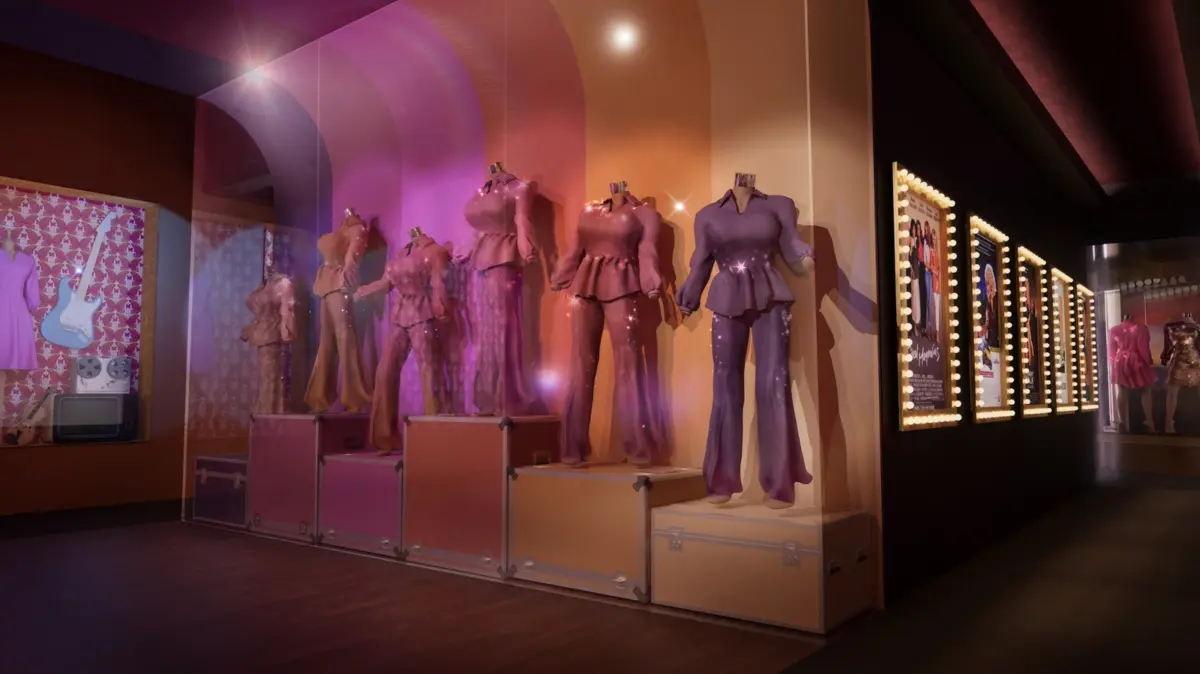
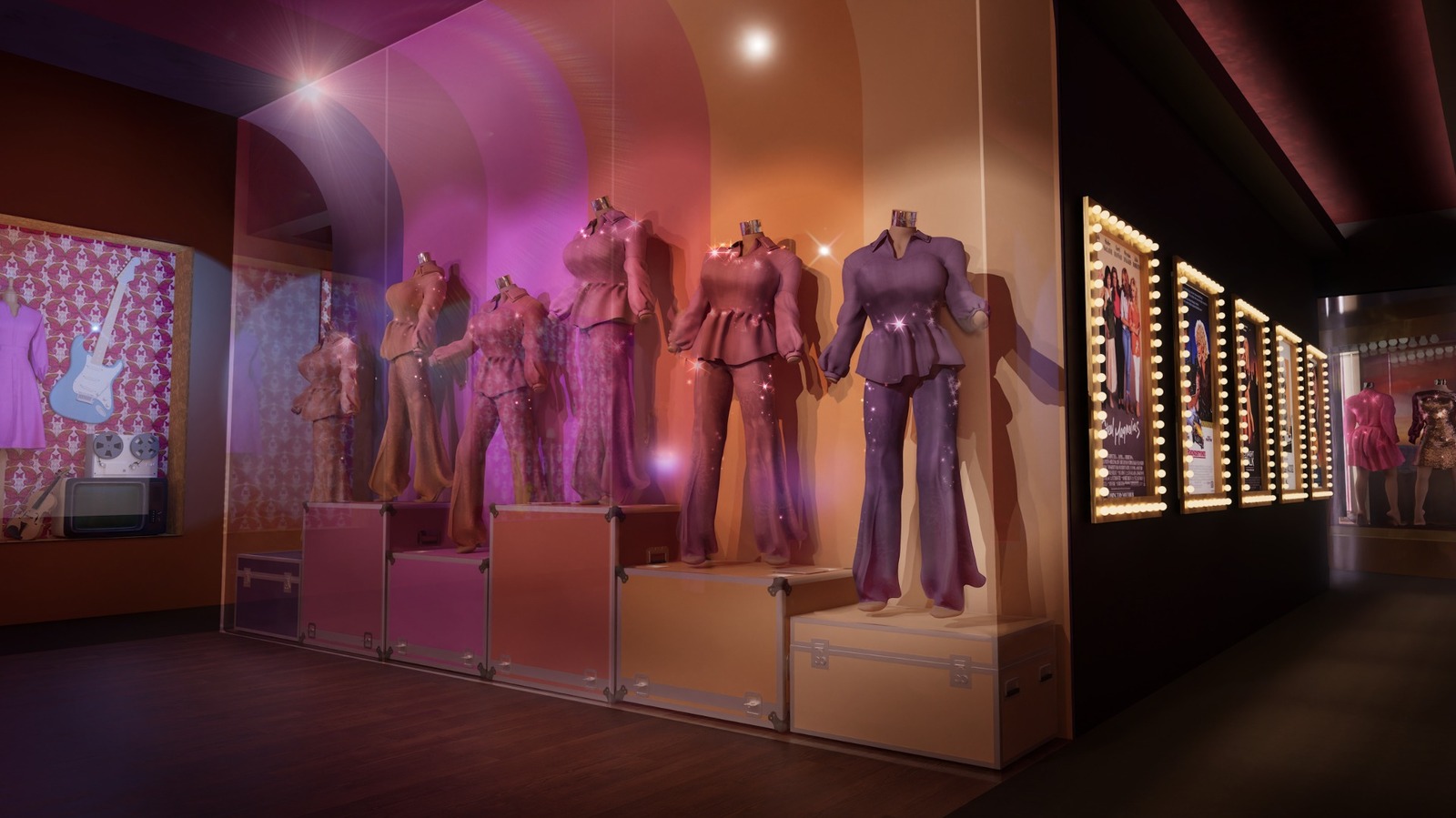
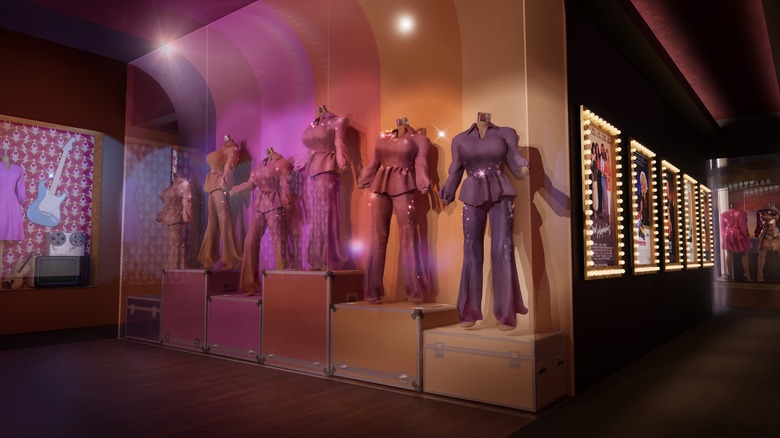
The museum’s spatial design mirrors Parton’s flamboyant, vibrant personal aesthetic. Renderings released prior to its opening promised an explosion of color, textures, and theatrical lighting. The exhibition space is divided into distinct thematic zones:
The Locust Ridge Reconstruction: An immersive, sensory-rich recreation of her childhood environment, exploring the socioeconomic realities of growing up as one of twelve children in East Tennessee.
The Songwriting Sanctuary: A dedicated acoustic and visual space examining her legendary songwriting catalog, featuring original handwritten lyrics for tracks like "I Will Always Love You" and "Jolene."
The Silver Screen & Hollywood Years: Exhibits showcasing costumes, scripts, and behind-the-scenes media from her cinematic career, highlighting her pioneering role as a female producer and star in Hollywood.
The Rhinestone Runway: A massive, high-fashion corridor displaying dozens of her most iconic, crystal-encrusted stage costumes designed by her longtime creative team.
Economic and Tourism Impact
Nashville’s tourism economy has long been anchored by the Country Music Hall of Fame and Museum, the Ryman Auditorium, and the honky-tonks of Lower Broadway. The integration of Dolly’s Life of Many Colors Museum into the downtown footprint—coupled with the SongTeller Hotel—represents a significant capital investment in upper-tier cultural tourism. Analysts project that the museum will draw hundreds of thousands of domestic and international visitors annually, cementing Nashville’s status as the epicenter of American roots and country music preservation.
Official Statements and Archival Highlights
The curation of the museum was executed with Parton’s direct oversight during her final years. According to archival notes provided by the institution, every artifact was chosen to reflect a specific truth about Parton’s identity—balancing her self-deprecating humor with her fierce business acumen and artistic vulnerability.
"From rags to rhinestones, I’ve been blessed with a life full of stories, and now I finally get to share them all with you in one place. It’s the biggest exhibit of yours truly that the world has ever seen."
— Dolly Parton (Official Social Media Announcement, August 2026)
Museum curators emphasize that the exhibits intentionally avoid sanitizing Parton’s life story. Instead, visitors are invited behind the scenes of her most iconic moments—witnessing both the immense pressure of building an independent entertainment empire and the private dedication required to sustain a six-decade career in an industry historically resistant to independent female artists.
Key Artifacts on Display
The Original "Coat of Many Colors": A symbolic centerpiece representing the foundational narrative of her mother’s craftsmanship and the emotional resilience forged in childhood.
Stage and Television Costumes: Over a hundred custom-made garments spanning her early appearances on The Porter Wagoner Show to her rock-and-roll induction eras.
Interactive Imagination Library Exhibit: A dedicated space honoring her global literacy initiative, allowing visitors to engage with the educational legacy she considered her most important contribution to society.
Future Outlook: A Comprehensive Parton Pilgrimage
While Dollywood remains the crown jewel of East Tennessee’s tourism sector, the opening of Dolly’s Life of Many Colors Museum in Nashville creates a distinct geographic and thematic duality for fans undertaking a Tennessee pilgrimage.
Travelers tracing Parton’s life can now construct a comprehensive itinerary spanning the state:
Nashville (The Urban Legacy): Visitors can begin at the SongTeller Hotel to explore the museum, absorbing the high-fashion, cinematic, and songwriting milestones of her career.
Middle Tennessee (The Leisure Stops): Approximately an hour’s drive south of Nashville lies Dolly’s Tennessean Travel Stop in Cornersville, Tennessee—a sprawling modern travel plaza featuring regional barbecue, live music spaces, and the dedicated "Doggy Parton" dog park.
East Tennessee (The Roots): A three-hour drive east leads travelers to Sevierville and Pigeon Forge, where they can visit her hometown, explore the Great Smoky Mountains National Park, and experience the timeless charm of Dollywood.
Dolly’s Life of Many Colors Museum ensures that while the physical presence of America’s most beloved songwriter has transitioned into history, her spirit, wit, and artistic brilliance remain preserved in vibrant, living color for generations to come.
Planning Your Visit
For travelers planning a trip to Nashville to experience the museum, the following operational details apply:
Location: Inside the SongTeller Hotel, downtown Nashville, Tennessee.
Hotel Guest Status: Museum entry is open to the general public; visitors do not need to be registered guests at the SongTeller Hotel to purchase tickets.
Ticketing Levels:
Value Tickets: Timed-entry options restricted to weekdays, offering budget-friendly access.
General Tickets: Standard timed-entry admission for selected dates and times.
Anytime Tickets: Flexible-entry passes permitting arrival at any time on a designated date.
Retail Access: A specialized museum store offering exclusive apparel, books, and commemorative merchandise is accessible exclusively to ticket holders.
Tickets can be secured online through the official museum portal starting at $31.99. Advance reservations are strongly recommended due to high anticipated demand from international fans and cultural tourists.