






Executive Overview
For over a decade, Dr. Britta Baechler, Director of Ocean Plastics Research at the Ocean Conservancy, has operated as a terrestrial scientist. Her professional life has been defined by the controlled environments of laboratories—analyzing hundreds of gathered samples, poring over dense spreadsheets, and tracking the elusive pathways of synthetic pollutants from human hands into fragile ecosystems. Yet, theoretical models and indoor analytics can only tell half the story.
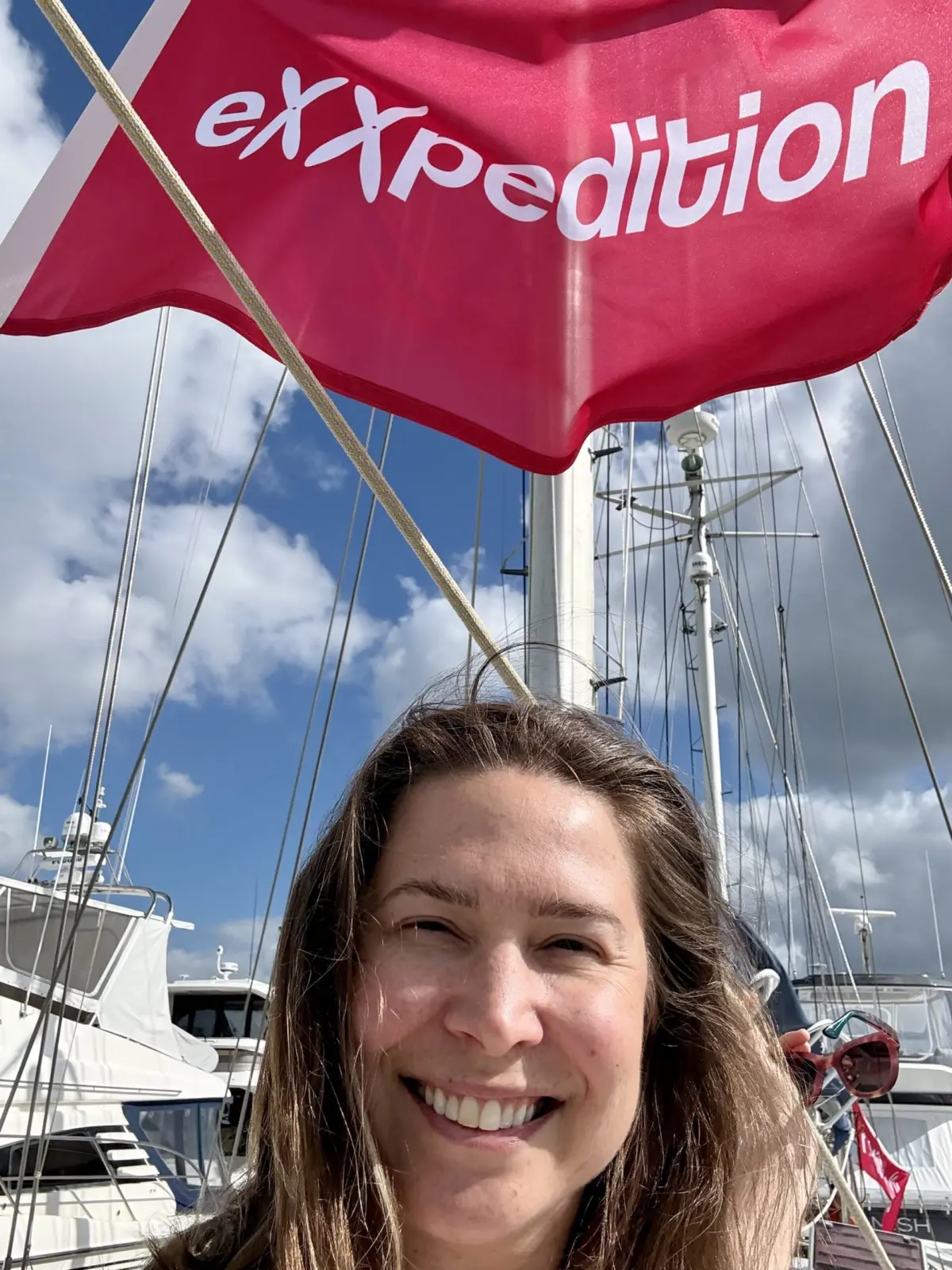
This past spring, Dr. Baechler traded her traditional lab coat for a heavy-duty lifejacket to participate in a pioneering, high-seas research venture: the first leg of the eXXpedition South Pacific voyage. Operating across a grueling 10-day expedition aboard the 70-foot research vessel Wind Shift, Dr. Baechler and an all-female multidisciplinary crew traversed the waters from Auckland, New Zealand, to the picturesque yet vulnerable Bay of Islands.
The mission was as rigorous as it was symbolic. By combining urban street audits, remote beach cleanups, and high-seas surface trawling, the crew aimed to map the uninterrupted continuum of plastic pollution—tracing synthetic waste from its terrestrial origins in bustling city centers to its final, insidious accumulation in remote marine environments. What they uncovered serves as an urgent wake-up call for global environmental policymakers, corporate manufacturers, and everyday consumers alike: plastic pollution is pervasive, borderless, and demands immediate systemic intervention.
Detailed Chronology: Ten Days on the South Pacific
The expedition, which ran from April 27 to May 6, 2026, was structured to capture a holistic snapshot of how anthropogenic waste travels across environmental boundaries.
Phase 1: Urban Terrestrial Audits (Auckland)
The journey began on the concrete streets of Auckland. Before setting foot on the research vessel, the crew deployed measuring tapes, observation logs, and field equipment to audit city blocks. The objective was to document the immediate precursors to marine debris—litter dropped on urban asphalt that inevitably hitches a ride via stormwater runoff, rivers, and wind streams into the Hauraki Gulf.
Phase 2: Crossing the Hauraki Gulf to Aotea Great Barrier Island
Departing Auckland aboard the Wind Shift, the 12-woman crew sailed into the Hauraki Gulf, charting a course toward Aotea Great Barrier Island. Despite being one of the most rigorously protected and geographically remote stretches of New Zealand’s coastline, the island offered a sobering reality check. Working in partnership with the local environmental NGO Sustainable Coastlines, the crew landed on an isolated beach to conduct a comprehensive debris audit.
The findings shattered any illusions of isolation. Despite the beach’s distance from major industrial centers, the shoreline was littered with weathered bottle caps, fragmented food packaging, degraded plastic pellets, and discarded commercial fishing gear. This phase of the voyage visually reinforced a central tenet of modern oceanography: plastic does not respect remoteness.
Phase 3: High-Seas Manta Trawling and Onboard Analysis
As the Wind Shift ventured further into open waters, the scientific protocol shifted from macro-debris collection to microplastic extraction. Deploying specialized manta tow nets—long, cone-shaped mesh instruments towed alongside the vessel—the crew captured surface-layer seawater samples laden with zooplankton, krill, and synthetic particles.
For Dr. Baechler, processing these samples onboard presented an immediate, visceral challenge. Sorting microscopic polymer threads from krill-dense seawater under a dissecting microscope while navigating the swell of the South Pacific tested both scientific precision and physical endurance. Seasickness coupled with fine microscopy proved formidable, yet the data recovered from these remote pelagic zones provided undeniable proof of widespread ocean contamination.
Supporting Context & Metrics: The Ubiquity of Microplastic Fibers
To fully grasp the significance of Dr. Baechler’s findings at sea, one must examine the broader metrics governing the global microplastics crisis.
The Dominance of Microfibers
Among the myriad plastic fragments, pellets, and films recovered from the manta trawls, one specific pollutant dominated the samples: microplastic fibers. Invisible to the casual observer and often no thicker than a single human hair, these microscopic threads represent the most abundant form of microplastic pollution in the global environment.
While microfibers can originate from the degradation of larger items like weathered ropes, cigarette butts, and single-use wet wipes, the primary driver of microfiber pollution is far more ubiquitous: our wardrobes. Synthetic textiles—including polyester, nylon, acrylic, and spandex—shed millions of microscopic strands during everyday wear and routine washing.
Shockingly, scientific studies indicate that a single standard load of laundry can generate up to 18 million microfibers. Wastewater treatment plants capture a significant portion of these particles, but billions still bypass municipal filtration systems, discharging directly into rivers, estuaries, and eventually the open ocean. Finding these identical synthetic signatures floating in pristine-looking waters miles away from any washing machine underscores the alarming efficiency with which atmospheric and oceanic currents distribute anthropogenic waste.
The Power of an All-Female Scientific Vanguard
The nomenclature of the eXXpedition—highlighting the "XX" chromosome—is a deliberate nod to gender representation in scientific and maritime fields traditionally dominated by men. The 12-member guest crew brought together a formidable brain trust, uniting expertise in:
- Structural Engineering
- Circular Economy Strategy
- Sustainable Fashion Design
- Plastics and Environmental Research
- Marine Robotics
This cross-disciplinary synergy was vital. Rather than viewing the plastic crisis solely through a biological or oceanographic lens, the crew analyzed the entire lifecycle of polymers: how they are engineered, how they are marketed, how consumers utilize them, how municipal waste systems fail to contain them, and how they ultimately degrade in marine environments.
Official Statements and Perspectives
Reflecting on the grueling nature of the expedition and the psychological weight of the data collected, Dr. Baechler emphasized that the journey transformed theoretical knowledge into an unshakeable call to action.
"I have been studying plastic pollution for more than a decade. I’ve analyzed hundreds of samples in labs, pored over data and spent years thinking hard about where plastics go once they leave our hands and enter the environment," Dr. Baechler noted. "There’s something even more sobering about hand-picking them out of a seawater sample collected from pristine-looking waters. It was a good reminder of why understanding where plastic comes from, how it moves and where it ends up is so critical to addressing the problem at its roots."
The emotional and physical toll of the voyage—balancing seasickness with meticulous scientific extraction—forged a profound bond among the crew members.
"The plastic pollution crisis is a human problem, and solving it requires all of us," Dr. Baechler reflected. "The courage and dedication of the women I shared those 10 days with is something I won’t forget. Going to sea, doing the science and pushing through discomfort to collect data that matters was not easy. We were seasick some days and exhilarated others. Despite that fact, we showed up for it fully, every day."
Future Outlook: Translating Data into Systemic Solutions
While beach cleanups and manual surface trawls offer immediate aesthetic relief and vital baseline data, researchers and environmental advocates agree that scrubbing coastlines will never outpace the rate of global plastic production. The ultimate objective of expeditions like eXXpedition is to build an irrefutable evidence base that drives systemic, structural change.
Targeting the Source: Washing Machine Filters
Fortunately, unlike complex industrial chemical pollutants, tackling the most prevalent form of ocean microplastics—microplastic fibers—features an immediate, highly effective, and economically viable technological solution: washing machine filters.
Much like the lint traps installed in standard household clothes dryers, external or integrated microfiber filters use tightly woven mesh to intercept synthetic threads before wastewater leaves the home. Studies indicate that outfitting washing machines with these specialized filters can immediately reduce microfiber discharge by roughly 90%.
Policy and Advocacy: The Path Forward
To achieve widespread adoption, voluntary consumer measures must be backed by aggressive legislative action. Environmental organizations like the Ocean Conservancy are actively pushing lawmakers to mandate microplastic fiber filters in new washing machines through regional and national policies.
Initiatives such as Plastic Free July serve as critical catalysts for public engagement, encouraging citizens to contact elected officials and demand legislative safeguards against microfiber pollution. By combining grassroots activism, advanced marine research, and corporate accountability in product design, society can systematically stem the tide of plastic before it reaches our most treasured marine sanctuaries.
As Dr. Baechler’s journey aboard the Wind Shift powerfully demonstrates, the crisis is daunting, but the solutions are within reach. The ocean is undoubtedly worth fighting for—whether viewed from the deck of a 70-foot sailing vessel in the South Pacific or through the lens of a laboratory microscope.
The eXXpedition South Pacific I voyage officially sailed from Auckland to the Bay of Islands from April 27 to May 6, 2026. For further details regarding the research itinerary, scientific findings, and upcoming expeditions, visit eXXpedition’s official voyage portal. To support ongoing legislative efforts against microplastic pollution, visit the Ocean Conservancy Action Center.