








Executive Overview
For decades, metropolitan powerhouses like Boston have served as the quintessential dream destinations for active retirees. Boasting world-class cultural institutions, storied historic neighborhoods, exceptional culinary landscapes, and legendary sports franchises, cities like Boston represent the pinnacle of urban engagement. However, as many relocating seniors quickly discover, the romanticized vision of a vibrant northeastern lifestyle comes with an unforgiving meteorological caveat: bone-chilling winters where average temperatures plunge into the low twenties, effectively freezing outdoor pursuits for months at a time.
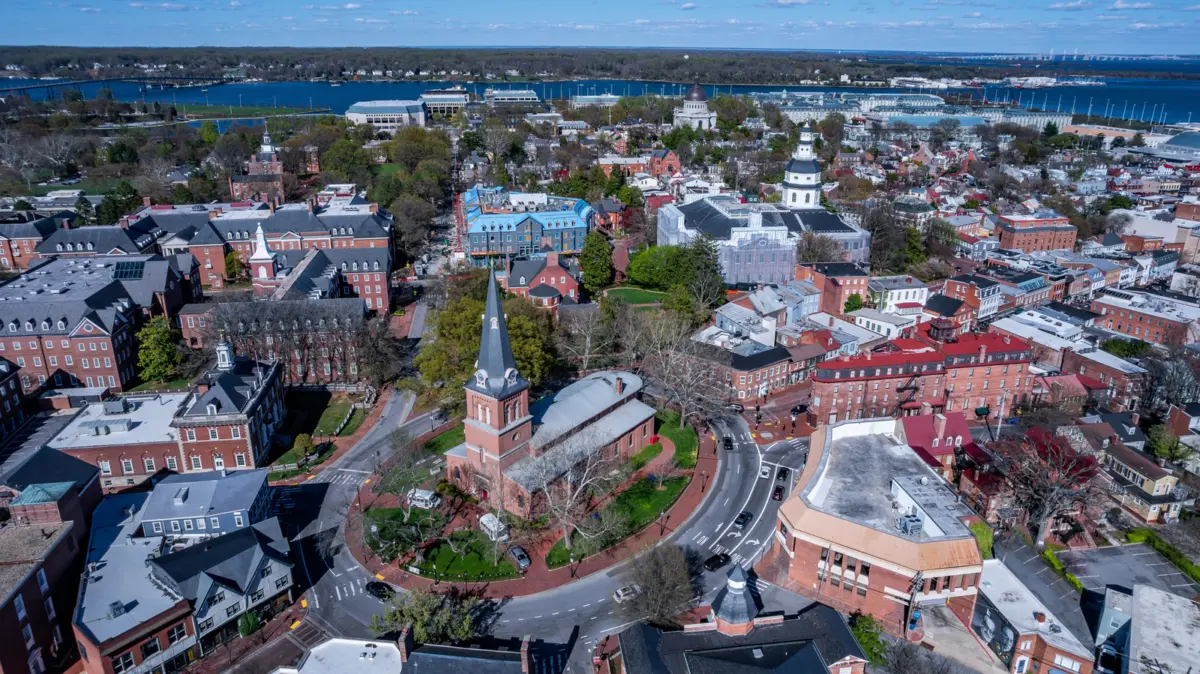
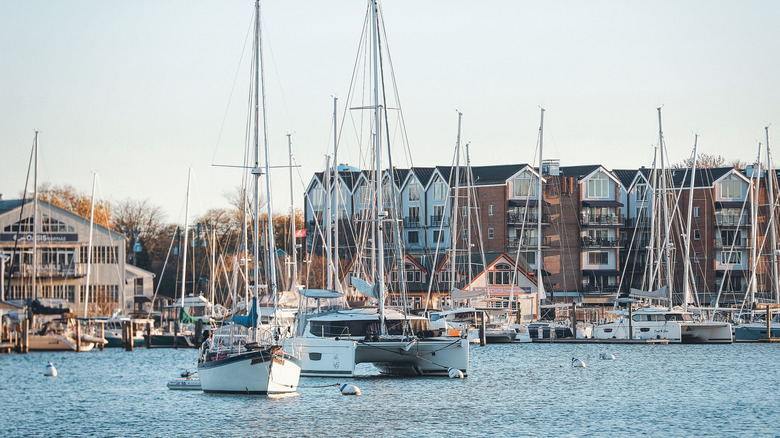
For those unwilling to compromise an active, outdoor-oriented lifestyle for urban sophistication, a compelling alternative is capturing the attention of planners nationwide. Nestled along the picturesque convergence of the Chesapeake Bay and the Severn River lies Annapolis, Maryland. Established in 1649, this historic state capital offers a compelling proposition: a rich tapestry of American history, vibrant maritime culture, and a temperate mid-Atlantic climate that renders punishing winter deep-freezes a rarity. With over 20 percent of its population already aged 65 and older, Annapolis is quietly stepping out of the shadow of northern metropolises to claim its title as the premier Chesapeake Bay retirement haven.
Detailed Chronology: From Colonial Port to Modern Retirement Sanctuary
To fully understand the enduring appeal of Annapolis as a contemporary sanctuary for retirees, one must trace its remarkable trajectory through American history—a timeline that spans nearly four centuries of profound political, architectural, and cultural evolution.

The Colonial Era and Revolutionary Roots (1649–1789)
- 1649: Puritan refugees fleeing Virginia settle the area originally known as Providence, which later evolves into Annapolis, named in honor of Queen Anne.
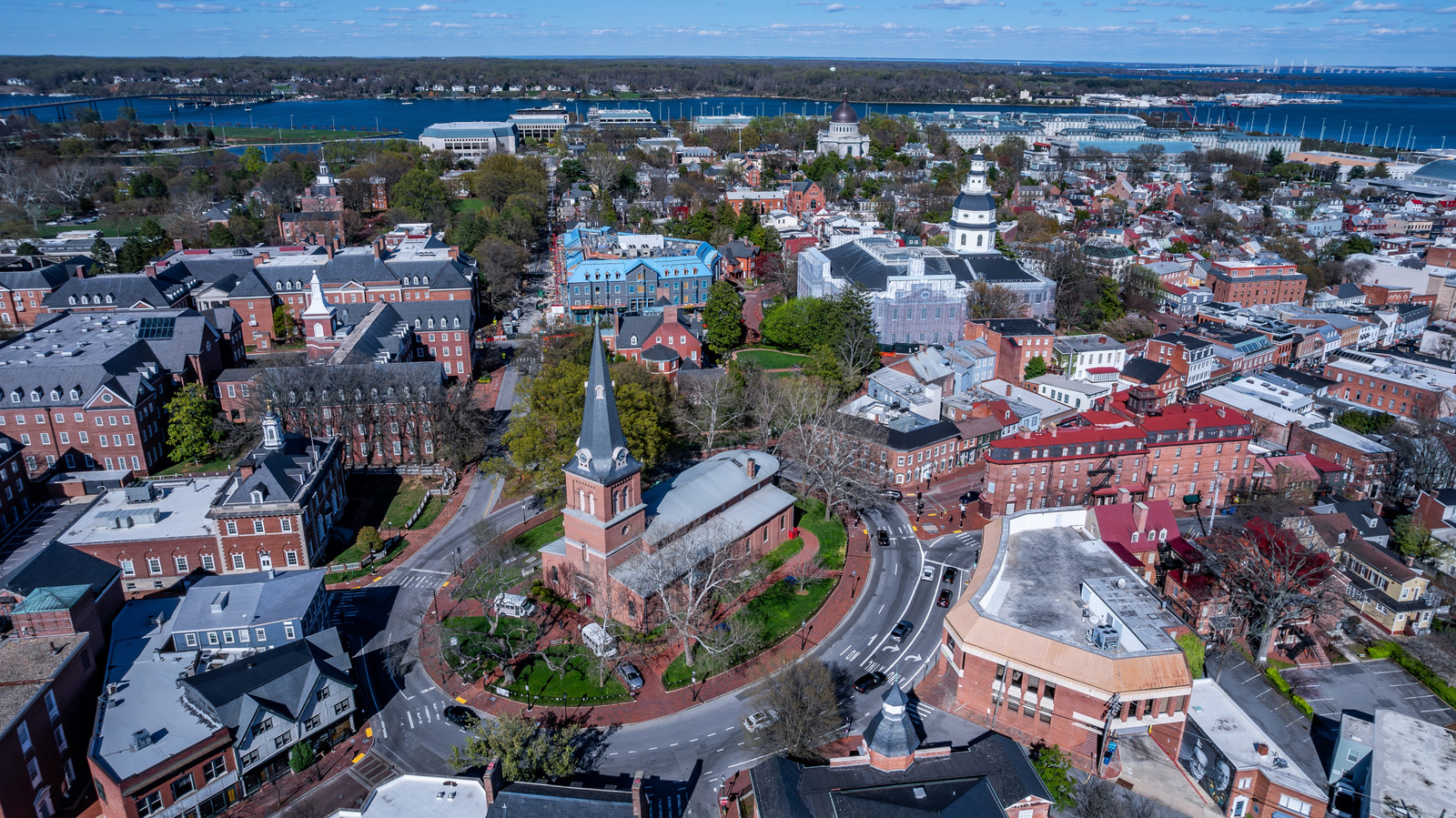
- 1694: The capital of the Province of Maryland is officially relocated to Annapolis, prompting the laying out of its iconic, European-inspired radial street grid—centered around the Maryland State House and Church Circle—which remains remarkably intact today.
- 1772–1779: Construction begins on the iconic Maryland State House. Featuring the largest wooden dome built without nails in the United States, this architectural marvel goes on to serve as the temporary capital of the United States from November 1783 to June 1784. It is here that George Washington resigns his commission as commander-in-chief of the Continental Army, and the Treaty of Paris is ratified, formally ending the Revolutionary War.
- 1774: Wealthy merchant and patriot William Paca constructs his famed five-part Georgian brick mansion and elaborate garden in the heart of the city—now preserved as a National Historic Landmark and a testament to 18th-century craftsmanship.
The Maritime Maturation and Naval Ascendancy (1845–1950s)
- 1845: The United States Naval Academy is established in Annapolis on the grounds of the former Fort Severn, forever cementing the city’s identity as a premier nautical capital and introducing generations of midshipmen to its storied waterfront.
- Late 19th and Early 20th Centuries: Neighboring enclaves like Eastport transition from industrial shipyards and oystering hubs into vibrant residential working-waterfront communities, establishing traditions of boatbuilding and competitive sailing that endure into the modern era.
The Preservation Movement and Contemporary Renaissance (1960s–Present)
- 1965: Recognizing the rapid pace of post-war development threatening historic assets, local leaders successfully lobby for the creation of Historic Annapolis, sparking one of the most successful urban preservation movements in American history.
- 1980s–Present: The city’s downtown commercial corridors and residential districts achieve status as a National Historic Landmark District, safeguarding more than 100 original 18th-century brick and timber structures. Today, Annapolis attracts retirees seeking walkable, culturally rich, and visually stunning neighborhoods that seamlessly bridge colonial heritage with modern luxury.
Supporting Context & Metrics: Climate, Neighborhoods, and Cost of Living
For retirees evaluating a relocation from high-cost, harsh-climate northern hubs, a rigorous examination of the data is essential. Annapolis presents a balanced profile of environmental comfort, demographic alignment, and economic trade-offs.
Climate and Weather Dynamics
While northern cities like Boston routinely record harsh winter temperatures averaging 23 degrees Fahrenheit and heavy seasonal blizzards, Annapolis offers a considerably milder maritime microclimate.
- Winter Temperatures: Average winter lows hover between 31 and 43 degrees Fahrenheit. While brisk enough to maintain a distinct seasonal feel, the climate rarely dips into prolonged, immobilizing deep freezes.
- Snowfall: Annual snowfall averages a manageable 15 inches, typically falling between November and March. This light accumulation allows municipal services to clear streets rapidly, ensuring minimal disruption to daily routines, errands, and outdoor exercise schedules.
- Year-Round Recreation: The temperate climate ensures that outdoor enthusiasts are not driven indoors for months on end. Parks, waterfront promenades, and historic walking trails remain accessible virtually 365 days a year.
Architectural Landscapes and Neighborhood Profiles
Annapolis offers distinct residential enclaves tailored to varying retirement lifestyles, all sharing a high walkability quotient and deep historical roots.
- The Historic District:
- Vibe: Bustling, culturally dense, and visually striking.
- Features: Lined with original Georgian, Federal, and colonial structures, this neighborhood places residents just steps from the Maryland State House, the William Paca House, and the vibrant commercial hub of Main Street.
- Considerations: Prospective buyers must navigate local historic preservation guidelines regarding home renovations and exterior maintenance.
- Eastport:
- Vibe: Laid-back, nautical, and community-focused.
- Features: Situated just across Spa Creek from downtown, Eastport offers stunning vistas of the Chesapeake Bay, historic bungalows alongside contemporary residences, and a thriving dockside culinary scene. It is home to the esteemed Eastport Yacht Club and the award-winning Annapolis Maritime Museum & Park.
Economic Indicators and Demographics
- Senior Population: According to United States Census Bureau data, adults aged 65 and older comprise just over 20 percent of Annapolis’ population, ensuring a robust peer network and targeted municipal services.
- Cost of Living: The primary financial consideration for potential transplants is the city’s cost of living, which runs approximately 27 percent higher than the national average. This premium is driven largely by high-demand coastal real estate, property taxes, and localized service costs, though it remains comparable to—or in some cases more favorable than—major northeastern hubs like Boston or New York.
- Proximity to Major Centers: Annapolis occupies a strategic geographic sweet spot, located approximately 40 minutes from both Baltimore and Washington, D.C. This grants retirees easy access to world-class metropolitan amenities, international airports, and specialized federal institutions without requiring them to live directly amid urban congestion.
Official Statements and Community Perspectives
The intentional cultivation of Annapolis as an age-friendly, culturally vibrant destination is underscored by statements from local civic leaders, cultural administrators, and preservation advocates who champion the city’s unique blend of heritage and modern livability.

Jane Miller, director of community outreach for Historic Annapolis, emphasizes the active role that retirees play in maintaining the city’s cultural fabric:
"Annapolis is not a museum frozen in amber; it is a living, breathing community. Our retirees do not simply move here to watch the boats pass by—they immerse themselves in our civic life. Whether they are volunteering as docents at our 18th-century historic properties, serving on neighborhood preservation boards, or mentoring young sailors, older adults form the absolute backbone of our cultural institutions."
Dr. Thomas Vance, a geriatric care specialist practicing in the region, notes the profound physical and mental health benefits of the local climate and urban design:
"When advising patients looking to relocate from northern climates, we look closely at winter mobility and social isolation risks. Annapolis offers an exceptional prescription: walkable street grids that encourage daily ambulation, a thriving network of clubs and active-aging centers, and a winter climate that avoids the debilitating cold snaps common further north. It is an environment that actively encourages physical independence and social engagement well into later life."
Local municipal planners also highlight ongoing investments in senior-centric infrastructure. The Annapolis Senior Activity Center serves as a vital anchor, coordinating an extensive calendar of affordable day trips, fitness classes, and educational workshops designed to integrate newcomers seamlessly into the community.
Future Outlook: Sustainability, Growth, and the Next Wave of Chesapeake Living
Looking ahead, Annapolis faces the delicate challenge common to premier waterfront destinations: balancing explosive demand from incoming retirees with the imperative of environmental and infrastructural stewardship.
Climate Resilience and Infrastructure
As a low-lying coastal city intimately tied to the Chesapeake Bay watershed, Annapolis has made significant long-term investments in climate resilience. Municipal planning initiatives currently focus on upgrading stormwater management systems, elevating vulnerable dockside roadways (particularly in low-lying areas like City Dock and Eastport), and reinforcing shoreline bulkheads. These proactive measures ensure that the city’s historic charm and residential property values remain protected against rising sea levels and shifting weather patterns projected over the coming decades.
Healthcare Expansion
To support its expanding demographic of older adults, the regional healthcare infrastructure continues to scale. Luminis Health Anne Arundel Medical Center—the primary acute-care facility serving Annapolis—has continually expanded its specialized geriatric, cardiology, and outpatient orthopedic services. This ensures that retirees moving to the area have access to top-tier medical care close to home, mitigating a common anxiety associated with relocating away from major metropolitan centers.
The Road Ahead
For active seniors seeking a sophisticated, culturally rich alternative to the traditional retirement states of Florida or the harsh winters of New England, Annapolis stands out as an increasingly attractive option. By marrying colonial-era architectural splendor with a forward-looking civic culture, a vibrant maritime economy, and a forgiving mid-Atlantic climate, this Chesapeake Bay gem has firmly secured its status as a premier East Coast destination for the next generation of retirees.