





Executive Overview
Hawaii remains one of the world’s most coveted tropical destinations, drawing nearly 10 million visitors annually to its sun-drenched shores. Yet, this high volume of tourism has transformed iconic stretches of sand—such as Oahu’s Waikiki Beach, which welcomes nearly 4 million tourists a year, and Lanikai Beach, which regularly sees upwards of 15,000 daily visitors—into bustling commercial hubs lined with high-rise hotels, dense crowds, and limited breathing room. For travelers seeking the untouched, raw beauty of the Hawaiian archipelago, these heavily trafficked zones often fail to deliver the restorative tranquility they promise.
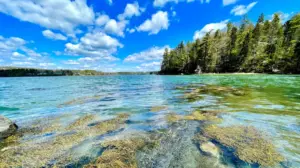
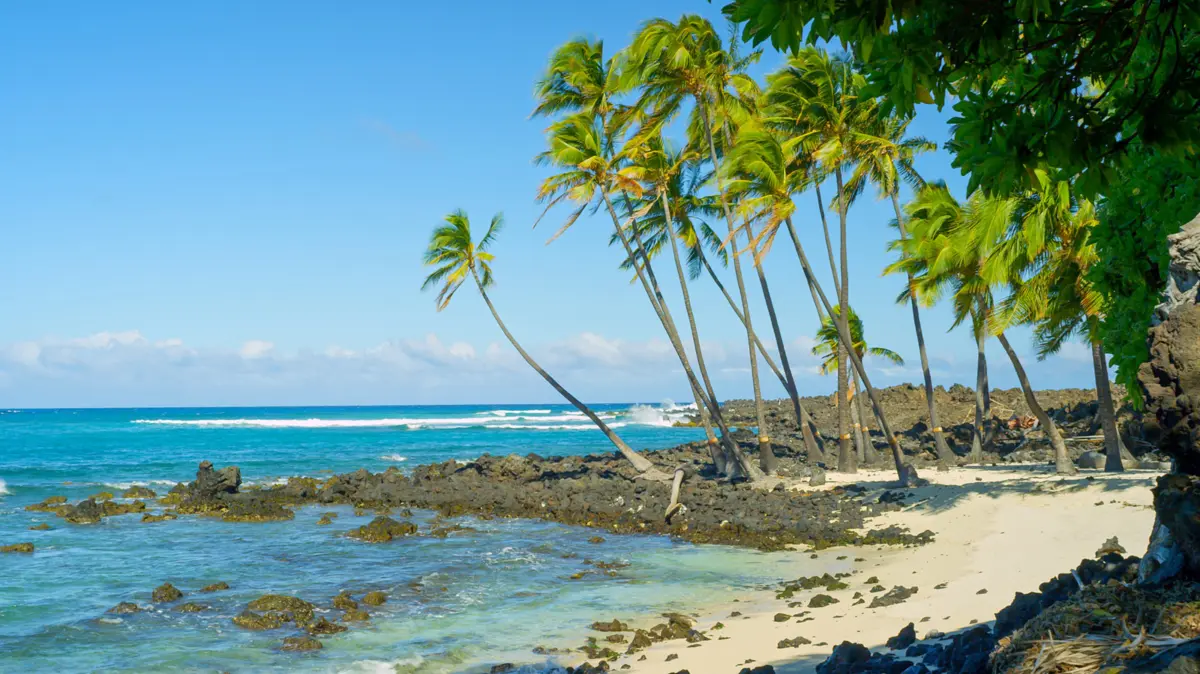
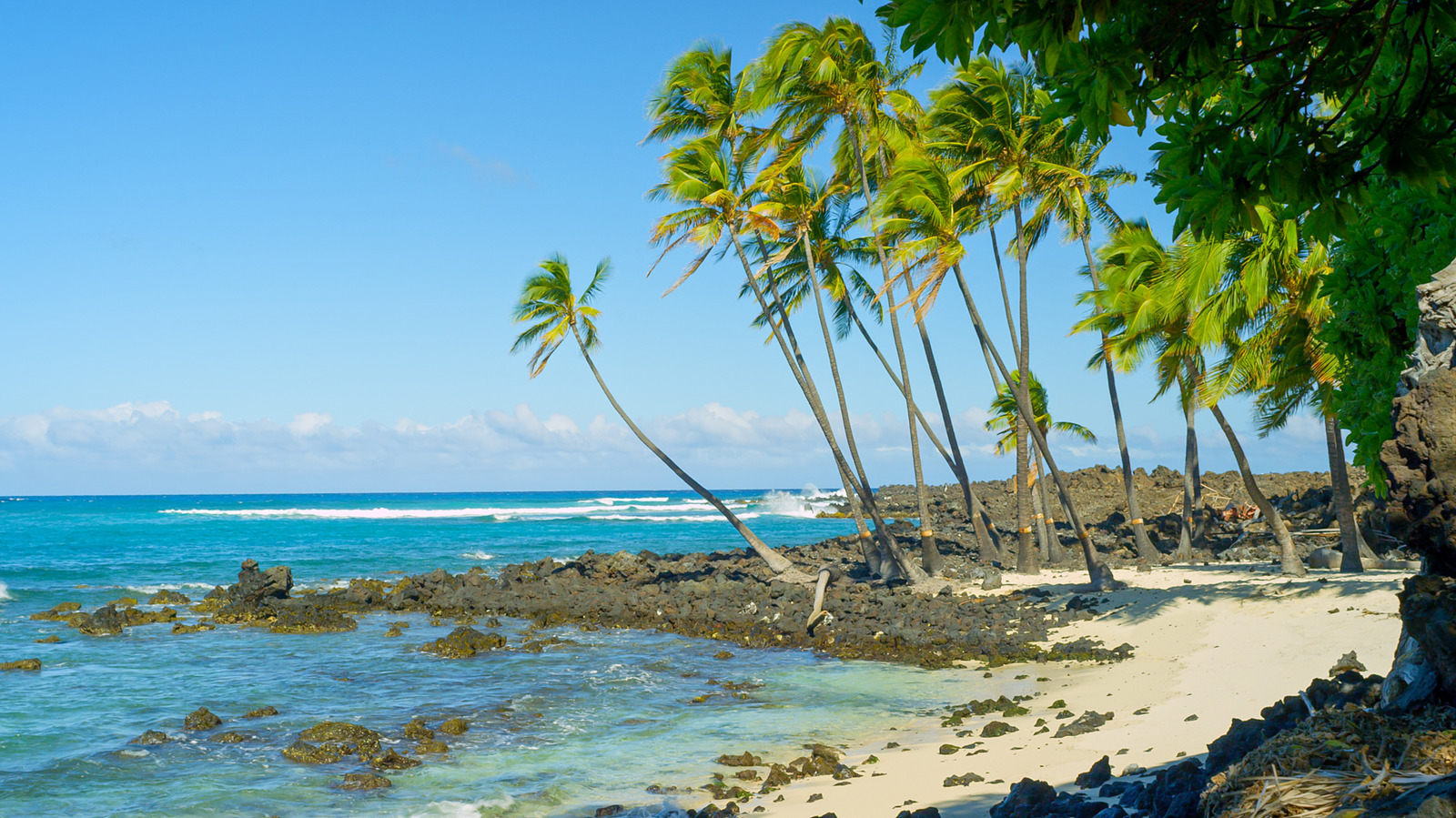
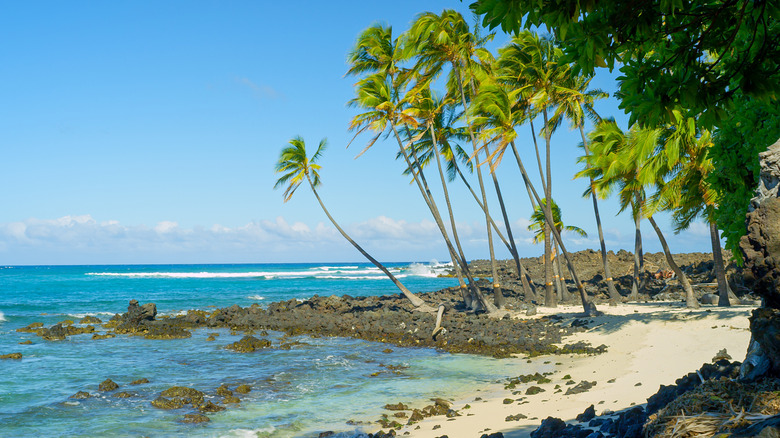
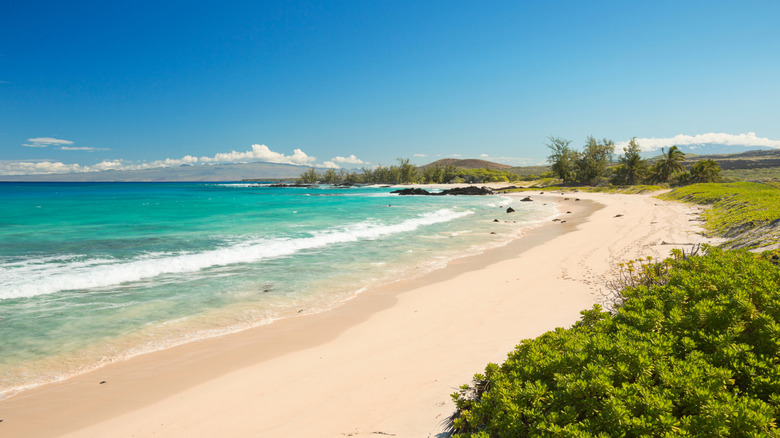
Enter Makalawena Beach. Situated along the rugged North Kona coast of the Big Island, this secluded coastal sanctuary offers a dramatic departure from the urbanized resort beaches of Waikiki. Spanning approximately three-quarters of a mile, Makalawena features three pristine, crescent-shaped beaches characterized by impossibly soft white sand, vibrant turquoise waters, and striking black lava rock formations.
However, paradise demands effort. Reaching Makalawena Beach requires traversing raw, unpaved terrain, navigating pothole-riddled access roads, or hiking across ancient volcanic rock within the borders of Kekaha Kai State Park. There are no beachfront cafes, no luxury resorts, no lifeguards, and virtually no shade. Yet, it is precisely this isolation that preserves its magic. For those willing to trade modern conveniences for unspoiled nature, Makalawena Beach stands as a triumphant reminder that Hawaii’s most breathtaking treasures remain preserved for those willing to work for them.
Detailed Chronology & Accessibility: The Journey to Isolation
Understanding Makalawena Beach requires examining how geography and conservation have shielded it from mass tourism. Nestled inside the expansive Kekaha Kai State Park on the Big Island’s northwestern shore, the beach’s history is deeply intertwined with volcanic activity. Centuries ago, lava flows from Hualālai carved the dramatic, jagged coastlines that now define the region. Over time, wind and waves battered these volcanic shelves, grinding them down into the fine, white coral sands that now line the shore.
The Path on Foot: The Ala Kahakai Trail
For hikers and adventure-seekers, the most reliable route to Makalawena Beach begins near Ka‘elehuluhulu Beach in the Mahai‘ula section of Kekaha Kai State Park. From here, visitors pick up a segment of the historic Ala Kahakai National Historic Trail—specifically the Mahai‘ula Trail.
- Distance: Approximately 1.8 miles each way (3.6 miles round trip).
- Terrain: Unforgiving. The path crosses undulating fields of black, jagged pahoehoe and ʻaʻā lava rock intermixed with stretches of loose sand.
- Preparation: Flip-flops are strictly discouraged. Sturdy, closed-toe hiking or trail-running shoes are mandatory to prevent severe foot injuries. Because the trail lacks tree cover, sun protection, including hats and reef-safe sunscreen, is essential.
The 4WD Alternative: Navigating the Access Road
Travelers equipped with true four-wheel-drive (4WD) vehicles with high clearance can bypass a portion of the hike via a notoriously rough, unpaved access road branching off Highway 19.
- Distance: Roughly 1.6 miles of challenging terrain.
- Conditions: The route is littered with deep potholes, protruding volcanic rocks, and loose gravel. Low-clearance sedans and standard 2WD rental cars run a severe risk of undercarriage damage, flat tires, or getting permanently stuck.
- The Smart Choice: Many cautious motorists choose to park in the designated areas near the highway before the road deteriorates, opting to complete the remainder of the journey on foot rather than risking vehicular disaster miles away from cellular service.
Supporting Context & Metrics: The Over-Tourism Dilemma
The appeal of Makalawena Beach cannot be fully understood without examining the broader socioeconomic and environmental pressures facing Hawaii’s tourism infrastructure.
The Numbers Behind the Crowds
- 10 Million: The approximate number of annual visitors traveling to the Hawaiian Islands, straining local ecosystems, water resources, and traffic networks.
- 4 Million: The staggering annual tourist footprint concentrated almost exclusively at Waikiki Beach on Oahu.
- 15,000+: The daily visitor count at Lanikai Beach, a residential neighborhood struggling to cope with vehicle congestion and illegal parking.
- 8:00 AM to 6:30 PM: The operational hours of Kekaha Kai State Park, designed to manage visitor flow and protect natural habitats from overnight camping and environmental degradation.
Ecological Preservation Through Inconvenience
Conservationists and state park officials have long recognized a direct correlation between infrastructural accessibility and environmental degradation. When a beach is easily accessible via paved roads, ample parking, and shuttle buses, it invariably experiences high volumes of litter, coral reef destruction from non-reef-safe sunscreens, and wildlife harassment.
By maintaining Makalawena Beach’s access roads as rugged, unpaved tracks and refusing to install commercial facilities, the Hawaii Department of Land and Natural Resources (DLNR) effectively enforces a natural limitation on foot traffic. This self-regulating barrier ensures that the fragile coastal ecosystem remains largely pristine, allowing native flora, coastal dunes, and marine life to thrive away from human disruption.
Flora, Fauna, and Recreation: Experiencing Makalawena Responsibly
While getting to Makalawena requires physical endurance, the destination offers an unmatched reward for marine enthusiasts, wildlife watchers, and nature photographers.
Wildlife Encounters
The pristine nature of Makalawena Beach makes it a frequent sanctuary for native and endangered Hawaiian wildlife.
- Hawaiian Monk Seals (ʻIlioholo I ka uaua): These critically endangered marine mammals frequently haul themselves onto the soft white sands to rest. Federal and state laws strictly prohibit approaching, touching, or disturbing resting monk seals. Visitors must maintain a distance of at least 150 feet.
- Hawaiian Green Sea Turtles (Honu): Often seen gliding gracefully through the shallows or basking near the shoreline. Like the monk seals, they are protected under the Endangered Species Act, requiring respectful observation from a distance.
Swimming, Snorkeling, and Ocean Safety
The azure waters off Makalawena Beach feature vibrant coral reef ecosystems that teem with tropical fish, making it one of the premier snorkeling destinations on the Big Island.
- Calm Conditions: During summer months or low-swell days, the water close to shore can be glass-calm, inviting leisurely swimming and wading.
- The Safety Caveat: There are no lifeguards on duty at Makalawena Beach. Ocean conditions along Hawaii’s windward and leeward coasts can fluctuate violently within minutes. Rip currents, sudden high surfs, and shore breaks present severe hazards. Visitors are strongly urged to consult real-time marine forecasts, wave reports, and surf advisories before entering the water. If conditions appear rough, the wisest choice is to remain on the sand.
Official Guidelines & Essential Preparation Checklist
Because Makalawena Beach is situated within an undeveloped state park, visitors must practice radical self-reliance. Failing to prepare adequately can turn a dream beach excursion into a grueling ordeal.
Essential Packing List
- Hydration: Pack significantly more water than you think you will need. There are no water fountains, restrooms, or taps to refill containers.
- Nutrition: Bring high-protein snacks, lunches, and energy bars. There are zero food vendors on-site.
- Sun Protection: Due to the absence of natural shade along the trails and parts of the beach, bring wide-brimmed hats, UV-protective clothing, and reef-safe sunscreen (mineral sunscreens containing non-nano zinc oxide or titanium dioxide) to protect the fragile marine life and coral reefs.
- Footwear: Durable hiking boots or trail shoes for the volcanic rock traverse, paired with sandals or water shoes for the beach itself.
- Waste Management: Practice a strict "Leave No Trace" policy. Whatever you pack in, you must pack out, including all food wrappers, waste, and containers.
Park Rules and Timelines
- Gate Hours: The park gates open promptly at 8:00 AM and close strictly at 7:00 PM, with park premises clearing out by 6:30 PM. Visitors must budget adequate daylight hours for both the outbound and return hikes.
- Vehicle Limits: Ensure your rental car agreement permits driving on unpaved roads (many standard agreements void insurance coverage on roads like the one leading to Kekaha Kai).
Future Outlook: Protecting Hawaii’s Wild Coasts
As tourism numbers to the Hawaiian Islands continue to rebound and push historical boundaries, the pressure on natural sanctuaries like Makalawena Beach will only intensify. The primary challenge facing state planners, environmentalists, and local communities in the coming decade will be balancing public access with resource preservation.
Sustainable Tourism Paradigms
Destination management organizations across the islands are shifting their messaging from mass marketing to mindful stewardship. Campaigns encouraging visitors to "Pono" (to do things the right way, with righteousness and balance) are becoming central to Hawaii’s tourism strategy. For remote locations like Makalawena, this means educating travelers on the value of quiet exploration over Instagram-driven mass tourism.
Infrastructure and Conservation Balances
While some travelers advocate for paving the access roads to Makalawena to improve emergency vehicle access and general convenience, local conservationists fiercely resist such proposals. Paving the road would inevitably strip Makalawena of its defining characteristic: its profound, hard-earned isolation.
Ultimately, Makalawena Beach serves as a philosophical blueprint for the future of travel. It challenges the modern impulse for instant gratification and seamless convenience. By demanding a sweat equity investment—a rugged hike across ancient lava fields, meticulous planning, and profound respect for wildlife—Makalawena rewards travelers with something far more valuable than a crowded resort lounge: an authentic, silent communion with the primal, unvarnished beauty of the Hawaiian wild.