










Executive Overview
As the winter travel season approaches, a definitive shift is underway in how globetrotters experience the tropics. For decades, the Caribbean has been marketed primarily as a haven of passive relaxation—an endless expanse of white-sand beaches, luxury resorts, and all-inclusive seclusion. However, a growing faction of culinary travelers is bypassing resort dining rooms in favor of grease-stained paper wrappers, open-air fryers, roadside charcoal grills, and bustling conch shacks.
At the center of this gastronomic movement are eight distinct destinations that stand above the rest for casual, hyper-local, and deeply authentic eating: Trinidad, Nassau, Guadeloupe, Martinique, Barbados, Jamaica, Puerto Rico, and St. Martin.
While each island boasts world-class fine dining, their true culinary souls are found on the pavement. These are places where a breakfast of doubles in Port of Spain, a hand-chopped conch salad on a dock in Nassau, or a fiery plate of jerk chicken in Jamaica offers a richer cultural education than any museum. This report explores the vibrant street-food ecosystems of these premier islands, analyzing how travelers can build an unforgettable winter itinerary centered entirely around the region’s dynamic culinary traditions.

Detailed Chronology: The Evolution of Caribbean Street Food Culture
To understand why the Caribbean’s roadside food culture is so potent today, one must examine the historical forces that shaped it. The street-food traditions of these eight destinations are not merely convenient options for quick meals; they are the delicious, edible archives of centuries of migration, colonialism, resistance, and cultural fusion.
The Historic Roots of Island Flavors
Long before the advent of modern tourism, the Caribbean was a crucible of global trade and forced migrations. Indigenous Taino and Arawak populations utilized local cassava, peppers, and smoking techniques over open wood fires. With the arrival of European colonizers—Spanish, French, British, and Dutch—came the transatlantic slave trade, which brought West African agricultural techniques, staples like plantains, yams, and okra, and sophisticated seasoning methods like the foundational base of green herbs, onions, and garlic known regionally as recaito or seasoning.
Following the abolition of slavery in the 19th century, indentured laborers from India, China, and the Middle East arrived in waves, particularly in territories like Trinidad, Guadeloupe, and Martinique. They introduced turmeric, cumin, chickpeas, curry powders, and new frying techniques. Street food naturally emerged as the most democratic equalizer of these varied traditions. Vendors working with limited means in bustling markets and near ports had to create portable, filling, and flavor-dense meals for working-class populations.
The Modern Culinary Renaissance
For a long time, regional tourism boards overlooked these local traditions, focusing instead on continental European and Americanized resort menus designed to appeal to conservative palates. However, the turn of the 21st century sparked a grassroots culinary revolution. Local chefs, food historians, and adventurous travelers began championing street food not as a "lowbrow" alternative, but as the pinnacle of authentic island identity.

Today, places like Trinidad’s Queen’s Park Savannah or Puerto Rico’s Piñones have evolved from purely functional working-class food hubs into celebrated culinary destinations. Food trucks, beach shacks, and roadside carts are now recognized as vital cultural institutions. This shift has been accelerated by digital media, food documentaries, and a global traveler demographic that increasingly prioritizes authentic, experiential, and culturally immersive dining over homogenized resort fare.
Supporting Context & Metrics: The Big Eight Street Food Destinations
While the Caribbean is filled with culinary gems, eight destinations offer an unmatched density, variety, and cultural depth of casual, local eating. Here is a breakdown of the regions leading the charge.
1. Trinidad: The Undisputed Street-Food Capital
If the Caribbean has a capital of casual eating, it is undoubtedly Trinidad, and specifically its vibrant capital, Port of Spain. Trinidadian cuisine is an extraordinary synthesis of Indian, African, Chinese, Middle Eastern, and European heritages.
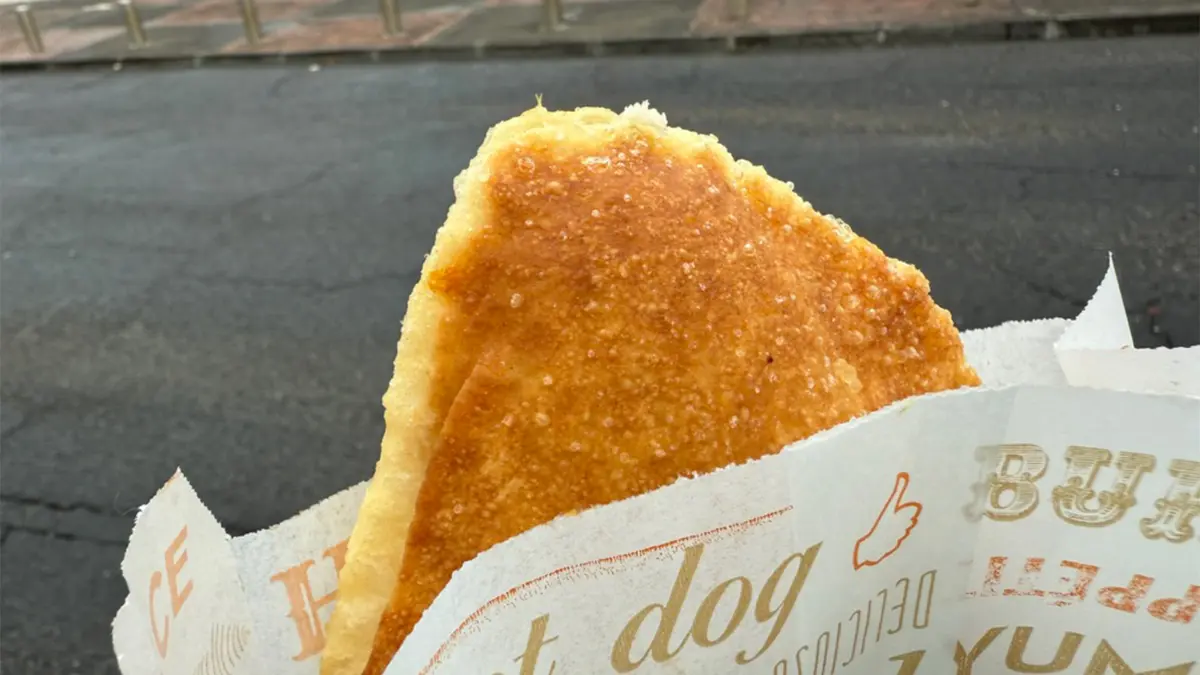
- The Icons: The undisputed king of Trinidadian street food is the double—two soft, turmeric-infused fried flatbreads (bara) sandwiching a filling of savory curried chickpeas (channa), customized with tamarind sauce, cucumber relish, hot pepper sauce, and chadon beni (culantro).
- Beyond the Double: Visitors will quickly discover pholourie (spiced split-pea fritters served with mango chutney), aloo pies (stuffed potato pastries), saheena, geera-spiced meats, and massive bowls of corn soup.
- Prime Locations: While food vendors have long anchored the energetic perimeter of Queen’s Park Savannah, exploring neighborhoods like St. James and Curepe reveals endless culinary adventures. Furthermore, a scenic 20-mile drive north from the capital to Maracas Bay rewards travelers with the legendary bake and shark—a thick, fried fillet of shark served in a fried bake, heavily customized at a self-serve condiment bar featuring pineapple chow, garlic sauce, and fiery pepper.
2. Nassau (The Bahamas): The Kingdom of Conch
In the Bahamas, street-food culture is intimately tied to the turquoise waters that surround the archipelago.
- The Icons: The queen conch is the star of the show. At bustling open-air markets, vendors pull fresh conch straight from the shell, dicing it on wooden blocks before your eyes to create raw conch salad spiked with lime, sour orange, goat peppers, onions, and tomatoes. Alternatively, cracked conch—battered and deep-fried until golden—and conch fritters are dietary staples.
- Prime Locations: Potters Cay, situated right beneath the bridge connecting Nassau to Paradise Island, is the ultimate destination. Here, colorful wooden shacks line the docks, where locals gather to drink ice-cold Kalik beer, eat conch prepared half a dozen ways, and watch the fishing boats unload their daily catch just feet away.
3. Puerto Rico: The Fritura Trail of Piñones
Puerto Rico’s street-food landscape is defined by its beloved frituras (deep-fried savory snacks) and the vibrant kioskos that line the coastal roads.
- The Icons: Alcapurrias (fritters made from a green banana and yuca dough stuffed with seasoned ground beef or crab), bacalaítos (crispy salted codfish fritters), pastelillos, and mofongo bites packed with garlic and pork cracklings (chicharrón).
- Prime Locations: A short, breezy drive east of San Juan brings travelers to Piñones, a coastal strip in Loíza where open-air kiosks smoke meats, fry plantains, and serve ice-cold coconut water straight from the husk. It is an essential weekend pilgrimage for locals and savvy travelers alike.
4. Jamaica: Smoke, Spice, and the Roadside Grill
Jamaica’s contribution to global street food is perhaps the most universally recognized, yet experiencing it on the island elevates it to an entirely different sensory level.
- The Icons: Authentic Jamaican jerk chicken and pork, slow-cooked over pimento wood and charcoal inside halved oil drums, blanketed in a fiery marinade of Scotch bonnet peppers, allspice, scallions, and thyme. This is frequently paired with hardough bread, festival (sweet cornmeal dumplings), and roasted breadfruit.
- Prime Locations: While roadside jerk pans can be found on virtually every corner, legendary stops include the historic community of Boston Bay in Portland (widely considered the birthplace of jerk) and bustling roadside stands across Negril and Ocho Rios.
5. Barbados: Bajan Fish Fry Culture
Barbados seamlessly blends British and West African culinary traditions into a sophisticated yet profoundly comforting street-food culture.
- The Icons: Flying fish is the national symbol, served either fried in a crispy batter or steamed in a rich, spicy gravy. Other favorites include cutter sandwiches (saltbread filled with fried fish or baked pork), breadfruit cou-cou, and savory fish cakes.
- Prime Locations: The legendary Friday night fish fry at Oistins Bay Gardens is a legendary Caribbean institution. Dozens of brightly painted stalls grill up freshly caught mahi-mahi, snapper, and flying fish to the soundtrack of reggae music and dominoes-clacking locals.
6. Guadeloupe and Martinique: French Flair meets Creole Soul
The French Antilles offer a distinct culinary identity where classic French techniques meet rich Creole spices and fresh seafood.
- The Icons: Accras de morue (airy, spiced salt-cod fritters), boudin créole (spicy blood sausage), and stuffed crab backs (crabe farci). For a substantial meal on the go, bokit—a fried flatbread sandwich stuffed with cheese, salted cod, chicken, or ham—is a local masterpiece.
- Prime Locations: Local morning markets (marchés) in Pointe-à-Pitre (Guadeloupe) and Fort-de-France (Martinique) offer an explosion of spices, rums, and hot food stalls, while beachside lolos (small, informal eateries) serve catch-of-the-day lunches wrapped in simplicity.
7. St. Martin: The Lolo Tradition of Grand Case
Divided between French and Dutch governance, St. Martin—and specifically the French side—is renowned for its culinary pedigree, offering exceptional casual dining alongside its famed fine-dining establishments.
- The Icons: Grilled ribs, chicken, and local fish, heavily seasoned with Creole spices and served with traditional sides like rice and peas, plantains, and potato salad.
- Prime Locations: The open-air barbecue shacks known as lolos, particularly concentrated along the waterfront in Grand Case, provide an unpretentious, smoke-filled, and utterly delicious dining experience under the stars.
Official Statements and Industry Insights
As tourism boards across the region pivot toward culinary tourism, local leaders and hospitality experts emphasize the profound socio-economic and cultural importance of street food.
"When travelers eat at a roadside doubles stand in Port of Spain or a conch shack at Potters Cay, they are not just consuming calories—they are participating in our history," notes Dr. Elena Vance, a Caribbean food historian based in Kingston. "Resorts are designed to isolate visitors from the local fabric. Street food forces engagement. It requires you to stand shoulder-to-shoulder with locals, listen to the cadence of local speech, and respect the immense labor and heritage baked into every single recipe."
Regional tourism economists point out that spending money at roadside stalls and local food markets ensures that tourism dollars remain within the local micro-economy. Unlike multinational resort chains, independent street vendors source their ingredients from local fishermen, farmers, and family-run spice suppliers, creating a sustainable culinary ecosystem that benefits the entire community.
Furthermore, culinary tour operators report a 40% year-over-year increase in inquiries regarding dedicated food-tasting itineraries for the upcoming winter travel season. Travelers are increasingly viewing the Caribbean not merely as a winter sun destination, but as one of the world’s most dynamic and underrated gastronomic frontiers.
Future Outlook: Planning Your Culinary Winter Escape
As the winter travel season draws near, planning a vacation around Caribbean street food requires a slight shift in logistical strategy. Unlike all-inclusive resorts that handle every detail, a successful street-food expedition demands curiosity, flexibility, and a spirit of adventure.
Practical Tips for the Culinary Traveler
- Rent a Car: While taxis can take you between major points, discovering the best roadside frituras, bake-and-shark stands, and hidden jerk pans often requires independent transportation. Renting a vehicle allows you to explore coastal loops like Puerto Rico’s Piñones or Trinidad’s North Coast Road at your own pace.
- Follow the Crowds: The ultimate rule of Caribbean street food is simple: if there is a long line of locals waiting patiently in the midday sun, join it. High turnover guarantees that the food—whether it’s frying in oil or smoking on a grill—is fresh, hot, and exceptional.
- Embrace Cash: While credit cards are increasingly accepted in major cities and tourist hubs, the best roadside shacks, beach stands, and market vendors operate strictly on local currency. Always keep small bills on hand.
- Timing Matters: Many of the best street-food spots operate on localized schedules. Breakfast staples like doubles in Trinidad are best enjoyed in the early morning hours before vendors sell out by noon. Conversely, spots like Oistins in Barbados and the Grand Case lolos in St. Martin come alive as the sun sets.
By shifting the focus from the confines of hotel dining rooms to the vibrant, fragrant, and welcoming asphalt of the region’s best streets and beaches, travelers will discover a Caribbean that is infinitely richer, more flavorful, and deeply unforgettable. This winter, let your palate lead the way.