




Executive Overview
For decades, California’s Sierra Nevada mountain range has served as a sanctuary for outdoor enthusiasts, nature photographers, and alpine adventurers. Yet, the monumental fame of destinations like Lake Tahoe, Mammoth Lakes, and Big Bear Lake has introduced a formidable downside: mass tourism, bumper-to-bumper highway congestion, overcrowded parking lots, and a diluted wilderness experience. For travelers seeking the pristine, quiet majesty of the High Sierra without the sensory overload of commercialized tourism, a compelling alternative awaits in the remote backcountry of Kings Canyon National Park.
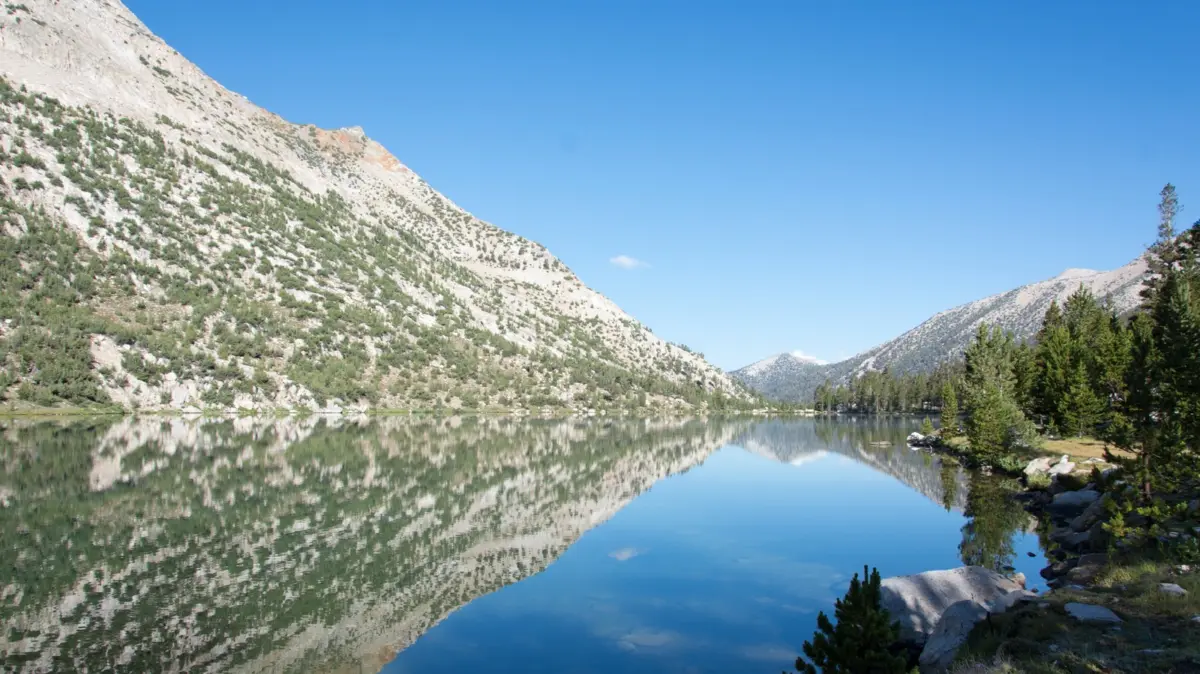
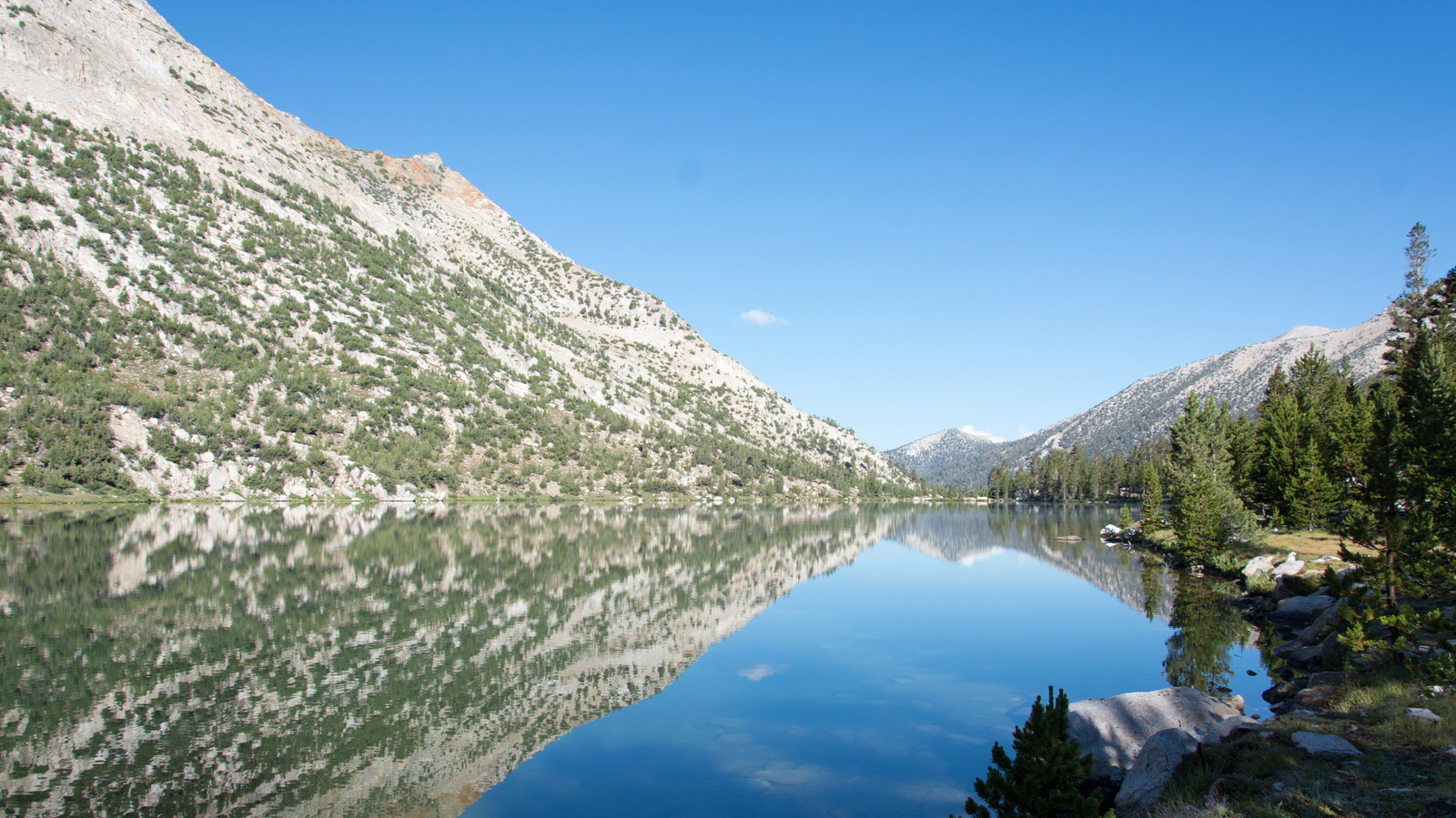
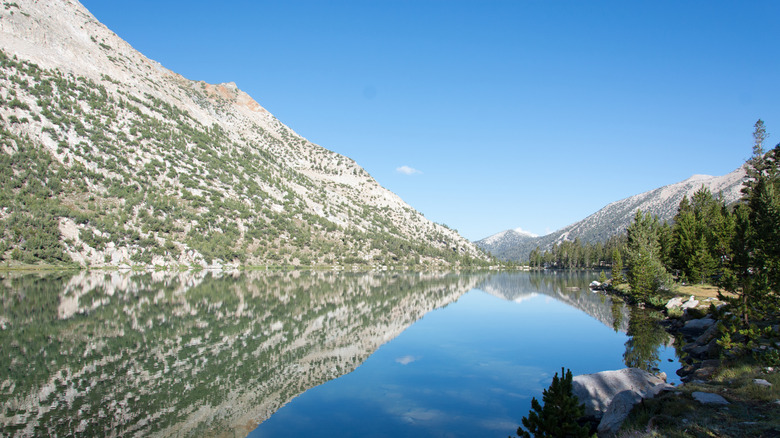
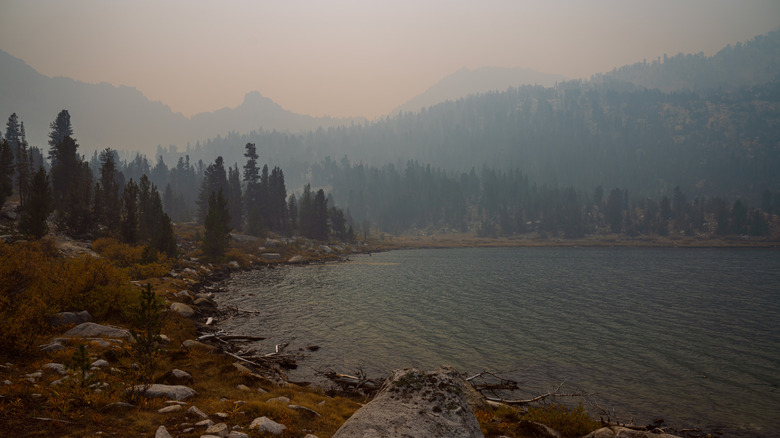
Nestled at an elevation of 10,544 feet, Charlotte Lake spans approximately 30 acres of crystalline, aquamarine water, mirroring the rugged peaks of the surrounding Sierra crest. Often overlooked in favor of its heavily promoted neighbors, this remote alpine basin offers the same dramatic topography, crisp mountain air, and glacial vistas that draw millions to Lake Tahoe, but with a fraction of the foot traffic.
Reaching Charlotte Lake requires effort, dedication, and a willingness to embrace the physical demands of high-altitude trekking. Accessible primarily via a challenging 17-mile out-and-back trail starting from the Onion Valley Trailhead in the neighboring Inyo National Forest, the journey takes hikers across the sweeping heights of Kearsarge Pass and into the eastern corridors of Kings Canyon National Park. For those who answer the call, the reward is an untainted alpine ecosystem where the loudest sounds are the whispering wind through whitebark pines and the distant call of Clark’s nutcrackers. This comprehensive report explores the geography, logistics, and rising appeal of Charlotte Lake as a premier destination for solitude-seeking hikers.

Detailed Chronology & Historical Context of High Sierra Tourism
The Evolution of Sierra Nevada Recreation
The human history of the Sierra Nevada is a narrative of shifting perceptions—from indigenous stewardship and mid-19th-century resource extraction to 20th-century preservation and modern mass tourism.
- Pre-19th Century: Indigenous peoples, including the Mono and Paiute tribes, utilized the high mountain passes, including areas near Kearsarge Pass and Charlotte Lake, for trans-mountain trade and seasonal foraging long before European settlers mapped the terrain.
- Late 1800s to Early 1900s: Following the establishment of Yosemite and Sequoia National Parks in 1890, conservationists led by John Muir successfully advocated for the protection of California’s vast wilderness corridors. Kings Canyon, characterized by its dramatic glacially carved gorges, was designated a national park in 1940, absorbing earlier administrative protections.
- The Post-War Tourism Boom: The mid-20th-century expansion of the American highway system transformed Lake Tahoe and Big Bear from seasonal mountain escapes into year-round resort meccas. As paved roads crept deeper into the foothills, remote interior basins like the Charlotte Lake watershed remained protected behind formidable geological barriers, accessible exclusively on foot or horseback.
The Modern Over-Tourism Dilemma
In recent years, traditional Sierra Nevada hotspots have buckled under the weight of unprecedented visitation. Lake Tahoe, celebrated as North America’s oldest alpine lake, routinely contends with severe tourist friction, including gridlock on Highway 50 and Highway 89, overcrowded beaches, and escalating environmental strain on lake clarity.
This modern crunch has catalyzed a behavioral shift among outdoor enthusiasts. Hikers and backpackers are increasingly trading amenity-rich resort towns for rugged, unpaved backcountry trailheads. Charlotte Lake sits at the epicenter of this trend—offering a masterclass in how America’s national park system can still provide genuine solitude for those willing to earn it.
Supporting Context & Metrics: Geography, Elevation, and Trail Logistics
To truly understand the appeal and challenge of Charlotte Lake, one must examine the hard metrics of its geography and trail systems.

Geographical Profile of Charlotte Lake
- Surface Area: Approximately 30 acres.
- Elevation: 10,544 feet (3,214 meters) above sea level.
- Primary Peak: Dominated by the nearby Mount Bago, which towers at 11,870 feet.
- Park Jurisdiction: Located strictly within the eastern boundaries of Kings Canyon National Park, immediately adjacent to Inyo National Forest.
The Onion Valley to Charlotte Lake Route
The most common and accessible route to Charlotte Lake originates at the Onion Valley Trailhead, situated on the eastern slope of the Sierra Nevada within Inyo National Forest.
| Trail Metric | Specification |
|---|---|
| Total Distance | ~17 miles (Round Trip) |
| Starting Elevation (Onion Valley) | ~9,200 feet |
| Maximum Elevation (Kearsarge Pass) | 11,760 feet |
| Elevation Gain | ~3,500+ feet cumulative |
| Recommended Season | July through October (snowpack-dependent) |
Trail Breakdown:
- The Ascent (Miles 0–4.5): The journey begins at Onion Valley, winding upward through dense sub-alpine forests of pine and fir. Hikers quickly encounter a series of sparkling backcountry jewels, including Gilbert Lake, Flower Lake, and Heart Lake.
- The Summit (Kearsarge Pass – Mile 4.5): Crossing Kearsarge Pass at 11,760 feet serves as the physical crucible of the trek. Here, hikers are greeted with sweeping panoramic views looking backward down the Owens Valley and forward into the glaciated amphitheaters of Kings Canyon National Park.
- The Descent and Plateau (Miles 4.5–8.5): Descending past Bullfrog Lake and the Kearsarge Lakes, the trail levels out through pristine alpine meadows before delivering travelers directly to the shores of Charlotte Lake. While the initial climb is strenuous, the final approach to the lake is relatively gentle.
Alternative Corridors: The John Muir Trail Connection
For ultra-distance backpackers, Charlotte Lake is also intimately tied to the world-famous John Muir Trail (JMT) and the Pacific Crest Trail (PCT) corridor. The trail network intersects near Vidette Meadow and Forester Pass, making Charlotte Lake a premier side-trip or designated campsite for thru-hikers navigating the high roof of the Sierra.
Official Guidelines, Wilderness Ethics, and Permits
Because Charlotte Lake lies within the highly protected wilderness boundaries of Kings Canyon National Park and Inyo National Forest, managing authorities enforce strict regulations to preserve its pristine water quality and fragile alpine ecosystem.
Wilderness Permitting and Quotas
- Overnight Quotas: Backcountry camping at Charlotte Lake requires a wilderness permit issued by the National Park Service (NPS) or the U.S. Forest Service (USFS), depending on the direction of entry. Quotas are strictly enforced during peak summer months to mitigate human impact.
- Stay Limits: Overnight camping directly at Charlotte Lake is capped at a maximum of two consecutive nights to allow the ecosystem to recover and to ensure fair access for all visitors.
- Bear-Proof Storage: Given the active population of black bears in the High Sierra, hard-sided, approved bear canisters are legally mandatory for all overnight food and scented-item storage. Hanging food from branches is prohibited.
Leave No Trace (LNT) Principles
At elevations above 10,000 feet, growing seasons are exceptionally short, and soils are delicate. Hikers visiting Charlotte Lake must adhere strictly to Leave No Trace principles:
- Campfire Restrictions: Campfires are entirely prohibited at and above 10,000 feet to protect slow-growing timberlines and prevent forest fires.
- Waste Management: Human waste must be properly buried in a cathole 6 to 8 inches deep, at least 200 feet away from lakes, streams, and trails. Alternatively, pack-it-out systems are strongly encouraged in high-alpine basins.
- Water Protection: Washing dishes or bathing directly in Charlotte Lake is strictly forbidden. All wastewater must be disposed of at least 200 feet from natural water sources.
Future Outlook: Protecting High-Altitude Sanctuaries in an Era of Discovery
As digital media and travel platforms continue to shine a light on lesser-known destinations, remote sanctuaries like Charlotte Lake face a delicate balancing act. On one hand, regional tourism boards and public land agencies are eager to distribute visitor traffic away from overcrowded hubs like Yosemite Valley and Lake Tahoe. On the other hand, unmanaged foot traffic threatens to erode the very isolation and ecological integrity that make these locations so alluring.
Emerging Management Strategies for the High Sierra
To safeguard Charlotte Lake and its surrounding wilderness for future generations, land managers are increasingly turning to data-driven conservation frameworks:
- Timed-Entry and Digital Permitting: Expanding digital reservation platforms helps agencies monitor daily foot traffic precisely, preventing trail erosion and overcrowded campsites.
- Infrastructure Hardening: Trail maintenance crews are utilizing sustainable stone-paving techniques along the Kearsarge Pass corridor to prevent widening trails and mitigate the degradation of alpine meadows.
- Educational Outreach: Emphasizing "Stealth Travel" and responsible recreation ethics helps curb the spread of geotagging practices that inadvertently expose fragile wilderness ecosystems to viral mass tourism.
Conclusion
Charlotte Lake stands as a resounding reminder of what the Sierra Nevada was—and still can be—for those willing to look beyond the paved overlooks and crowded resort towns. By trading the easy accessibility of Lake Tahoe for the sweat-equity of a high-pass alpine climb, hikers are rewarded with mirrored waters, towering granite spires, and a rare, restorative silence. As long as visitors approach these sacred basins with respect, preparedness, and rigorous adherence to wilderness ethics, Charlotte Lake will remain a timeless monument to the untamed spirit of the American West.