





Executive Overview
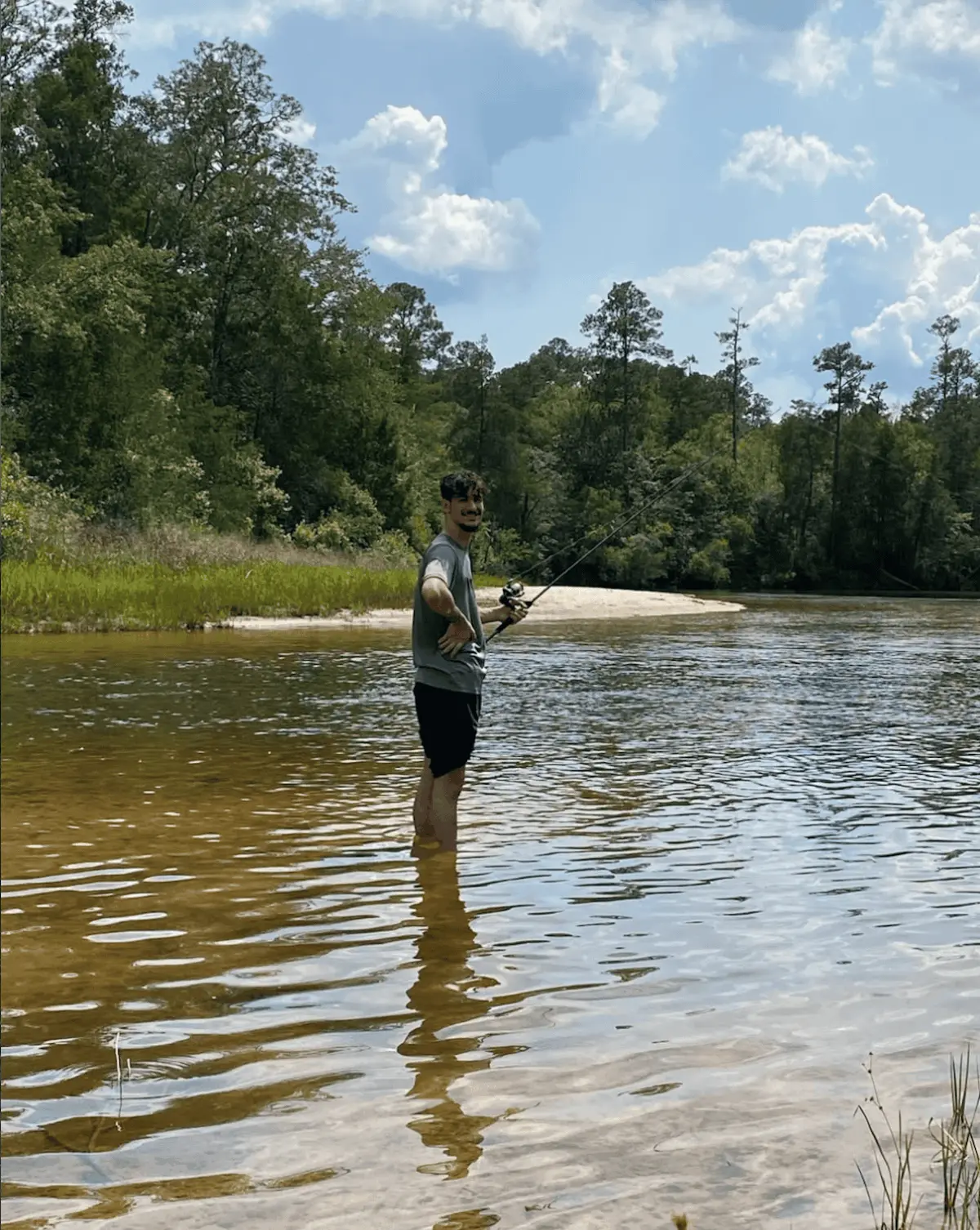
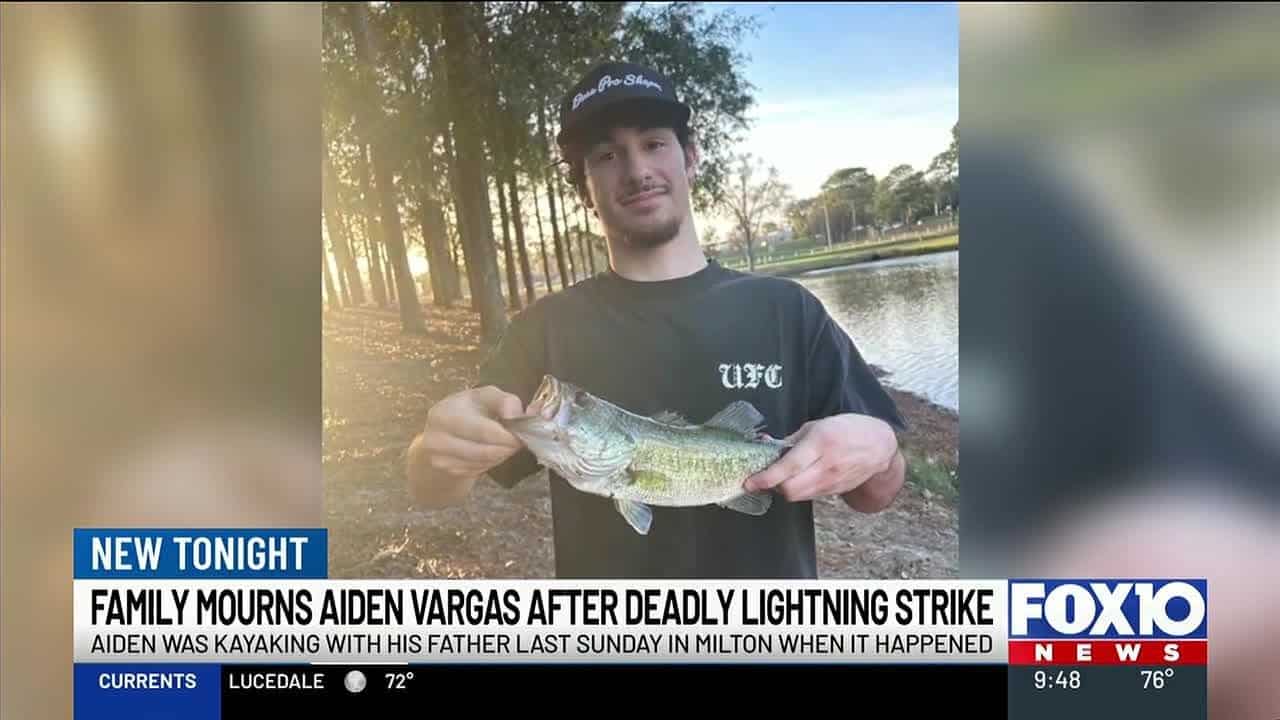
On the afternoon of May 31, a routine father-son fishing trip on the Blackwater River in Milton, Florida, turned into an unimaginable tragedy. Eighteen-year-old high school senior Michael Aiden Vargas—known simply as Aiden to his family and friends—was struck by lightning while kayaking alongside his father, Michael Vargas. Despite frantic immediate rescue efforts by nearby bystanders and a subsequent multi-agency search utilizing advanced sonar technology and dive teams, Aiden’s life could not be saved.
Aiden’s death is a devastating loss for a family that remembered him as an avid angler who died doing what he loved most: sharing quiet moments on the water with his father. Yet, beyond the personal grief shared by his community, Aiden’s passing serves as a stark, urgent reminder of the hidden dangers posed by severe weather on open water.
This tragic event highlights the deceptive nature of summer storms in regions like Florida, where meteorological conditions can shift from deceptive calm to lethal electrical activity in a matter of minutes. Experts in climate science and outdoor safety emphasize that lightning is uniquely unpredictable, capable of striking miles away from the core of a thunderstorm long before a paddler realizes the full scope of the danger.
Furthermore, the incident sheds light on critical safety protocols that are frequently overlooked by casual and experienced water enthusiasts alike. From recognizing the earliest meteorological warning signs to understanding how to minimize physical footprint during a storm and the absolute necessity of wearing personal flotation devices (PFDs), the circumstances surrounding Aiden’s death underscore the vital need for a renewed commitment to water safety education across the outdoor recreation community.
Detailed Chronology: The Events of May 31
The final hours of Aiden Vargas’s life unfolded under conditions that felt deceptively benign, masking the rapid atmospheric changes taking place overhead.
The Approach of the Storm
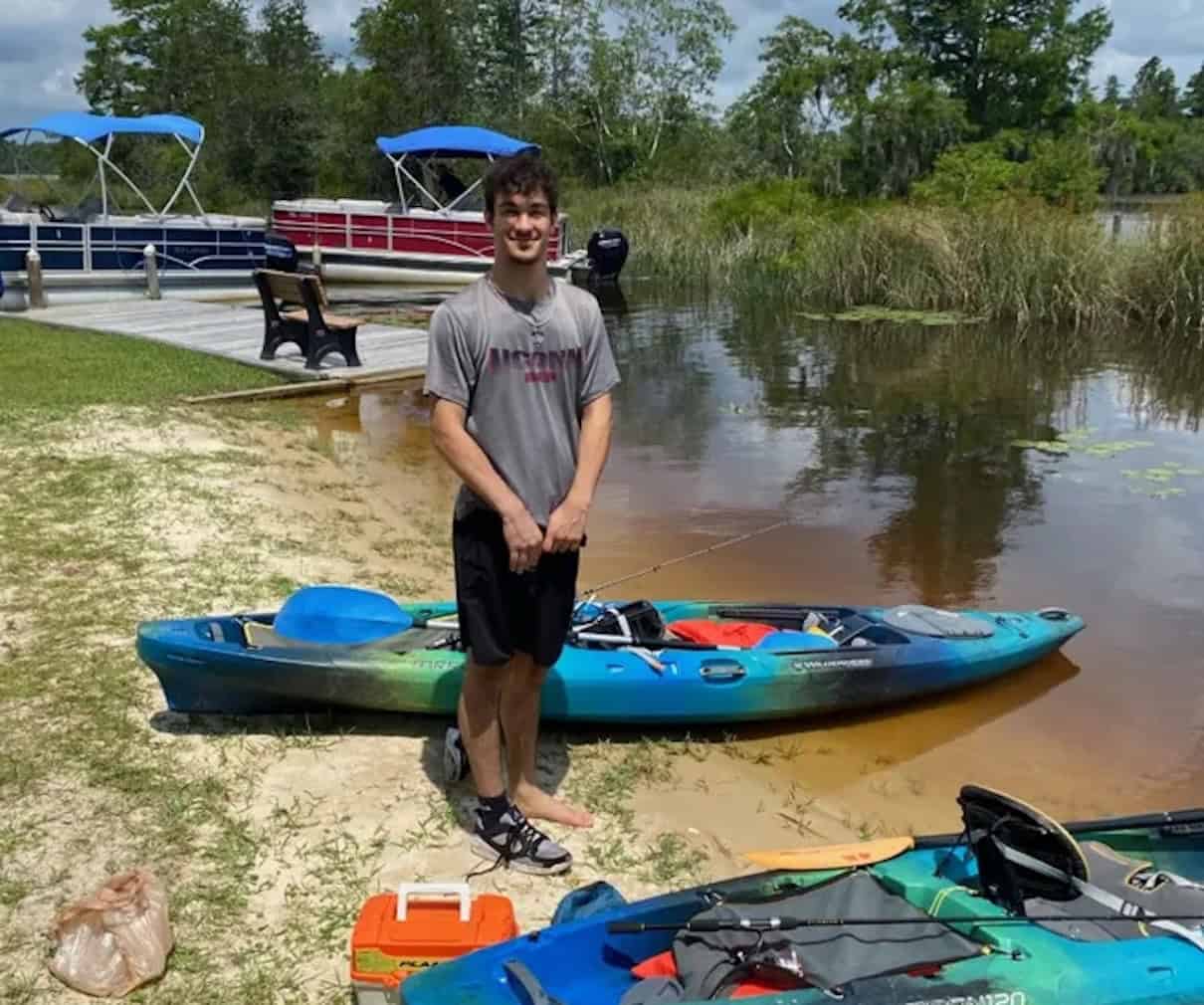
Earlier in the afternoon, Aiden and his father had set out onto the Blackwater River in Milton, Florida. As an enthusiastic high school senior and a dedicated angler, Aiden was entirely in his element. The water was remarkably calm, and while distant storm clouds were beginning to gather on the horizon, the immediate environment felt safe and controlled.
Reflecting on the conditions prior to the incident, Michael Vargas noted that the weather did not initially inspire fear or panic. "The conditions weren’t something where we were so worried and so feared for our lives… it was so calm for what ended up happening," he shared in an interview. Trusting the manageable state of the water, the father and son turned their kayaks around and began making their steady way back toward the safety of the docks as the sky above began to darken.

The Strike and Immediate Aftermath
As the duo neared the shore, the situation escalated with terrifying speed. "The storm was coming in, and we could see the docks, you know. We were almost there," Michael Vargas recounted.
Before they could reach dry land, a powerful electrical discharge from the developing storm pierced the atmosphere. Nearby witnesses reported hearing an exceptionally violent, ear-piercing crack of thunder that signaled a close-range lightning strike. One local resident near the site of the tragedy described the sound as startlingly loud, instantly capturing the attention of people along the shoreline.
In a fraction of a second, Aiden was struck by lightning. The devastating impact caused him to immediately lose consciousness and fall from his kayak into the water below.
The Search and Recovery Operation
Following Aiden’s fall, Michael Vargas and nearby bystanders immediately initiated a search of the water. However, due to the sudden nature of the accident and the underwater conditions, Aiden’s body did not immediately resurface.
Emergency services were contacted without delay, triggering a coordinated, multi-agency response. Local law enforcement officers quickly flooded the area, securing the shoreline and deploying watercraft to scan the river. Witnesses observed roughly 10 to 15 police personnel combing the banks and patrolling the water within twenty minutes of the emergency call.
As the hours pressed on, the operation transitioned into a recovery mission. Specialized dive teams and advanced sonar equipment were brought in to scan the murky depths of the Blackwater River. After an exhaustive search, responders located Aiden’s body along the riverbed.
Despite the profound sorrow of the outcome, Michael Vargas found a measure of solace in the speed of the event. "I know he didn’t suffer. I know that it was something quick and instantaneous. And one day, we’ll see him again," he told reporters.
Supporting Context & Metrics: The Science of Lightning and Water Hazards
Aiden Vargas’s death was the first recorded lightning-related fatality of the summer season in Florida, a state widely recognized as the lightning capital of the United States. To fully understand how a calm afternoon kayaking trip could turn fatal so rapidly, it is essential to examine the meteorological mechanisms behind lightning and the unique vulnerabilities faced by those on the water.
The Deceptive Nature of Convective Storms
Emily Powell of the Florida Climate Center notes that lightning is inherently more random and volatile than many other forms of severe weather. Unlike high winds or rising floodwaters that often provide prolonged visual cues, lightning can manifest with minimal advance warning.
"Once convection is triggered, the thunderstorms can develop really rapidly," Powell explained to the Pensacola News Journal. "Also, what catches people off guard is that the lightning can happen at the periphery of the storm and strike 10 miles away."
This phenomenon—often referred to by meteorologists as a "bolt from the blue" or peripheral strikes—means that an individual does not need to be directly underneath the heaviest rainfall or the darkest clouds to be in mortal danger.
The 25-Mile Rule and Open Water Vulnerability
According to data compiled by the National Oceanic and Atmospheric Administration (NOAA), lightning can discharge from a thunderstorm cloud and strike the earth as far as 25 miles away from the parent storm. This sprawling danger zone makes open bodies of water, such as rivers, lakes, and coastal bays, exceptionally hazardous.
Paddlers sitting low to the water in kayaks or canoes occupy flat, open spaces where they often act as the tallest object in the immediate vicinity. Because water is a conductive medium and human bodies are grounded either through contact with the water or wet hulls, paddlers represent prime targets for atmospheric electrical currents seeking the path of least resistance to the earth.
Furthermore, traditional wilderness and outdoor safety guidelines—such as those published by the National Outdoor Leadership School (NOLS)—emphasize that waiting until you hear the first rumble of thunder is often too late. Sound travels significantly slower than light; by the time thunder is audible, the storm is already close enough to pose an immediate threat. Paddlers must monitor the sky continuously for towering cumulus clouds and vertical storm development, initiating their retreat to shore at the earliest sign of atmospheric instability.
Official Statements & Community Response
The loss of Aiden Vargas reverberated deeply throughout his high school community, his family, and the broader region of Milton and Pensacola, Florida. Tributes poured in from friends, educators, and community members who remembered Aiden as a vibrant young man with a profound passion for the outdoors.
Family Remembrance
In obituary notices and media interviews, the Vargas family focused heavily on celebrating Aiden’s character and his deep love for angling. For Aiden, being on the water was not merely a hobby; it was a way of connecting with nature and spending quality time with his father.
Michael Vargas emphasized the peacefulness of Aiden’s final moments, holding onto the faith that his son did not experience pain. The family’s grace in the face of sudden tragedy has drawn widespread sympathy and support from local residents and online communities alike.
Law Enforcement and First Responders
Local emergency services, including marine patrol units and county sheriff’s offices, worked tirelessly during the multi-agency search operation. Officials praised the swift actions of bystanders who attempted immediate rescue maneuvers before professional dive and sonar teams arrived. The cooperative effort among municipal, county, and state rescue personnel underscored the dedication of Florida’s first responders in emergency situations on treacherous inland waterways.
Future Outlook: Critical Safety Protocols for Paddlers
Aiden Vargas’s tragic accident offers vital lessons that can help prevent similar tragedies in the future. Experts in water safety and outdoor education have outlined clear, actionable protocols that every paddler—from recreational weekenders to seasoned backcountry guides—must follow when navigating rivers and lakes during storm season.
1. Proactive Weather Monitoring and Timely Evacuation
- Watch the Sky, Not Just the Weather App: Localized convective storms can pop up faster than radar apps can update. Paddlers must keep a constant, vigilant eye on cloud formations.
- Heed the Warning Signs: Puffed-up, towering cumulus clouds (cumulonimbus) indicate rapid vertical development and impending thunderstorms.
- Leave the Water Early: Do not wait for rain or thunder. If a storm is building anywhere in the visible sky, paddle immediately to the nearest accessible shore.
2. Strategic Terrain Selection on Land
Once a paddler successfully reaches the shore, the danger has not fully passed. Selecting an appropriate shelter location is critical:
- Avoid High-Risk Zones: Stay far away from tall, isolated trees, wide-open flat fields, hilltops, ridges, and open water margins.
- Seek Frontcountry Shelter: If near roads or developed areas, seek immediate refuge inside a hard-topped, enclosed vehicle with the windows rolled up, or a permanent building with plumbing and electrical wiring.
- Seek Backcountry Shelter: If operating in remote areas, look for flat ground situated within dense stands of trees of uniform height. Gently rolling terrain and deep canyons are also considered safer environments by wilderness safety organizations like NOLS.
3. The "Lightning Position" and Reducing Footprint
If caught in an open area on land with no immediate access to a substantial building or vehicle, paddlers must take steps to minimize their ground contact and electrical footprint:
- Adopt the Position: Stand or squat with your feet placed closely together, or sit down cross-legged on an insulating pad if available.
- Never Lie Flat: Lying down on the ground maximizes human contact with the soil, drastically increasing vulnerability to lethal ground currents spreading outward from a nearby strike.
- Understand Its Limits: The lightning position is a last-resort measure and is never a substitute for reaching safer terrain or a secure building.
4. The Non-Negotiable Rule of Personal Flotation Devices (PFDs)
A critical takeaway from the Blackwater River tragedy is the indispensable nature of life jackets. When Aiden was struck by lightning, the immediate impact caused him to lose consciousness and sink beneath the water’s surface.
- Buoyancy Saves Time: Even strong, highly capable swimmers can be incapacitated instantly by electrical shock, concussive blasts, or panic.
- Facilitating Rescues: Wearing a properly fitted PFD ensures that an unconscious or incapacitated victim remains afloat at the surface, drastically increasing the speed with which bystanders and rescue divers can locate and retrieve them.
By honoring Aiden Vargas’s memory through increased awareness, education, and strict adherence to lightning safety guidelines, the paddling community can strive to ensure that other families are spared the unimaginable pain of losing a loved one on the water.