Executive Overview
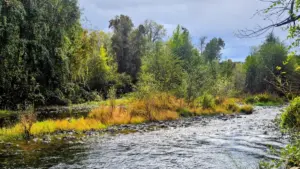
Nestled within the breathtaking, ecologically rich landscape of Maryland’s Eastern Shore, the Harriet Tubman Underground Railroad State Park stands as a profound monument to human resilience, courage, and the fight for liberty. Encompassing 17 acres of carefully preserved terrain in rural Dorchester County, this state park is far more than a recreational green space; it is a vital historic portal. Situated on the Delmarva Peninsula—which forms the dramatic eastern border of the Chesapeake Bay, the United States’ largest estuary and home to over 3,600 plant and animal species—the park serves as a nexus where environmental conservation intersects with the harrowing, triumphant history of the Underground Railroad.
The park is dedicated to honoring the legacy of Harriet Tubman, one of America’s most celebrated abolitionists, who was born into slavery just miles from the current park boundaries in 1822. By pairing immersive multimedia exhibits at its state-of-the-art Visitor Center with tranquil natural surroundings—including the contemplative Legacy Garden and a scenic 0.75-mile walking loop—the park offers visitors a multidimensional experience. It functions as a gateway to the broader 125-mile Harriet Tubman Underground Railroad Byway, connecting travelers to more than 30 historic landmarks across Maryland and Pennsylvania.
Furthermore, the park’s strategic location adjacent to the expansive Blackwater National Wildlife Refuge—frequently dubbed "the Everglades of the North"—places it at the intersection of powerful historical storytelling and pristine ecological preservation. This comprehensive report explores the multifaceted significance of the Harriet Tubman Underground Railroad State Park, examining its historical foundations, architectural and exhibit design, ecological surroundings, and its growing role as a premier destination for heritage tourism on the East Coast.

Detailed Chronology: From Enslavement to State Park Designation
To fully comprehend the weight of the Harriet Tubman Underground Railroad State Park, one must trace the timeline of the land and the woman whose name it bears. The historical narrative of Dorchester County is deep-rooted, beginning long before European settlement in the 17th century and stretching through the darkest chapters of American chattel slavery to the modern era of historic preservation.
1822–1849: Early Life and Bondage on the Eastern Shore
Harriet Tubman was born Araminta "Minty" Ross around 1822 on a plantation in Dorchester County, Maryland. Raised in an environment characterized by the brutal realities of the Eastern Shore’s plantation economy, Tubman experienced the forced separation of her family and the physical violence inherent to the institution of slavery. The landscape she navigated as a young woman—comprising dense piney woods, expansive tidal marshes, and winding creeks—later served as her training ground for survival and escape. Visitors to the region today can visit the site of the farm where she spent her early years, located along Greenbrier Road approximately five miles east of the state park, where interpretive markers delineate her formative years.
1849–1865: Emancipation, the Underground Railroad, and the Civil War
In 1849, facing the imminent threat of being sold further south, Tubman executed a daring self-emancipation, traveling northward by foot and utilizing the clandestine network known as the Underground Railroad. She successfully reached Philadelphia, a journey of roughly 90 to 100 miles that severed her legal bonds of enslavement. Rather than remaining safely in the North, Tubman orchestrated approximately 13 return missions to Dorchester County and the surrounding Eastern Shore over the next decade, personally guiding dozens of enslaved family members and friends to freedom. During the American Civil War, her contributions expanded exponentially; she served the Union Army as a cook, nurse, scout, and armed spy, notably becoming the first woman to lead an armed military assault during the Raid on Combahee Ferry in South Carolina, which liberated over 700 enslaved people.
Late 20th Century: Awakening the Eastern Shore’s Historical Consciousness
For generations, the specific sites tied to Tubman’s early life and liberation routes remained largely unmarked, preserved only in local oral histories and scattered archival documents. However, the closing decades of the 20th century witnessed a concerted movement among historians, local preservationists, and descendants of the Eastern Shore to reclaim this vital history. Advocacy groups lobbied for infrastructure that could honor Tubman on a national and state level, culminating in the conceptualization of a dedicated scenic byway and a centralized interpretive facility.

March 11, 2017: Grand Opening of the State Park and Visitor Center
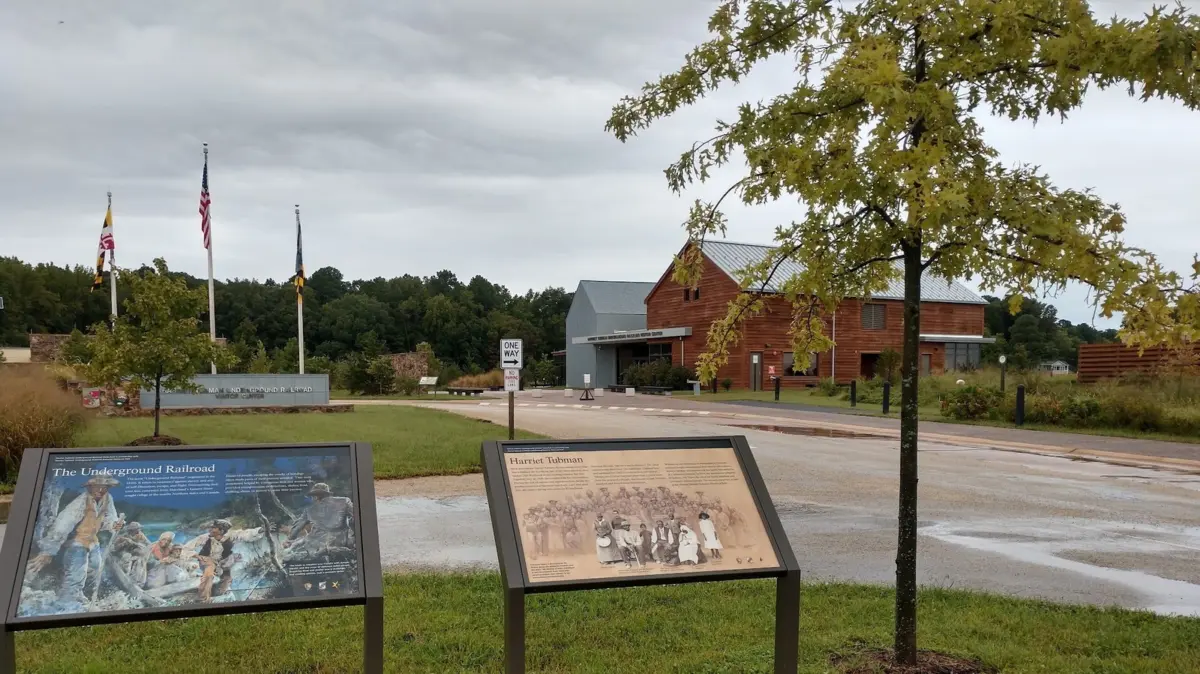
The culmination of decades of advocacy materialized on March 11, 2017, with the official grand opening of the Harriet Tubman Underground Railroad State Park and Visitor Center. Developed as a collaborative project between the Maryland Park Service and the National Park Service (which operates the adjacent Harriet Tubman Underground Railroad National Historical Park), the facility was designed to anchor heritage tourism in Dorchester County. The opening established a permanent architectural and educational institution dedicated entirely to interpreting Tubman’s life, faith, and operational methods, instantly transforming the rural Delmarva landscape into a premier destination for historical inquiry.
Supporting Context & Metrics: Geography, Demographics, and Tourism Impact
The operational framework of the Harriet Tubman Underground Railroad State Park cannot be separated from its geographic and demographic environment. Understanding Dorchester County and the broader Delmarva Peninsula provides essential context regarding the park’s visitor dynamics, conservation challenges, and economic footprint.
Geographic and Demographic Profile
- Total County Population: Dorchester County maintains a population of approximately 33,000 residents distributed across its expansive rural landscape, making it one of Maryland’s more sparsely populated counties. This low population density allows visitors to escape the urban congestion typical of the Washington, D.C., Baltimore, and Philadelphia metropolitan corridors.
- Proximity to Major Metropolises: The park is exceptionally accessible for regional travelers. It is situated roughly a two-hour drive south of both Washington, D.C., and Baltimore, and approximately a three-hour drive south of Philadelphia, positioning it as an ideal weekend getaway or educational excursion.
- Regional Ecosystem: The Chesapeake Bay watershed encompasses more than 3,600 documented plant and animal species. The state park and its surrounding wetlands form an integral part of this massive ecological network, characterized by brackish marshes, loblolly pine forests, and tidal estuaries.
Visitor Metrics and Infrastructure
- Operating Schedule: The park is open year-round, operating Wednesday through Sunday, providing consistent access to both local residents and long-distance travelers.
- Admission Costs: Entry to the park grounds, parking facilities, and the permanent exhibits inside the Visitor Center is completely free of charge, ensuring barrier-free public access to historical education.
- Dwell Time and Itinerary Integration: Internal park data indicates that the average visitor spends between one and two hours touring the indoor exhibits and walking the outdoor Legacy Garden trail. Consequently, tourism boards and historical societies heavily promote the park as a foundational anchor stop within a broader multi-destination itinerary across the Delmarva Peninsula.
- The Harriet Tubman Underground Railroad Byway: Stretching across 125 scenic miles from Dorchester County, Maryland, up to Philadelphia, Pennsylvania, this designated driving route links over 30 verified historical sites. These include the historic downtown district of Cambridge (located roughly 10 miles north of the park), the Harriet Tubman Museum and Educational Center, and the striking Beacon of Hope monument.
Official Statements and Preservation Philosophy
The establishment and ongoing administration of the Harriet Tubman Underground Railroad State Park reflect a unified philosophy among state officials, historians, and environmentalists: that the landscape itself acts as a primary historical document.
The Voice of Preservationists and State Leadership
When inaugurating the facility, state and federal stakeholders emphasized the imperative of moving beyond textbook summaries to offer a visceral, place-based educational experience. State park administrators have frequently noted that standing on the exact soil where Tubman planned her escapes forces visitors to confront the dual realities of severe human oppression and extraordinary human agency.
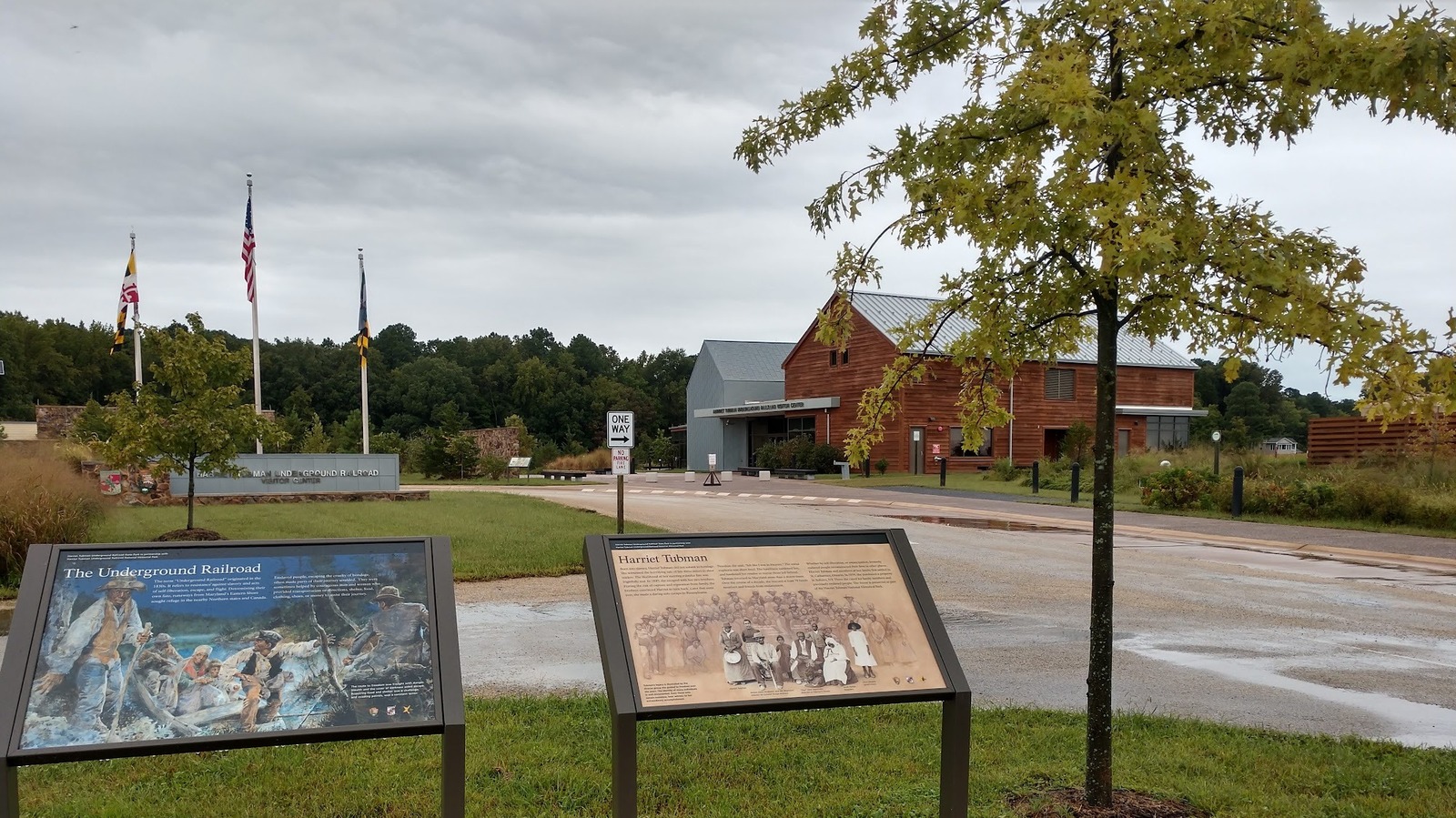
According to interpretive planners involved in the park’s design, the architecture of the Visitor Center and the curation of the exhibits were intentionally crafted to evoke emotion and contemplation. An official statement from the Maryland Department of Natural Resources at the park’s founding highlighted:
"This park is designed not merely to display artifacts, but to immerse the public in the moral clarity, bravery, and strategic genius of Harriet Tubman. By anchoring this history within the pristine, unaltered landscapes of Dorchester County, we allow visitors to walk the very pathways of liberation, connecting the natural environment directly to the human spirit."
Architectural and Curatorial Intent
The physical structures within the 17-acre park reflect a commitment to sustainable, reflective design. The Visitor Center utilizes multimedia installations, tactile maps, and dramatic lighting to guide visitors through three distinct chapters of Tubman’s life: her early bondage on the Eastern Shore, her perilous nocturnal escapes, and her later leadership as a Union scout and humanitarian.
Complementing the indoor historical narrative is the outdoor landscape management philosophy. The grounds surrounding the Visitor Center and the Legacy Garden are intentionally managed to balance mowed pathways with wild, untended native grasses and marsh vegetation. This deliberate choice recreates the visual topography of the mid-19th-century Eastern Shore, ensuring that the natural ecosystem visually mirrors the historical accounts left behind by abolitionists and freedom seekers alike.
Future Outlook: Expansion, Ecological Challenges, and Heritage Tourism
As the Harriet Tubman Underground Railroad State Park looks toward the future, its trajectory is shaped by the dual imperatives of expanding educational outreach and managing pressing environmental realities on the Delmarva Peninsula.
Deepening Educational Programming and Community Engagement
Future strategic plans for the park focus on enhancing digital accessibility and expanding community partnerships. The ongoing distribution of free audio guides for the Harriet Tubman Underground Railroad Byway has revolutionized self-guided heritage tourism, allowing modern travelers to access rich, dramatized historical commentary directly through their personal devices as they drive between landmarks.
Furthermore, the park’s temporary exhibit space—dedicated to rotating displays of contemporary artwork inspired by Tubman’s legacy—continues to serve as a cultural incubator. Gallery coordinators plan to expand national artist residencies and youth education initiatives, ensuring that Tubman’s legacy inspires new generations of artists, activists, and historians.
Environmental Resilience in the Face of Climate Pressures
Situated in a low-lying coastal zone immediately adjacent to the Chesapeake Bay and the Blackwater National Wildlife Refuge, the park faces significant ecological challenges in the coming decades. Rising sea levels and intensifying storm surges pose documented threats to the Delmarva Peninsula’s sensitive wetlands and tidal marshes.
In response, conservation biologists and park managers are actively collaborating on coastal resilience projects. These initiatives include wetland restoration, the planting of flood-resilient native species within the park’s perimeter, and continuous monitoring of avian and pollinator habitats. Protecting the natural landscape is viewed as inseparable from preserving the historical integrity of the region; the marshes and forests that served as natural cover for freedom seekers are the same ecosystems that scientists and environmentalists fight to preserve today.
The Economic and Cultural Horizon of Heritage Tourism
As regional tourism continues to rebound and expand, the Harriet Tubman Underground Railroad State Park remains a shining example of how rural communities can leverage deep historical roots to foster sustainable, respectful tourism. By drawing thousands of visitors annually to Dorchester County, the park supports local hospitality businesses, museums, and conservation organizations in nearby Cambridge and surrounding towns.
Ultimately, the park stands as a timeless testament to endurance. Whether visitors arrive to retrace the harrowing footsteps of the Underground Railroad, study the multimedia archives within the Visitor Center, or seek quiet reflection among the native wildflowers of the Legacy Garden, Maryland’s peninsular state park offers an unyielding connection to a pivotal American story—one written into the very earth and waters of the Chesapeake Bay.