Hawaii represents a paradise of pristine beaches, lush valleys, and profound cultural heritage, drawing millions of global travelers annually. Yet, beneath the postcard-ready landscapes lies a complex ecosystem and a vibrant community that often clashes with the influx of visitors. For locals, the divide between resident life and tourism is immediately palpable.
Alarmingly, research and on-the-ground observations indicate that many incoming travelers commit major cultural, environmental, and behavioral infractions within the first ten minutes of arriving on the islands—sometimes before even stepping out of the airport terminal. As state authorities increasingly crack down on tourist misbehavior through hefty fines and strict environmental legislation, understanding and adhering to local rules is no longer just a matter of polite travel; it is an absolute necessity for sustainable tourism.
Detailed Chronology: The First Ten Minutes in the Aloha State
The transition from traveler to visitor begins the moment an aircraft touches down on Hawaiian tarmac. Navigating those crucial initial moments sets the tone for the entire trip, yet it is precisely during this window that tourists most frequently stumble.
Minute 0 to 2: The Sunscreen Infraction
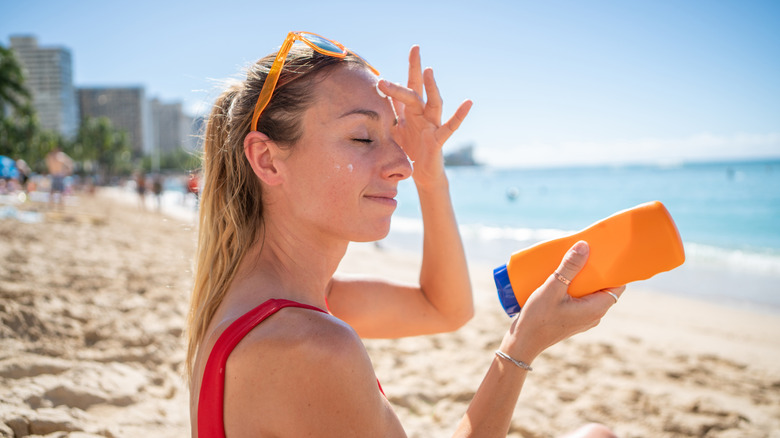
Stepping off the plane and heading straight for the resort pool or the nearest stretch of sand feels like a natural priority. However, applying conventional sunscreen immediately upon arrival often marks a traveler’s first major violation.
Many popular commercial sunscreens contain chemical agents such as oxybenzone and octinoxate. These compounds wash off swimmers and linger in the water, contributing significantly to coral bleaching, damaging coral DNA, and disrupting marine reproduction. Recognizing this threat, the state of Hawaii enacted landmark legislation banning the sale of sunscreens containing these harmful chemicals. In certain jurisdictions, such as Maui County, regulations are even stricter, prohibiting the distribution or use of non-mineral sunscreens without a prescription. Travelers who pack chemical sunscreens are inadvertently breaking environmental laws before they even finish unpacking.
Minute 2 to 5: Wildlife Encounters and Boundary Crossings
Upon exiting the airport terminal, visitors are frequently greeted by the intoxicating aroma of plumeria flowers and the vibrant sights of local flora and fauna. While encountering native birds or geckos near baggage claim is delightful, encountering marine mammals or endangered species on the beach can lead to dangerous and illegal interactions.
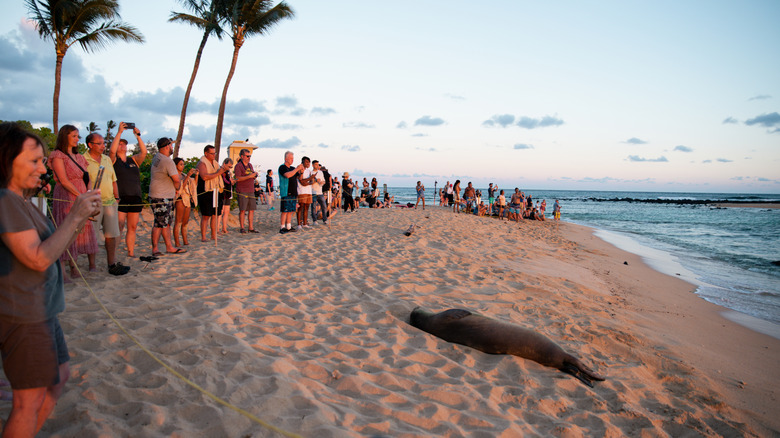
Travelers often assume that native wildlife—such as Hawaiian monk seals or green sea turtles—are accustomed to human presence and friendly enough for close-range photographs or selfies. In reality, these animals are strictly protected under federal and state laws.
Hawaiian Monk Seals: Visitors must maintain a distance of at least 50 feet (extending to 150 feet for mothers with pups).
Sea Turtles (Honu): A minimum buffer of 10 feet is legally mandated.
Marine Mammals: Federal regulations require individuals to remain at least 50 yards away from spinner dolphins and 100 yards away from humpback whales.
Approaching these creatures not only triggers severe stress in the animals but also carries steep legal penalties.
Minute 5 to 7: Speeding Up on "Island Time"
Leaving the airport behind and jumping into a rental car often precipitates the next cultural misstep. Mainland habits of rushed commuting, aggressive driving, and low tolerance for delays die hard, but they clash violently with the cultural rhythm of Hawaii.
Locals operate on "island time," a pace characterized by unhurried interactions, long conversations ("talking story"), and a general absence of frantic urgency. Drivers who lean on their car horns out of impatience or frustration instantly broadcast their outsider status—and violate local social norms. Honking is considered aggressively rude unless used in a direct emergency. Given that recent data ranks Hawaii among the most challenging states for drivers, adopting a patient, unhurried mindset behind the wheel is essential for harmonious travel.
Minute 7 to 10: Treating the Islands Like a Theme Park
As visitors settle into their surroundings, a dangerous psychological shift often occurs: viewing the entire state as a private, curated resort built exclusively for their entertainment.
This mindset manifests in boundary violations, such as ignoring "No Trespassing" signs to scale hazardous cliffs, trespassing on sacred cultural sites, or halting traffic on narrow coastal roads simply to capture a social-media-friendly photograph. Furthermore, travelers frequently attempt to pocket natural souvenirs, such as volcanic lava rocks or bags of sand. Beyond being culturally disrespectful, removing these natural materials is illegal and subject to strict confiscation by agricultural inspection agencies upon departure.
Supporting Context & Metrics: The Real Impact of Tourism
Understanding the gravity of these rules requires examining the broader socioeconomic and environmental framework of the islands. Hawaii is home to a permanent population exceeding 1.4 million residents. A significant portion of these residents work outside the tourism sector, navigating daily life, work commutes, and family responsibilities amidst tens of thousands of temporary visitors.
Environmental Legislation and Penalties
The economic and ecological costs of unchecked tourism have forced local governments to implement aggressive punitive measures:
Sunscreen Violations: Unauthorized sales or usage of prohibited chemical sunscreens can trigger fines up to $1,000 per violation.
Wildlife Harassment: Interfering with endangered species like the Hawaiian monk seal or humpback whales constitutes a federal felony under the Marine Mammal Protection Act and the Endangered Species Act, carrying penalties of up to $50,000 and potential imprisonment.
Natural Resource Extraction: Removing sand, rocks, or native flora disrupts delicate coastal ecosystems and violates state conservation statutes.
Cultural Literacy and Everyday Etiquette
Cultural preservation remains a critical pillar of modern Hawaiian tourism initiatives. Visitors who fail to learn basic terminology—such as using mahalo for thank you or wearing traditional rubber slippers (slippers) rather than running shoes for casual outings—miss an opportunity to integrate respectfully. Furthermore, mocking local dialects, deliberately mispronouncing native place names for comedic effect, or treating indigenous traditions as mere novelties actively deepens the cultural rift between residents and visitors.
Official Statements and Expert Perspectives
Local authorities, tourism boards, and cultural historians have continually stressed the importance of mindful travel practices.
"Hawaii is not a theme park or a corporate resort; it is our home, our ancestral land, and a living ecosystem," notes a regional conservation advocate. "When visitors arrive expecting absolute convenience at the expense of our environment and community boundaries, it creates friction. Respect must be the baseline of every itinerary."
Environmental protection agencies echo these sentiments regarding marine conservation:
"Our marine life is fragile. The push for the mandatory use of mineral sunscreens isn’t just about regulatory compliance—it is about ensuring that our coral reefs survive for future generations. Visitors need to check their labels before packing, not after they arrive at the beach."
Future Outlook: Sustainable Travel in Hawaii
As Hawaii continues to navigate the complexities of post-pandemic tourism recovery, the paradigm is shifting decisively toward regenerative travel. Destination management organizations are moving away from sheer volume marketing and toward responsible tourism campaigns that emphasize education, cultural preservation, and environmental stewardship.
In the coming years, travelers can expect stricter enforcement at popular ecotourism sites, expanded educational checkpoints at airports and car rental agencies, and broader community-led initiatives to protect sacred lands. For tourists, the message is clear: mastering the unwritten rules of the islands within the first ten minutes sets the foundation for a deeply rewarding, culturally enriching, and legally compliant vacation in paradise.