







Executive Overview
The landscape of modern transportation is caught in a tense tug-of-war. On one side are massive, expensive, and increasingly scrutinized multi-ton passenger vehicles; on the other is a blossoming micromobility movement dominated by electric bikes, scooters, and lightweight conveyances. Yet, a persistent demographic of potential riders remains unaddressed by either extreme: individuals who want the safety, weather protection, and cargo capacity of an automobile, but desire the efficiency, low cost, and sustainability of a bicycle.
Enter the ELF—a solar-powered, three-wheeled "velomobile" that straddles the blurred boundary between an e-bike and a car. Originally debuted in 2012 by Organic Transit, the quirky, roofed, and windshield-equipped pedal-electric hybrid is staging a dramatic comeback. A recent crowdfunding campaign on Wefunder has already raked in more than $380,000, signaling renewed consumer interest in alternative transit.
However, as the ELF 3.0 prepares for its prospective market reentry, it brings to the surface critical questions regarding the future of urban infrastructure, regulatory classifications for unconventional vehicles, and the commercial viability of light electric vehicles (LEVs) in a society deeply entrenched in car culture. While proponents envision a world where thousands trade their sedans for solar-powered trikes, skeptics point to historical production hurdles, infrastructure bottlenecks, and the sheer dominance of traditional e-bikes. This investigation explores the evolution, engineering, and uphill battle facing one of the most eccentric transportation experiments of the 21st century.
Detailed Chronology: From Da Vinci Inspirations to the ELF 3.0
The conceptual lineage of the ELF cannot be traced solely to standard automotive history; rather, it is rooted in the fringe, highly imaginative world of human-powered vehicle (HPV) innovation.
The Visionary Beginnings (Pre-2012)
Rob Cotter, founder of Organic Transit, began his career in the traditional automobile industry. However, prolonged exposure to auto-centric infrastructure—and its devastating impacts on climate stability, public health, and family finances—sparked a radical shift in his professional philosophy. Cotter gravitated toward the International Human-Powered Vehicle Association (IHPVA), where enthusiasts engineered extraordinary feats of engineering: aerodynamic recumbent streamliners capable of exceeding 80 miles per hour on flat ground without a drop of gasoline, alongside experimental watercraft, submersibles, and aircraft inspired by the codices of Leonardo da Vinci.
Cotter recognized that while these machines were engineering marvels, they were entirely impractical for the average commuter. The true challenge lay in designing a human-powered, everyday commuting vehicle that could appeal to the masses—specifically targeting individuals who would never consider riding a traditional, exposed bicycle, regardless of whether a protected bike lane ran directly outside their front door.
The Original ELF Launch (2012–2018)
In 2012, Organic Transit officially introduced the ELF—an acronym for "electric, light, and fun." The vehicle immediately captured the public imagination. Blurring the lines of classification, it featured bicycle pedals and a three-wheeled recumbent trike foundation, coupled with a battery-powered motor capable of propelling the vehicle up to 28 miles per hour. Crucially, it featured design cues borrowed directly from the automotive world, including a protective roof, a windshield, and structural body panels.
Topped with an array of solar panels that promised substantial battery range, inventors marketed the velomobile not as a novelty, but as a serious, cutting-edge urban mobility solution.
Despite enthusiastic coverage from cycling advocates and tech blogs, the original ELF struggled to achieve economies of scale on American roads. Fewer than 850 units were ever produced and delivered before Organic Transit hit financial and operational turbulence. The vehicle remained a rare curiosity—a real-world manifestation of illustrations found in children’s books like Richard Scarry’s The Busy World—rather than a mainstream transit staple.
The Resurrection and the ELF 3.0 (Present Day)
Buoyed by shifting cultural attitudes, skyrocketing costs of automobile ownership, and rapid advancements in battery and solar technology, Cotter is plotting a major relaunch. The crowdfunding campaign for the ELF 3.0 has catalyzed the vehicle’s return, backed by promises to deliver "the world’s safest bike" and an updated feature set designed to overcome the shortcomings of its predecessor.
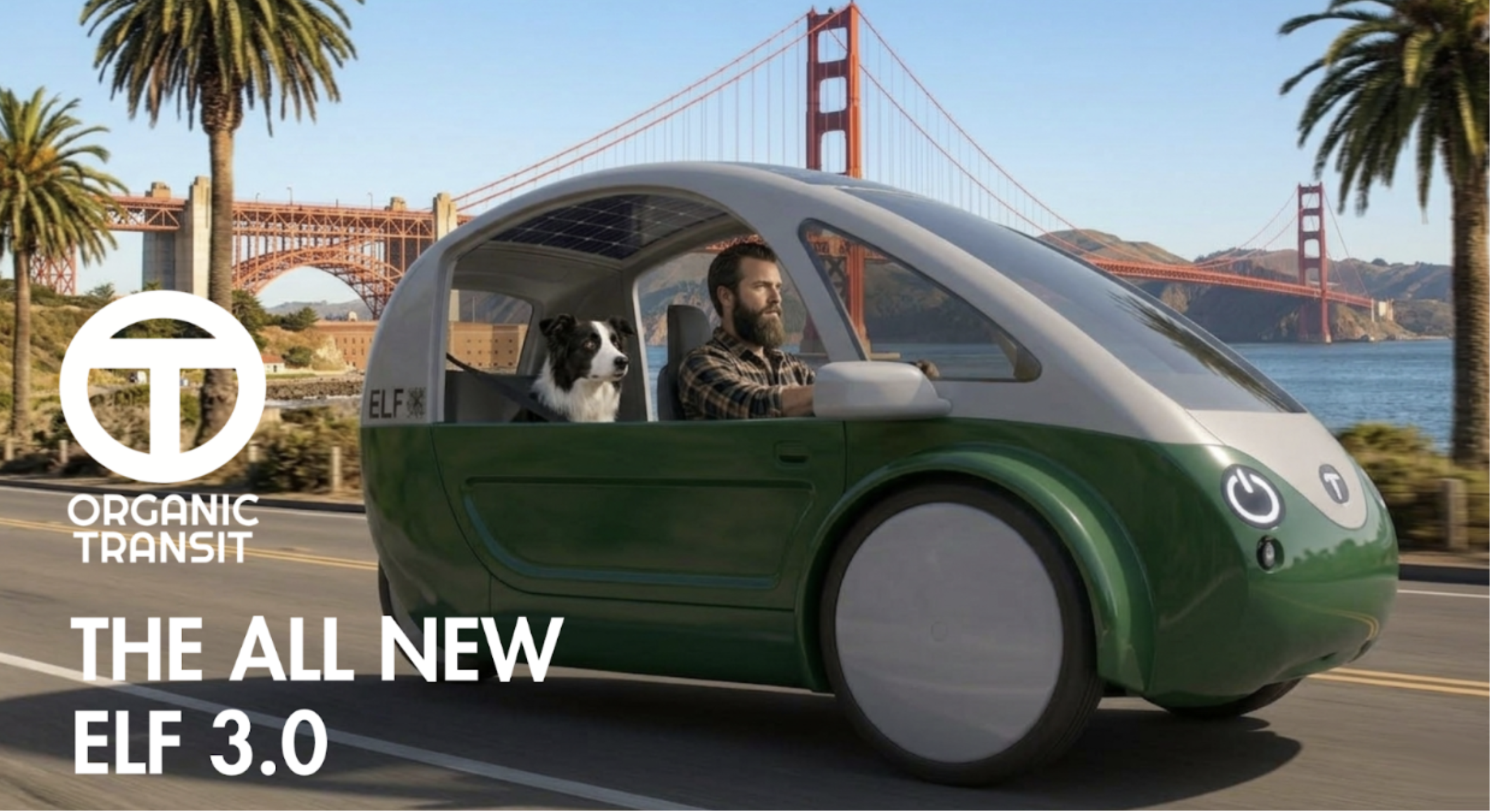
With approximately 750 individuals already populating the waiting list for the new iteration, the ELF is attempting a high-stakes second act.
Supporting Context & Metrics: The Economics of Micromobility
To understand why a vehicle like the ELF is finding a receptive audience now, one must examine the macroeconomic pressures bearing down on modern vehicle owners.
The True Cost of Car Ownership
For decades, the default American response to daily transportation needs has been the purchase and operation of a passenger automobile. However, that status quo is becoming financially unsustainable for millions of households. According to a recent analysis by CNBC, the average cost of maintaining and operating a car in the United States has climbed to a staggering $5,851 per year—before factoring in monthly auto loan payments. When combining insurance premiums, skyrocketing gas prices, routine maintenance, and parking fees, personal vehicle ownership represents an immense drain on middle- and lower-income families.
In contrast, light electric vehicles present an ultra-low-cost alternative. The projected retail price for the ELF 3.0 sits at approximately $7,500. While higher than a standard bicycle, this price point is a fraction of a new or used electric car. Furthermore, the ELF incurs negligible maintenance costs, requires no comprehensive auto insurance, and features virtually zero charging costs for daily commuters who rely on its roof-mounted solar panels.
The E-Bike Boom vs. The "Blue Ocean" Strategy
The market timing for light electric vehicles appears auspicious on the surface. The U.S. market for electric bicycles has experienced explosive growth, with industry data showing that roughly 2.2 million e-bikes were imported into the United States in 2025 alone.
Yet, Cotter argues that traditional e-bikes and the ELF occupy entirely different market segments—a concept he frames using business strategy terminology:
- The "Red Ocean": This is where traditional bicyclists and standard e-bike manufacturers currently operate. It is a crowded space featuring products that work exceptionally well for a specific demographic of riders under ideal conditions.
- The "Blue Ocean": This encompasses the vast, unaddressed demographic of potential riders whose needs are currently ignored by the cycling industry. This group includes the elderly, individuals with physical disabilities, parents needing to safely haul children and groceries, and commuters paralyzed by safety concerns or inclement weather.
"If you combined all those things together, that’s a much wider audience that bicycle industries are not currently addressing," Cotter explains. "We wanted something that was sort of the Honda Civic of comfortable, safe, weather-protected bicycles… We’re trying to pull people out of their cars. So how do we replicate a car-like experience with bicycle technology?"
Official Statements & Engineering Innovations
The ELF 3.0 is not merely a cosmetic dusting off of the 2012 model; it incorporates a suite of technological and safety upgrades designed to address the modern regulatory and operational environment.
Bridging the Regulatory Gap
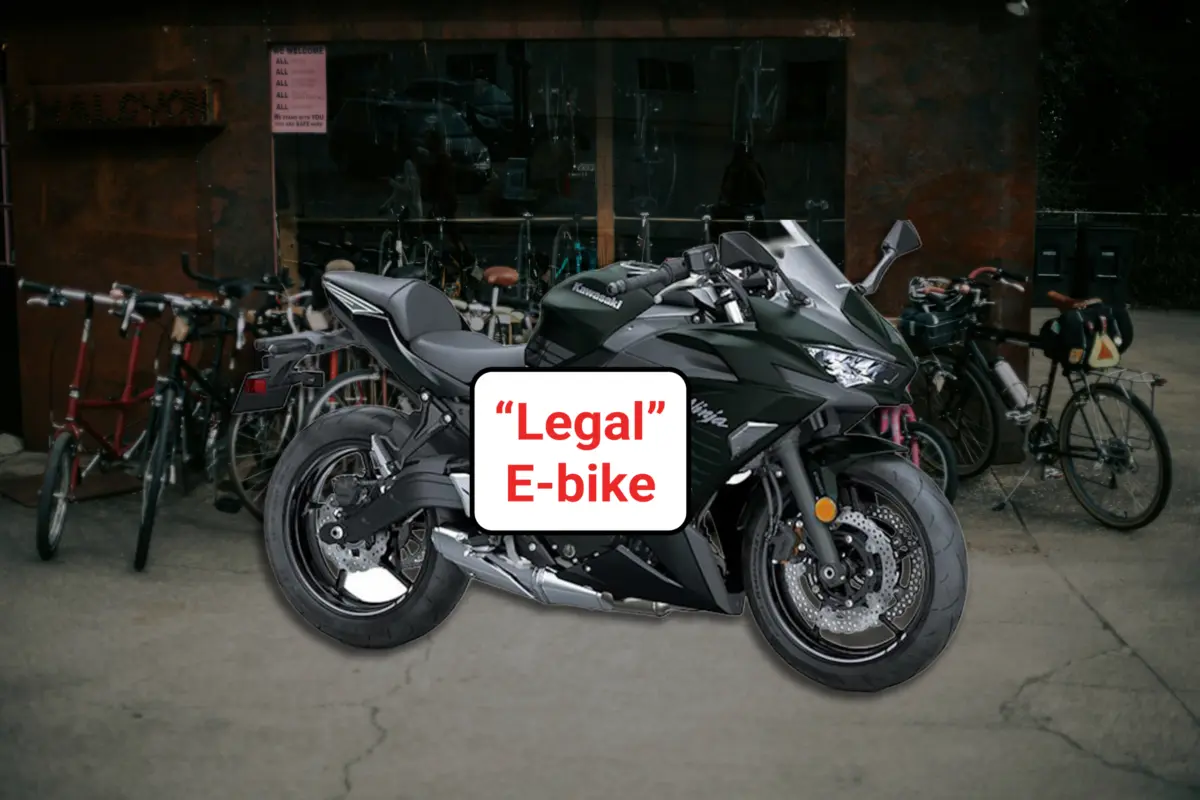
One of the most significant challenges facing the micromobility sector is regulatory fragmentation. While e-bikes have surged in popularity, the market has simultaneously seen an influx of ultra-fast electric motorcycles ("e-motos") illicitly marketed as e-bikes. These vehicles have contributed to a rise in accidents and injuries, prompting state and municipal governments to crack down with restrictive legislation. Unfortunately, these broad regulatory dragnets frequently sweep up perfectly safe, pedal-assist velomobiles and cargo bikes.
To navigate this legislative minefield, the ELF 3.0 is engineered with smart-software capabilities. Cotter notes that the vehicle will support over-the-air (OTA) software updates, allowing operators to dynamically cap speeds and adjust performance profiles to comply with shifting, jurisdiction-specific laws.
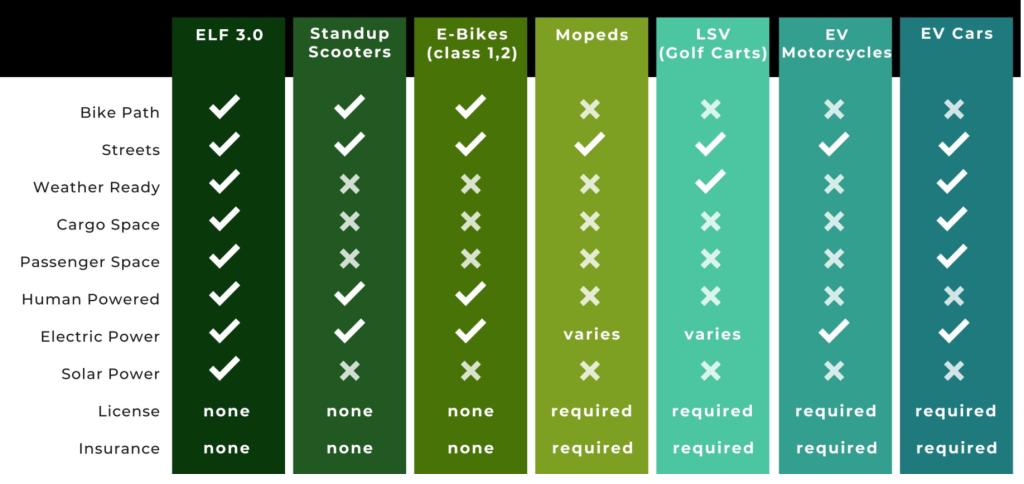
"It’s nice, because every state is going to be or can potentially be different," Cotter says, emphasizing the vehicle’s adaptability.
Advanced Features and Emergency Utility
Beyond software compliance, the ELF 3.0 boasts a comprehensive package of hardware and safety enhancements:
- Solar Capacity: The updated solar panel array on the roof doubles the energy harvest capabilities of the original model, ensuring that the battery remains fully charged under normal commuting conditions.
- Safety and Security: Integrated safety cameras, high-visibility LED turn signals, full suspension systems to absorb urban potholes, and advanced digital tracking coupled with a "lockdown method" to deter theft.
- Home Energy Backup: Perhaps the most novel feature is an optional power package that allows the ELF to double as a home battery backup system. During a grid blackout, owners can tap the vehicle’s energy storage to power home appliances and charge mobile devices. "Instead of getting backup generators, here’s one that functions mostly on solar—and it also provides transportation," Cotter notes.
Future Outlook: Challenges and the Road Ahead
Despite the enthusiasm surrounding the crowdfunding campaign and the clear demographic gap the ELF aims to fill, the vehicle faces a formidable road ahead.
Infrastructure and Spatial Dynamics
Critics and urban planners raise valid concerns regarding spatial dynamics. Measuring roughly 3.5 feet wide, the ELF occupies more lateral space than a traditional bicycle. In cities where protected bike lanes are already narrow, over-subscribed, and fiercely contested, the introduction of wider velomobiles could create friction with traditional cyclists.
Furthermore, urban advocates argue that municipal energy would be better spent fighting for robust, dedicated micromobility infrastructure and overhauling car-centric land-use policies rather than relying on vehicle redesigns to solve systemic urban planning failures.
The Production Reality Check
The most critical hurdle facing Organic Transit is execution. While securing $380,000 in crowdfunding is an impressive feat of community backing, moving from prototype validation to mass manufacturing requires millions of dollars in capital, robust supply chain management, and rigorous quality control. With no definitive, hard delivery date yet established for the ELF 3.0, impatient consumers may default to purchasing readily available, traditional e-bikes, choosing to endure occasional rainstorms rather than wait for an unproven "bike-car."
Conclusion
The relaunch of the ELF is much more than a nostalgic nod to a quirky 2012 invention; it is a litmus test for the future of urban mobility. It challenges designers, regulators, and consumers to rethink the rigid categories that govern how we move through space.
If vehicles like the ELF 3.0 can successfully navigate the labyrinth of state regulations, prove their manufacturing viability, and find acceptance within evolving urban bicycle networks, they just might capture the elusive "blue ocean" of commuters. By offering a weather-protected, solar-powered, car-like experience built upon bicycle foundations, the ELF offers a tantalizing glimpse into a future where leaving the car at home isn’t a sacrifice—it’s an upgrade.