









Executive Overview
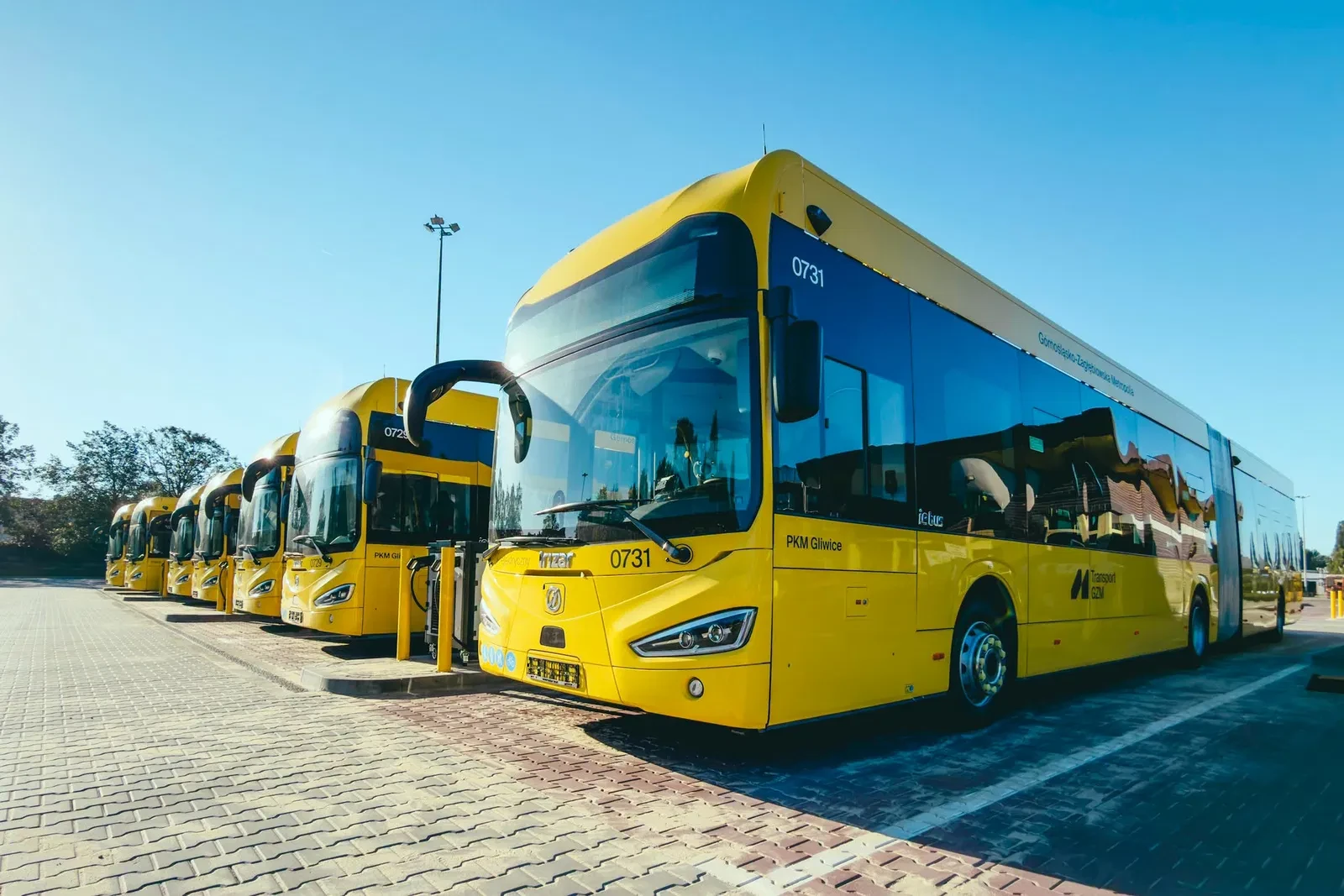
Poland’s public transportation landscape is undergoing a profound, multi-billion-zloty metamorphosis, marked most recently by the successful integration of 31 advanced battery-electric buses into the fleet of the Upper Silesian and Zagłębie Metropolis (GZM). Manufactured by the renowned Spanish clean-mobility pioneer Irizar e-mobility, this new zero-emission fleet represents a vital milestone not only for GZM’s expansive public transit network but also for Irizar’s aggressive commercial expansion into Eastern Europe’s burgeoning green transport sector.
Formally showcased in July following rigorous technical acceptances earlier in the year, the 31-strong fleet brings cutting-edge electric mobility to four key municipal operators across Poland’s heavily industrialized Silesian region: Sosnowiec, Świerklaniec, Katowice, and Gliwice. Valued at a staggering PLN 133.7 million (approximately $36 million), the initiative is heavily bolstered by Poland’s National Recovery Plan (KPO), which is underwriting more than 91% of the eligible costs.
Beyond simply swapping out aging diesel-powered legacy fleets for clean-running electric alternatives, this comprehensive infrastructure project encompasses the deployment of 20 high-capacity depot charging units along with all associated electrical grid enhancements. As GZM diversifies its zero-emission strategy by simultaneously pioneering hydrogen fuel cell integration, the deployment of Irizar’s versatile ie bus platform highlights a broader national trend: Poland is rapidly transitioning from pilot-phase clean mobility experiments to full-scale, nationwide fleet electrification.
Detailed Chronology: From Concept to Asphalt
The realization of GZM’s latest fleet expansion is the culmination of years of strategic planning, municipal coordination, and cross-border industrial manufacturing.
Phase One: Strategic Contracting and Regional Alignment
The groundwork for the current deployment was laid through regional strategic frameworks under GZM’s overarching Zielony Transport GZM (Green Transport GZM) initiative. Designed to fundamentally overhaul the region’s urban mobility footprint, the program prioritizes the retirement of obsolete, high-emission combustion engine buses in favor of state-of-the-art zero-emission alternatives.
Negotiations and procurement cycles finalized major supply agreements between GZM and Irizar e-mobility, setting strict delivery windows and operational benchmarks. The scope of work expanded significantly in April 2026, when a formal contract amendment officially integrated the procurement of 19 specialized depot chargers alongside the buses and comprehensive maintenance agreements, ensuring seamless technical support, warranty provisions, and thorough operator training.
Phase Two: Technical Acceptance and Fleet Distribution
By mid-2026, the vehicles had cleared exhaustive technical safety and performance reviews. The delivery comprised a carefully calculated mix of vehicle configurations tailored to the unique passenger density and route profiles of the four participating municipal operators:
- PKM Sosnowiec: Received eight standard 12-meter electric buses.
- PKM Świerklaniec: Integrated seven standard 12-meter electric buses into its suburban and urban corridors.
- PKM Katowice: Secured nine high-capacity, 18-meter articulated buses to handle heavy commuter trunk lines.
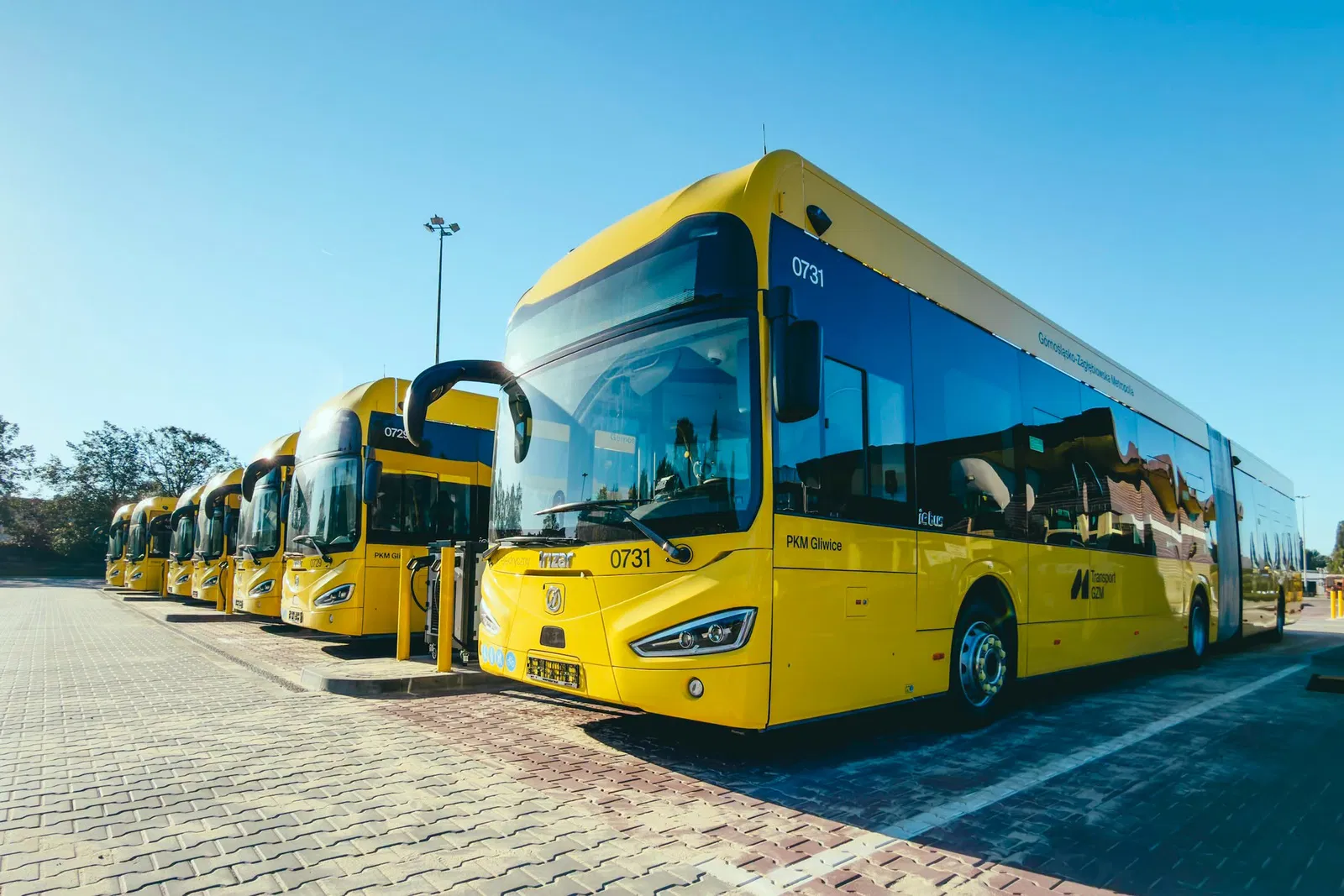
- PKM Gliwice: Took delivery of seven 18-meter articulated buses, bolstering high-frequency urban connections.
In total, the deployment features 16 articulated 18-meter buses and 15 standard 12-meter models, giving GZM immense operational flexibility across diverse geographic terrain and passenger loads.
Supporting Context, Infrastructure, & Financial Metrics
A successful electric bus deployment relies just as heavily on the underlying charging infrastructure as it does on the vehicles themselves. Recognizing this, the Irizar-GZM contract was structured as a turnkey solution encompassing complete electrical engineering and heavy-duty charging hardware.
Comprehensive Depot Charging Architecture
To ensure high fleet availability and reliable daily turnaround times, Irizar supplied 20 advanced depot charging units. The technical configuration of this charging ecosystem reflects sophisticated load-management capabilities:
- 18 dual 80-kW chargers designed for simultaneous, balanced overnight or off-peak recharging.
- One triple 120-kW unit offering dynamic power-sharing capabilities across multiple vehicles.
- One ultra-fast 180-kW high-power charger enabling rapid top-up capabilities for high-utilization routes.
This robust infrastructure was installed directly across the municipal operator depots in Sosnowiec, Świerklaniec, Katowice, and Gliwice, complete with medium-voltage grid connections, protective switchgear, and intelligent energy management systems.
Financial Engineering and National Support
Financing a fleet transition of this magnitude requires robust public-private coordination and substantial state backing. The PLN 133.7 million (~$36 million) project is a masterclass in leveraging EU-backed national recovery funds.
More than 91% of all eligible project costs are directly financed through Poland’s National Recovery Plan (Krajowy Plan Odbudowy, KPO). This heavy subsidization has shielded municipal budgets from crippling capital expenditures, allowing cities in the Upper Silesian industrial heartland to accelerate their decarbonization timelines by up to a decade compared to self-funded trajectories.
National Impact: The Broader Polish E-Mobility Landscape
The arrival of Irizar’s 31 buses is not an isolated event; rather, it forms a crucial puzzle piece in a much larger, nationwide electrification wave sweeping across Poland.
The GZM Metropolitan Blueprint
Within the GZM region alone, projects backed by the National Recovery Plan are injecting a total of 73 battery-electric buses across municipal operators. This overarching deployment is split between two European manufacturing giants: 42 vehicles supplied by Polish domestic leader Solaris, and 31 advanced units delivered by Spain’s Irizar. This combined fleet is supported by a network of 45 dedicated charging stations.
Furthermore, GZM is adopting a multi-technology approach to future-proof its transit network. Alongside battery-electric vehicles, the metropolitan authority has already taken delivery of eight hydrogen fuel-cell buses under its dedicated Hydrogen GZM project. Looking ahead, the next phase of the Green Transport GZM program is already locked in, targeting an additional 24 battery-electric buses and 16 new chargers.

Irizar’s Polish Expansion
For Irizar e-mobility, the GZM contract represents a dramatic scaling of its Central and Eastern European footprint. Having established a minor foothold in Poland back in 2023 with a modest four-bus deployment in Kraków, Irizar fundamentally transformed its market presence through a wave of major contract announcements in late 2025.
These contracts span roughly 80 electric buses destined for five major Polish urban centers:
- Kraków: Expanding its existing fleet by adding 22 new 12-meter Irizar buses to its initial four-vehicle trial.
- Bielsko-Biała: Procuring 12 standard 12-meter electric buses to modernize its municipal fleet.
- Nowy Sącz: Introducing five compact 10-meter vehicles optimized for narrow historic streetscapes.
- Warsaw: Securing an initial order of 10 advanced 10-meter buses scheduled for delivery toward the end of 2026, complete with an option for an additional 10 units. Notably, Warsaw’s Irizar fleet will feature integrated rooftop solar panels generating over 1 kW of auxiliary power to reduce parasitic loads on the main traction battery.
Future Outlook: The Road Ahead for Zero-Emission Transit in Poland
As these vehicles transition from delivery bays into daily revenue service, the focus across Polish transit authorities is pivoting from introduction to optimization.
Operational Learnings and Fleet Standardization
By deploying the same underlying electric platform across multiple vehicle lengths (10m, 12m, and 18m) and spreading them across four distinct municipal operators, GZM is uniquely positioned to gather invaluable comparative analytics. Maintenance teams, fleet managers, and municipal planners will closely monitor energy consumption per kilometer, thermal management efficiency during harsh Polish winters, and battery degradation rates across varying duty cycles. This data-driven approach will inform future procurement strategies as Poland marches toward the European Union’s stringent 2030 and 2050 decarbonization mandates.
Industrial Maturity and Supply Chain Resilience
The rapid scaling of Irizar’s presence in Poland also signals a maturing European supply chain for zero-emission commercial vehicles. As traditional bus manufacturers phase out diesel-exclusive assembly lines, the successful delivery of turnkey electric ecosystems—comprising vehicles, heavy-duty chargers, grid software, and long-term service agreements—demonstrates that the European clean-tech industrial base can successfully meet the immense demands of municipal green transitions.
Ultimately, the successful rollout of Irizar’s 31 electric buses in GZM stands as a testament to strategic public financing, cross-border industrial collaboration, and unwavering municipal commitment. As charging infrastructure solidifies and hydrogen and battery-electric fleets expand side-by-side, Poland’s industrial heartland is successfully transforming into a shining beacon of modern, sustainable urban mobility.