







Executive Overview
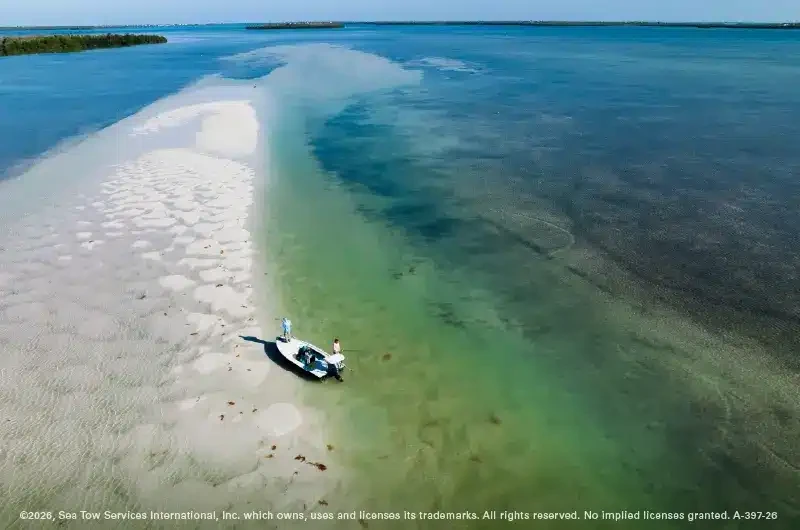
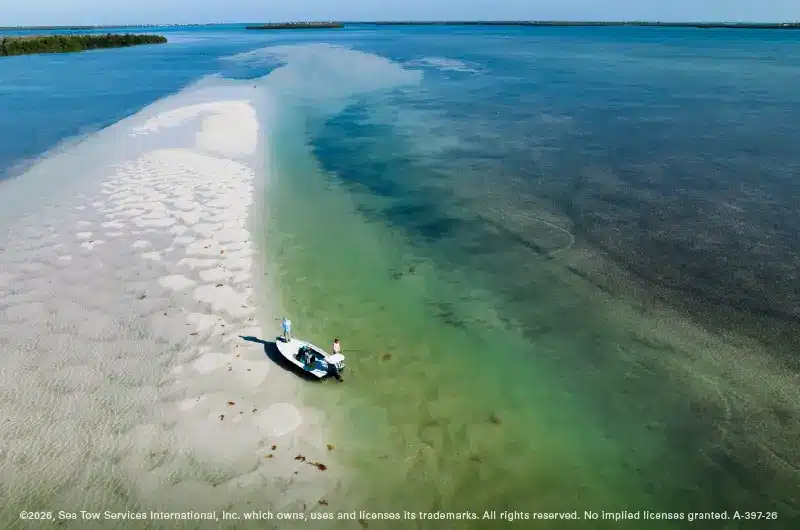
For recreational boaters and commercial mariners alike, few scenarios elicit as much immediate anxiety as experiencing a mechanical failure or vessel disablement far away from home waters. Unfamiliar coastlines, hidden navigational hazards, unpredictable local tides, and a lack of local knowledge can instantly turn a serene day on the water into a high-stress operational challenge. While routine engine trouble or a drained battery is a manageable inconvenience in familiar creeks and bays, being stranded miles from your home slip requires a methodical, safety-first response.
Recent data from marine assistance networks underscores a vital reality: mechanical failures remain the leading cause of on-water distress calls. When these incidents occur in unfamiliar territory, the margin for error narrows significantly. However, by adhering to established marine protocols—prioritizing crew safety, accurately establishing geographical coordinates, diagnosing general mechanical conditions, and contacting reliable professional on-water assistance providers—skippers can dramatically mitigate risk.
This report provides an exhaustive, authoritative breakdown of best practices for handling vessel disablement away from home. It explores step-by-step emergency responses, the distinction between routine assistance and distress protocols, critical preventative measures, and the financial and logistical realities of marine towing.

Detailed Chronology: Step-by-Step Protocols for an Open-Water Breakdown
When an engine sputters, a steering cable snaps, or electrical systems fail miles from your port of origin, every action taken in the immediate aftermath dictates the trajectory of the event. Skippers must execute a disciplined sequence of events to maintain control of the situation.
Phase 1: Securing On-Board Safety and Vessel Stabilization
Before attempting to diagnose the engine or opening the toolbox, the captain’s primary responsibility is the immediate preservation of life and the stabilization of the vessel.
- Don Life Jackets: Every individual on board must immediately don a properly fitted, U.S. Coast Guard-approved personal flotation device (PFD). Even if weather conditions are idyllic, a disabled vessel loses maneuverability and can quickly drift into the path of commercial traffic, shallow shoals, or rocky shorelines.
- Assess Environmental Hazards: Evaluate the immediate surroundings. Is the vessel drifting toward a channel marker, a bridge abutment, or shallow water? Take note of wind direction, current speed, and local vessel traffic.
- Deploy the Anchor: If practical and safe to do so, drop anchor to halt or significantly slow the vessel’s drift. This buys invaluable time for troubleshooting and communication.
- Enhance Visibility: If visibility is compromised—whether due to weather, fog, or approaching dusk—activate all required navigation lights and prepare visual or audible distress signals.
Phase 2: Pinpointing Precise Geographic Location
In home waters, boaters often navigate by memory, local landmarks, or informal geographic nicknames. Far from home, these colloquial markers are useless to rescue coordinators and towing captains.
- Leverage Modern Technology: Consult fixed-mount or handheld GPS units, chartplotters, and marine mobile applications. Dedicated marine applications, such as the Sea Tow app, often feature automated GPS coordinate sharing that links directly to local dispatchers, transmitting exact latitude and longitude data.
- Utilize VHF Radio Capabilities: If cellular service is non-existent or unreliable—a common occurrence in remote coastal areas—rely on a marine VHF radio. Channel 16 serves as the international hailing and distress frequency.
- Document Surrounding Markers: Note any visible aids to navigation (ATONs), buoys, lighthouses, bridge spans, or prominent geological formations to cross-reference with nautical charts.
Phase 3: Diagnostic Assessment
Skippers are not expected to function as marine mechanics while drifting in open water, but identifying the nature of the issue is critical for securing the correct type of assistance.
- Categorize the Malfunction: Determine whether the problem stems from fuel starvation, electrical failure (such as a dead starter battery), cooling system blockages, or mechanical breakage (like a snapped serpentine belt or fouled propeller).
- Avoid Forcing Operation: If an engine is overheating, suffering from low oil pressure, experiencing water intrusion, or displaying severe steering compromise, do not attempt to force it to run. Continuing to operate a compromised drivetrain can turn a minor repair into a catastrophic engine failure or a sinking hazard.
- Identify Specialized Needs: Determine whether the situation calls for a simple jump-start, fuel delivery, a conventional tow to a marina, or high-level salvage and recovery operations due to hard grounding, hull breaches, or environmental hazards.
Phase 4: Engaging Professional On-Water Assistance
Once safety is established, coordinates are locked, and the problem is broadly understood, the captain must contact a professional marine assistance provider.
- Provide Essential Details: When placing the call via VHF radio or telephone, be prepared to communicate the exact GPS coordinates, the number of souls on board, a detailed description of the vessel (make, model, color, length), the nature of the mechanical failure, and whether the boat is anchored, adrift, or taking on water.
- Maintain Communications: Remain stationed near the VHF radio or mobile phone. Responding captains frequently call back for status updates, changing weather conditions, or precise drift adjustments.
Supporting Context & Metrics: The Financial and Logistical Reality of Towing
Operating away from home exposes boaters to a complex web of unfamiliar marinas, local marine contractors, and fluctuating out-of-pocket costs. Understanding the economic landscape of marine assistance is essential for prudent trip planning.
The True Cost of Unplanned Towing
Marine towing is specialized, high-risk labor requiring commercial-grade vessels, heavy-duty rigging, and licensed captains trained in complex seamanship. According to industry metrics, the average cost of a single, non-member marine tow ranges between $950 and $1,000, depending on distance, weather conditions, and the complexity of the extraction.
For boaters who travel, trailer their watercraft to different regional lakes and coastal bays, or rent vessels across various jurisdictions, these costs can accumulate rapidly. Annual membership programs offered by professional on-water assistance providers neutralize this financial exposure, covering standard towing, fuel drops, and jump-starts for a single predictable annual fee.
The Importance of Local Knowledge
Boating outside one’s home territory introduces hidden dangers:
- Shifting Sandbars and Tidal Currents: Navigating unfamiliar channels without knowing local tidal drops can leave a vessel high and dry within minutes.
- Marina Infrastructure: Knowing which regional marinas possess the transient slip space, lift capacity, and mechanical expertise to handle a specific vessel model is information best sourced through local marine captains who operate in those waters 365 days a year.
Official Guidelines: When to Transition from Towing to Coast Guard Intervention
A critical distinction must be maintained between a routine mechanical breakdown and a life-threatening maritime emergency. Misusing emergency channels strains public resources, whereas failing to call for emergency help in a crisis can prove fatal.
Non-Emergency vs. Emergency Protocols
- Non-Emergency (Marine Assistance Providers): Mechanical breakdowns, electrical failures, out-of-fuel scenarios, fouled props, and minor groundings where the hull remains intact and the crew is in no immediate danger are handled by commercial on-water assistance networks like Sea Tow.
- Emergency (U.S. Coast Guard / Local Authorities): Skippers must immediately contact the U.S. Coast Guard on VHF Channel 16 or via cellular emergency services if any of the following conditions exist:
- Immediate threat to human life or safety.
- Active fire or explosion on board.
- Rapidly progressive sinking or catastrophic hull breach.
- Severe medical emergencies or severe injuries.
- Extreme weather events or heavy surf conditions threatening to capsize the vessel.
Best Practices While Awaiting Rescue
While waiting for a towing vessel or emergency responder to arrive, crews must adhere to strict survival and asset-preservation guidelines:
- Stay With the Vessel: Unless the boat is actively sinking or burning, never abandon ship. A vessel is a significantly larger and more visible target for rescue crews than individuals swimming or floating in a life raft.
- Conserve Electrical Power: Power down all non-essential electronics. Preserve battery reserves exclusively for vital operations: marine VHF radio communication, automated bilge pump operation, GPS tracking, and navigation lighting.
- Continuous Monitoring: Keep a constant watch on weather shifts, sea states, anchor holding integrity, and nearby vessel traffic.
Future Outlook: The Evolution of Boating Safety and Connectivity
As the recreational marine industry continues to evolve, technological advancements are fundamentally transforming how boaters prepare for and manage emergencies away from home.
Integration of Smart Marine Tech
The integration of Internet of Things (IoT) devices in modern watercraft means engines are increasingly capable of self-diagnosing issues before catastrophic failure occurs. Smart telematics systems stream real-time engine telemetry—such as oil temperature, coolant flow, and voltage output—directly to a captain’s mobile device or chartplotter.
Simultaneously, mobile applications provided by marine assistance networks are bridging the geographical gap for traveling boaters. By combining instantaneous GPS data-sharing with nationwide dispatch networks, these digital tools eliminate the guesswork of identifying one’s location in unfamiliar waters.
The Shift Toward Proactive Preparedness
The broader marine community is witnessing a decisive cultural shift: moving away from reactive emergency responses toward hyper-vigilant pre-trip planning. Industry trends indicate that more boaters are investing in comprehensive, nationwide towing memberships prior to trailering their boats to unfamiliar waterways. Furthermore, the routine adoption of digital float plans—shared automatically with family members or shore contacts—ensures that if communication fails entirely, search and rescue parameters are already established.
Ultimately, exploring new coastlines, rivers, and lakes should remain an exhilarating pursuit of freedom and adventure. By merging meticulous pre-departure preparation, robust safety equipment, and reliable 24/7 on-water coverage, mariners can navigate unfamiliar horizons with absolute confidence.