






Executive Overview
The race for autonomous driving supremacy is entering its most grueling crucible yet: the dense, historic, and hyper-complex urban environments of Europe. While automated driving systems have made immense strides on the grid-patterned, predictable roadways of North America, putting artificial intelligence into the chaotic, bicycle-choked, tram-laced streets of cities like Amsterdam is an entirely different beast.
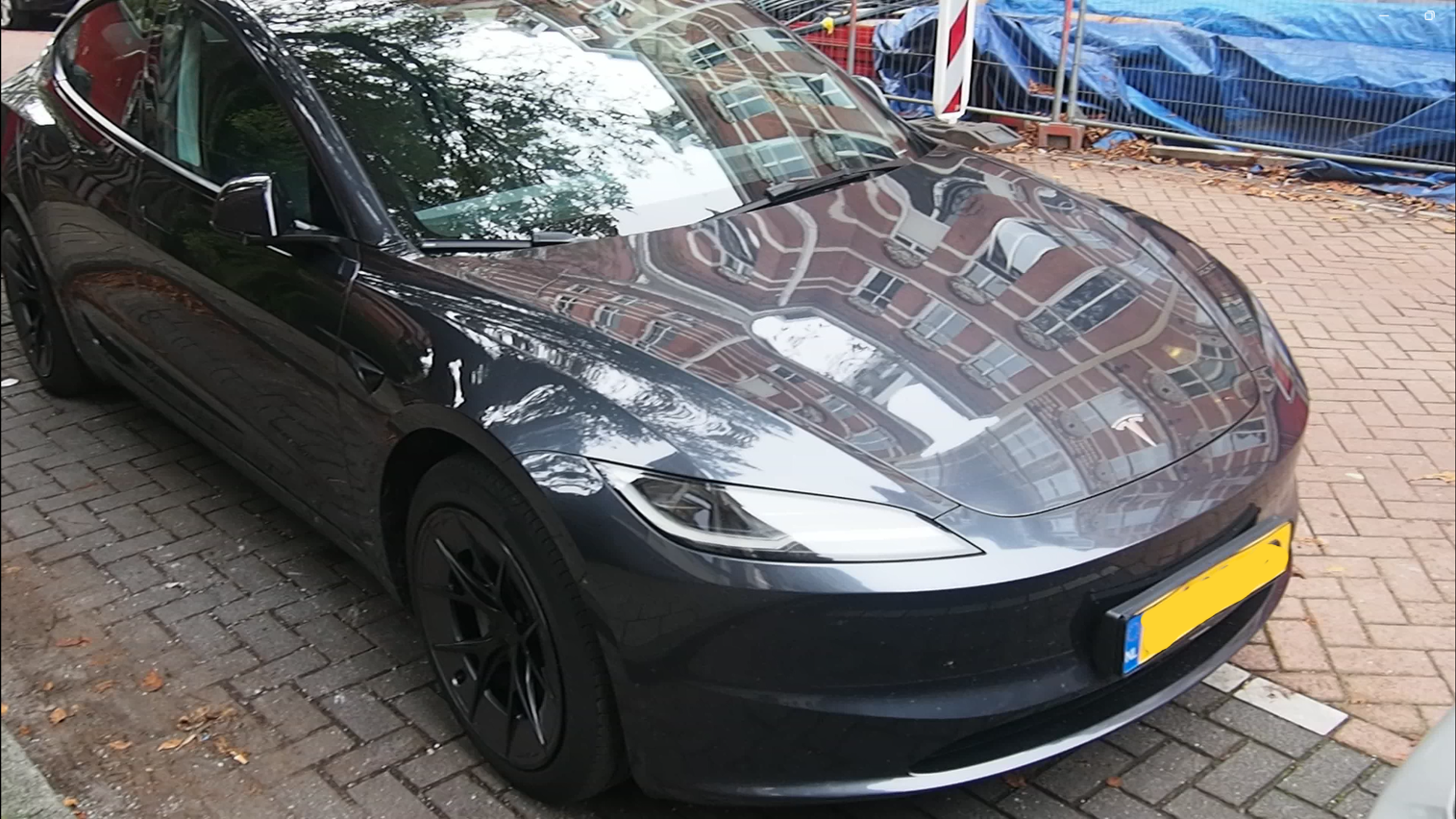
In the first installment of this comparative testing series, we evaluated XPENG’s L03 operating on its cutting-edge VLA 2.0 system through the heart of the Dutch capital. In this second installment, the focus shifts to a Shanghai-built, black Tesla Model 3 Highland running the latest iteration of Tesla’s Full Self-Driving (FSD) software on Hardware 4 (HW4).
Because FSD remains largely unapproved across most of Europe—save for early regulatory clearance in the Netherlands and select expanding regions—and is entirely absent from the Chinese market where XPENG tests its software, this back-to-back evaluation in Amsterdam offered a rare, side-by-side empirical look at two contrasting philosophies of autonomy.
Testing a customer-owned vehicle lent to XPENG by a local enthusiast, our evaluation revealed that Tesla FSD exhibits a distinct "react and correct" paradigm. While this cautious approach prioritizes safety margins on paper, it often translates to nervous, stuttering maneuvers, unexpected bottlenecks, and traffic-blocking hesitancy when confronted with Europe’s dense multi-modal transit systems.
Detailed Chronology of the Amsterdam Test Loop
Setting the Stage: Hardware, Environment, and Methodology
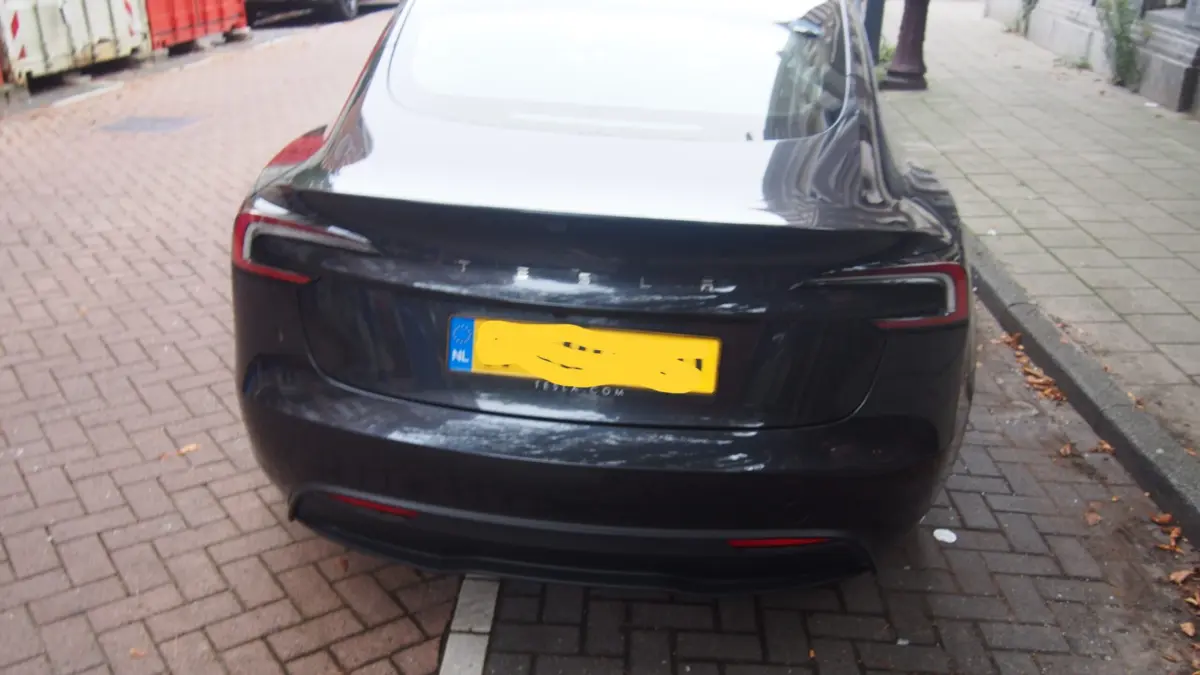
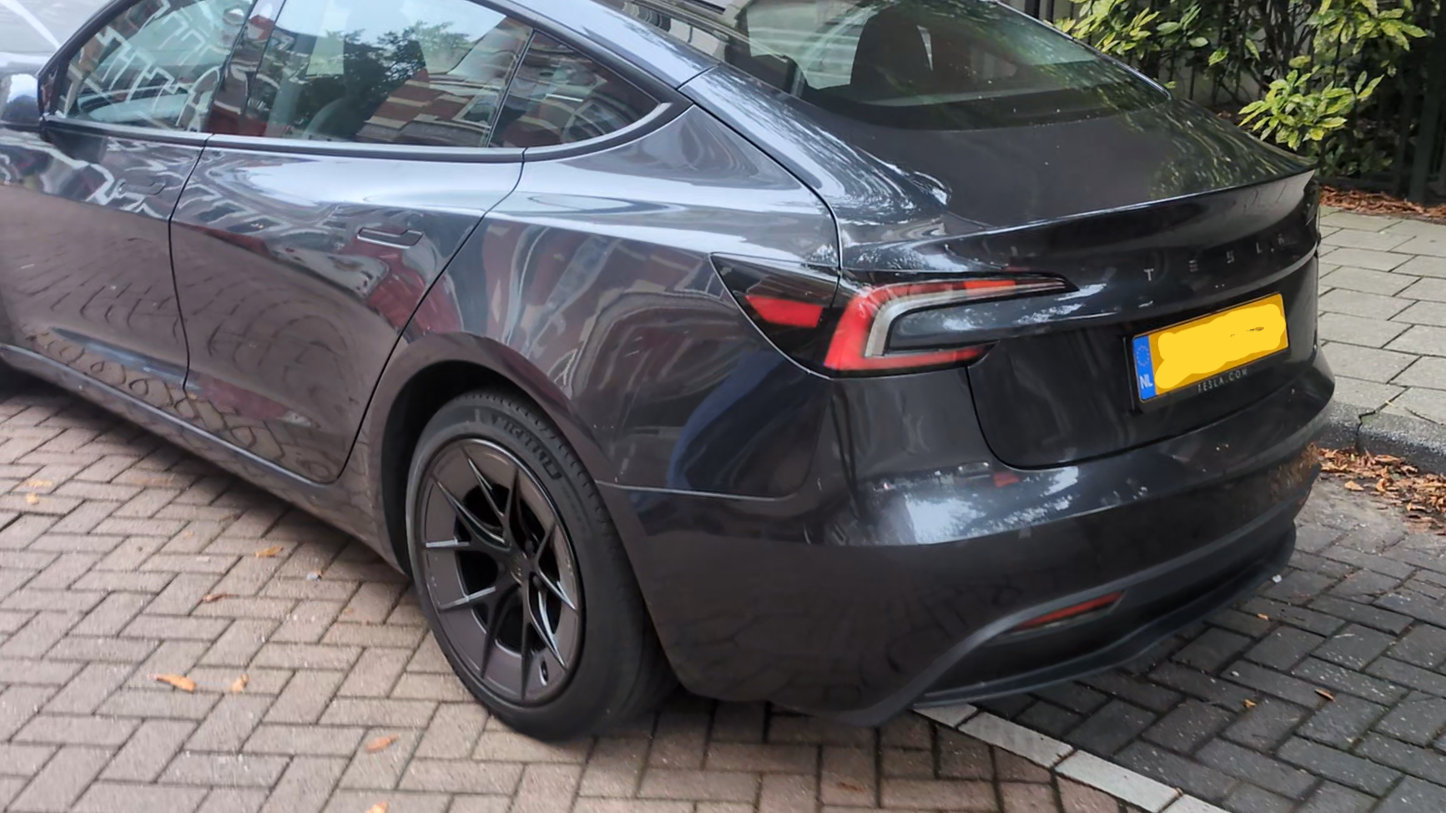
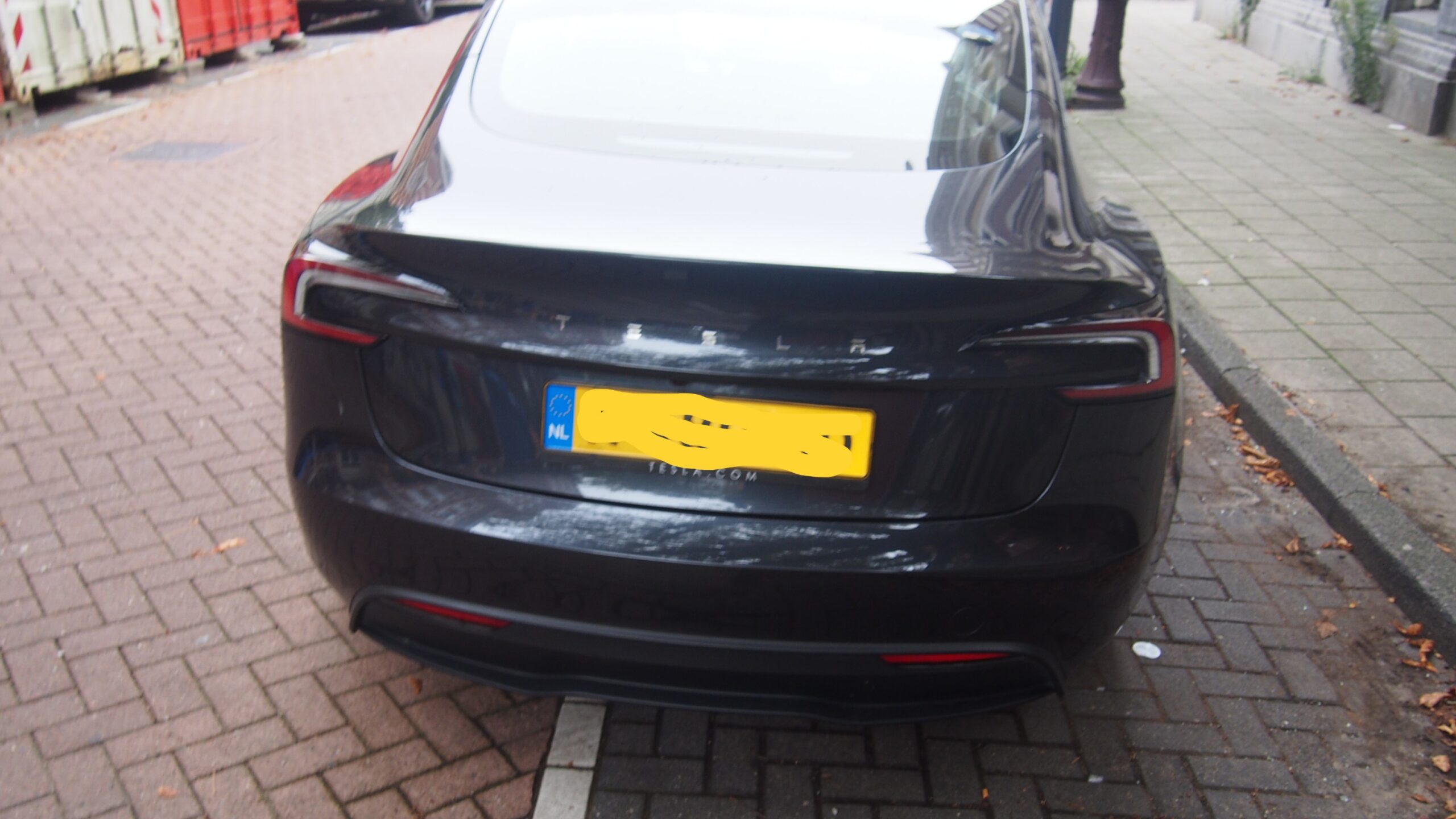
The vehicle utilized for this evaluation was a standard-production, black Tesla Model 3 Highland—a configuration lacking a traditional turn signal stalk, built at Tesla’s Gigafactory Shanghai for the European market, and powered by HW4 running the most up-to-date software build. To ensure strict consistency in driver risk tolerance and situational analysis, the same local driver who accompanied our previous XPENG L03 test joined us for the Tesla evaluation.
Due to early camera calibration and recording difficulties, the designated test loop was run twice in the Tesla, ultimately providing a richer dataset. The route forced both vehicles to confront a merciless gauntlet: swarms of cyclists sharing narrow lanes, complicated multi-phase intersections, active tram lines, unpredictable pedestrian jaywalking, and tight European street geometries. Fortunately, as testing pushed slightly later into the day, vehicular traffic had marginally subsided, though the sheer density of vulnerable road users remained unrelenting.
The "React and Correct" Behavioral Loop
When analyzing the driving dynamics of Tesla FSD in Amsterdam, one overarching operational theme emerged: react and correct.
Executive Overview
Unlike systems designed to fluidly predict and blend into traffic flows, FSD’s operational logic in this environment was characterized by binary decision-making. Upon detecting a cyclist at a distance—a common occurrence in Amsterdam—the vehicle would frequently react with abrupt, preemptive braking. Once it calculated that it had sufficient clearance to proceed, it would surge forward, maintaining a wider-than-necessary safety buffer.
While this overly cautious strategy theoretically reduces collision risk, its practical execution caused severe disruptions:
- The Bike Lane Bottleneck: On one occasion, the Model 3 slammed on its brakes in the middle of a bike lane for an oncoming cyclist far down the road. It remained stationary long enough to inadvertently block a second cyclist approaching from the opposite direction, creating a momentary logjam within a dedicated non-car corridor.
- The Green Light Trap: Approaching an intersection displaying a green light, the vehicle detected a pedestrian lingering near the crosswalk—though the individual had not stepped onto the road. FSD hesitated so long in weighing this potential hazard that the traffic signal cycled from green to red while the car sat paralyzed. Similar delays occurred during light transitions, resulting in missed windows and unnecessary stops on amber lights that could have easily been cleared.
- Impeding Public Transit: Because of its hesitant nature at complex junctions, the Tesla drew audible ire from local motorists. During one notable sequence, it came to a dead stop directly across an active tram line and multiple lanes of traffic, necessitating manual intervention when it failed to reengage from a waypoint near a side street.
Lane Selection and Steering Artifacts
Navigating Amsterdam’s intricate lane markings proved equally troublesome for FSD. On several occasions, the system selected the incorrect lane ahead of a turning maneuver. In one instance, it steered into a dedicated right-turn lane when our route required a left turn, prompting an immediate driver takeover to prevent getting trapped on an unintended loop.
Steering inputs mirrored this erratic operational cadence. Rather than executing smooth, continuous arcs, the steering wheel frequently adjusted in micro-bursts: turn, correct, turn, correct. While these minor adjustments might go unnoticed on long American highways, they became jarringly apparent in contrast to fluid competitors, occasionally causing the tires to slip slightly on slick, rain-dampened brick pavers.
Furthermore, acceleration lacked a linear, comfortable curve. FSD frequently stalled before launching off the line, lurched forward aggressively, backed off, and then attempted to stabilize speed—resulting in a jerky, inefficient ride profile.
Supporting Context & Metrics: Edge Cases and System Limitations
Tight Spaces, Parking, and Obstacle Avoidance
Amsterdam’s historical urban design leaves very little margin for error, exposing distinct geographical blind spots in Tesla’s training data, which is primarily anchored in North American urban planning.
- Autonomous Parking Failures: FSD consistently struggled with entering and exiting street parking slots. In multiple trials, the system announced a successful parking maneuver while the vehicle was still protruding significantly into an active traffic lane, forcing the driver to intervene and manually shimmy the car closer to the curb.
- Clearing Tight Gaps: When navigating around double-parked delivery vans or road obstructions, the Tesla successfully squeezed through gaps with mere inches to spare. However, the process was agonizingly slow, requiring iterative micro-corrections. Had the system abandoned the maneuver halfway through, the human driver would have faced a daunting challenge recovering spatial awareness in an unfamiliar vehicle layout.
- Waypoint Management: Setting intermediate destinations (waypoints) proved problematic. On one run, the vehicle missed a waypoint, attempted an autonomous turnaround, missed it a second time, and tried to route through an entirely unrelated side street loop. When waypoints were manually deleted to reset navigation, FSD frequently suffered from post-deletion unresponsiveness, requiring several seconds of delay before resuming motion.
- Construction and Curb Climbing: When faced with active roadwork roadblocks, FSD occasionally chose incorrect alternate paths. In one memorable instance, the car mounted a curb to bypass a stationary obstacle, drove down the wrong lane for an extended stretch, and waited patiently for a break in the median curb to return to the correct side of the road—luckily avoiding a traffic stop from an oncoming police cruiser. Conversely, in a rare display of spatial competence, the vehicle successfully reversed down a narrow one-way corridor to yield to heavy construction equipment—a vital capability for tight European alleyways, though one that remains absent from competing prototypes like XPENG’s current build.
Future Outlook: The Regulatory Horizon and Cross-Continent Disparities
The core takeaway from our Amsterdam test loop is that Tesla FSD currently behaves like an overly cautious, uninitiated driver transplanted from a low-density American suburb into one of the world’s most complex multi-modal transit hubs. Amsterdam’s intricate ballet of high-speed trams, aggressive cyclists, erratic pedestrians, and compressed spatial geometries simply overwhelms the current behavioral heuristics of FSD software tuned for Austin or Los Angeles.
However, context is critical. As daily traffic thinned out later in the day, the Tesla’s performance stabilized markedly. On more open roadways with predictable geometry, the HW4-powered Model 3 felt vastly superior to earlier iterations tested months prior in the US.
As Europe implements stringent new regulations—such as the UN DCAS (Driver Control Assistance Systems) mandates, which enforce stricter hands-on-wheel requirements for urban driving and limit automated speed overages—software developers will be forced to recalibrate. For Tesla, mastering Europe will require shedding its nervous "react and correct" tendencies in favor of predictive, culturally fluent driving models.

In the third and final installment of this series, we will dive deeper into the hardware mechanics, software architectures, and a direct feature-by-feature comparative matrix of the Tesla Model 3 and the XPENG L03.