










Executive Overview
In an era defined by mass tourism, endless queues at iconic monuments, and the constant digital sharing of the world’s most heavily photographed cities, a counter-movement is quietly gaining momentum. While travelers increasingly push back against the overcrowding of traditional hotspots—leading to friction with local communities and strained municipal infrastructures—a different kind of tourism is quietly thriving. It is a journey into the silent, forgotten corners of the globe: the world’s abandoned ghost towns.
These once-thriving settlements, stripped of their human populations by economic collapse, geopolitical upheaval, industrial obsolescence, war, and natural disasters, have been left to the mercy of the elements. Yet, far from being completely erased from history, many of these locations are exceptionally well-preserved. From the sun-baked diamond mining ruins of the Namib Desert to the Soviet-era Arctic outpost frozen in Norwegian ice, these twelve global ghost towns offer an authentic, spine-chilling glimpse into the past.
For adventurous travelers seeking goosebumps rather than gift shops, exploring these remarkably intact towns—complete with structural remnants of homes, schools, churches, and storefronts—provides a profound, sobering connection to human history.
Detailed Chronology of Abandonment: A Global Timeline
The transformation of bustling communities into uninhabited ruins spans centuries, driven by disparate historical forces. Understanding these ghost towns requires charting the chronological collapses that forced their abandonment.
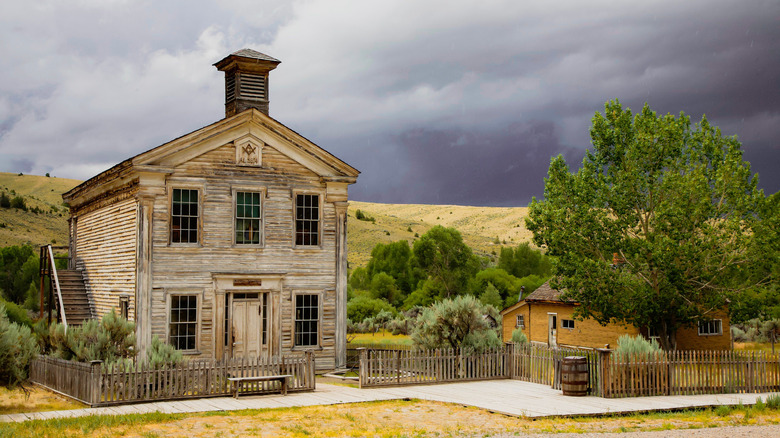
1. Bannack, Montana, USA (Founded 1862; Abandoned Mid-20th Century)
- The Rise: Founded following a major gold discovery along Grasshopper Creek, Bannack quickly surged to a population of over 3,000 residents by 1863, briefly serving as the first territorial capital of Montana.
- The Fall: As gold deposits dwindled, the population plummeted. The community’s decline was accelerated by a notorious gang of criminals, allegedly led by the town’s own sheriff, Henry Plummer.
- Current State: Designated as a state park in 1954, Bannack remains one of the most complete Old West ghost towns in America, featuring over 50 preserved structures, with persistent local lore suggesting it remains haunted by its violent past.
2. Kolmanskop, Namibia (Founded 1908; Abandoned 1956)
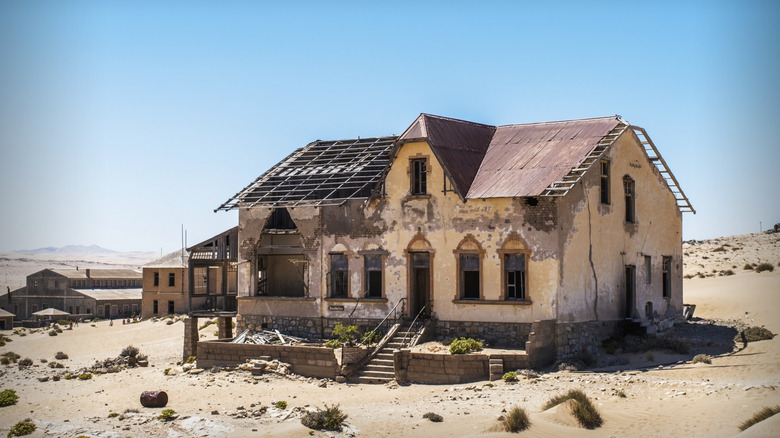
- The Rise: Situated within the treacherous Namib Desert during the era of German South West Africa, Kolmanskop exploded into a lavish, wealthy enclave after a railway worker discovered diamonds in the sand. At its peak, it accounted for roughly 12% of the world’s total diamond production.
- The Fall: The discovery of a richer diamond deposit further south at Oranjemund prompted a mass exodus. By 1956, the town was entirely deserted.
- Current State: The surrounding dunes have steadily invaded the town, swallowing doorways and filling sprawling colonial-style mansions with sand, creating a surreal desert landscape accessible via a short bus ride from Lüderitz.
3. Pyramiden, Norway (Founded 1910; Abandoned 1998)
- The Rise: Established by a Swedish mining company on the remote Arctic archipelago of Svalbard, the settlement was later purchased by the Soviet Union following the 1920 Svalbard Treaty. It functioned as a showcase communist mining community, providing free housing, a theater, a swimming pool, and education to over 1,000 workers.
- The Fall: Following the collapse of the Soviet Union and diminishing economic viability, the mine was shuttered, and the population was evacuated by the end of the 20th century.
- Current State: Protected by the extreme Arctic cold, Pyramiden remains a remarkably preserved Soviet time capsule, complete with books on shelves and grand statues standing against glacial backdrops.
4. Oradour-sur-Glane, France (Destroyed 1944)
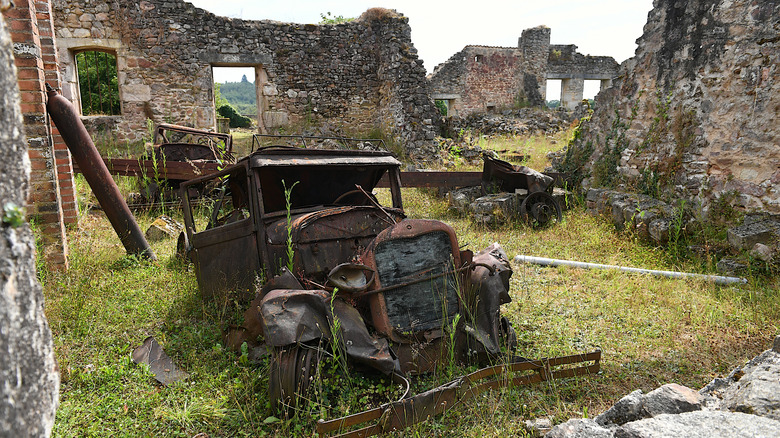
- The Tragedy: During the final months of Nazi occupation in World War II, German troops brutally destroyed the peaceful French village, executing 642 men, women, and children by gunfire and fire.
- The Aftermath: By direct order of French leader Charles de Gaulle, the ruins of the village were left untouched as a permanent, open-air memorial to the atrocities of war.
- Current State: Preserved as the "Village des Martyrs," the site attracts a quarter of a million visitors annually, housing an adjacent museum and the preserved personal belongings of the victims.
Supporting Context & Metrics: The Scale of Desolation
To accurately categorize these sites, historians and travel researchers examine key demographic, geographic, and architectural markers. The following data highlights the scale and accessibility of these locations:
| Ghost Town | Country | Peak Population | Primary Cause of Abandonment | Current Accessibility |
|---|---|---|---|---|
| Bannack | USA | 3,000+ (1863) | Depletion of gold; criminal activity | Open as a Montana State Park |
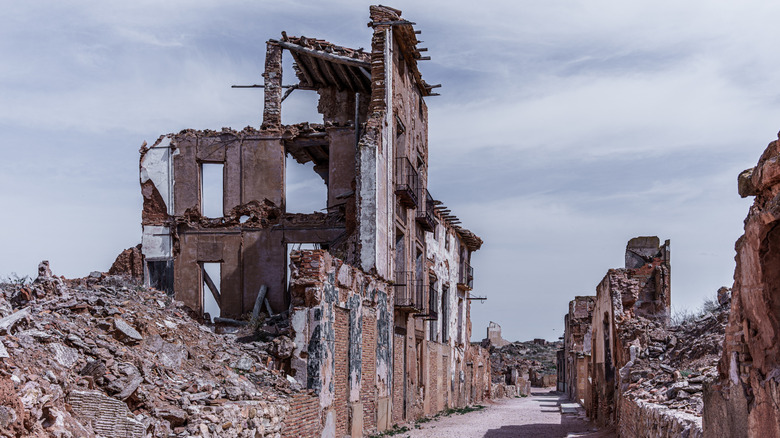
| Belchite | Spain | ~4,000 | Spanish Civil War destruction | Guided tours only |
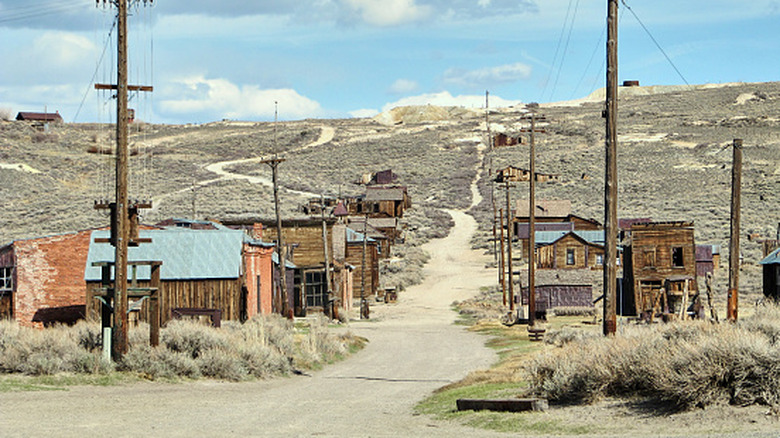
| Bodie | USA | 7,000+ (Late 19th C.) | Gold depletion; 1932 fire | Protected State Historic Park |
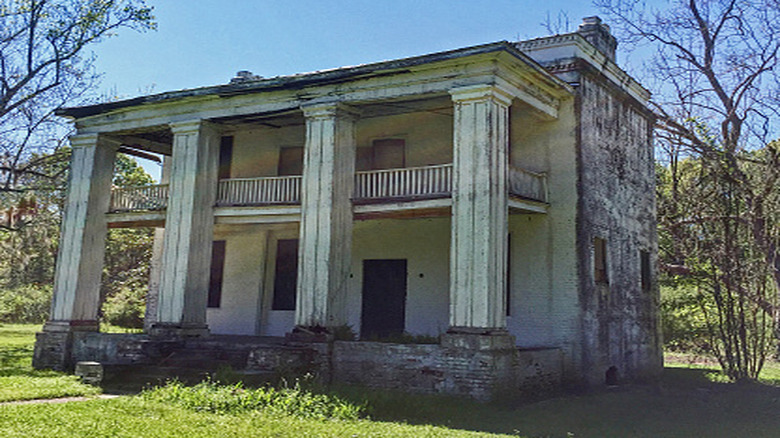
| Cahawba | USA | Several thousand | Flooding; post-Civil War migration | Archaeological Park |
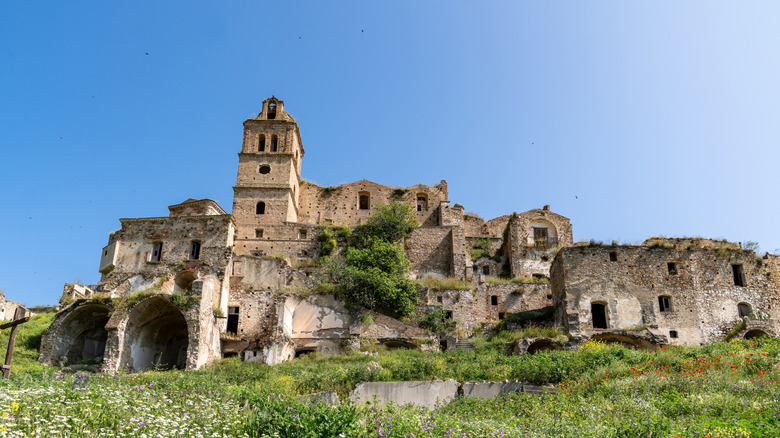
| Craco | Italy | Over 2,000 | Landslides, floods, 1980 earthquake | Guided tours & cultural events |
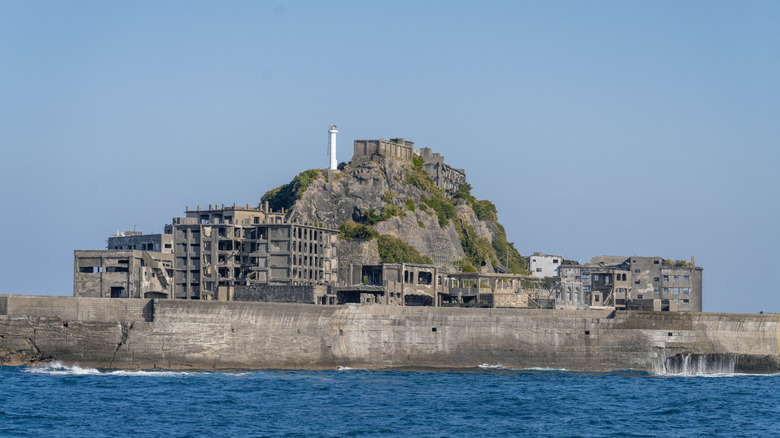
| Hashima Island | Japan | 5,259 (1959) | Transition from coal to oil | Boat tours (restricted walking zones) |
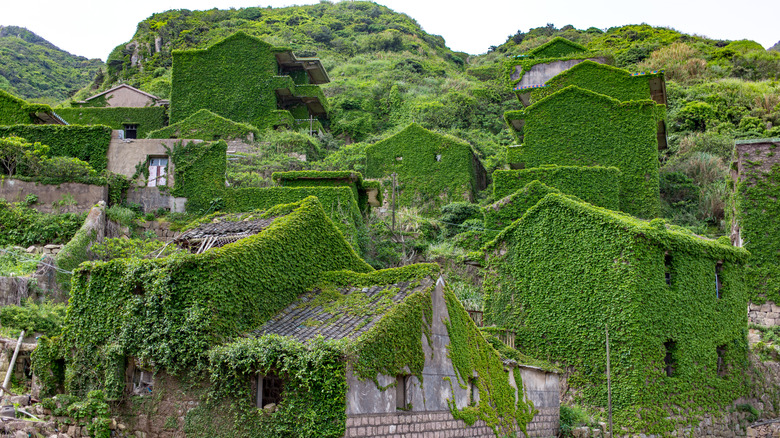
| Houtouwan | China | ~2,000 | Fishing industry decline; isolation | Accessible via ferry & viewing platforms |
| Kolmanskop | Namibia | ~1,200 | Relocation of diamond mining operations | Day trips via Lüderitz |
| Oradour-sur-Glane | France | ~650 | Nazi military massacre | Public memorial site |
| Pyramiden | Norway | ~1,000 | Fall of the Soviet Union | Seasonal boat/snowmobile tours |
| Tyneham | England | ~250 | Military requisition for D-Day training | Weekends and public holidays |
Official Statements and Heritage Preservation Efforts
The preservation of these sites is a complex balancing act between heritage protection, public safety, and tourism management. Government bodies and cultural organizations have implemented strict regulatory frameworks to safeguard these fragile ruins.
In California, the Department of Parks and Recreation maintains Bodie in a state of "arrested decay." Rather than actively restoring peeling wallpaper or rusted machinery, conservationists intervene only to prevent structural collapse, ensuring visitors encounter the town precisely as it was left when the last residents departed in the mid-20th century.

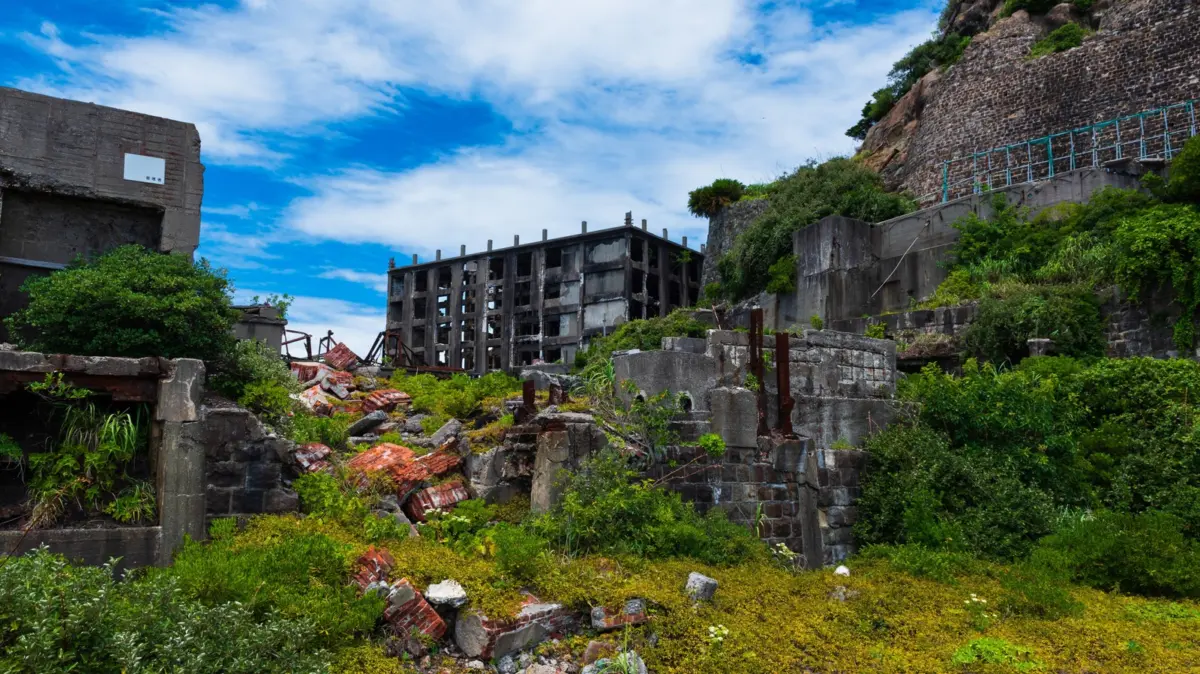
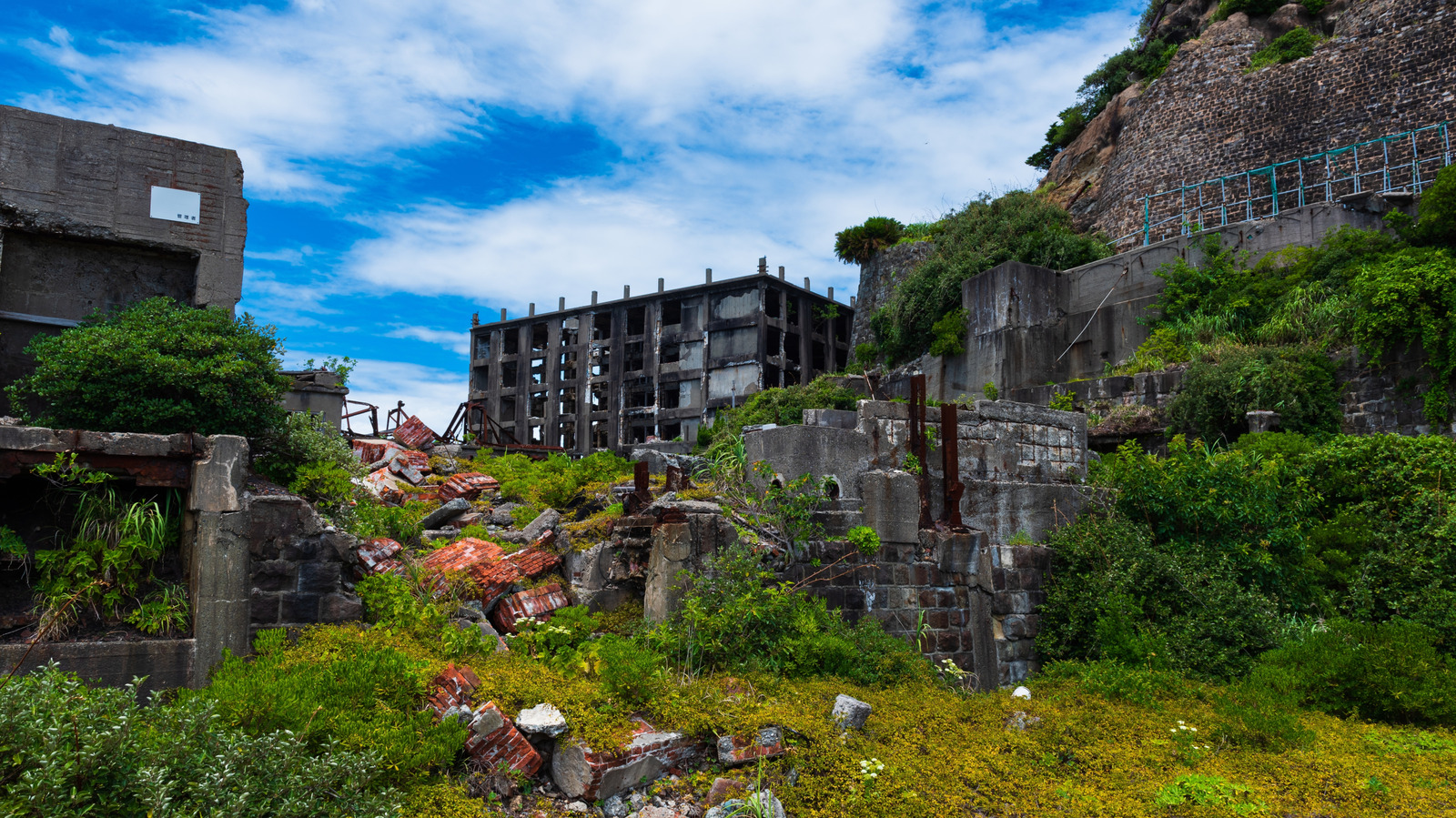
Similarly, the transformation of Hashima Island (Gunkanjima) into a UNESCO World Heritage Site sparked extensive international discourse. While the island’s dense, concrete high-rises—which once housed over 5,000 people on a mere 15 acres—provide a haunting testament to Japan’s rapid industrialization, its history is complicated by the wartime deployment of forced laborers from Korea and China. Today, local authorities tightly regulate maritime access to protect visitors from unstable structures while maintaining the site’s historic integrity.
In Dorset, England, the Ministry of Defense retains ownership of Tyneham, utilizing the surrounding terrain for active military exercises during weekdays while opening the ghost village to pedestrians on weekends. This dual-use policy preserves the village from commercial development, keeping it frozen in the quiet atmosphere of 1943.
Future Outlook: Managing the Balance Between Intrigue and Preservation
As global interest in "dark tourism" and historical exploration accelerates, the management of ghost towns faces a delicate equilibrium. Sites like Houtouwan in China—once completely quiet after its fishing community relocated to the mainland in the early 2000s—demonstrate how digital media can rapidly revitalize a forgotten location. After images of its verdant, ivy-wrapped stone houses spread online, the village transitioned from an abandoned outpost to a destination drawing tens of thousands of annual visitors.
Conversely, locations such as Craco in Italy and Belchite in Spain highlight the necessity of controlled access. Severe structural instability caused by earthquakes, landslides, and wartime bombardment means that unmonitored tourism poses an immediate physical danger to travelers and risks destroying the very ruins that draw them in.
Looking forward, the long-term viability of these twelve ghost towns depends on sustainable curation. By utilizing digital archiving, strictly managed guided tours, and state-backed protective legislation, international heritage organizations can ensure these monuments to human endeavor, conflict, and loss remain accessible to future generations without losing the eerie, untouched authenticity that makes them so unforgettable.