









Executive Overview
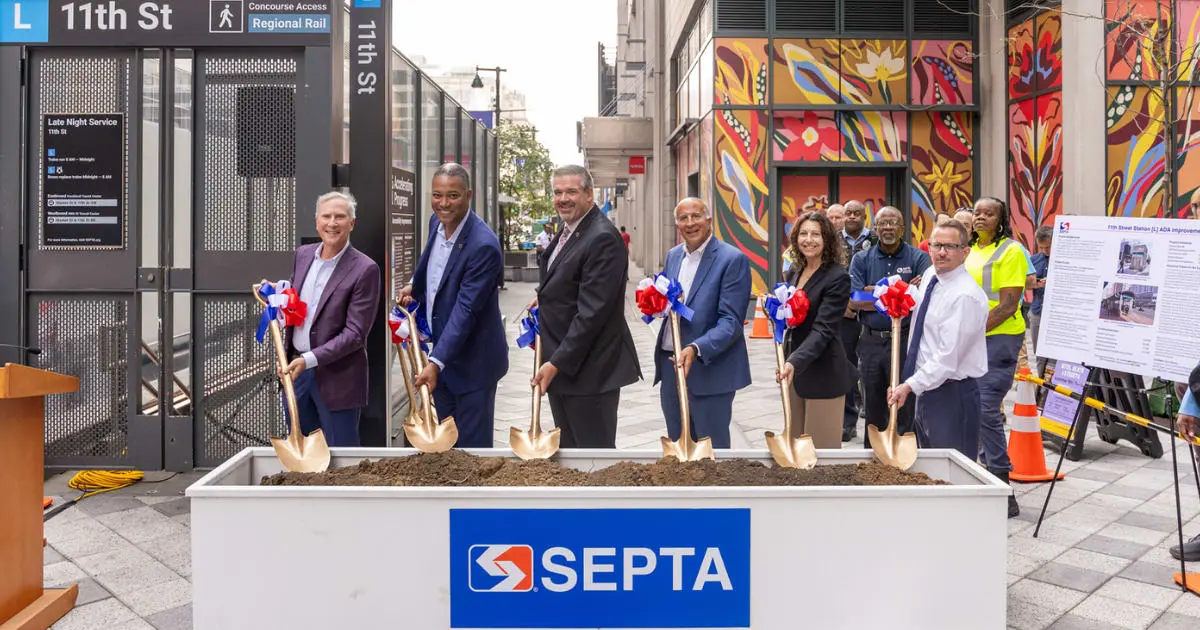
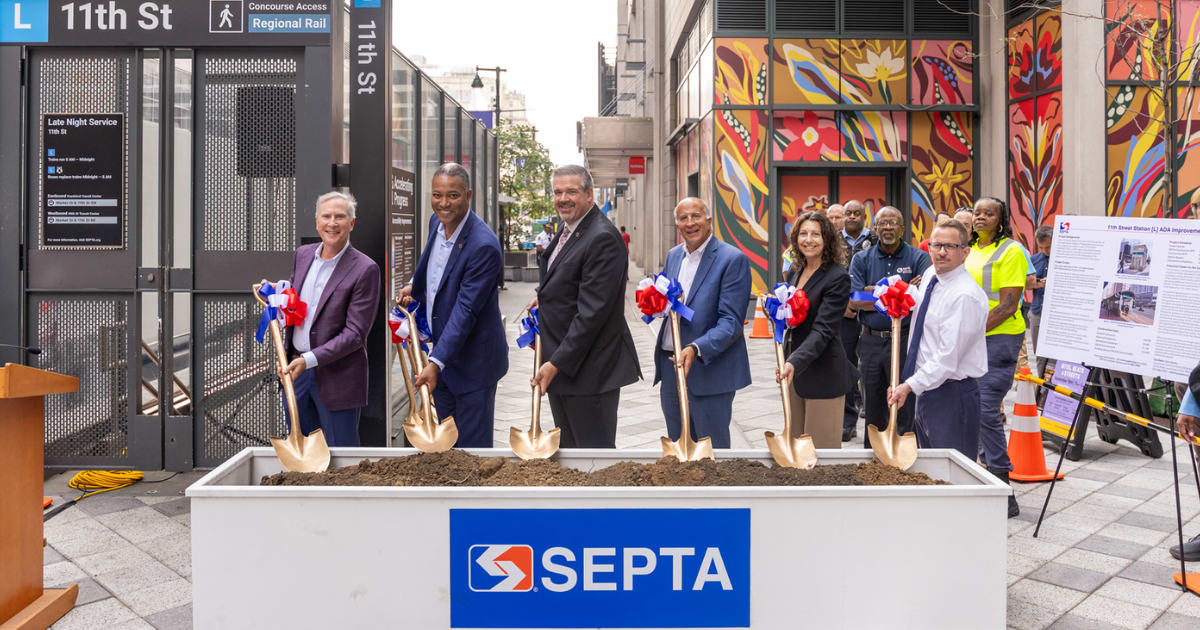
On August 27, the Southeastern Pennsylvania Transportation Authority (SEPTA) officially gathered alongside local elected officials, community stakeholders, and transportation advocates to break ground on a transformative $44 million capital project at the 11th Street Station. The milestone event marks the beginning of a comprehensive, multi-phase engineering and structural overhaul designed to render the vital Center City transit hub fully compliant with the Americans with Disabilities Act (ADA).
Serving more than 9,400 passengers every single weekday, the 11th Street Station functions as a bustling urban gateway to Philadelphia’s thriving East Market corridor. Yet, for decades, its historical architecture and outdated infrastructure presented insurmountable barriers for individuals with physical disabilities, parents traveling with strollers, cyclists, seniors, and travelers carrying heavy luggage. The centerpiece of the newly launched project is the installation of two dedicated, high-capacity elevators providing seamless transit from street level directly to both the eastbound and westbound platforms.
This monumental undertaking is made possible through a multi-layered funding coalition. Crucially, the initiative benefits from robust federal investment channeled via the Federal Transit Administration’s (FTA) competitive All Stations Accessibility Program (ASAP). This federal backing is bolstered by continued, steadfast financial partnerships with the Commonwealth of Pennsylvania and the City of Philadelphia.
To expedite the construction timeline, mitigate long-term community disruption, and maximize fiscal stewardship, SEPTA has adopted an aggressive project delivery strategy. Rather than maintaining partial station operations over a protracted multi-year window—which traditionally plagues similar transit builds—the authority will completely close the 11th Street Station for a continuous 12-month period beginning September 5, 2026. By temporarily bypassing the station while active heavy construction takes place, transit engineers project that the timeline will be slashed by nearly a year, saving taxpayers and the agency up to $3 million in operational and labor costs.
Once this project and its immediate successors reach completion, 27 out of SEPTA’s 28 L line stations will achieve total accessibility. It represents a critical stepping stone in a broader, highly ambitious $700 million capital campaign spanning the next 12 years. Through this campaign, SEPTA aims to overhaul infrastructure across its entire urban Metro and Regional Rail networks, ensuring that public transit in the greater Philadelphia region remains equitable, modern, and universally accessible for generations to come.
Detailed Chronology & Construction Timeline
Transforming a legacy transit hub embedded deep within a densely populated metropolitan core requires meticulous planning, precision engineering, and an aggressive construction timeline. The journey toward the August 27 groundbreaking has been years in the making, reflecting complex negotiations over federal funding allocations, architectural design reviews, and coordinated municipal planning.
The Path to Groundbreaking
Planning for the 11th Street Station accessibility overhaul intensified following the passage of the federal Bipartisan Infrastructure Law, which unlocked specialized funding streams explicitly targeted at repairing and modernizing aging public transportation infrastructure nationwide. SEPTA leadership, recognizing the severe accessibility deficits plaguing its older underground footprint, prioritized the East Market corridor station due to its exceptionally high daily passenger volume and its strategic role as a downtown transit nexus.
Following rigorous environmental assessments, architectural prototyping, and structural load calculations, the SEPTA Board of Directors formally advanced the project parameters, integrating it into the agency’s overarching capital budget framework.
The 12-Month Accelerated Construction Strategy
Traditional transit station retrofits often span up to 35 months. In conventional scenarios, construction crews work during restricted overnight maintenance windows or section off portions of platforms, leading to chronic commuter frustration, extended safety hazards, and ballooning labor costs.
In a decisive break from convention, SEPTA engineers and planners engineered an accelerated delivery schedule. By implementing a total station closure, construction crews gain unfettered, 24/7 access to the worksite. This uninterrupted workspace allows heavy excavation, concrete pouring, structural steel framing, and electrical rewiring to occur concurrently rather than sequentially.
- Project Commencement: August 27 (Official Groundbreaking Ceremony)
- Full Station Closure Date: September 5, 2026
- Target Reopening Date: August 30, 2027
- Concourse Restrictions: The pedestrian concourse stretching between 13th Street and 11th Street will remain entirely closed for the duration of the active construction period to accommodate heavy staging equipment and material transit.
During the 12-month closure, L line trains will continuously bypass the 11th Street Station. Commuters who regularly rely on this stop will be seamlessly redirected to the adjacent, fully ADA-accessible 13th Street Station, which sits just a short walk away along the transit corridor. According to transit modeling, this bold strategy will trim at least 10 months off the standard construction lifecycle and achieve direct cost savings of up to $3 million, proving that operational efficiency and community mindfulness can successfully intersect.
Supporting Context, Infrastructure Metrics & Modernization
The modernization of the 11th Street Station extends far beyond the installation of two new elevators. SEPTA is leveraging this capital investment to execute a comprehensive, holistic upgrade of the station’s internal architecture, security systems, fare collection technology, and passenger amenities.
Engineering the Vertical Connectivity
The primary engineering challenge at 11th Street involves retrofitting vertical circulation systems into a subterranean station originally designed and built in an era when ADA standards did not exist. Constructing street-level elevator shafts down through complex layers of municipal utilities, telecommunication lines, and subterranean foundations requires pinpoint geological surveying and precision micro-tunneling.
Once operational, the two new elevators will connect the surface of East Market Street directly to the eastbound and westbound train platforms, eliminating the need to navigate the steep, narrow stairwells that currently deter mobility-impaired riders.
Fare Evasion Mitigation and Security Upgrades
In tandem with the accessibility overhaul, the 11th Street Station is slated to receive cutting-edge security and revenue-protection infrastructure. Funded in part through the framework of SEPTA’s FY27 Budget, the project incorporates the installation of full-height, tamper-resistant fare gates.
Fare evasion has historically presented fiscal challenges for urban transit systems nationwide. SEPTA’s pilot implementation of these advanced physical barriers at initial testing stations has yielded dramatic results, cutting fare evasion rates roughly in half. Bringing this technology to 11th Street and 13 Regional Rail and Metro stations across the system will not only safeguard vital public revenues but also foster a cleaner, safer, and more orderly station environment for everyday commuters.
Beyond ADA: A Multifaceted Community Lifeline
Industry experts emphasize that transit accessibility improvements deliver cascading benefits that stretch far beyond wheelchair users. Ariella Maron, executive director of the Delaware Valley Regional Planning Commission (DVRPC), underscored the broader societal impact of these capital investments during the groundbreaking ceremonies.
"ADA improvements are a lifeline for those with wheelchairs or mobility aids, and they also make the system more usable and dignified for riders with children in strollers, folks with shopping carts, bicyclists and everyone else," Maron stated. "We applaud SEPTA for finding a way to speed up this project, which in turn means delivering benefits to the community faster and making efficient use of our limited resources."
By modernizing the station’s lighting, signage, and egress routes, SEPTA is transforming 11th Street into a secure, welcoming civic space that reflects the dynamic growth of Philadelphia’s East Market district.
Official Statements & Stakeholder Perspectives
The significance of the 11th Street Station groundbreaking resonated across local, regional, and federal levels of government, highlighting a unified commitment to modernizing America’s urban transit backbone.
SEPTA Leadership
SEPTA Board Chair Kenneth E. Lawrence Jr. emphasized that system-wide accessibility is an ethical imperative rather than a mere regulatory checkbox.
"Ensuring that SEPTA service is accessible to all riders is a core part of our mission, and today’s groundbreaking marks another important milestone in that commitment," said Lawrence. "Making our system more accessible is a shared responsibility, and we are grateful for the federal investment through the FTA’s All Stations Accessibility Program, as well as the continued partnership and support of the Commonwealth of Pennsylvania and the City of Philadelphia."
Echoing these sentiments, SEPTA General Manager Scott A. Sauer underscored the project’s economic and urban development implications.
"We are excited to begin this work and deliver a modern, fully accessible station for our customers," said Sauer. "11th Street Station is an important gateway to East Market, and this project is an investment not only in our transit system but in the infrastructure that supports this critical corridor."
Federal and Municipal Champions
The project serves as a textbook example of federal infrastructure legislation delivering tangible, localized benefits. Congressman Brendan F. Boyle, a vocal advocate for federal transit funding in Washington, pointed directly to legislative battles in Congress as the catalyst for the station’s transformation.
"These improvements will ensure 11th Street Station is fully accessible and enhance the experience for every rider," remarked Congressman Boyle. "Projects like this are exactly why I fought so hard to pass the Bipartisan Infrastructure Law, and I’m proud to have helped secure millions in federal funding to deliver these upgrades."
At the municipal level, Philadelphia City Councilmember Mark Squilla voiced strong backing for SEPTA’s ongoing capital initiatives, recognizing their role in sustaining urban mobility.
"Understanding the importance of public transit, I am pleased to support SEPTA’s work to achieve accessibility for all users of the system, and this project is a good step in that direction," Squilla noted.
Future Outlook & System-Wide Vision
The groundbreaking at 11th Street Station is not an isolated capital project; it represents an indispensable building block in SEPTA’s long-term strategic vision for regional mobility equity.
The $700 Million Accessibility Roadmap
As urban populations age and cities increasingly embrace transit-oriented development, the demand for barrier-free public transportation has never been more urgent. SEPTA’s aggressive 12-year capital blueprint earmarks more than $700 million specifically for accessibility retrofits across the Metro and Regional Rail networks.
When the 11th Street Station reopens its doors in late August 2027 with minor finishing touches remaining, an astonishing 27 out of 28 L line stations will achieve total ADA compliance. This milestone leaves merely a single legacy station on the line requiring modernization, effectively setting a new benchmark for system-wide equity within the authority’s heavy rail network.
Sustaining Momentum Amid Funding Realities
Despite the triumphant tone of the August 27 groundbreaking, SEPTA—like major transit agencies across the United States—continues to navigate complex financial landscapes. Post-pandemic ridership shifts, inflationary pressures on construction materials, and the eventual depletion of federal pandemic-era relief funds require transit leaders to practice rigorous fiscal discipline.
The success of the accelerated 12-month delivery model at 11th Street Station serves as a blueprint for future capital projects. By demonstrating that innovative construction management can drastically cut costs and shorten timelines, SEPTA builds vital credibility with federal grant-makers, state legislators, and local taxpayers alike.
Looking Ahead
As heavy machinery moves into the subterranean depths of Center City Philadelphia this September, commuters will face a temporary inconvenience offset by the promise of a vastly superior transit experience. The modernization of 11th Street Station stands as a testament to collaborative governance, engineering ingenuity, and an unwavering institutional commitment to ensuring that public transit remains a public good open to absolutely everyone.