






Executive Overview
In the early hours of 14 October 2025, the fishing vessel Silver Cloud II met its final moments on a jagged cluster of rocks just off the rugged coast of Lochinver, Scotland. At approximately 0238 hours, while navigating the treacherous coastal waters under the cover of darkness, the vessel struck hard against the shore. The immediate cause of the catastrophe was deceptively simple, yet fundamentally perilous: the skipper, standing the solitary night watch, had fallen asleep at the helm.
Miraculously, despite the catastrophic impact and the subsequent total loss of the hull, the human cost was zero. The three crew members onboard—awakened by the sudden, violent shudder of the grounding—executed a calm and efficient abandonment of the vessel. They took to safety and were rescued shortly thereafter without sustaining physical injury.
However, the sinking of the Silver Cloud II is far more than a single maritime mishap; it is a stark symptom of a pervasive, systemic vulnerability deeply entrenched within the commercial fishing industry. When investigators from the Marine Accident Investigation Branch (MAIB) reviewed the incident, they made a striking determination: no new recommendations were issued.

This lack of new recommendations is not indicative of regulatory complacency, but rather of a chilling repetition. The underlying causal factors—chiefly fatigue, watchkeeping failures, and single-person watch routines—have been documented, analyzed, and warned against in numerous prior MAIB investigations. The tragedy of the Silver Cloud II demonstrates that despite decades of safety campaigns, technological advancements, and regulatory frameworks, the maritime community continues to grapple with the age-old adversary of human exhaustion.
This in-depth report explores the chronology of the incident, evaluates the systemic safety issues surrounding fatigue in the fishing sector, analyzes the broader metrics of maritime safety in the United Kingdom, and examines the ongoing challenges facing regulatory bodies and vessel operators alike.
Detailed Chronology of Events
To fully understand how the Silver Cloud II transitioned from a routine fishing transit into a total hull loss, it is necessary to reconstruct the sequence of events leading up to the fateful hour of 0238 on 14 October 2025.
The Context of the Voyage
While specific operational details regarding the vessel’s prior days at sea are guarded within confidential investigative transcripts, operations in the waters surrounding Lochinver are notoriously demanding. The west coast of Scotland presents a complex navigational matrix featuring erratic tidal streams, numerous rocky islets, sub-surface hazards, and notoriously unpredictable weather patterns.
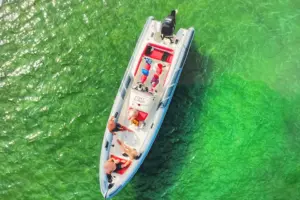
On the night of 13 October, the Silver Cloud II was operating with a standard complement of three crew members: the skipper and two deckhands. As the evening progressed into the early hours of the following morning, the vessel transitioned into a transit phase.
The Watchkeeping Breakdown
In commercial fishing operations of this scale, watchkeeping duties are frequently shared or concentrated upon the skipper, particularly during transit phases where the workload shifts from active fishing to navigation. As the clock ticked past midnight, the skipper assumed sole responsibility for the bridge watch.
Operating a vessel in confined coastal waters requires high-level cognitive alertness, continuous radar monitoring, visual lookout, and frequent position-fixing. However, the cumulative effects of physical labor, irregular rest cycles, and circadian troughs—particularly during the "graveyard shift" between 0200 and 0400—began to compromise the skipper’s alertness.
Sometime prior to 0238, fatigue overcame the skipper. Without an active Bridge Navigational Watch Alarm System (BNWAS) or a fellow crew member to maintain a dual-person watch system to intervene, the skipper fell asleep.
The Grounding
Left entirely without human guidance or course correction, the Silver Cloud II continued on a steady vector toward the rocky shoreline near Lochinver.
At approximately 0238, the vessel made high-speed contact with the rocks. The kinetic energy of the impact was immense, instantly breaching the hull and causing catastrophic structural damage. The sudden deceleration and violent shudder immediately woke the resting crew members below deck.
Recognizing the gravity of the situation—water ingress, listing, and the grinding sound of the hull tearing against rock—the crew acted decisively. Realizing that the vessel could not be saved and that the risk of capsinking was imminent, preparations for abandonment were swiftly initiated.
Evacuation and Rescue
The three crew members successfully deployed life-saving apparatus and abandoned the stricken Silver Cloud II, moving clear of the immediate hazard zone. Emergency distress communications were established, alerting HM Coastguard rescue assets to their precise predicament.
Local rescue teams and maritime assets responded rapidly to the distress call. The three crew members were recovered from safety craft without sustaining physical injuries—a testament to their composure and training during the crisis.
However, the Silver Cloud II was less fortunate. Left stranded on the exposed rocks, battered by incoming swells and tidal action, the vessel could not be salvaged in a viable condition and was declared a total constructive loss, slipping beneath the waves and leaving behind an environmental and economic footprint.
Supporting Context & Metrics
The sinking of the Silver Cloud II is not an isolated anomaly. To contextualize this incident, one must examine the broader landscape of maritime safety, the physiological reality of fatigue, and the statistical realities governing the commercial fishing sector.
The Invisible Enemy: Fatigue at Sea
Fatigue is widely recognized by maritime authorities globally as one of the single greatest threats to navigational safety. Unlike mechanical failure, which often manifests abruptly, fatigue creeps in silently, degrading cognitive function, slowing reaction times, impairing judgment, and ultimately inducing involuntary microsleeps.

In the commercial fishing industry, the risk profile for fatigue is exacerbated by several unique factors:
- Unpredictable Work-Rest Cycles: Fish do not operate on a standard 9-to-5 schedule. Crew members often work continuous, grueling hours dictated by catches, weather windows, and market demands.
- Reductions in Crew Sizes: Economic pressures have led to many vessels operating with the minimum possible number of crew members. This reduces the capacity to implement robust watch-rotation systems.
- The Single-Handed Bridge Watch: Operating alone on the bridge during night transits removes the safety net of a second person who can spot navigational errors or wake a drowsy colleague.
MAIB Historical Data and Trends
The Marine Accident Investigation Branch has repeatedly highlighted fatigue as a primary causal or contributory factor in maritime casualties. Over the past two decades, numerous groundings, collisions, and man-overboard incidents have shared a nearly identical narrative structure: a lone watchkeeper succumbing to exhaustion, failing to alter course, and striking a stationary hazard.
When the MAIB investigates these recurring themes, it faces a recurrent philosophical dilemma. When a safety recommendation has been issued multiple times in the past—urging the adoption of bridge alarms, better fatigue management, and mandatory dual-watch systems—issuing the same recommendation again risks administrative redundancy. As noted in Investigation Report 17/2026:
"In view of the repetition of findings from previous Marine Accident Investigation Branch (MAIB) investigations, no recommendations have been made."
This statement is a profound indictment of the status quo. It signals that the problem is not a lack of regulatory understanding or a mystery awaiting scientific discovery; rather, the challenge lies in changing the operational culture and compliance behavior within the grassroots fishing fleet.
Official Statements and Regulatory Perspectives
While the formal MAIB report focuses strictly on the factual reconstruction and systemic implications without issuing fresh recommendations, maritime safety authorities, industry associations, and labor organizations have weighed in on the wider discourse surrounding the loss of the Silver Cloud II.
The MAIB Stance on Recurring Failures
Maritime investigators emphasize that reports are designed to be catalysts for change. However, when statutory bodies find themselves recording identical causal chains year after year, it underscores a disconnect between safety theory and practical implementation at sea.
A senior maritime safety analyst remarked on the conditional nature of modern fishing safety:
"We know why these accidents happen. We know that humans need sleep, that single-person night watches are inherently dangerous without fail-safe technologies, and that economic desperation often trumps rest guidelines. The absence of a new recommendation in Report 17/2026 does not mean the issue is closed; it means the industry already possesses the warnings it needs. The failure is now one of adoption and enforcement."
Industry and Union Reactions
Fishing industry federations and safety groups have pointed to the incident as an urgent reminder of the need for technological adoption. Solutions such as Bridge Navigational Watch Alarm Systems (BNWAS)—which require a watchkeeper to physically reset an interval timer or risk an audible bridge alarm sounding—are technically mature and commercially available. However, their mandatory implementation across smaller fishing vessels remains inconsistent.
Furthermore, labor representatives have argued that safety regulations must address the underlying economic pressures forcing skippers to work excessive hours. When profit margins shrink, skippers frequently choose to forgo resting periods to maximize fishing time or complete transits single-handedly, gambling with their lives and their vessels against the laws of human biology.
Future Outlook: Charting a Safer Course for the Fleet
The total loss of the Silver Cloud II serves as a sobering case study for the future of maritime safety governance in the United Kingdom and beyond. Preventing future repetitions of this exact accident requires a multifaceted strategy involving technology, cultural shifts within the fishing community, and targeted regulatory oversight.
1. Technological Integration and Mandatory Alarms
The deployment of technological safety nets is non-negotiable for modernizing fleet safety.
- Bridge Navigational Watch Alarm Systems (BNWAS): Expanding the mandatory requirement and enforcement of BNWAS across all commercial fishing vessels—regardless of size class—ensures that if a skipper falls asleep, an escalating alarm sequence will awaken them or summon other crew members before a grounding occurs.
- Proactive Fatigue-Monitoring Tools: Emerging wearable technologies capable of tracking biometric alertness markers could soon play a role in monitoring watchkeeper fatigue in real time.
2. Cultural Transformation in Crew Management
Technological interventions alone cannot succeed without a fundamental shift in how the fishing industry views rest and fatigue.
- The End of the "Heroic Skipper" Myth: For generations, the culture of commercial fishing has romanticized endurance—the skipper who stays awake for days on end to bring home a catch. This mindset must be actively dismantled. Fatigue must be recognized not as a badge of dedication, but as a severe navigational hazard.
- Minimum Safe Manning and Rest Enforcement: Vessel operators must prioritize sustainable crewing levels that allow for genuine, uninterrupted sleep cycles during extended operations.
3. Regulatory Enforcement and Education
While the MAIB does not issue binding legislation, its reports feed directly into the policy machinery of the Maritime and Coastguard Agency (MCA). The insights gained from Report 17/2026 must be leveraged to drive targeted safety campaigns, port-state control inspections, and skipper training programs.
Educating new entrants to the fishing industry on the physiological mechanics of sleep deprivation—and empowering deckhands to challenge unsafe watchkeeping practices—will be critical in breaking the generational cycle of fatigue-related casualties.
Conclusion
The grounding of the fishing vessel Silver Cloud II near Lochinver on 14 October 2025 ended in the best possible outcome regarding human life, with all three crew members escaping uninjured. Yet, the loss of the vessel itself represents a painful economic and emotional blow to those dependent on its operations.
Investigation Report 17/2026 stands as a stark mirror reflecting the enduring vulnerabilities of the commercial fishing sector. By choosing to issue no new recommendations, the MAIB has delivered a silent yet resounding message: the solutions to these tragedies are already known, written in the painful lessons of past inquiries. It is now incumbent upon vessel owners, skippers, regulators, and the wider maritime community to heed those existing warnings, embrace available technologies, and cultivate a culture where human limitations are respected before the next coastline looms out of the dark.