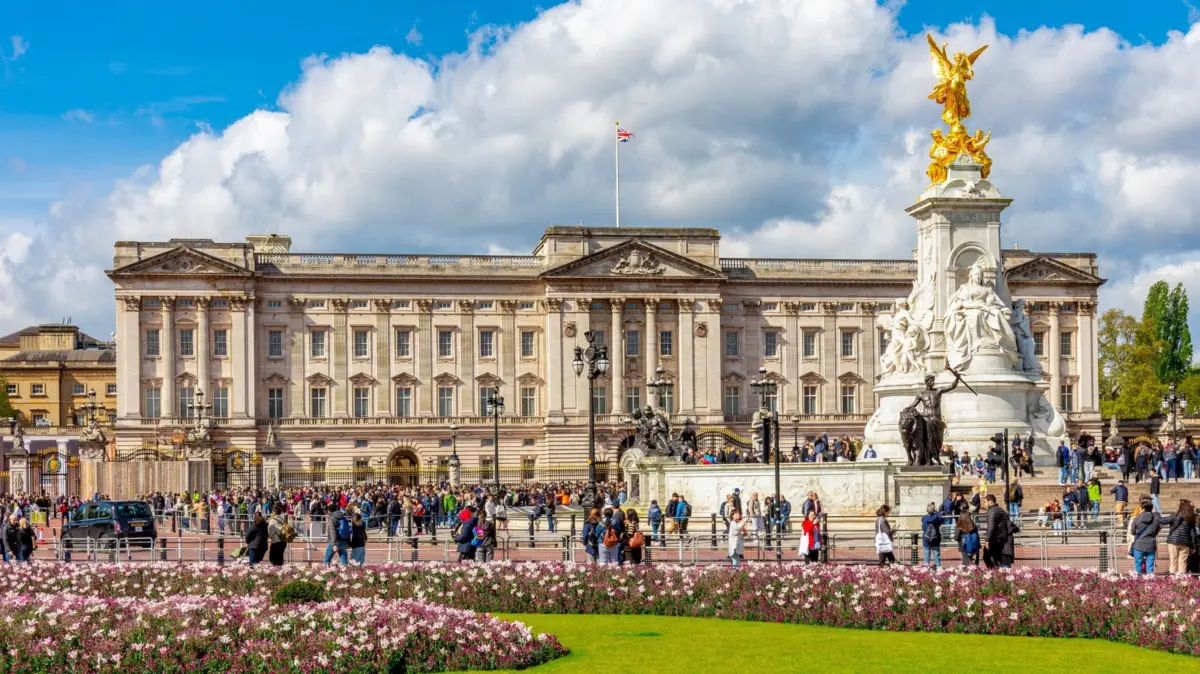
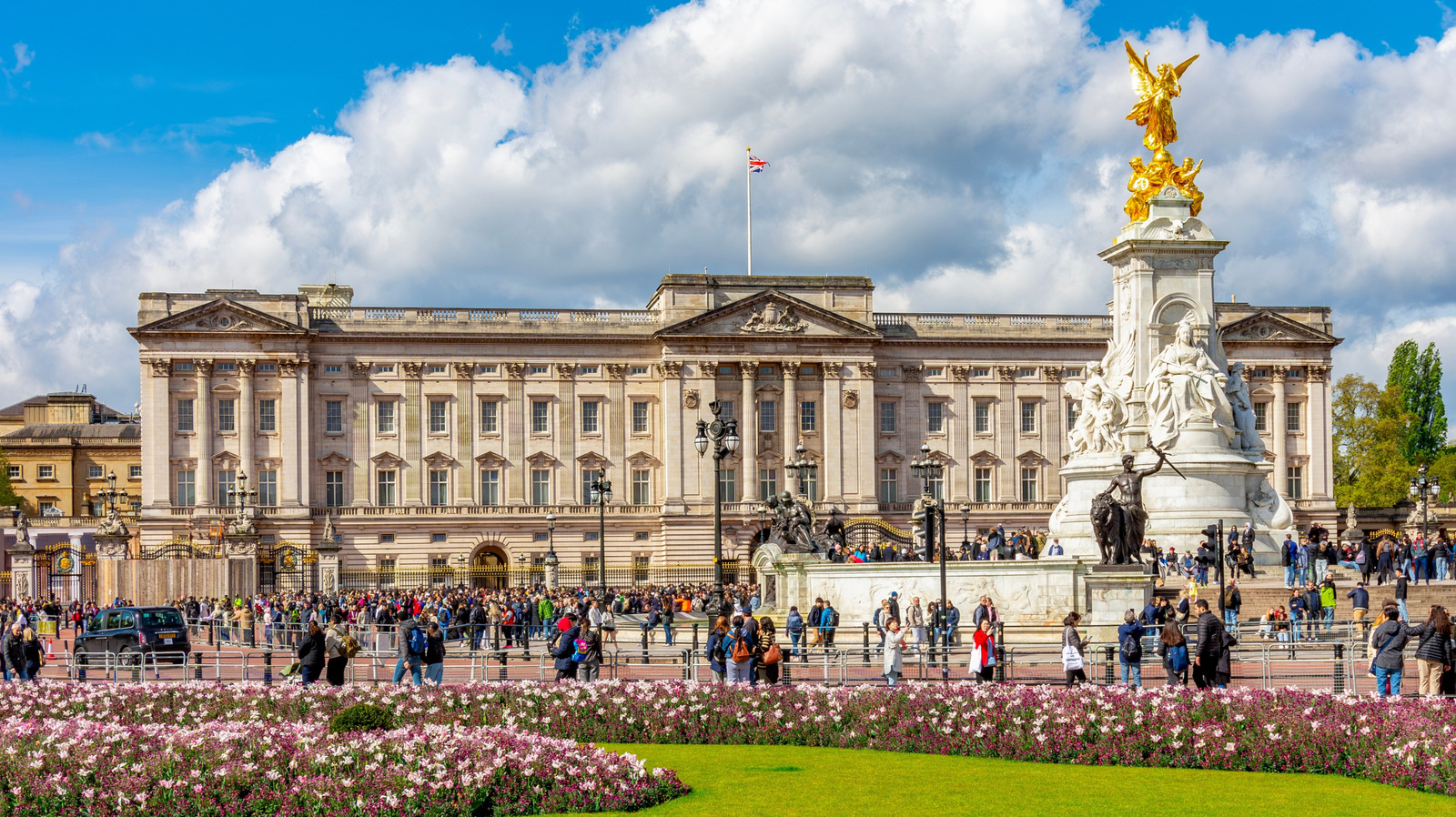
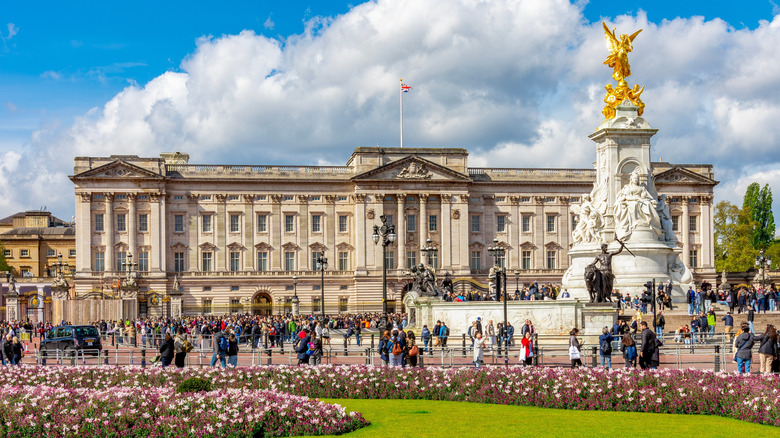
Buckingham Palace stands globally as both the administrative nerve center of the British monarchy and one of the most heavily fortified historical landmarks on earth. Every year, from July through October, the palace opens its iconic gates to the public, inviting millions of tourists to traverse its opulent State Rooms, marvel at priceless treasures from the Royal Collection, and wander portions of its sprawling, manicured gardens.
However, before stepping into this theater of royal heritage, every visitor must pass through a rigorous security screening checkpoint that rivals the infrastructure of an international airport.
Like many critical infrastructure sites and high-profile government institutions worldwide, the Royal Household maintains a zero-tolerance policy regarding prohibited items. While the word "confiscated" often invokes a sense of permanent loss, the reality at Buckingham Palace is more nuanced: security protocols distinguish between items that must be temporarily checked and reclaimed upon departure, and illegal or dangerous articles that are permanently surrendered to law enforcement.
Understanding these nuances is essential for an efficient, stress-free visit. This report provides an authoritative, in-depth breakdown of the ten categories of items most commonly confiscated at Buckingham Palace checkpoints, offering practical solutions, legal context, and strategic advice for international travelers.
Detailed Breakdown: The 10 Prohibited Categories
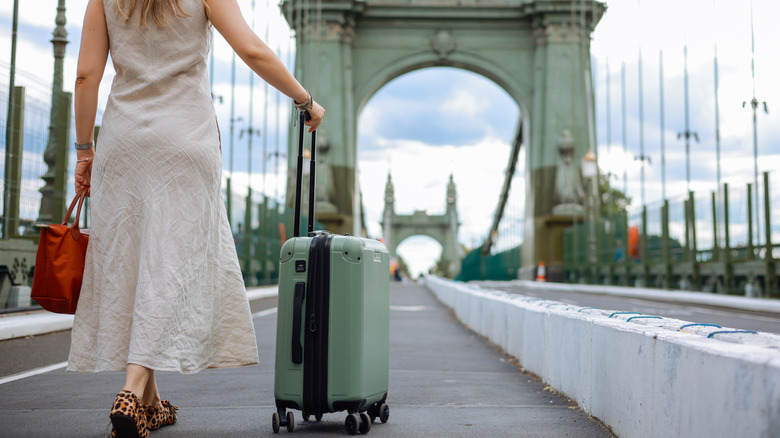
1. Oversized Bags and Suitcases
For travelers navigating London with luggage in tow—often a consequence of overpacking or transitioning directly from transit hubs—bringing large bags to the palace is a major pitfall. Per official guidelines, any bag exceeding dimensions of 17.72 inches by 7.87 inches by 11.81 inches (approx. 45cm x 20cm x 30cm) is strictly barred from the grounds.
Because the palace does not provide extensive, long-term oversized luggage storage for tourists, arriving with a suitcase or massive backpack can jeopardize a visitor’s timed entry slot.
The Solution: Visitors should drop luggage at their hotel or accommodation prior to the tour. For those arriving directly via transit, reliable luggage storage facilities—such as the highly rated depot near Victoria Station (located just half a mile from the palace)—offer secure holding for nominal daily rates.
2. Long Umbrellas
Given that London experiences precipitation on roughly 156 days a year, carrying an umbrella is second nature. Yet, full-length, golf, or bubble umbrellas are forbidden inside the State Rooms due to space constraints and potential hazards to priceless artifacts.
Unlike oversized suitcases, long umbrellas do not force visitors to leave the property; instead, guests are instructed to check them with security personnel at the gate and collect them upon exiting.
The Strategic Choice: Because the palace operates a strict, one-way tour through its public rooms, guests cannot double back to the entrance if they forget their umbrellas. Travelers should opt for compact, collapsible umbrellas (such as pocket-sized models) that fit securely inside handbags or backpacks.
3. Scissors
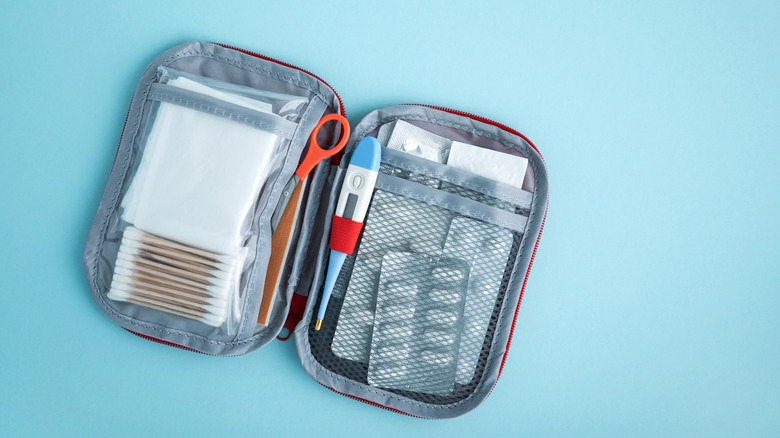
While few tourists intentionally pack heavy-duty shears for a sightseeing tour, everyday items like portable sewing kits, manicure sets, kids’ craft packs, and travel-ready first-aid kits frequently contain small scissors.
Buckingham Palace security enforces a blanket ban on all scissors, regardless of size. Even tiny, blunt safety scissors will be intercepted at the checkpoint. Fortunately, because scissors are not inherently illegal under U.K. law for simple possession, these items are held securely by staff and returned to the owner upon exit.
Proactive Advice: Travelers should meticulously audit all zippered compartments of daypacks, toiletry bags, and pencil cases before departing for the palace.
4. Pocketknives and Small Blades
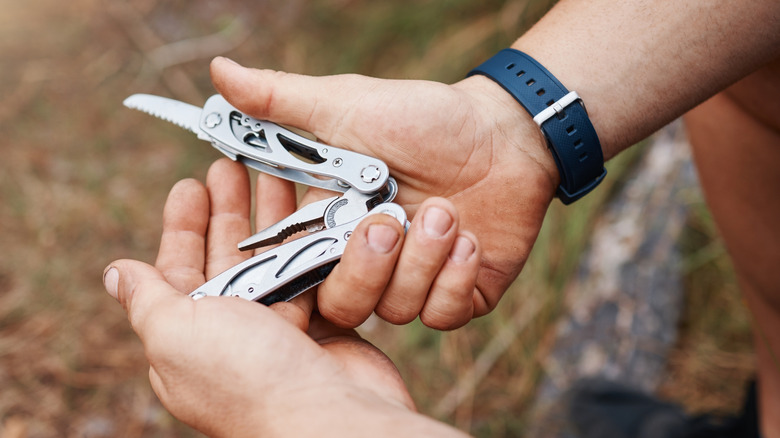
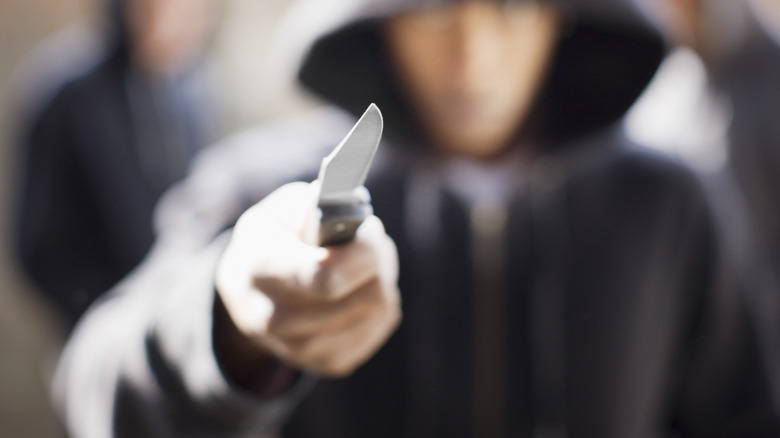
The legal landscape surrounding knives varies dramatically across the globe. While non-locking pocketknives and penknives with blades under 3 inches are legal to carry in public spaces in both the United States and the United Kingdom, Buckingham Palace regulations require all such blades to be surrendered at security.
Often overlooked by tourists, small blades attached to keychains or multi-tools (such as Swiss Army knives) are routinely flagged. While shorter, non-locking pocketknives can typically be reclaimed at the end of the tour, owners face administrative delays.
5. Locking Knives, Kirpans, and Blades Exceeding Three Inches
Under British law, the regulations governing sharp instruments tighten significantly when dealing with locking mechanisms or blades longer than three inches. Buckingham Palace security requires the permanent surrender of any locking knife, flick knife, butterfly knife, or blade exceeding the 3-inch threshold.
The U.K. government maintains a strict stance on knives in public spaces, permitting exceptions only for verified professional duties, recognized cultural attire, or religious exemptions (such as the traditional Sikh kirpan).
The Verdict: Tourists carrying self-defense blades, utility knives, or locking pocketknives should leave them securely locked in their hotel safes. Attempting to bring them through royal security can result in permanent confiscation and potential legal repercussions.
6. Pepper Spray and Self-Defense Sprays
In the United States, pepper spray and self-defense foams are common, legally carried personal safety items, particularly among solo female travelers. However, the legal reality in the United Kingdom is entirely different.
In the U.K., pepper spray, CS gas, and OC spray are classified not as minor deterrents, but as Section 5 firearms—the same severe legal category that encompasses explosive devices and military-grade weaponry. Possession of pepper spray can lead to immediate arrest and severe criminal penalties, including multi-year prison sentences. Unsurprisingly, Buckingham Palace security maintains an absolute ban on all chemical defense sprays. Visitors carrying these items will have them permanently confiscated and face immediate escalation to law enforcement.
7. Alcoholic Beverages
Bringing open containers of alcohol into a royal working residence is universally understood to be unacceptable; however, the palace’s restriction extends equally to sealed bottles and cans.
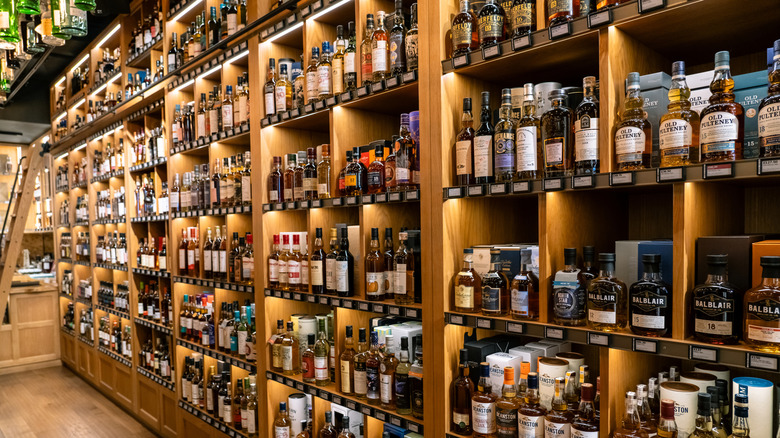
Tourists frequently purchase premium Scottish whiskies, artisanal gins, or craft beers as souvenirs during their travels in the U.K. If a visitor arrives at the palace gates carrying shopping bags containing unopened alcohol, these items must be checked with security.
The Resolution: Unlike weapons or illicit sprays, sealed alcoholic beverages are held safely and returned to visitors upon the conclusion of their tour. However, to bypass the hassle of checking and retrieving heavy bottles, travelers are advised to schedule their souvenir shopping after their palace itinerary.
8. Paints and Aerosol Products
While aerosol spray paint is an obvious security risk, the palace’s prohibition on paints and aerosol products casts a much wider net. Everyday personal care items—including hairspray, dry shampoo, spray-on deodorant, sunscreen, and shaving cream—are packaged in pressurized aerosol cans.
Travelers arriving straight from airports or railway terminals often carry these items in toiletry bags. Palace regulations mandate that all aerosol products, regardless of whether they are commercial cleaning agents, artistic paints, or travel-sized cosmetics, must be handed over to security upon entry.
Note on Liquids: Unlike airport security checkpoints governed by the Transportation Security Administration (TSA), Buckingham Palace does not enforce a general ban on non-aerosol liquids; standard water bottles and beverages remain permissible for guests.
9. Drones
Buckingham Palace and its surrounding airspace comprise one of the most strictly regulated no-fly zones in the United Kingdom. The anti-drone policy is absolute: unmanned aerial vehicles (UAVs) of any size, whether loose or packed inside protective cases, are banned from the property.
Signage outside the royal residence explicitly warns that unauthorized drone operation or possession on the grounds leaves offenders liable to immediate prosecution, arrest, and steep financial penalties. This zero-tolerance stance extends across other major London landmarks, including Westminster Abbey, the Tower of London, and Windsor Castle.
10. Wheeled Transportation and Children’s Strollers
Alternative urban transit options—such as bicycles (including folding models), skateboards, scooters, rollerblades, and roller skates—are strictly prohibited on palace grounds.
For parents traveling with infants and toddlers, the rules surrounding children’s strollers require careful planning. Strollers are not permitted inside the historical State Rooms and must be checked at the entrance. While the palace provides a limited number of complimentary baby carriers and hip seats on a first-come, first-served basis, availability is not guaranteed.
Family Considerations: Families should note that the rigorous, two-hour walking tour can be demanding on infant schedules, though the estate does accommodate families by permitting breastfeeding anywhere on-site and offering dedicated baby-care facilities.
Supporting Context & Operational Metrics
To better understand the scale of security operations at Buckingham Palace during the peak summer tourism window (July through October), security teams process tens of thousands of visitors weekly. The operational framework mirrors aviation security protocols, designed to balance public accessibility with the safety of visiting dignitaries, historical artifacts, and working members of the royal family.
Prohibited Item Category
Confiscation Type
Recoverable?
Legal Risk / Penalty
Oversized Bags
Temporary (Offsite Storage)
No (Must be stored elsewhere)
Entry denied until resolved
Long Umbrellas
Temporary Check
Yes (Upon exit)
None
Scissors
Temporary Check
Yes (Upon exit)
None
Pocketknives (< 3")
Temporary Check / Surrender
Conditional
Administrative delay
Locking/Long Knives
Permanent Surrender
No
Potential confiscation / Legal review
Pepper Spray
Permanent Surrender
No
High (Section 5 Firearm offense; arrest risk)
Alcohol (Sealed)
Temporary Check
Yes (Upon exit)
None
Aerosols & Paints
Temporary Check
Yes (Upon exit)
None
Drones
Permanent Surrender / Barred
No
High (Prosecution, arrest, fines)
Strollers / Cycles
Temporary Check (Strollers) / Barred (Bikes)
Yes (Strollers only)
Entry denied for wheeled transit
Official Statements and Institutional Guidelines
According to the Royal Collection Trust (RCT), which oversees visitor operations across royal residences, security measures are continuously evaluated against contemporary threat landscapes.
"The safety and security of all visitors, staff, and the historic palace buildings remain our highest priority," notes the RCT’s official operational guidance for Buckingham Palace. "Visitors are strongly encouraged to travel light, review our prohibited items list prior to arrival, and allow ample time for mandatory security screening checkpoints that function similarly to airport arrivals."
Security experts note that while heritage tourism sites must balance an inviting visitor experience with asset protection, incidents involving prohibited weapons—particularly U.S. or international tourists unknowingly carrying pocketknives or self-defense sprays—remain common occurrences that cause significant tour delays.
Future Outlook: Security Evolution at Royal Estates
As security technologies evolve, public-facing royal properties continue to refine their screening processes. Enhanced baggage scanning technologies, automated item-detection lanes, and modernized ticketing systems are progressively being integrated to streamline the flow of millions of annual visitors.
Looking ahead, palace administrators emphasize that rules regarding high-risk articles—such as chemical sprays, unauthorized drones, and illegal blades—will only tighten. Heightened geopolitical sensitivities and multi-national state visits will continue to prompt temporary airspace closures and heightened perimeter security across all British royal residences.
For international travelers planning a pilgrimage to London, the golden rule remains unchanged: prepare in advance, leave questionable items at your hotel, and verify local laws before stepping up to the royal gates. By respecting these protocols, visitors can ensure an uninterrupted, magnificent journey into the heart of British history.