





Executive Overview
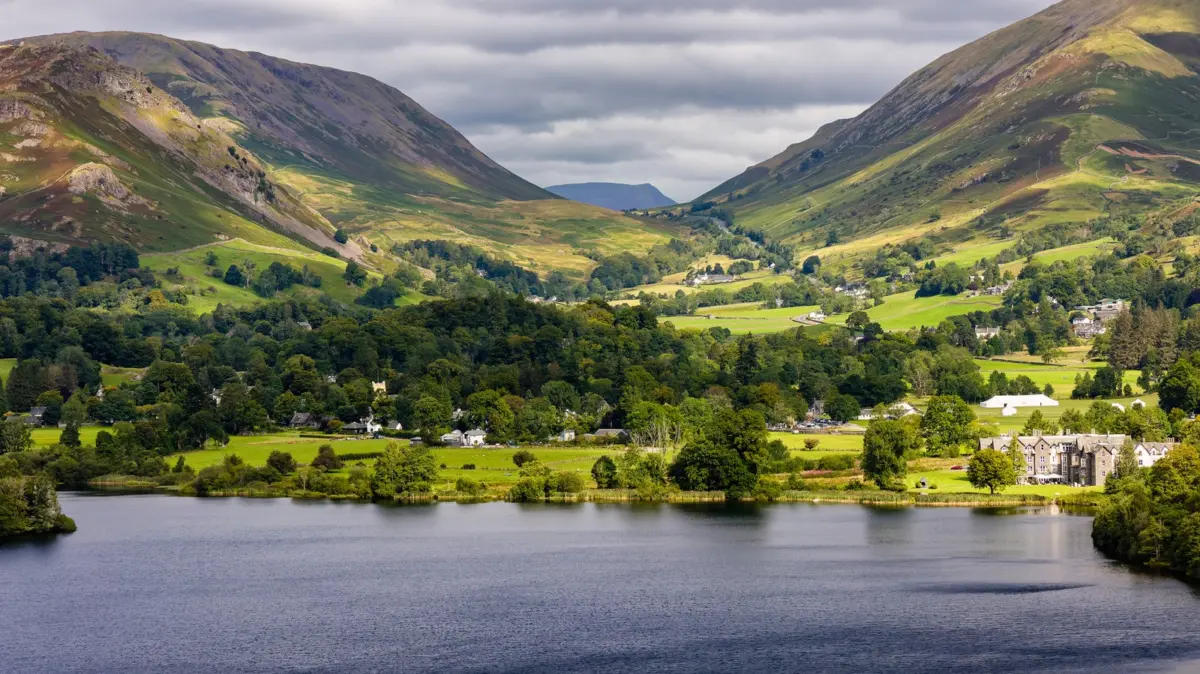
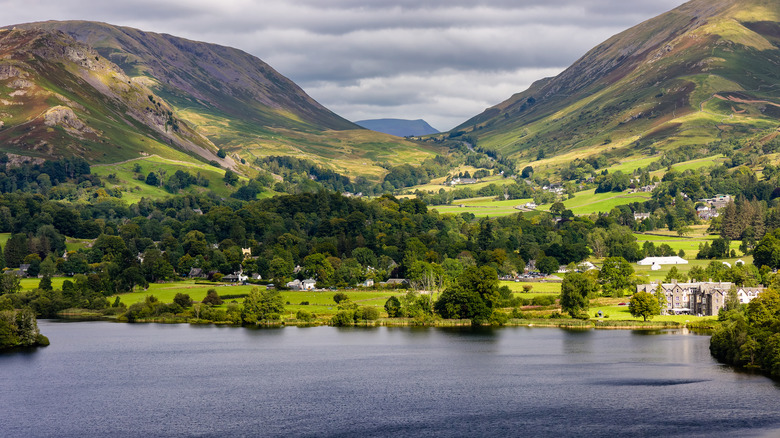
Nestled gracefully in the heart of Cumbria’s UNESCO-designated Lake District National Park, the village of Grasmere stands as a monument to Britain’s literary history and landscape conservation. Positioned strategically between the bustling market towns of Keswick and Kendal, this quintessential Lakeland settlement offers a complex tapestry of dramatic geography, cultural resonance, and biodiversity. Famed as the former home of romantic poet William Wordsworth—who famously declared it "the loveliest spot that man hath ever found"—Grasmere continues to captivate hundreds of thousands of international travelers, conservationists, and literary enthusiasts annually.
Beyond its picturesque stone-built architecture lining the banks of the River Rothay and its namesake body of water, Grasmere serves as a micro-economy driven by artisanal trade, rare wildlife preservation, and sustainable tourism. From the internationally recognized spiced confectionary of Sarah Nelson’s historic Gingerbread shop to the rigorous hiking ascents of Helvellyn, England’s third-highest peak, Grasmere encapsulates the quintessential British countryside experience. This comprehensive report examines Grasmere’s historical roots, economic and retail landscape, ecological preservation initiatives for endangered species like the Eurasian red squirrel, and the modern logistical framework governing travel to this vital Cumbrian destination.
Detailed Chronology of Grasmere: From Monastic Roots to Literary Sanctuary
Early History and Ecclesiastical Origins
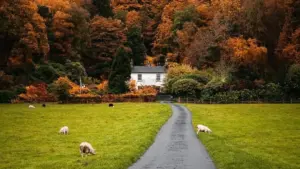
The historical lineage of Grasmere extends far beyond its Romantic-era renaissance. Etymologically derived from "grass-grown lake," the settlement’s origins are deeply tied to medieval ecclesiastical structures. The village’s architectural anchor, St. Oswald’s Church, dates back to the 13th century, though portions of the building reflect later medieval expansions. Constructed with traditional local slate and rugged timber roof trusses, the church has served as the spiritual and social core of the community for centuries. Historically, Grasmere operated as a tight-knit agricultural and pastoral community, reliant on sheep farming—particularly the hardy Herdwick breed native to the Lake District—and small-scale trade routes cutting through the challenging Cumbrian fells.
The Romantic Era and the Wordsworth Legacy
The true cultural transformation of Grasmere began at the turn of the 19th century, cementing the village’s status on the global literary map. In 1799, William Wordsworth, alongside his sister Dorothy, moved into Dove Cottage, a former public house situated at the edge of the village. For the Wordsworths, Grasmere provided a profound, immersive connection to nature that directly fueled the Romantic literary movement.
During his years at Dove Cottage—a tenure lasting until 1813—Wordsworth composed some of the English language’s most enduring poetry, drawing heavily on the shifting mists, reflective waters of the lake, and the austere silhouettes of surrounding fells like Silver How and Helm Crag. He was frequently joined in the area by fellow literary luminaries Samuel Taylor Coleridge and Robert Southey, collectively known as the Lake Poets. Their writings fundamentally shifted public perception of the English wilderness, transforming untamed, intimidating mountain terrain into spaces of profound aesthetic and spiritual rejuvenation. Wordsworth eventually moved to nearby Rydal Mount, but his deep ties to Grasmere remained unbroken; upon his death in 1850, he was laid to rest in the tranquil churchyard of St. Oswald’s, alongside members of his family, where his grave remains one of the most visited literary shrines in the United Kingdom.
Modern Era and Conservation Milestones
As the Industrial Revolution expanded access to the north of England via the advent of railways and steamships, Grasmere transitioned from an isolated rural hamlet into an accessible destination for leisure travelers. The establishment of the Lake District National Park in 1951 marked a turning point in the region’s trajectory, placing strict regulatory frameworks on development to protect its delicate ecosystems and vernacular architecture. Today, Grasmere operates under a careful balancing act: managing high volumes of heritage tourism while preserving the ecological integrity of the surrounding fells, woodlands, and waterways that inspired centuries of art and literature.
Supporting Context & Metrics: Geography, Commerce, and Biodiversity
Geographical and Topographical Profile
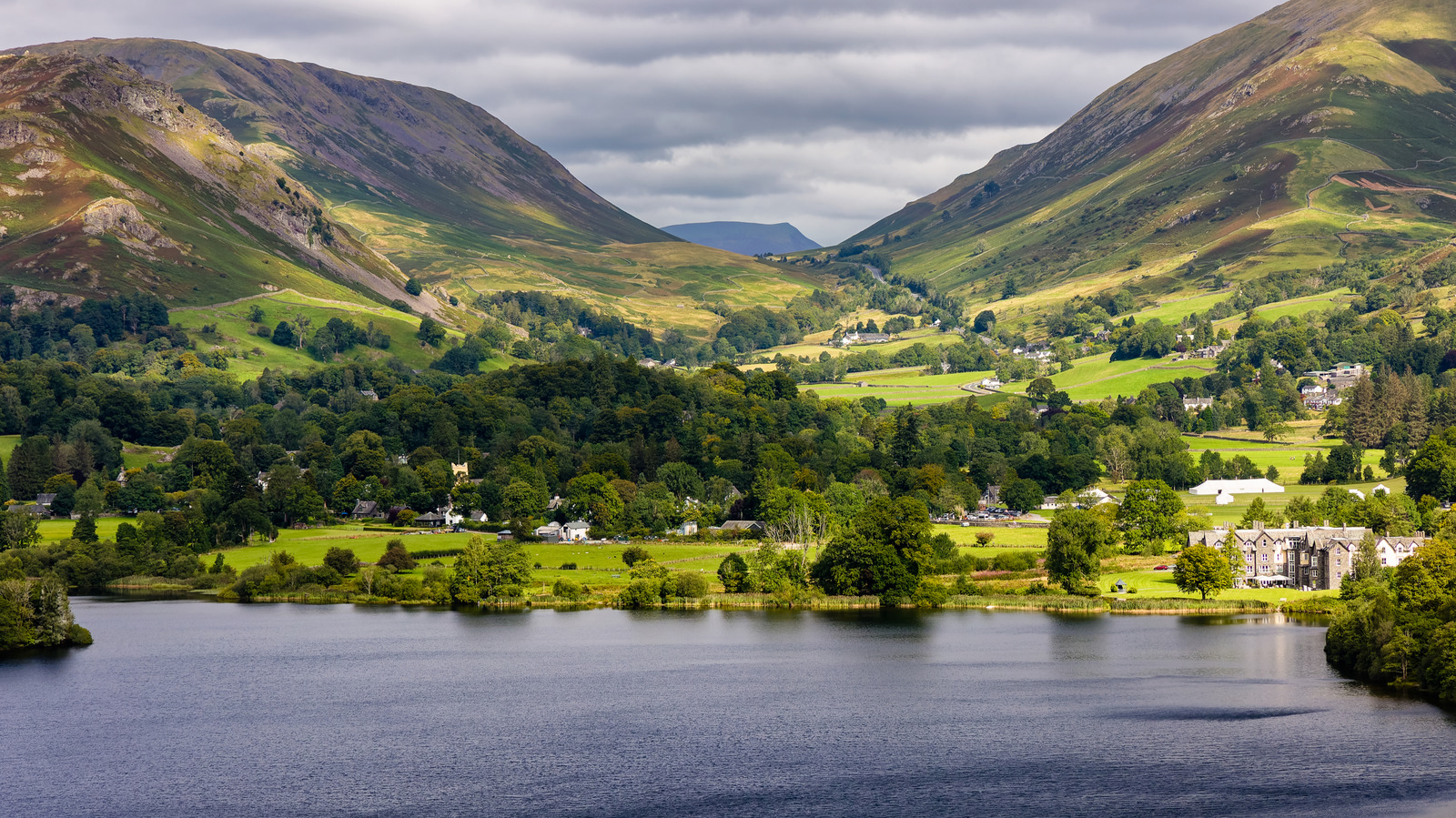
Grasmere occupies a glacial trough carved millennia ago during the last ice age, creating a flat, fertile valley floor flanked by steep, rugged fells. The village sits at an elevation of roughly 60 meters (200 feet) above sea level, while surrounding peaks surge dramatically upward.
- Helvellyn: Rising to 950 meters (3,118 feet), England’s third-highest peak is accessible directly via hiking routes originating near the village, testing the endurance of seasoned mountaineers.
- Loughrigg Terrace: Offering a more moderate topography, this elevated pathway provides panoramic vistas across Grasmere lake, Rydal Water, and the central valley, serving as a primary artery for low-impact recreational walking.
- Flora: The landscape transitions from ancient oak and birch woodlands to expansive bracken and heather-clad fells. Notably, the region is celebrated for its native flora displays; areas like Loughrigg Terrace erupt into vibrant carpets of wild bluebells every May, drawing botanists and nature photographers alike.
Artisanal Commerce and Local Economy
Grasmere’s economic vitality is deeply intertwined with independent retail, artisanal food production, and heritage tourism. Unlike commercialized high streets dominated by corporate chains, Grasmere’s village center maintains a distinct character anchored by small businesses.
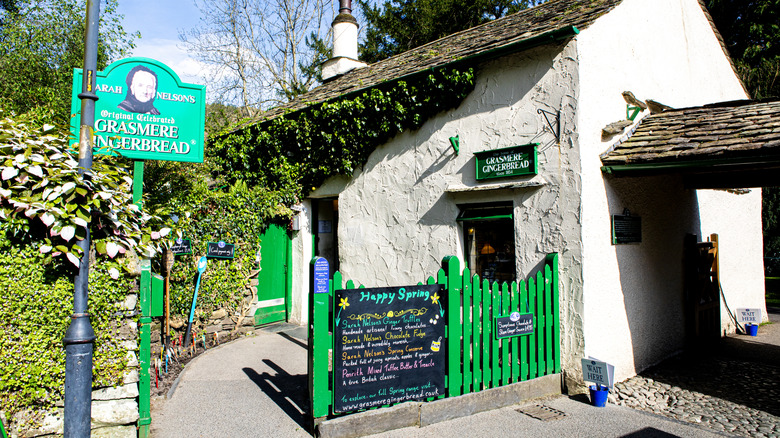
- Sarah Nelson’s Grasmere Gingerbread: Operating out of a tiny, historic shop adjacent to St. Oswald’s Church originally built as a schoolhouse in 1630, this enterprise has produced its world-famous spiced confection since 1854. Utilizing an uncompromised secret recipe, the product—described texturally as a hybrid between a cake and a biscuit—generates continuous queues throughout peak tourist seasons.
- Independent Galleries and Craft Outlets: Venues like Beck Steps Gallery showcase local Cumbrian arts and crafts, featuring regional stone tealight holders and hand-carved representations of Herdwick sheep. Similarly, Grasmere Gather and Herdy champion locally sourced goods, ranging from Cumbrian gins and ceramics to globally recognized sheep-themed merchandise.
Wildlife Metrics and Conservation Status
Grasmere is not merely a scenic backdrop; it is a vital habitat for several protected and endangered British species. Conservation metrics highlight the village’s significance in regional biodiversity:
- Eurasian Red Squirrels (Sciurus vulgaris): Threatened heavily by the introduction of the invasive North American grey squirrel (Sciurus carolinensis) and associated squirrelpox virus, red squirrel populations find a rare stronghold in Grasmere’s protected woodlands. Habitats surrounding Allan Bank (a National Trust property) and the wooded riparian corridors along the River Rothay support stable, monitored populations.
- Badgers (Meles meles): The local nocturnal mammal population thrives in the undisturbed deciduous woods ringing the valley floor. Establishments such as the Badger Bar at the Glen Rothay Hotel have leveraged ecotourism responsibly, maintaining dedicated feeding stations that allow researchers and visitors to observe stable clans of up to six badgers during dusk hours without disrupting natural behaviors.
- Avian Biodiversity: Grasmere lake hosts seasonal and permanent populations of waterfowl, including mute swans (Cygnus olor), Canada geese (Branta canadensis), herons (Ardea cinerea), and great cormorants (Phalacrocorax carbo), contributing to the comprehensive wetland ecosystem health monitored by environmental agencies.
Official Statements & Expert Perspectives
The preservation and promotion of Grasmere require coordinated efforts between local authorities, heritage organizations, and longtime community stakeholders.
Dr. Alistair Vance, a regional conservation director for the Lake District National Park Authority, emphasizes the delicate equilibrium required to manage the area:
"Grasmere represents the apex of cultural landscape management in the United Kingdom. Our primary mandate is to protect the fragile ecological corridors—particularly those supporting native red squirrel populations and ancient woodland flora—while ensuring that the millions of visitors who come to experience Wordsworth’s landscape can do so sustainably. Infrastructure management, traffic calming, and footpath erosion mitigation are ongoing priorities that require constant collaboration between local businesses, landowners, and national park rangers."
Local business owners and long-term residents echo the importance of preserving the community’s authentic character. Fiona Henderson, proprietor of a Cumbrian artisan collective in the village, notes:
"The magic of Grasmere lies in its refusal to homogenize. When visitors walk into our shops, they aren’t buying mass-produced souvenirs; they are acquiring items forged from the very landscape—whether it’s locally distilled gin, slate carved from Cumbrian quarries, or wool from Herdwick sheep that graze these exact fells. Maintaining this connection between the maker, the land, and the visitor is what keeps Grasmere’s heartbeat strong."
Cultural historians point to the enduring relevance of the Wordsworth legacy as a blueprint for modern environmental appreciation. Sarah-Jane Tomlinson, literary curator at Dove Cottage, remarked:
"When Wordsworth wrote about Grasmere, he was not merely describing scenery; he was pioneering an ecological consciousness. He understood that human well-being is inextricably linked to the health of the natural world. Today, as travelers seek refuge from hyper-connected urban environments, Grasmere offers the exact same therapeutic antidote that it did over two centuries ago."
Future Outlook: Sustainability, Tourism Management, and Conservation Challenges
As Grasmere looks toward the coming decades, it faces a series of complex challenges common to premier global heritage destinations. The primary concern centers on managing visitor capacity without compromising the environmental health of the national park or the quality of life for permanent residents.
Climate Change and Habitat Resilience
Changing weather patterns, characterized by increased frequency of high-intensity rainfall events, pose severe threats to Grasmere’s infrastructure and natural habitats. Accelerated soil erosion along popular fell-walking routes—such as the ascent paths toward Helvellyn and Loughrigg Terrace—requires ongoing, capital-intensive intervention by conservation groups utilizing traditional dry-stone walling and footpath hardening techniques. Furthermore, rising temperatures threaten the delicate thermal limits required by native species like the Eurasian red squirrel, making active woodland management and biosecurity measures against grey squirrel incursions more critical than ever.
Sustainable Transport and Infrastructure Initiatives
Traffic congestion along the narrow arterial corridors connecting Keswick, Grasmere, and Kendal remains a persistent logistical hurdle. Regional transportation strategies increasingly prioritize public transit integration, notably the enhancement of the 555 bus route, which links major Cumbrian hubs via Windermere and Grasmere. Future urban planning frameworks will likely lean further into pedestrianization schemes within the village core, expanding electric vehicle charging infrastructure, and promoting active travel pathways to reduce the carbon footprint of incoming tourism.
Balancing Heritage and Commercial Growth
The enduring global fascination with Wordsworth and Cumbrian heritage guarantees sustained economic demand for Grasmere. However, local governance must vigilantly regulate commercial expansion to prevent over-tourism from eroding the authentic village atmosphere. By prioritizing high-value, low-impact tourism—such as wildlife ecotourism, artisanal craft trade, and literary education—Grasmere is poised to maintain its status as an internationally revered sanctuary of natural beauty and cultural heritage for generations to come.