




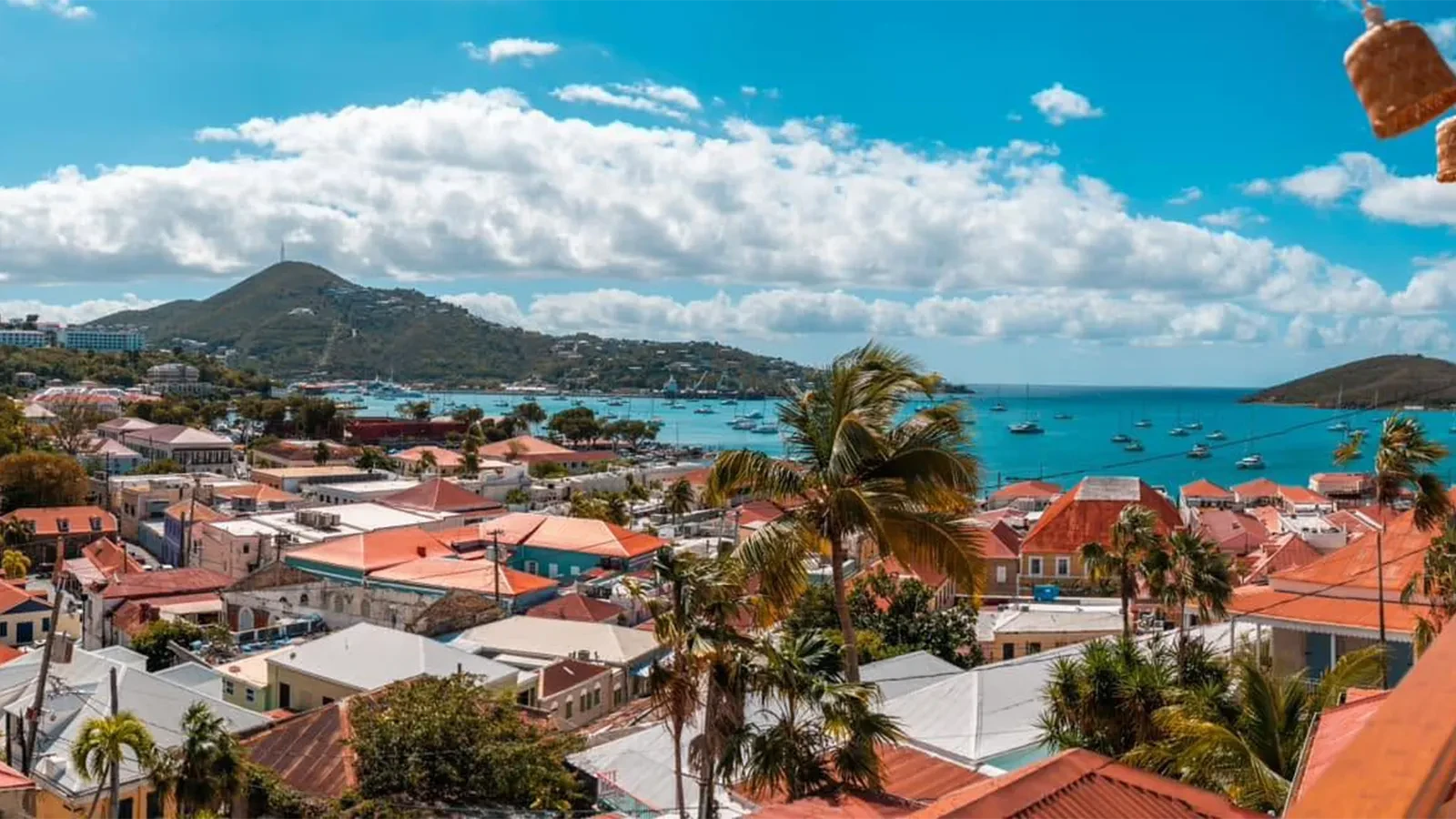
ST. THOMAS, U.S. VIRGIN ISLANDS — For decades, the narrative of Charlotte Amalie was defined by the rhythm of the cruise ship schedule. By 9:00 AM, thousands of passengers would flood the historic thoroughfares, browsing duty-free jewelry stores, snapping photos of colonial-era streetscapes, and absorbing the vibrant daytime pulse of the U.S. Virgin Islands’ capital. By late afternoon, however, as the massive vessels prepared to weigh anchor and slide out of the island’s magnificent natural harbor, the streets would empty, the metal security shutters would clang down, and downtown St. Thomas would fall into a quiet slumber.
Today, that paradigm is undergoing a profound structural shift.
Propelled by multi-million-dollar infrastructure investments, a reimagined waterfront promenade, an influx of sophisticated boutique hospitality, and a burgeoning culinary and creative class, Charlotte Amalie is shedding its legacy as a mere daytime port of call. The historic heart of St. Thomas—anchored by Danish colonial architecture, narrow brick passageways, and hillside retreats like The Pink Palm—is entering an ambitious new era. It is no longer just somewhere travelers visit for a few hours between the buffet and the gangway. It is becoming a destination where visitors want to stay, explore, dine, and experience long after the day-trippers have departed.

Executive Overview
The transformation of Charlotte Amalie represents a masterclass in urban revitalization within the Caribbean context. For years, regional tourism development heavily favored all-inclusive beachfront resorts, often leaving historic urban centers disconnected from the modern traveler’s desire for authenticity, walkability, and local culture.
St. Thomas possessed the raw, organic ingredients for a world-class urban renewal project: a stunning natural harbor that ranks among the most picturesque in the western hemisphere, a dense concentration of 17th- and 18th-century Danish colonial architecture, and a dynamic multicultural heritage. Yet, structural neglect, aging infrastructure, and a heavy reliance on the cruise economy left the downtown core underutilized after dark.
The current resurgence is built on three foundational pillars:
- Infrastructure Modernization: A sweeping, highly collaborative waterfront project that physically and visually reconnects the historic city center to its harbor.
- Hospitality Diversification: The introduction of design-forward boutique and branded properties—such as the trend-setting Pink Palm and the newly arrived waterfront Hampton by Hilton—that provide modern overnight capacity downtown.
- Creative Placemaking: The organic blending of traditional duty-free commerce with independent art galleries, artisanal cafés, design studios, and contemporary dining establishments housed within centuries-old structures.
The result is a revitalized Caribbean capital that successfully balances its commercial heritage with an energetic, modern lifestyle, creating a blueprint for historic port cities across the region.
Detailed Chronology of a Capital’s Rebirth
To understand how Charlotte Amalie reached this pivotal juncture, it is necessary to examine the phased evolution of its urban landscape over the past decade.
Phase 1: Recognizing the Urban Deficit (The Mid-2010s)
For generations, the commercial success of Main Street masked the deteriorating residential and evening economy of downtown. While millions of cruise passengers generated billions in retail turnover, the upper stories of historic Danish-era buildings sat largely vacant. Infrastructure along the waterfront was congested, dominated heavily by vehicular traffic with limited pedestrian engagement. Local stakeholders, urban planners, and government officials increasingly recognized that the capital was vulnerable to shifts in global cruising trends and needed to diversify its tourism assets by capturing overnight visitors.
Phase 2: The Waterfront Transformation (2018–2022)
The physical turning point for Charlotte Amalie came with the launch of the massive waterfront revitalization project. Designed to transform the harbor promenade, the multi-phase civil engineering effort dramatically altered the relationship between the city and the sea.
Engineers and urban designers widened pedestrian pathways, installed extensive public lighting, created open-air plazas, and planted lush tropical landscaping. Crucially, the project tamed vehicular congestion, creating a seamless, inviting ribbon that runs parallel to the harbor. This infrastructure upgrade did more than just beautify the area; it established a continuous pedestrian corridor linking historic downtown directly with Frenchtown to the west and Havensight to the east.
Phase 3: The Boutique Hotel Catalyst (2023–2024)
While public infrastructure laid the groundwork, private investment provided the spark. The critical turning point in the city’s overnight narrative arrived with the opening of The Pink Palm. Nestled into the hillside just above the downtown core, this 28-room boutique property transformed a collection of historic residential structures into a vibrant, design-forward sanctuary.
By offering an intimate, urban-Caribbean aesthetic complete with an emerald-tiled pool, tropical gardens, and sweeping harbor views, The Pink Palm proved that travelers were hungry for a different style of accommodation on St. Thomas—one that prioritized neighborhood immersion over isolated beach-resort detachment.
Phase 4: Main Street Animation and Institutional Expansion (2025 and Beyond)
Today, the momentum has cascaded throughout the capital. Main Street has witnessed a noticeable wave of reanimation, where historic storefronts now house a hybrid of legacy jewelry institutions and a new generation of independent art galleries, design boutiques, and specialty coffee shops.
This private-sector growth has been further validated by the arrival of institutional brands, highlighted by the debut of the new waterfront Hampton by Hilton. This addition significantly bolsters downtown overnight capacity, signaling to international hotel operators that Charlotte Amalie is a viable, high-demand market for extended stays.
Supporting Context & Metrics: The Anatomy of Revitalization
The physical changes to Charlotte Amalie are mirrored in shifting metrics regarding visitor demographics, economic yield, and real estate investment in the U.S. Virgin Islands.
Architectural Heritage as an Economic Asset
Charlotte Amalie boasts one of the most intact concentrations of Danish colonial architecture in the Caribbean. Characterized by thick stone walls quarried from ballast stones, red-tiled roofs, arched doorways, and brightly painted facades, the downtown historic district spans several square blocks.
Urban economists note that preserving these structural assets yields a higher multiplier effect than new-build developments. According to regional tourism data, heritage tourists tend to stay longer and spend a significantly higher percentage of their discretionary budget on local dining, arts, and cultural excursions compared to conventional resort guests.
+-------------------------------------------------------------------------+
|                  CHARLOTTE AMALIE TOURISM ECOSYSTEM                     |
+-------------------------------------+-----------------------------------+
| TRADITIONAL PILLARS                 | EMERGING CATALYSTS                |
+-------------------------------------+-----------------------------------+
| • Duty-free retail & jewelry        | • Boutique & branded urban hotels |
| • Daytime cruise ship arrivals      | • Evening culinary & bar scene    |
| • Historic Danish architecture      | • Art galleries & creative spaces |
| • Natural deep-water harbor         | • Waterfront pedestrian corridors |
+-------------------------------------+-----------------------------------+
The Walkability Factor
Unlike many modern master-planned resort complexes that require vehicular or golf-cart transit, Charlotte Amalie’s historic core is intensely compact. Visitors can step out of a hillside boutique, navigate centuries-old brick staircases and narrow alleyways (locally known as "gade"), explore commercial arcades, and arrive at the waterfront in less than ten minutes. This pedestrian-first scale is increasingly recognized by travel analysts as one of the capital’s strongest competitive advantages in the post-pandemic tourism landscape.
Official Statements and Industry Perspectives
The renaissance of St. Thomas’s capital has drawn praise from territorial leaders, hospitality developers, and urban planning experts alike, all of whom view the revitalization as a milestone for the territory’s broader economic development strategy.
"For too long, we allowed our rich history and architectural treasures to serve merely as a daytime backdrop for cruise passengers," noted a senior official within the U.S. Virgin Islands Department of Tourism during a recent urban development briefing. "By investing heavily in our infrastructure—most notably along the waterfront—and encouraging innovative boutique hospitality like The Pink Palm, we are reclaiming Charlotte Amalie as a living, breathing capital city. We are inviting travelers to experience the authentic soul of St. Thomas, from sunrise to long after sunset."
Hospitality investors share this bullish outlook on the capital’s trajectory.
"When we conceptualized properties that could integrate into the hillside fabric of downtown St. Thomas, the conventional wisdom was always focused entirely on beach properties," explains a lead developer involved in the downtown boutique hotel sector. "We believed the opposite: that the true luxury in the Caribbean today is a sense of place, culture, and connectivity. Charlotte Amalie offers a density of history and character that you simply cannot replicate on a stretch of sand. The market response has completely validated that thesis."
Local business owners along Main Street and the adjacent alleys echo these sentiments, reporting a noticeable shift in visitor behavior. Merchants note that evening foot traffic—once virtually non-existent outside of localized restaurant strips—has expanded steadily, fostering a more resilient year-round commercial ecosystem.
Future Outlook: A Capital Reclaimed
As Charlotte Amalie looks toward the remainder of the decade, the trajectory points toward sustained, carefully managed growth that honors the city’s architectural legacy while embracing contemporary lifestyle demands.
Future urban planning initiatives are expected to focus on further enhancing residential living options within the historic district, encouraging the adaptive reuse of upper-story spaces in Danish-era buildings into loft apartments, creative studios, and boutique guesthouses. This "vertical integration" is viewed by urbanists as the final frontier in ensuring that downtown St. Thomas remains a vibrant, authentic community rather than a curated theme park for tourists.
Furthermore, culinary tourism is poised to play an increasingly central role. The symbiotic relationship between downtown Charlotte Amalie and the adjacent culinary enclave of Frenchtown—celebrated for its distinct fishing heritage and dynamic restaurant scene—creates a robust dining circuit for overnight guests. Visitors can begin their evening with a craft cocktail perched on a hillside terrace overlooking the illuminated harbor, descend into the historic core for a regionally inspired dinner, and conclude with a moonlit stroll along the revitalized waterfront promenade.
Ultimately, Charlotte Amalie remains one of the Caribbean’s preeminent shopping cities and a vital anchor for the regional cruise industry. But the narrative has expanded. By successfully bridging its storied past with a forward-looking vision of urban hospitality, the capital of St. Thomas has proven that it is much more than an afternoon port of call.
It is, once again, a destination in its own right.