









Executive Overview
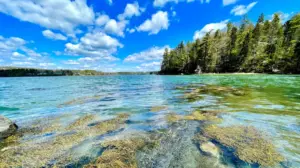
Tucked away in the sprawling, enigmatic expanse of the New Jersey Pine Barrens lies a landscape where ecological diversity, rich agricultural heritage, and folklore collide. Located roughly an hour west of Philadelphia and just half an hour east of the iconic Jersey Shore, Brendan T. Byrne State Forest spans more than 38,000 acres, making it the second-largest state forest in New Jersey.
Famed globally for its ghostly legends—most notably the mythical Jersey Devil—and historically significant as the birthplace of the commercial blueberry industry, the region offers much more than spooky folklore. Brendan T. Byrne State Forest represents a masterclass in wilderness preservation, combining thriving pine woods, pristine white cedar wetlands, and abundant freshwater resources.
Operating daily and year-round from 8:00 a.m. to 8:00 p.m. with free general admission, the forest serves as a vital sanctuary for outdoor adventurers, birdwatchers, hikers, anglers, and hunters. Whether visitors are looking to spend a quiet weekend in a fully furnished cabin, navigate sprawling multi-use trails, or immerse themselves in the deep-rooted history of the Pine Barrens, this state forest stands as an essential destination in the Garden State’s crown jewel of mysterious landscapes.
Detailed Chronology: From Lebanon Forest to a Modern Conservation Haven
The history of Brendan T. Byrne State Forest is deeply intertwined with the industrial, agricultural, and political evolution of southern New Jersey. Understanding its current status requires tracing its trajectory from early colonial extraction to twentieth-century state stewardship.
The Nineteenth Century: Industrial Roots and Agricultural Innovation
Long before it was designated a state forest, the land was a hub of early American industry. The area was central to bog-iron production, charcoal burning, and eventually, the cultivation of unique wetland crops. In 1857, the historic Whitesbog area—now a prominent feature of the region—was established as a sprawling cranberry farm.
Simultaneously, the Pine Barrens served as the crucible for an agricultural revolution. The forest contains the very first farm to successfully domesticate, commercially grow, and sell highbush blueberries, a feat largely attributed to Elizabeth White in the early 20th century in collaboration with USDA botanist Frederick Coville.
Mid-20th Century: Establishment as Lebanon State Forest
Recognizing the ecological vulnerability and recreational potential of the vast pine and cedar tracts, the State of New Jersey acquired the land to establish Lebanon State Forest. For decades, the forest functioned primarily as a timber resource, watershed protection zone, and managed public recreation area. During the mid-century, fire management strategies and forestry conservation protocols were heavily tested here due to the volatile, fire-prone nature of pitch pine ecosystems.

The 2002 Renaming: Honoring Governor Brendan T. Byrne
In recognition of his monumental contributions to environmental protection in New Jersey—specifically his steadfast support for the preservation of the Pinelands National Reserve and the passage of the Pinelands Protection Act of 1979—Lebanon State Forest was officially renamed Brendan T. Byrne State Forest in 2002. This administrative shift cemented the forest’s identity not just as a working timberland, but as a protected monument to ecological conservation and gubernatorial leadership.
Supporting Context & Metrics: Ecology, Recreation, and Infrastructure
To fully appreciate Brendan T. Byrne State Forest, one must examine the quantitative and qualitative metrics that define its infrastructure and ecological richness.
Ecological and Wildlife Metrics
- Total Acreage: Over 38,000 acres of contiguous protected land, representing New Jersey’s second-largest state forest.
- Avian Diversity: Nearly 200 distinct bird species have been formally logged on observational platforms such as eBird, making it a premier destination for ornithologists and casual birders alike.
- Aquatic and Terrestrial Life: The forest floor and canopy support populations of white-tailed deer, red foxes, wild turkeys, grouse, rabbits, and squirrels. The waterways teem with freshwater species including yellow perch, sunfish, and chain pickerel.
Trail Systems and Infrastructure
- Trail Mileage: More than 25 miles of meticulously maintained trails traverse white cedar swamps, pine barrens, and historic cranberry bogs.
- Key Trails:
- Brendan T. Byrne State Forest Loop: A short, accessible 0.7-mile sandy path ideal for casual strolls, birdwatching, and seasonal foraging for wild blueberries and huckleberries.
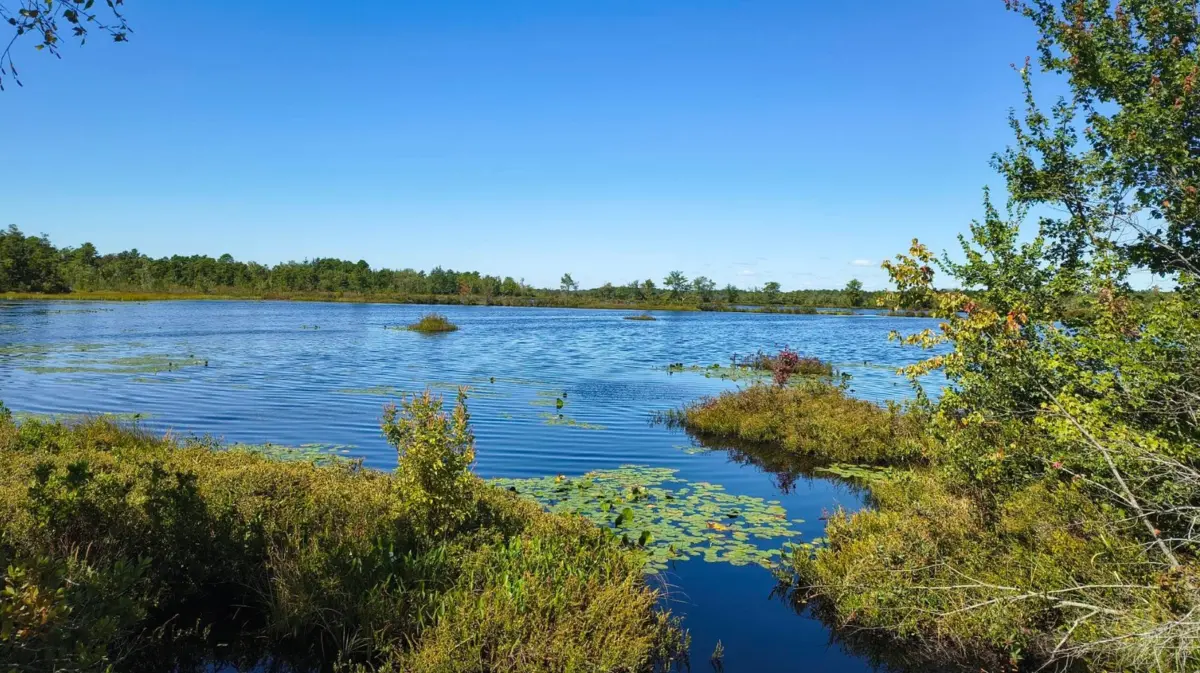
- Mount Misery Trail: A 9.7-mile flat loop that meanders through wetlands, offering panoramic vistas of Pakim Pond and historic cranberry bogs. Despite its ominous name, it features negligible elevation change.
- Pakim Pond Loop Trail: A 13.6-mile trek providing extended solitude, scenic picnic spots, and freshwater views.
- Cranberry Trail: A 6.2-mile immersion into the heart of the Cedar Swamp Natural Area, offering the quintessential New Jersey wetlands experience.
- Whitesbog Driving Tour: A 4.3-mile multi-use loop designed for hikers, bicyclists, and off-road drivers, exploring the historic 1857 cranberry farming operations.
Camping and Overnight Facilities
- Campsites: 82 dedicated campsites capable of accommodating tents and trailers, complete with picnic tables, fire rings, modern restrooms, and hot showers. Most sites are pet-friendly for dogs and cats with valid registration and up-to-date vaccinations.
- Group Sites: Three large-capacity group campsites designed to host substantial parties.
- Cabins: Three fully furnished cabins available for visitors seeking a more rustic yet comfortable indoor lodging experience. Reservations for all facilities can be managed online through the New Jersey Department of Environmental Protection (NJDEP) portal.
Official Statements and Administrative Guidelines
Managing a 38,000-acre wilderness area bordered by growing suburban and exurban communities requires rigorous regulatory oversight. The New Jersey Department of Environmental Protection (NJDEP) enforces strict guidelines to balance public recreation with ecological preservation.
Visitor Access and Safety Protocols
- Operating Hours: The forest is open daily, year-round, from 8:00 a.m. to 8:00 p.m. General vehicle entry is entirely free of charge.
- Water Recreation: While swimming is strictly prohibited across the forest’s lakes and waterways to protect sensitive aquatic ecosystems, catch-and-release and harvest fishing are actively encouraged under strict state guidelines.
- Hunting Regulations: Hunting is permitted in designated areas and during specific seasonal windows for white-tailed deer, ruffed grouse, rabbits, and squirrels. The NJDEP mandates that all hunters consult the official Brendan T. Byrne Hunting Map and adhere strictly to New Jersey Fish and Wildlife laws.
Public Reception and Visitor Sentiment
Feedback from outdoor communities consistently underscores the forest’s unique blend of isolation and accessibility. Reviews left on public forums like Google Maps and AllTrails highlight the tranquility of the grounds:
"Good place. Quiet, very isolated. Lots of good little fishing spots," notes one verified visitor.
Another avid camper adds: "One of my favorite parks to visit and camp in. The campsites are spacious and always clean… Site 20 is my top choice if you’re unsure of which site to pick."
Future Outlook: Preservation, Climate Resilience, and Tourism
As New Jersey faces increasing population pressures and the mounting impacts of climate change, the future outlook for Brendan T. Byrne State Forest centers on aggressive conservation, wildfire mitigation, and sustainable eco-tourism.
Climate Resilience and Wildfire Management
The Pitch Pine lowlands of the Pine Barrens are naturally fire-dependent ecosystems; however, global temperature shifts and prolonged dry spells elevate wildfire risks. The NJDEP, in partnership with the New Jersey Forest Fire Service, continues to utilize controlled prescribed burns within Brendan T. Byrne State Forest. These proactive measures reduce fuel loads, protect adjacent human settlements, and stimulate the regeneration of fire-adapted native flora such as the pitch pine and scrub oak.
Balancing Eco-Tourism and Habitat Protection
With platforms like AllTrails and eBird driving increased public interest in lesser-known state parks, forest management faces the delicate task of accommodating rising visitor volume without degrading fragile wetland habitats. Future initiatives are expected to focus on trail maintenance, boardwalk repairs across white cedar swamps, and educational programming highlighting the indigenous and industrial history of Whitesbog and the Dr. James Still Historic Site nearby.
For travelers seeking an authentic escape into the mystique of the Garden State—whether driving in from Philadelphia International Airport or Atlantic City International Airport—Brendan T. Byrne State Forest remains an enduring monument to natural beauty, historical resilience, and untamed wilderness.