






Executive Overview
St. Kitts has officially crossed a monumental threshold in its contemporary tourism history. Tourism authorities have confirmed that the destination has welcomed more than one million cruise passengers within a single tracking period for the first time since the onset of the global pandemic. Reaching a precise total of 1,002,282 cruise arrivals, this milestone serves as the definitive punctuation mark on a multi-year recovery narrative, signaling that the dual-island federation has not only rebounded from historic disruptions but is successfully charting an aggressive, forward-looking trajectory for future growth.
The achievement was formally celebrated at Port Zante, the dynamic maritime commercial heart of Basseterre. For an island nation where tourism acts as a primary catalyst for macroeconomic vitality, the return to the million-passenger echelon represents far more than a statistical victory. It underscores renewed global consumer confidence, validates strategic partnerships forged between the government and major cruise lines, and—most importantly—re-injects vital capital into the local economy. From taxi drivers and independent tour operators to beachfront artisans, restaurateurs, and historic preservation sites, the ripple effects of this surge are felt deeply across every stratum of Kittitian society.
Yet, this milestone is not merely a nostalgic return to pre-pandemic form. Rather, it acts as a foundational launchpad for the next chapter of St. Kitts’ maritime tourism strategy. With ongoing infrastructural investments—most notably the groundbreaking for a state-of-the-art cruise terminal—and upcoming homeporting commitments from major international brands like P&O Cruises set for 2027, St. Kitts is actively transforming its identity. It is evolving from a traditional, transient port of call into an influential, multi-faceted homeport hub within the wider Caribbean cruise ecosystem.
Detailed Chronology: The Road Back to One Million
To fully appreciate the magnitude of St. Kitts’ latest achievement, one must examine the chronological trajectory that bridged the devastating disruptions of 2020 with the vibrant quays of Basseterre today.
The Pre-Pandemic Golden Era (2018–2019)
Prior to the systemic shockwaves of the COVID-19 pandemic, St. Kitts was enjoying an unprecedented golden age in cruise tourism. The destination had successfully crossed the coveted one-million-passenger benchmark in consecutive seasons, propelled by aggressive marketing campaigns and robust global demand. To accommodate this swelling tide of maritime visitors, the island completed a monumental infrastructure project in late 2019: the unveiling of a $48 million second cruise pier at Port Zante. This engineering feat allowed the port to simultaneously host multiple Oasis-class vessels—some of the largest cruise ships afloat—securing St. Kitts’ reputation as an elite-tier Caribbean port of call.
The Great Stagnation and Calculated Reopening (2020–2021)
The sudden halt of global cruise operations in March 2020 brought the island’s bustling tourism sector to an abrupt standstill. For an economy deeply reliant on excursion-seeking travelers, the absence of foot traffic at Port Zante posed severe economic challenges. However, the government of St. Kitts, in tandem with health authorities and regional stakeholders, utilized this operational pause constructively. Protocols were drafted, health infrastructure was fortified, and extensive training programs were rolled out for tourism frontline workers to ensure that when cruising resumed, it would do so under the highest standards of safety and operational excellence.
The Green Shoots of Recovery (2022–2024)
As international cruising gingerly resumed, St. Kitts adopted a measured, phased approach to rebuilding its arrival numbers. The recovery was characterized by steady, incremental growth rather than an immediate, chaotic surge. Port Zante gradually welcomed back vessel after vessel, as major cruise conglomerates tested consumer demand and adjusted itineraries. Local stakeholders demonstrated remarkable resilience, adapting to evolving passenger preferences and implementing sustainable tourism practices that prioritized community well-being alongside economic recovery.

The Accelerating Momentum (2025)
The turning point toward true systemic recovery became undeniable last year. Comprehensive data reports released by tourism officials confirmed that St. Kitts cruise arrivals had surged to a striking new post-pandemic high, culminating in nearly 750,000 passenger arrivals during the peak cruise season alone. This explosive performance far exceeded conservative projections and provided local businesses with their most lucrative operating window since 2019. Industry analysts noted that this performance outpaced several competing Caribbean destinations, proving the enduring allure of St. Kitts’ cultural and natural assets.
The Milestone Achieved (2026)
The culmination of these cumulative efforts arrived with the official crossing of the 1,002,282-passenger threshold. Celebrated with fanfare and official acknowledgments at Port Zante, this figure officially closes the book on the post-pandemic recovery era. St. Kitts is no longer merely "recovering"; it is expanding, innovating, and establishing new benchmarks for operational success in the Eastern Caribbean.
Supporting Context & Metrics: The Economic Engine of Cruise Tourism
The psychological significance of hitting one million passengers is matched—and arguably overshadowed—by the tangible, quantitative economic impact this influx generates across the federation.
Spreading the Economic Wealth
In travel and tourism economics, the cruise sector is frequently evaluated through the lens of multiplier effects. When a mega-ship docks at Port Zante, discharging thousands of eager travelers into Basseterre, the financial ecosystem reacts immediately.
- Ground Transportation: Local taxi associations and tour bus operators report substantial revenue spikes. For independent drivers, cruise days represent their primary livelihood, enabling them to invest in vehicle upgrades and family welfare.
- Excursion and Adventure Operators: Companies managing off-site attractions—such as the iconic St. Kitts Scenic Railway or safari truck excursions into the verdant interior—experience capacity-level demand.
- Artisans, Vendors, and Retail: The Craft House and independent vendors stationed around Port Zante and historic Basseterre capture significant spend, particularly on authentic Kittitian rum, locally made batiks, spices, and handcrafted jewelry.
- Gastronomy and Hospitality: Restaurants, beach bars on the southeast peninsula, and local cafes enjoy sustained patronage, driving employment numbers upward in the food and beverage sector.
Island-Wide Infrastructure and Visitor Dispersion
One of the sophisticated challenges managed by the St. Kitts Tourism Authority is the sustainable management of visitor dispersion. Rather than overwhelming Port Zante, tourism planners have actively promoted a diverse array of onshore experiences designed to spread visitors throughout the island, mitigating congestion while maximizing economic reach.
Popular itineraries regularly draw visitors away from the immediate port area to historically and ecologically significant sites, including:
- Brimstone Hill Fortress National Park: A UNESCO World Heritage site perched dramatically on a volcanic outcrop, offering panoramic views of neighboring islands like Statia and Saba.
- The St. Kitts Scenic Railway: Often described as the "Last Railway in the West Indies," offering an unforgettable narrow-gauge rail tour winding past abandoned sugar cane estates and dramatic coastal cliffs.
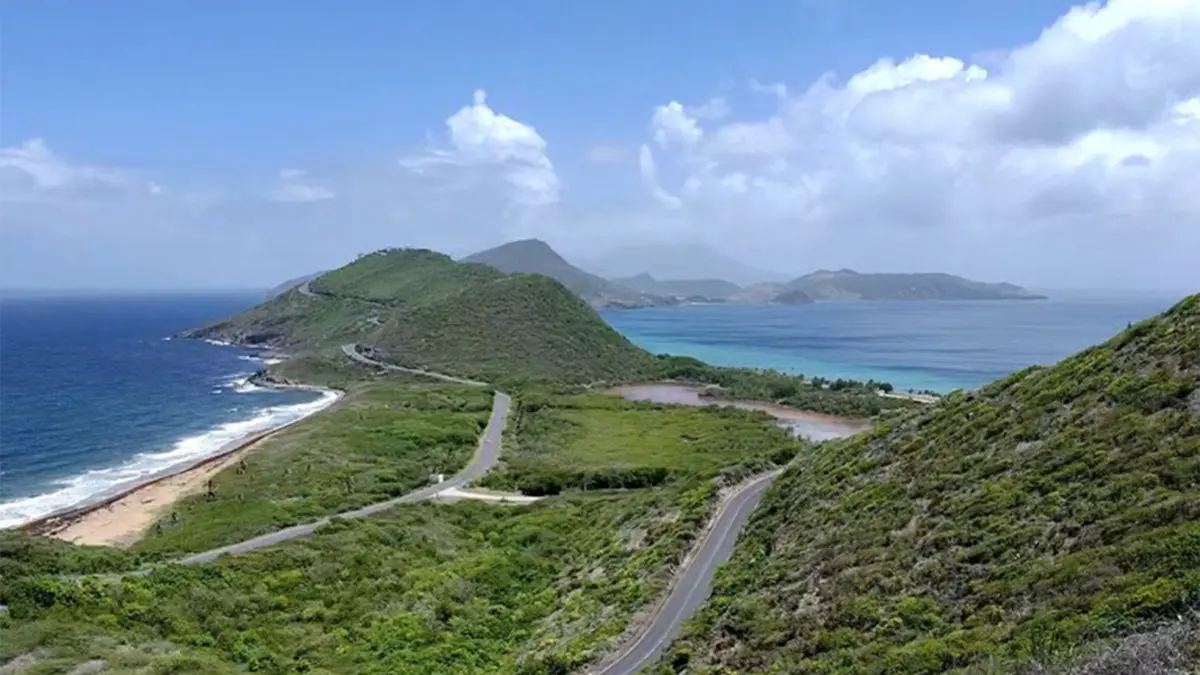
- The Southeast Peninsula: Renowned for its pristine beaches, upscale resorts, and tranquil waters, providing a stark, beautiful contrast to the rugged mountainous terrain of the island’s interior.
- Historic Basseterre: Walking tours through Independence Square and the Circus, showcasing well-preserved British colonial architecture and vibrant local culture.
Official Statements and Industry Perspectives
The achievement of the one-million-passenger milestone has drawn enthusiastic commentary from government leaders, tourism executives, and regional maritime stakeholders, all of whom view the achievement as a testament to strategic foresight and unwavering resilience.
Government and Tourism Leadership
In official addresses commemorating the milestone, senior representatives of the St. Kitts Ministry of Tourism and the St. Kitts Tourism Authority emphasized that reaching this threshold was a collective victory.
"Crossing the one-million-passenger mark once again is not merely a statistical achievement; it is a profound validation of the collaborative spirit that defines our tourism sector," noted a leading tourism official during the Port Zante celebrations. "When the pandemic upended global travel, our priority was safeguarding our people while preserving the integrity of our destination partnerships. Today, seeing over one million visitors walk our piers, patronize our local businesses, and immerse themselves in our rich culture proves that St. Kitts remains one of the most compelling, resilient, and beloved destinations in the global travel marketplace."
Cruise Line Partnerships and Global Confidence
Industry analysts point out that St. Kitts’ ability to attract and retain major cruise lines—including prominent players within Carnival Corporation, Royal Caribbean Group, and Norwegian Cruise Line Holdings—underscores the island’s operational reliability. Cruise executives have frequently praised Kittitian port management for efficient turnaround times, safety standards, and the warmth of the local welcome. This mutual trust has paved the way for unprecedented structural transformations in how cruise lines interact with the island.
Future Outlook: From Port of Call to Homeport Destination
While celebrating past resilience and current metrics is vital, the overarching narrative of St. Kitts’ tourism sector is anchored in aggressive future-proofing. The destination is executing a meticulously planned transition designed to redefine its geographic and economic footprint in the regional cruise industry.
The New Cruise Terminal at Port Zante
Demonstrating that resting on laurels is not part of the national tourism strategy, St. Kitts recently broke ground on a major new cruise terminal at Port Zante. This state-of-the-art facility is the cornerstone of a broader, visionary push to expand the island’s capabilities. The terminal will feature modern passenger processing facilities, enhanced retail and entertainment spaces, and streamlined logistics designed to elevate the passenger arrival and departure experience to world-class standards.
The Homeporting Revolution (2027)
The crown jewel of this infrastructural expansion is the strategic pivot toward homeporting. Unlike a traditional port of call—where ships visit for a single day before departing—a homeport serves as the starting and ending point for a cruise itinerary. This means international passengers must fly into St. Kitts, spend nights in local hotels, dine in local restaurants, and utilize airport services before and after their maritime voyage.
This strategic vision is already bearing fruit. P&O Cruises has officially announced plans to begin homeport operations in St. Kitts starting in 2027. This partnership will allow passengers to embark and disembark selected cruises directly in Basseterre. The economic implications of this transition are immense:
- Extended Stays: Homeporting inherently forces pre- and post-cruise hotel stays, driving occupancy rates across the island’s boutique hotels and luxury resorts.
- Airlift Expansion: The demand for inbound and outbound flights to accommodate homeport passengers will incentivize regional and international airlines to increase airlift into Robert L. Bradshaw International Airport (SKB).
- Supply Chain Integration: Supplying mega-ships with provisions, fresh produce, and technical services directly from St. Kitts will create robust B2B opportunities for local agricultural and commercial enterprises.
Sustainable Growth and Environmental Stewardship
As St. Kitts looks toward a future characterized by higher passenger volumes and homeport operations, tourism authorities remain acutely aware of the imperative for sustainable stewardship. Balancing economic expansion with environmental preservation is paramount. Initiatives focused on marine conservation, renewable energy integration within tourism infrastructure, and community-based tourism models are being actively integrated into the national master plan. The objective is clear: ensure that the natural beauty, cultural heritage, and ecological integrity that draw millions of visitors to St. Kitts remain pristine for generations to come.
Conclusion
The resurgence of St. Kitts’ cruise tourism sector—culminating in the triumphant return above the one-million-passenger mark at Port Zante—stands as a masterclass in destination management, crisis recovery, and strategic innovation. By transforming historical challenges into catalysts for modernization, St. Kitts has reinforced its standing as an elite Caribbean destination.
With foundational infrastructure expanding, groundbreaking homeport partnerships like P&O Cruises on the immediate horizon for 2027, and a commitment to broad-based economic empowerment, the federation’s maritime future has never looked brighter. For the taxi drivers of Basseterre, the artisans of the Craft House, and the policymakers charting the nation’s economic course, the million-passenger milestone is not a final destination, but rather the thrilling prelude to a new era of prosperity.