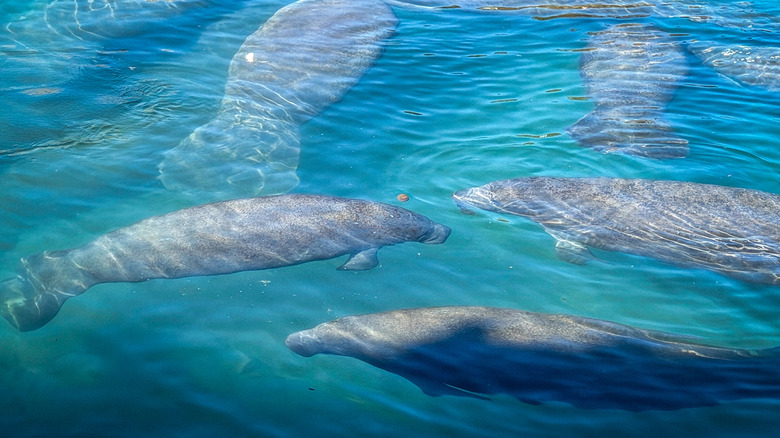
For wildlife enthusiasts visiting the Sunshine State, spotting the Florida manatee (Trichechus manatus latirostris) ranks high on the itinerary. These gentle, slow-moving aquatic mammals—affectionately dubbed "sea cows"—capture the public imagination with their docile demeanor and grazing habits. Traditionally, travelers flock to massive protected ecosystems like the Everglades National Park in search of these creatures. However, spanning over 1.5 million acres of untamed wilderness, the Everglades offers no guarantees; the animals roam freely across vast expanses of estuaries, rivers, and coastal creeks.
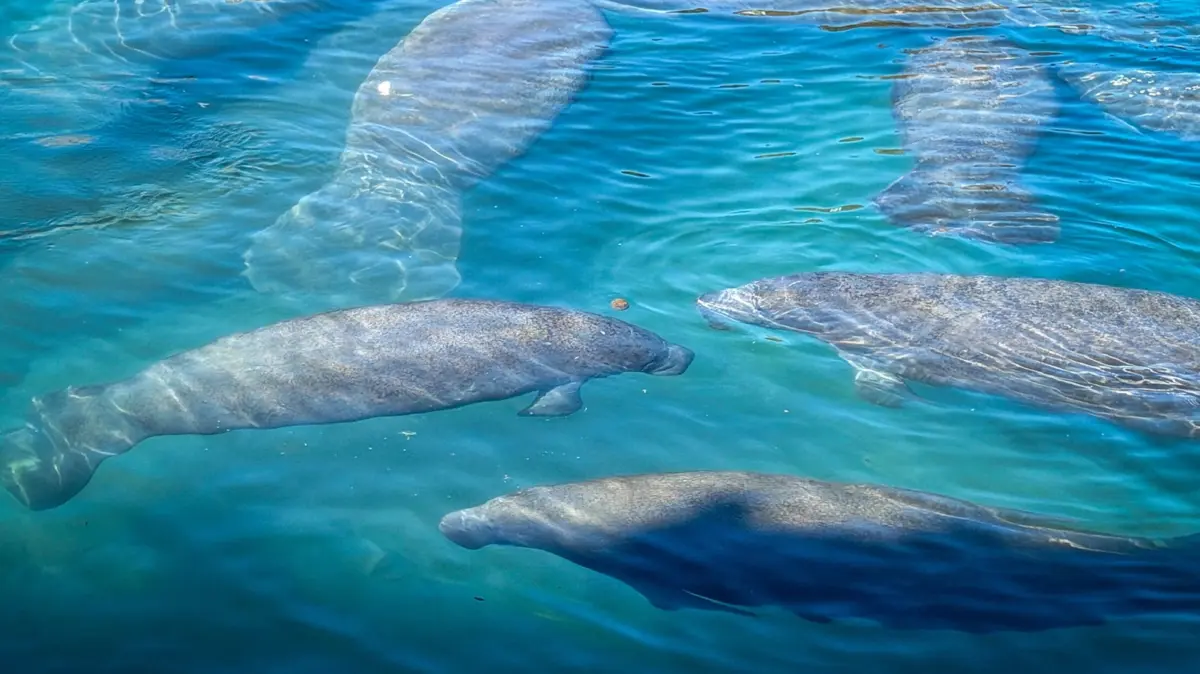
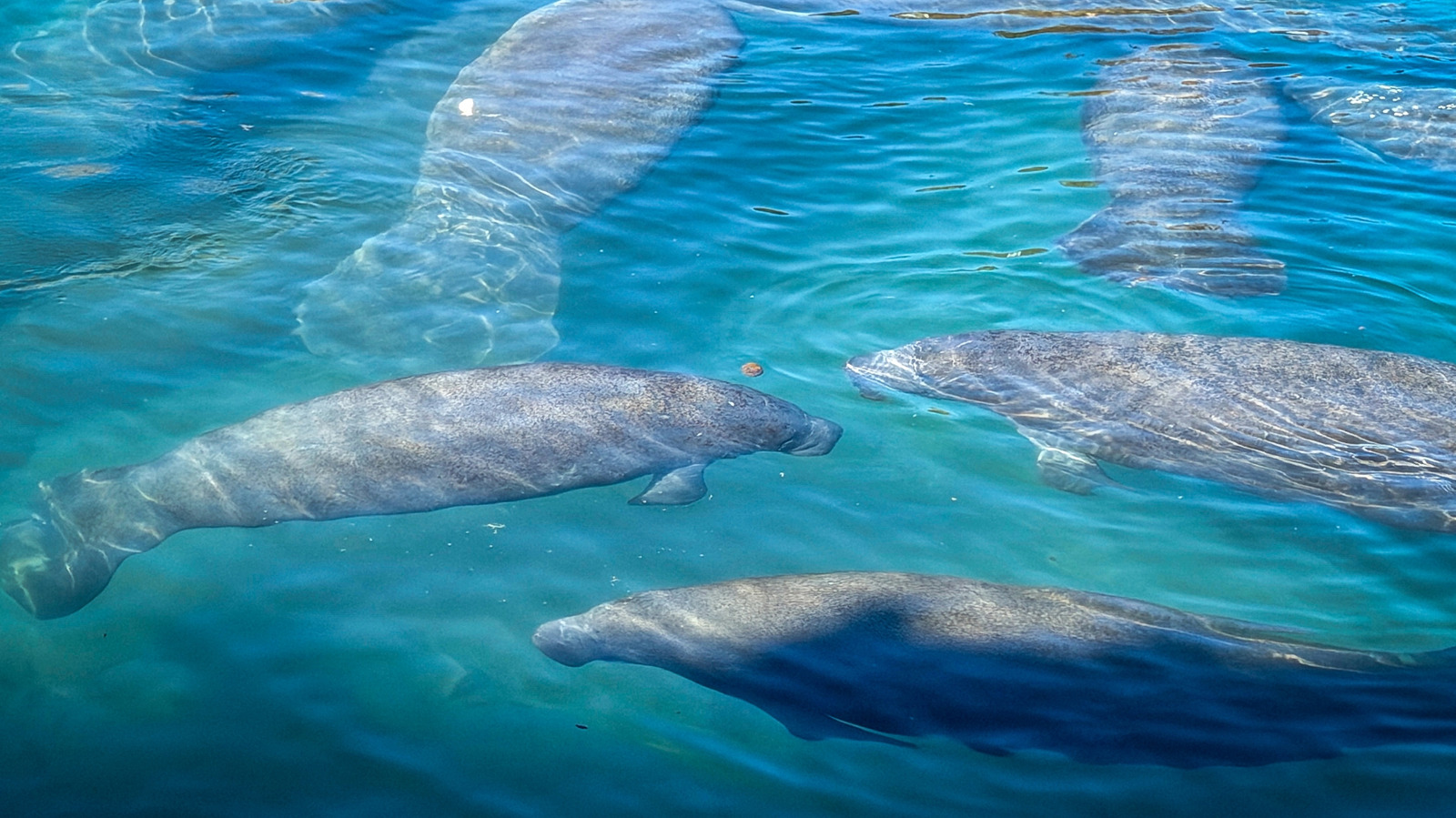
For visitors seeking an almost guaranteed, close-up encounter with hundreds of wild manatees without renting a boat or navigating miles of marshland, an unexpected destination sits just south of downtown Tampa: the TECO Manatee Viewing Center in Apollo Beach.
Breaking the mold of traditional wildlife sanctuaries, this highly rated, completely free attraction is nestled within the industrial footprint of Tampa Electric’s (TECO) Big Bend Power Station. Far from being a contradiction, this symbiotic relationship between heavy industry and wildlife conservation has created a state- and federally designated manatee sanctuary. Each winter, hundreds of heat-loving marine mammals congregate in the power plant’s warm-water discharge canal to escape potentially fatal drops in water temperature. Boasting a 4.7-star rating on Google Maps and a coveted USA Today Reader’s Choice Award, the center has evolved into one of Tampa’s most treasured, yet underrated, ecological attractions.
To understand how a functioning power plant became a premier ecotourism destination, one must examine the intersection of industrial engineering and wildlife biology in West Central Florida.
The Genesis of a Sanctuary
The Big Bend Power Station began operations as a coal-fired energy facility designed to power a rapidly growing West Central Florida. To cool its heavy machinery and prevent critical equipment from overheating, the facility draws millions of gallons of water directly from Tampa Bay, circulates it through the plant’s condensers, and subsequently discharges it back out.
Naturally, this discharged water emerges significantly warmer than the ambient temperature of Tampa Bay. In the late 1980s and early 1990s, local biologists and plant operators noticed a recurring phenomenon: during cold winter snaps, dozens—and eventually hundreds—of wild manatees began swimming up the discharge canal to bask in the soothing thermal plume.
Recognizing the ecological significance of this impromptu gathering, Tampa Electric partnered with state and federal wildlife agencies. Rather than pushing the animals away, TECO leaned into stewardship. The company transformed the industrial perimeter into a protected, human-accessible observation area, balancing heavy energy production with wildlife protection.
The operational rhythm of the Manatee Viewing Center is strictly dictated by nature’s calendar. The facility is open to the public exclusively from November 1 to April 15 each year—the definitive winter window when cold stress threatens Florida’s manatee population.
Daily operations run from 10:00 a.m. to 5:00 p.m., though habitat trails and boardwalk access typically close slightly earlier at 4:00 p.m. to ensure the safety of both visitors and wildlife. Outside of this winter window, the manatees disperse back into the broader waters of Tampa Bay and the Gulf of Mexico as ambient water temperatures rise, rendering the warm-water discharge unnecessary for their survival.
Supporting Context, Metrics, and Environmental Impact
The success of the TECO Manatee Viewing Center is underpinned by hard science, environmental regulations, and robust visitor metrics that highlight its dual role as an energy producer and a conservation haven.
Understanding Cold Stress Syndrome
Manatees are magnificent marine mammals, but they possess a physiological Achilles’ heel: low metabolic rates and minimal body fat leave them highly sensitive to rapid drops in water temperature. When water temperatures fall below 68 degrees Fahrenheit (20 degrees Celsius), manatees are susceptible to cold stress syndrome—a debilitating and potentially fatal condition characterized by lethargy, skin lesions, and organ failure.
Historically, natural warm-water refuges included natural springs (such as those found further inland) and deep southern coastal zones. However, human development, declining spring flows, and habitat loss have placed immense pressure on these natural refuges. Power plant discharge canals—such as the one at Big Bend—have inadvertently become critical lifelines for the Florida manatee population. Up to 300 individual manatees have been documented sheltering in the Apollo Beach canal during peak cold fronts.
More Than Just Manatees: The Florida Conservation and Technology Center
The Viewing Center has expanded far beyond a single viewing platform. Today, it anchors the broader Florida Conservation and Technology Center (FCTC), a multi-faceted environmental campus that offers visitors a holistic view of regional conservation efforts.
The Florida Aquarium Sea Turtle Rehabilitation Center: Located adjacent to the viewing area, this facility plays a vital role in rescuing, rehabilitating, and releasing sick or injured sea turtles back into the wild. Visitors can observe ongoing rehabilitation efforts and learn about marine reptile conservation.
Marine Biodiversity: The warm waters of the discharge canal do not just attract manatees. Visitors walking along the 900-foot tidal walkway frequently spot other marine life seeking thermal relief or hunting the abundant fish populations, including cownose rays, spotted eagle rays, sharks, and various large fish species.
The Tidal Trail and Observation Tower: For those seeking a terrestrial immersion, a 0.8-mile interpretive boardwalk and nature trail winds through a restored coastal marsh and mangrove ecosystem. The trail culminates in a towering 50-foot observation tower, offering panoramic vistas of Tampa Bay, Apollo Beach, and the surrounding wilderness.
Educational Exhibits: The visitor center features interactive exhibits detailing alternative energy sources, solar power initiatives, and the life cycle and behavioral patterns of the West Indian manatee.
Official Statements and Conservation Philosophy
The relationship between a utility provider and a charismatic endangered species requires a delicate balance of corporate responsibility and regulatory compliance.
According to official statements from Tampa Electric (TECO):
"Our discharge canal is a state and federally designated manatee sanctuary that provides critical protection from the cold for these unique, gentle animals. We are committed to ensuring that our industrial operations coexist harmoniously with the local ecosystem, offering the public a safe, educational window into Florida’s natural heritage without disrupting the wildlife we strive to protect."
Wildlife conservationists and state agencies have long praised the model. While environmental groups historically viewed industrial discharges with skepticism, the strict federal and state sanctuary designations placed over the Big Bend canal legally prohibit unauthorized watercraft, fishing, and human entry, transforming a thermal runoff pipe into a heavily guarded safe haven.
Visitors echo these sentiments on public forums. Reviewers frequently describe the experience on Google Maps as "a masterclass in wildlife viewing" and praise the accessibility of the site, noting that getting up close to dozens of wild manatees in a natural yet protected setting creates an unforgettable educational impression, particularly for families and students.
Future Outlook: Balancing Energy Transitions and Wildlife Protection
As Florida looks toward the future, a critical question looms over artificial warm-water refuges like the TECO Manatee Viewing Center: What happens when power plants modernize, transition to cleaner energy sources, or phase out fossil fuels entirely?
The Conundrum of the Clean Energy Transition
Across the United States, utility companies are steadily retiring aging coal- and gas-fired power plants in favor of solar, wind, and closed-loop technologies to reduce carbon emissions. While this transition is vital for combating global climate change, it introduces a complex ecological dilemma for conservation biologists known as the "warm-water trap."
Over several generations, hundreds of Florida manatees have learned to rely on industrial warm-water discharges (such as those at Big Bend and other Florida power plants) rather than migrating to natural springs. If a power plant shuts down or modernizes its cooling systems—drastically reducing the thermal output of its discharge canals—manatees accustomed to wintering there could face sudden, catastrophic cold stress events unless alternative thermal networks are established.
Proactive Mitigation and Long-Term Planning
Recognizing this looming challenge, organizations like the Florida Fish and Wildlife Conservation Commission (FWC), the U.S. Fish and Wildlife Service (USFWS), and utility providers like TECO are actively engaged in long-term manatee population management plans.
For the Big Bend Power Station, ongoing operational updates are carefully coordinated with wildlife officials to ensure that any future transitions maintain adequate thermal refuges for the local manatee population. Furthermore, habitat restoration projects along natural springs and waterways across Florida are underway to coax manatees back toward decentralized, sustainable natural habitats.
Conclusion
Until those broader ecological shifts occur, the TECO Manatee Viewing Center remains an shining example of adaptive conservation. By turning an industrial byproduct into a sanctuary, Tampa Electric has provided a priceless public resource. For travelers navigating the Tampa Bay area between November and April, a trip to Apollo Beach offers a rare, educational, and entirely free front-row seat to one of nature’s most heartwarming spectacles—proving that sometimes, wildlife preservation and human ingenuity can find a surprising, harmonious balance.