









Executive Overview
The cascading economic shockwaves of geopolitical instability in the Middle East have breached a quiet, indispensable cornerstone of the global automotive supply chain: synthetic motor oil. As the military conflict involving the United States and Iran grinds onward, disrupting vital maritime trade routes and inflating global crude oil benchmarks, the consumer impacts have rapidly expanded far beyond the typical pumps of gasoline and diesel.
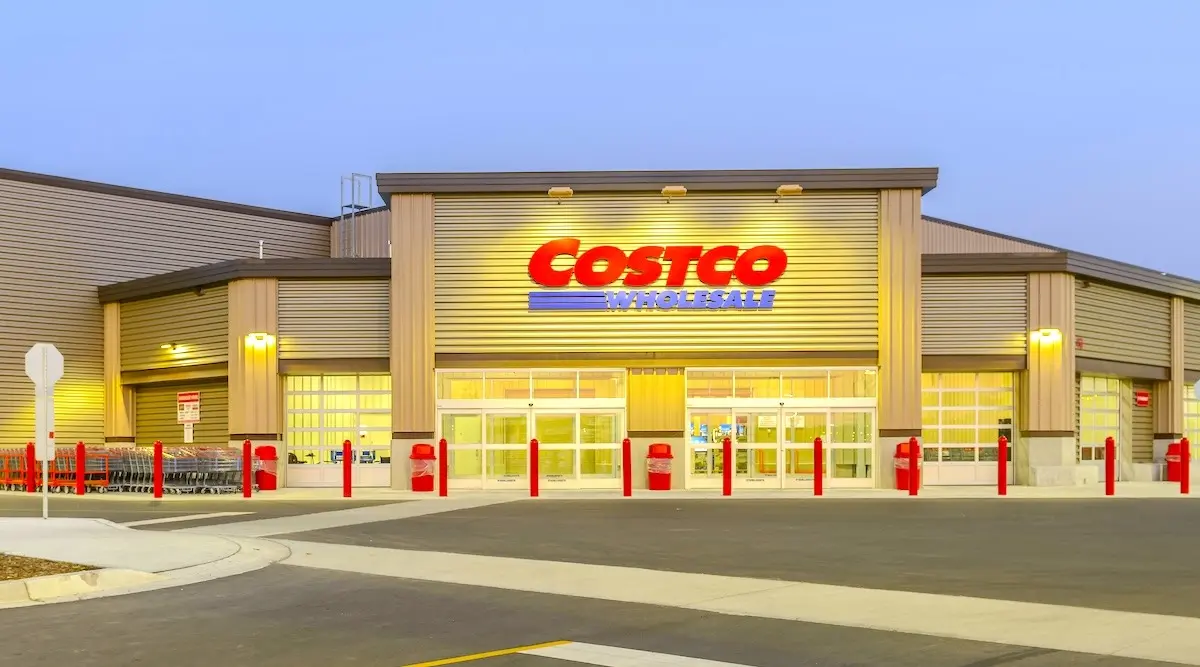
Most notably, warehouse retail giant Costco—an institution globally recognized for aggressively shielding its members from inflationary pressures—has taken the unprecedented step of raising prices and implementing strict rationing on its flagship Kirkland Signature full-synthetic motor oil.
For decades, motor oil has remained a predictable, low-volatility maintenance expense for internal combustion engine (ICE) vehicle owners. Today, however, skyrocketing base oil prices, coupled with refinery shifts favoring high-margin fossil fuels, have upended this market equilibrium.
While drivers of 100% battery-electric vehicles (EVs) remain entirely insulated from these surging operational costs, conventional and hybrid vehicle owners face a compounding total cost of ownership (TCO). This mounting financial strain arrives at a critical juncture for the American automotive sector, reinforcing the economic narrative favoring vehicle electrification even as geopolitical turmoil continues to reshape global energy markets.
Detailed Chronology: From Middle East Escalation to Warehouse Rationing
To understand how a barrel of crude oil in the Persian Gulf ultimately transforms into restricted inventory on a suburban warehouse shelf, it is necessary to trace a timeline defined by military escalation, maritime chokepoints, and industrial supply bottlenecks.
The Spark: Geopolitical Tensions Boil Over
The foundational catalyst for the current inflationary cycle materialized when military operations involving the United States and Iran escalated across the Middle East. The resulting volatility instantly disrupted critical global shipping lanes, driving up insurance premiums, delaying maritime transit times, and triggering severe speculative spikes in global crude markets. While energy analysts immediately focused on the predictable leaps in retail gasoline and diesel prices, secondary and tertiary derivatives of petroleum processing largely escaped immediate public scrutiny.
Early Warning Signs: Spring and Summer Shocks
By late spring, localized anomalies began to surface. Regional news outlets, such as ABC affiliate KTNV in Las Vegas, Nevada, began reporting localized inventory constraints and whispered rumors of an impending motor oil shortage affecting major retail hubs, including Walmart and Costco.

By June, National Public Research (NPR) published a sobering assessment of the industrial base oil market. According to Amanda Hay, an analyst with market insight firm Independent Commodity Intelligence Services (ICIS), the price of base oils—the foundational feedstocks blended to manufacture modern synthetic motor oil—had more than tripled to historic highs since the onset of the conflict.
Unlike gasoline and diesel, for which the United States often functions as a net exporter, the nation remains heavily reliant on foreign imports for specialized base oils. The chemical stocks required for high-performance synthetic lubricants are not domestically produced in quantities sufficient to meet aggregate demand, leaving the American automotive aftermarket uniquely vulnerable to international supply chain fractures.
Autumn Realities: Costco Enforces Strict Limits
The crisis transitioned from a behind-the-scenes industrial concern to a visible consumer reality when retail giant Costco adjusted its pricing and sales policies. The warehouse club hiked the price of its popular Kirkland Signature full-synthetic motor oil to $58.00 per 10-quart pack.
More tellingly, Costco instituted strict purchasing caps: members were limited to a single transaction per visit, with a maximum allowance of two transactions per rolling weekly period.
Automotive and retail industry analysts immediately recognized this move as a flashing red light. Costco’s business model depends on maintaining razor-thin margins and low retail prices. When a discount titan is forced to deploy rationing strategies alongside steep price corrections, it signals that upstream supply pressures have reached an unsustainable tipping point.
Supporting Context & Metrics: Decoding the Motor Oil Supply Chain
The mechanics behind the motor oil price explosion are deeply rooted in refinery economics and the chemical evolution of modern transportation.
The Refinery Dilemma: Fuel vs. Lubricants
Base oils and motor fuels emerge from the exact same barrel of crude petroleum. During the refining process, facilities must continually balance their output yield between high-demand volatile fuels (gasoline, diesel, and jet fuel) and heavier lubricant feedstocks.
When geopolitical conflicts drive up the cracks-spread and refiners can generate significantly higher profit margins by prioritizing fuel production over lubricant stock, base oil supplies tighten instantly. As refinery throughput shifts toward keeping transportation moving, the volume of available base oil shrinks, pushing procurement costs up the supply chain until the financial burden lands squarely on the retail shelf.
[Crude Oil Extraction]
         │
         ▼
[Refinery Processing] ──(High Fuel Demand / Cracks-Spread)──► [Gasoline & Diesel Production]
         │
         └──(Squeezed Base Oil Yield)──► [Base Stock Shortage] ──► [Surging Synthetic Oil Prices]
Technological Evolution and the TCO Equation
It is a historical inaccuracy to attribute the rising cost of motor oil solely to recent geopolitical shocks. Cost pressures had been steadily building for years, driven by the increasing mechanical sophistication of modern internal combustion engines. Today’s high-compression, turbocharged engines demand advanced, tightly toleranced synthetic formulations that require more expensive chemical additives.
While motor oil purchases do not occur with the weekly frequency of gasoline fill-ups, the compounding price spikes represent another significant blow to the Total Cost of Ownership (TCO) for conventional gas-powered vehicles.
The Expanding Threat Matrix: Chokepoints and Pipelines
The fragility of the conventional fuel and lubricant supply network was further underscored by escalating regional conflicts. Following disruptions in the Strait of Hormuz, the Iran-backed Houthi rebel movement in Yemen seized control of strategic territory near the Bab el-Mandeb Strait—a crucial alternative maritime artery for international cargo.
Simultaneously, alternative pipeline transport routes utilized by Saudi Arabia suffered drone strikes originating from Iraq. These compounded infrastructural attacks have choked off redundancy measures, assuring that the TCO for conventional vehicles will likely face sustained upward pressure for the foreseeable future.
Official Statements and Industry Perspectives
Industry stakeholders, economists, and automotive analysts have offered candid assessments regarding the intersection of geopolitical conflict and domestic vehicle operation.
- Amanda Hay, ICIS Market Analyst: Commenting on the structural shifts in lubricant manufacturing, Hay noted via institutional correspondence that “since the start of the war, the price of the base oil used to blend widely-used synthetic motor oil has more than tripled to record levels.” She further emphasized that the United States remains structurally dependent on foreign base oil imports, compounding domestic exposure to overseas conflicts.
- Shawn Henry, Automotive Industry Reporter (The Auto Wire): Elaborating on the mechanics of retail pricing anomalies, Henry observed that Costco’s traditional mid-$30s price point for its private-label synthetic oil had been violently disrupted. He explained, “Base oil, the feedstock lubricant blenders turn into finished motor oil, comes out of the same barrel of crude as gasoline and diesel. When refiners can earn more money finishing a barrel into fuel than into lubricant stock, base oil supply tightens and its cost follows crude and crack-spread swings all the way up the chain.”
- Consumer Advocacy and Automotive Forums: Across consumer forums and trade associations, feedback has highlighted a growing weariness among ICE vehicle owners regarding maintenance inflation. Conversely, electric vehicle proponents have seized upon the crisis as a stark reminder of the mechanical simplicity and operational independence inherent to battery-electric platforms, which completely eliminate the need for engine oil, spark plugs, timing belts, and routine fluid changes.
Future Outlook: Accelerating the EV Transition
As traditional vehicle ownership grows increasingly expensive and logistically complex, the long-term outlook favors accelerated consumer migration toward vehicle electrification.
The Shifting Balance of Total Cost of Ownership
Despite higher initial sticker prices for new battery-electric vehicles, their structural operating models offer profound long-term insulation from the volatility of fossil fuel and lubricant markets. EVs require significantly fewer moving parts, zero engine oil, and far less routine brake maintenance due to regenerative braking systems.
As the cumulative expenses of traditional vehicle maintenance—spanning fuel, exhaust systems, transmission servicing, and now rationed synthetic motor oils—continue to rise, the economic tipping point for fence-sitting consumers draws closer.
Digital Searches and Market Sentiment
Market research indicates that consumer interest in electric vehicles correlates strongly with petroleum market turbulence. Immediate spikes in online searches for electric cars historically follow acute escalations in Middle Eastern conflicts and subsequent fuel price surges.
While analysts caution that temporary fuel shocks do not instantly translate into immediate showroom sales records, structural changes in ownership costs consistently alter consumer psychology over the medium to long term.
The Role of Infrastructure and Strategic Incentives
The pace at which interested buyers convert into actual EV owners will depend heavily on the ongoing expansion of the nation’s public charging infrastructure and targeted purchase incentives. In this ecosystem, retail giants like Costco are uniquely positioned to influence consumer behavior.
Through its established auto purchase and member incentive programs, Costco frequently bridges the gap for hesitant buyers. For example, seasonal member incentives—such as temporary stackable rebates on fully electric luxury and utility platforms (including models from manufacturers like Volvo)—provide tangible financial offsets that complement remaining state and local clean-transportation subsidies.
Conclusion
The motor oil shortage and subsequent rationing at warehouse retailers serve as a micro-cosmic warning of the broader vulnerabilities tied to fossil-fuel-dependent transportation networks. As geopolitical instability continues to drive up the cost of operating internal combustion vehicles, the economic advantages of vehicle electrification become increasingly difficult for everyday drivers to ignore.