






Executive Overview
Nestled within the ruggedly picturesque landscape of the Texas Hill Country, less than two hours northwest of Austin, lies a premier aquatic oasis that has quietly transformed into the Lone Star State’s ultimate destination for freshwater fishing and high-octane water sports. Spanning over 6,400 acres, Lake Lyndon B. Johnson—universally known as Lake LBJ—cuts a magnificent figure across the Highland Lakes chain. Named in honor of the 36th President of the United States, who spent his formative years in the immediate region and heavily championed its federal development, Lake LBJ stands apart from its sibling reservoirs.
Unlike neighboring lakes that suffer from dramatic seasonal fluctuations and unpredictable water levels, Lake LBJ benefits from a remarkably stable hydrological profile. This structural consistency preserves its aquatic habitats year-round, turning the destination into an infallible paradise for professional and recreational anglers targeting largemouth bass and trophy crappie. Simultaneously, its 270 miles of sprawling shoreline, deep-water channels reaching up to 90 feet, and diverse recreational infrastructure make it an elite playground for boaters, wakeboarders, and paddlers alike. For travelers looking to escape the urban pulse of Austin via a straightforward drive along State Highway 71, Lake LBJ offers an unmatched blend of natural splendor, storied presidential heritage, and world-class aquatic recreation.
Detailed Chronology: From Wild River to Presidential Reservoir
The modern narrative of Lake LBJ cannot be separated from the broader geological and political history of the Texas Hill Country, a region defined by granite domes, spring-fed creeks, and the powerful, winding course of the Texas Colorado River. For millennia, the Colorado River carved its way through the central region of the state, occasionally unleashing devastating floods that threatened early settlements before rushing onward toward the Gulf of Mexico.

The Birth of the Highland Lakes
To tame the unpredictable temperament of the Colorado River and harness its raw energy for regional electrification and water conservation, a series of massive structural engineering projects took shape across the 20th century. Spearheaded by the Lower Colorado River Authority (LCRA), a series of strategic dams were erected, ultimately creating the magnificent sequence of reservoirs known collectively as the Highland Lakes. Among these, Lake LBJ was impounded in 1951, forever altering the physical and economic geography of Burnet and Llano counties.
Lyndon B. Johnson’s Enduring Footprint
The reservoir’s rich historical pedigree is inextricably linked to one of Texas’ most influential political figures: Lyndon B. Johnson. Born in nearby Stonewall and raised in the heart of the Hill Country, Johnson understood firsthand the economic and infrastructural isolation of rural Texas. During his tenure in the United States Congress—and later as President—Johnson leveraged his formidable political influence to secure critical federal funding and regulatory support for the region’s water projects.
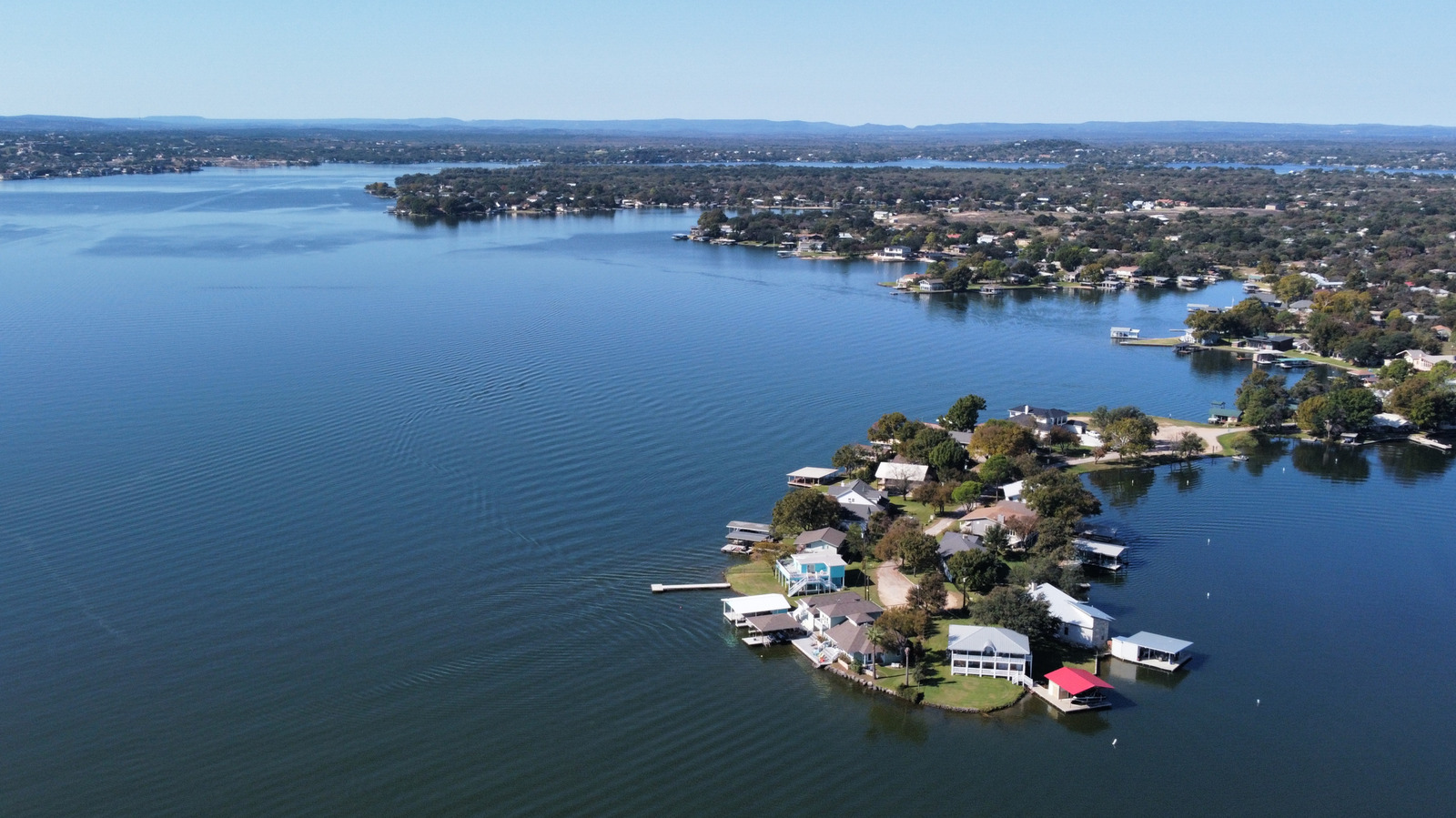
The creation of the lake not only provided flood control and hydroelectric power but also injected an economic lifeline into the surrounding communities. Originally named Lake Granite Shoals upon its completion, the reservoir was officially renamed Lake Lyndon B. Johnson in the late 1960s to honor the president’s monumental contributions to rural electrification, conservation, and the development of the Highland Lakes infrastructure.
Supporting Context & Metrics: Navigating Lake LBJ
Understanding the sheer scale and biological richness of Lake LBJ requires examining the hard metrics and ecological factors that make it an outlier among Texas reservoirs.

Key Geographic and Structural Metrics
- Total Surface Area: Approximately 6,432 acres, making it the third-largest body of water in the Highland Lakes chain.
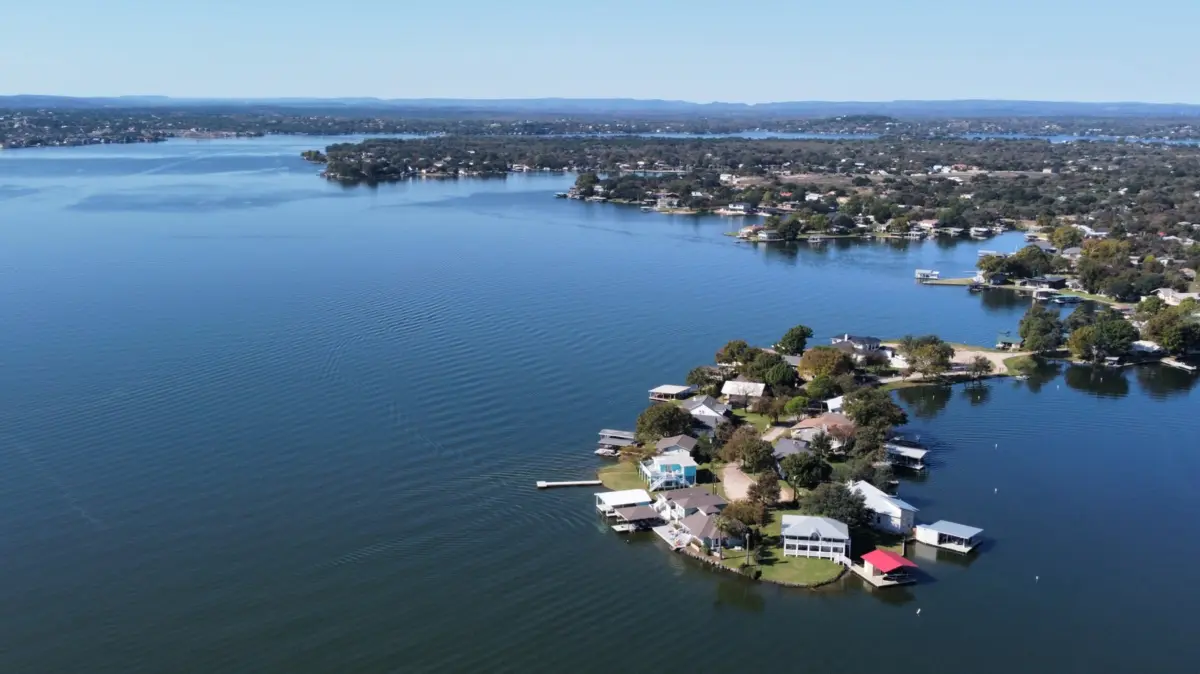
- Shoreline Length: A staggering 270 miles of varied shoreline, featuring dense residential development, luxury resorts, natural rock formations, and public parks.
- Maximum Depth: Reaches depths of up to 90 feet near the primary dam structures, providing deep-water sanctuaries for large gamefish.
- Distance from Austin: Less than a two-hour drive northwest via State Highway 71, providing direct connectivity to Austin-Bergstrom International Airport (AUS).
The Hydrological Advantage: Stability as a Catalyst
The defining characteristic that sets Lake LBJ apart from reservoirs like Lake Travis or Lake Buchanan is its constant water level management. While other Highland Lakes frequently experience dramatic drops due to drought conditions or municipal drawdowns, Lake LBJ operates under a much tighter regulatory threshold.
This stability prevents the massive die-offs of aquatic vegetation typically seen in fluctuating water systems. Submerged flora such as water willow and spatterdock thrive along the littoral zones, creating an optimal, uninterrupted breeding ground for baitfish and apex predators alike. Furthermore, the extensive shoreline modifications—including hundreds of private bulkheads, docks, and boathouses—act as artificial reefs, concentrating fish populations and making them accessible to anglers regardless of the season.
Official Statements and Fisheries Management
State wildlife agencies and local authorities closely monitor Lake LBJ to ensure its long-term viability as both an ecological treasure and a recreational powerhouse.
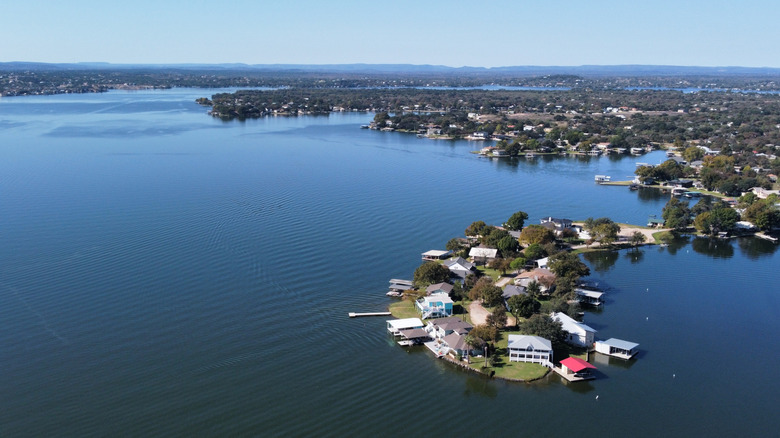
According to reports from the Texas Parks and Wildlife Department (TPWD), Lake LBJ maintains a reputation as one of the most reliable multi-species fisheries in the American Southwest. Fisheries biologists attribute the lake’s health to a combination of strict conservation management, natural habitat replenishment, and unique thermal influences.
"Lake LBJ remains an outlier in our regional monitoring programs because its baseline water levels rarely experience the extreme troughs seen elsewhere in the chain," notes a regional TPWD fisheries biologist. "This consistency allows largemouth bass, white bass, and crappie populations to spawn successfully year after year without the recruitment setbacks caused by sudden shoreline exposure. Coupled with the abundant structural cover provided by docks and aquatic vegetation, it creates a self-sustaining ecosystem that consistently rewards both novice and tournament anglers."
Additionally, local municipal leaders in communities like Horseshoe Bay and Kingsland emphasize the careful balance required to manage heavy recreational boating traffic alongside premier angling conditions. Local chambers of commerce work alongside the LCRA to maintain public access points while preserving water quality and shoreline integrity.
Future Outlook: Preservation, Tourism, and Sustainable Growth
As the population of Central Texas continues to experience explosive growth—particularly in the Austin-Round Rock metropolitan corridor—Lake LBJ faces both unprecedented opportunities and acute management challenges.
Balancing Eco-Tourism and Development
The allure of a waterfront paradise less than two hours from a major tech hub has driven significant real estate development and tourism expansion. Communities such as Horseshoe Bay, renowned for its world-class golf courses and tropical aesthetic, and Kingsland, celebrated for its cozy lakefront rentals and proximity to Inks Lake State Park, are seeing record numbers of seasonal and permanent visitors.
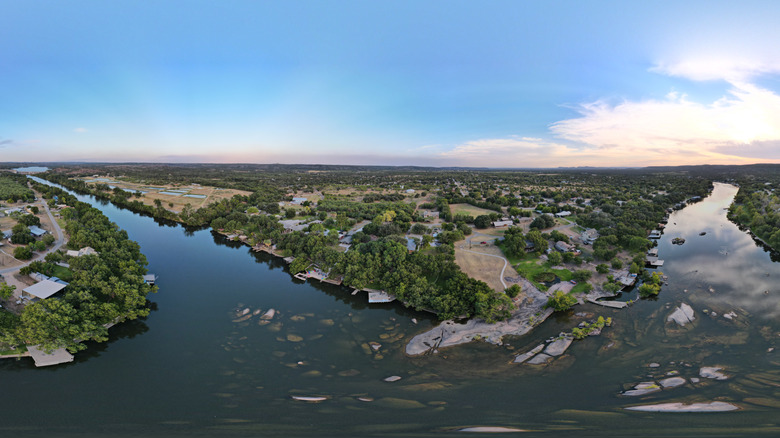
However, local stakeholders and environmental planners are keenly focused on sustainable growth. Maintaining water quality, managing boat traffic congestion during peak summer weekends, and mitigating the environmental impact of shoreline construction are top priorities for the LCRA and local municipalities.
The All-Season Destination Model
Looking ahead, Lake LBJ is rapidly shedding its identity as a purely seasonal, summer-only getaway. Thanks to mild Hill Country winters and unique ecological quirks—such as the warm-water discharge from a local power plant near Horseshoe Bay that draws large concentrations of fish during the colder months—the lake is positioning itself as a premier 365-day destination.
Whether an outdoor enthusiast is seeking the solitude of a sunrise paddleboarding session through the secluded coves of the upper arms, the adrenaline rush of wakeboarding across the open main lake, or the quiet patience of winter crappie fishing near the dam, Lake Lyndon B. Johnson stands firmly as the undisputed crown jewel of the Texas Highland Lakes.