







Executive Overview
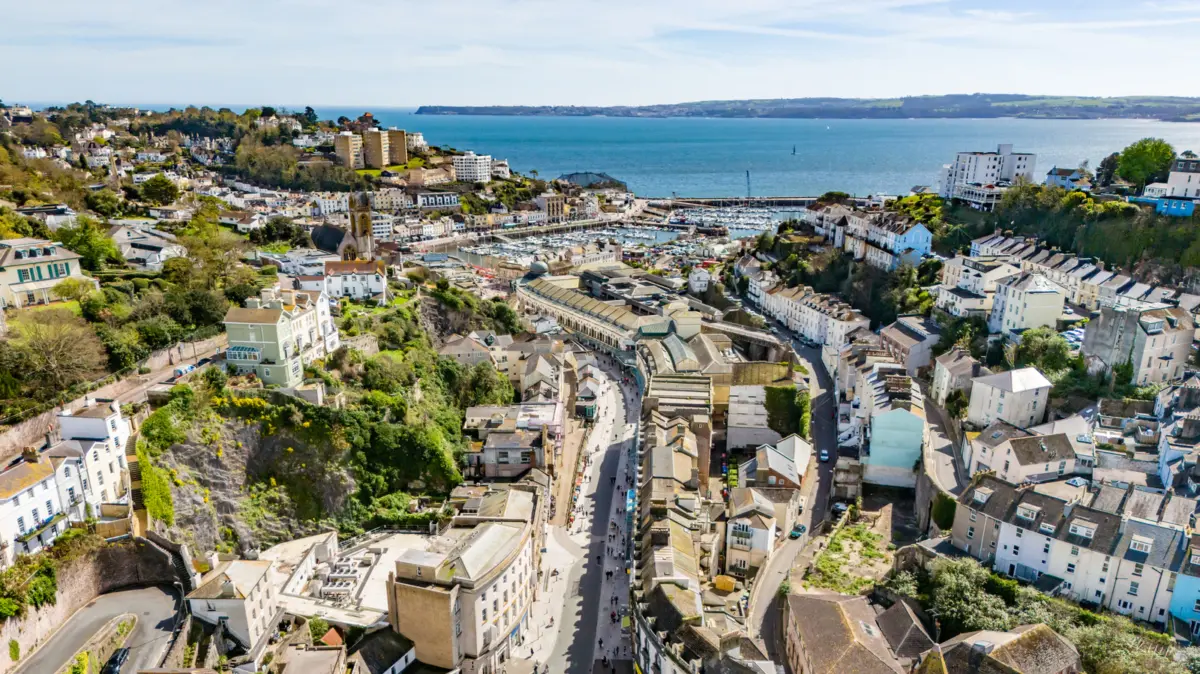
Nestled along the sweeping northern shores of the English Riviera in Devon, Torquay has spent more than a century cultivating a reputation as one of Great Britain’s premier seaside retreats. Long celebrated for its microclimate, palm-lined promenades, and dramatic sandstone cliffs, the town is currently experiencing a profound cultural and economic revival.
As part of a broader £300 million regional investment wave sweeping across Torbay, Torquay is redefining its historic identity for a modern generation of travelers. No longer relying solely on its Victorian nostalgia, the town is leaning heavily into its designation as the crown jewel of England’s "Seafood Coast," boasting an exceptional culinary ecosystem, pristine blue-flag beaches, and world-class hospitality that includes the reigning champion of British bed-and-breakfasts.
Detailed Chronology: From Victorian Sanctuary to Modern Destination
The 19th-Century Genesis
Torquay’s rise to prominence began in the early 19th century. Following the conclusion of the Napoleonic Wars, continental travel became difficult for wealthy Britons, prompting the nation’s elite to look inward for health and leisure retreats. Torquay, with its sheltered position within Lyme Bay and its notably mild climate—often dubbed the English Riviera due to its resemblance to the Mediterranean—became an immediate sanctuary.
The arrival of the railway in the 1840s catalyzed this growth, transforming a cluster of modest fishing villages into a bustling Victorian resort town. Grand hotels, manicured public gardens like the Princess Gardens, and elaborate marine piers were constructed to cater to aristocracy seeking sea-air therapies and social respite.
The Mid-20th-Century Peak and Lull
By the mid-20th century, Torquay had cemented its status as the quintessential destination for domestic family holidays. Generations of Britons packed into seaside boarding houses, strolled along Torre Abbey Sands, and frequented the town’s classic entertainment venues. However, the advent of cheap international commercial aviation in the late 20th century saw a shift in British holiday habits, drawing travelers toward guaranteed Mediterranean sunshine and temporarily eclipsing traditional domestic coastal towns.
The 21st-Century Renaissance
In recent years, Torquay has mounted a remarkable comeback, driven by a national rediscovery of domestic travel and a strategic injection of capital into its infrastructure. Today, the town bridges its rich heritage with contemporary demands. Visitors no longer arrive merely to reminisce about the past; they come to experience a vibrant coastal ecosystem where historic funicular railways operate alongside award-winning boutique accommodations and cutting-edge culinary destinations.
Supporting Context & Metrics: The Anatomy of Torquay Today
Understanding Torquay’s current resurgence requires examining the metrics and infrastructure that support its thriving tourism and hospitality sectors.
Geographical and Transport Infrastructure
- Accessibility: Situated in Devon, Torquay is easily accessible via domestic and international transport networks. The closest aviation hub is Exeter Airport, located roughly 25 miles to the northeast. Travelers can rent a vehicle or take the convenient 4A bus service to Exeter St Davids Railway Station, where regular Great Western Railway (GWR) services transport passengers directly to Torquay Station in approximately one hour.
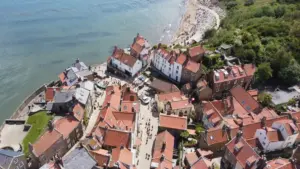
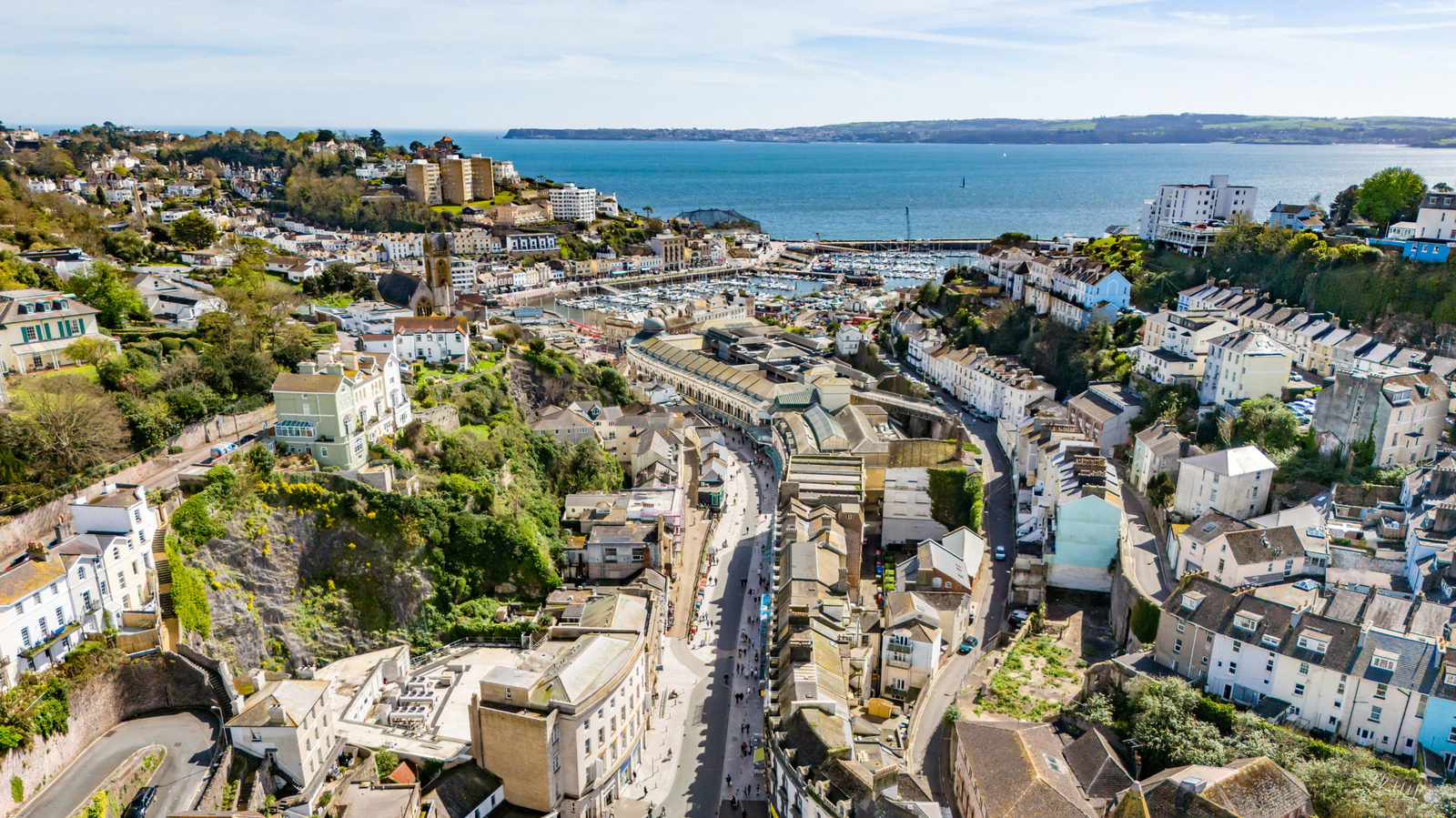
- The Coastal Layout: Torquay’s urban geography centers heavily on its dramatic waterfront. The town features a bustling marina, sweeping promenades, and distinct coastal zones. Key recreational areas include Torre Abbey Sands—centrally located and ideal for families—and Oddicombe Beach, nestled on the dramatic northern edge of the coastline.
Culinary Excellence on the ‘Seafood Coast’
Torquay’s positioning on England’s "Seafood Coast" is not merely a marketing tagline; it is supported by a robust local fishing industry anchored by nearby Brixham, home to one of the most significant and historically rich fish markets in the United Kingdom.
- No. 7 Fish Bistro: Operating for over three decades, this establishment remains a cornerstone of Torquay’s culinary scene. Sourcing directly from the nearby waters of Brixham, the bistro offers a rotating blackboard menu complemented by an extensive wine bar, with signature dishes such as grilled king prawns drenched in melted garlic butter.
- Rockfish: A contemporary staple of the Torquay waterfront, Rockfish delivers an innovative dining experience where daily catches are written directly onto the tablecloths by servers. Renowned for its sustainable sourcing, the restaurant serves locally caught hake fish and chips, delicate garlic-and-parmesan scallops, and sea bream.
Hospitality Benchmarks: The Rise of Boutique B&Bs
Torquay’s accommodation sector has evolved far beyond traditional, uniform seaside boarding houses. The town now hosts some of the most lauded independent hospitality ventures in the United Kingdom.
- The 25 Boutique B&B: This adults-only, six-room property has redefined the bed-and-breakfast experience. Recognized widely across the hospitality sector, it achieved the title of the UK’s best-rated B&B in 2025 by the AA (Automobile Association). Featuring individually curated, brightly colored interior design, top-tier guest amenities, and a locally sourced made-to-order breakfast menu, The 25 exemplifies the high standards driving Torquay’s tourism renaissance.
Official Statements and Regional Impact
The physical and cultural transformation of Torquay is reinforced by major municipal and national investments. The broader Torbay region is currently undergoing a £300 million regeneration project, designed to modernize public spaces, improve transport links, and stimulate year-round economic activity.
Local tourism boards and regional development agencies have emphasized that these investments are vital for ensuring that Torquay remains competitive on the global stage.
"Our vision for Torquay and the wider English Riviera is to honor our rich architectural and cultural heritage while aggressively modernizing our infrastructure," noted a regional tourism development representative. "The multi-million-pound investments currently underway are transforming our public spaces, enhancing our environmental sustainability, and attracting world-class culinary and hospitality entrepreneurs. Torquay is no longer just a nostalgic memory—it is a dynamic, forward-looking coastal destination."
Industry analysts point out that the success of independent establishments like The 25 Boutique B&B and culinary institutions like Rockfish and No. 7 Fish Bistro proves that travelers are increasingly seeking authentic, localized experiences supported by uncompromising quality.
Future Outlook: What Lies Ahead for Torquay
As Torquay looks toward the coming decades, the trajectory points toward sustained growth, enhanced sustainability, and cultural diversification.
Infrastructure and Urban Renewal
The implementation of the £300 million regional investment package will continue to reshape Torbay over the next several years. Key projects focus on pedestrianizing core waterfront zones, upgrading marine facilities to accommodate a growing influx of sailing and yachting enthusiasts, and revitalizing historic parks such as Princess Gardens. These developments aim to extend the tourism season beyond the traditional summer months, establishing Torquay as a viable year-round destination for remote workers, wellness travelers, and cultural tourists.
Expanding Horizons on the English Riviera
For travelers looking to expand their itineraries, Torquay serves as an ideal base camp. Visitors can easily journey southwest to explore Plymouth—affectionately known as "Britain’s Ocean City"—or explore neighboring coastal jewels like Brixham and Paignton, each contributing its own unique flavor to the storied heritage of the English Riviera.
In summary, Torquay has successfully navigated the complexities of modern tourism. By marrying its Victorian elegance with contemporary culinary innovation, world-class hospitality, and a robust economic strategy, England’s premier town on the Seafood Coast has secured its place as a mandatory stop on any traveler’s British itinerary.