








Executive Overview
The geopolitical standoff in the Middle East has reached a critical juncture as Iran begins drafting a formal list of demands for reopening the Strait of Hormuz—the world’s most vital maritime energy transit corridor. Following an initiative by international mediators, Tehran has signaled its willingness to establish terms under which commercial shipping may resume. However, the preliminary conditions outlined by Iranian officials suggest a steep price for restoring traffic through the waterway, including a complete cessation of the regional conflict that erupted in February and the lifting of what Iran terms a U.S.-led blockade on its ports.
At the center of these diplomatic maneuvers is a highly unconventional maritime proposal negotiated between Iran and the Sultanate of Oman. According to Mohsen Rezaei, the Secretary of Iran’s Supreme National Security Council, the two nations have designed a framework for a joint shipping corridor. Under this proposed agreement, commercial vessels would be permitted to navigate a designated central channel straddling both Iranian and Omani territorial waters. However, the implementation of this corridor remains strictly conditional on Washington meeting Iran’s demands, which include the lifting of economic sanctions, the payment of financial compensation, and the cessation of maritime restrictions on Iranian ports.
With shipping through the strait virtually halted since the outbreak of hostilities in February, the global economy remains highly vulnerable to prolonged supply chain disruptions. Prior to the conflict, the Strait of Hormuz facilitated the transit of approximately 20 percent of the world’s petroleum and liquefied natural gas (LNG). While previous ceasefire attempts in April and June failed to secure lasting maritime access, this latest diplomatic push, mediated by Muscat, represents a highly complex effort to untangle a web of military blockades, economic sanctions, and sovereignty disputes.
Detailed Chronology of the Crisis
The current maritime blockade in the Strait of Hormuz is the culmination of a rapidly escalating regional conflict and a series of failed diplomatic interventions over the past several months.
[February] Regional War Erupts; Strait of Hormuz shipping halts
       │
       ▼
[April] First US-Iran Ceasefire Agreement collapses
       │
       ▼
[June] Second Ceasefire Agreement fails to restore traffic
       │
       ▼
[Recent Weeks] Oman mediates; Iran proposes joint shipping corridor
       │
       ▼
[Present] Iran drafts final conditions (Sanctions relief, compensation, blockade end)
February: The Outbreak of War and Maritime Shutdown
The crisis began in February when a major regional war broke out, immediately impacting the security of the Persian Gulf. Recognizing the strategic vulnerability of the Strait of Hormuz, commercial shipping companies suspended operations almost overnight due to soaring insurance premiums and the direct threat of military interdiction. Within weeks, the transit of crude oil and LNG through the chokepoint ground to a near-complete halt, forcing tankers to undertake costly detours around the Cape of Good Hope.
April: The First Aborted Ceasefire
As global energy markets reeled from the sudden loss of Persian Gulf supply, Washington and Tehran engaged in indirect talks brokered by regional intermediaries. In April, the two sides announced a tentative ceasefire agreement designed specifically to restore commercial maritime traffic. However, the agreement collapsed within days of its announcement. Disputes arose over the verification of cargo and accusations of non-compliance, with both sides accusing the other of violating the terms of the truce before shipping lanes could be safely reopened.
June: The Collapse of the Second Truce
A second attempt to stabilize the waterway occurred in June. This initiative sought to establish localized demilitarized zones within the shipping lanes. Like its predecessor, the June agreement fell apart rapidly. The failure of this second ceasefire underscored the deep-seated mistrust between the belligerents and demonstrated that technical maritime agreements could not hold without addressing the broader geopolitical and economic grievances underlying the conflict.
Recent Weeks: The Omani Mediation Initiative
Following the collapse of the June truce, the Sultanate of Oman—long recognized as a vital diplomatic bridge between Iran and the West—launched a fresh mediation campaign. Rather than pursuing a generalized ceasefire, Omani negotiators requested that Tehran explicitly define the precise conditions under which it would permit the resumption of shipping. This request prompted Iran’s Supreme National Security Council to begin drafting the formal list of demands currently under discussion.
Supporting Context & Metrics
To understand the immense stakes of the current negotiations, it is necessary to examine both the physical geography of the Strait of Hormuz and the economic metrics that govern global energy security.
The Strategic Geography of the Chokepoint
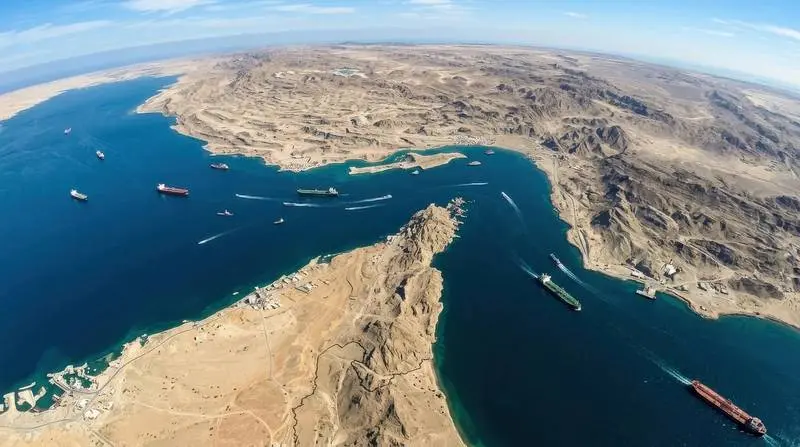
The Strait of Hormuz is a narrow waterway separating the Persian Gulf from the Gulf of Oman and the Arabian Sea. At its narrowest point, the strait is only 21 miles (33 kilometers) wide.
┌────────────────────────────────────────────────────────┐
│                      IRAN                              │
│  (Territorial Waters - Northern Shipping Lane)         │
├────────────────────────────────────────────────────────┤
│  === Proposed Joint Central Shipping Channel ===      │
├────────────────────────────────────────────────────────┤
│  (Territorial Waters - Southern Shipping Lane)         │
│                      OMAN                              │
└────────────────────────────────────────────────────────┘
Because the shipping lanes are exceptionally narrow—consisting of a two-mile-wide inbound lane, a two-mile-wide outbound lane, and a two-mile separation buffer—vessels navigating the strait must transit through the territorial waters of both Iran and Oman. This geographical reality gives both nations significant legal and military leverage over international shipping under the United Nations Convention on the Law of the Sea (UNCLOS), particularly regarding the right of "transit passage."
Global Energy and Economic Metrics
The economic consequences of the prolonged closure of the strait are unprecedented in modern history. The following metrics illustrate the scale of the disruption:
| Metric | Pre-Conflict Status (Pre-February) | Current Status |
|---|---|---|
| Daily Oil Transit | ~20.5 million barrels per day (bpd) | Near zero (highly restricted) |
| Global LNG Share | ~20% of global liquefied natural gas | Diverted or halted |
| Average Tanker Transit | ~30–40 large tankers daily | Minimal / military-escorted only |
| Shipping Route Delay | Baseline transit times | +10 to 14 days (via Africa) |
| Maritime Insurance Premiums | Standard market rates | Up to 1,000% increase (war risk) |
The diversion of oil and gas shipments has not only increased transportation costs but has also strained global refining capacity, as European and Asian markets scramble to secure alternative energy grades from West Africa, the North Sea, and the Americas.
The Mechanics of the Proposed Joint Corridor
The proposed Iran-Oman shipping corridor represents a significant departure from historical transit protocols. According to Iranian officials, the plan involves:
- Shared Jurisdictional Control: Joint monitoring of commercial vessels by Omani and Iranian maritime authorities.
- A Designated Central Channel: Restricting commercial traffic to a specific, highly regulated route through the center of the strait to minimize the risk of military friction.
- Revenue Sharing: A highly controversial proposal reported by Iran’s Revolutionary Guards, which suggests that the revenues generated from transit fees or security tariffs within the corridor would be shared between Tehran and Muscat.
Official Statements and Negotiating Positions
The diplomatic maneuvering surrounding the Strait of Hormuz is characterized by starkly contrasting positions, as reflected in recent statements from Tehran, the Islamic Revolutionary Guard Corps (IRGC), and international mediators.
Mohsen Rezaei, Secretary of the Supreme National Security Council
Speaking in an interview with Al Manar TV, Mohsen Rezaei clarified the origin of the current negotiation track, emphasizing that the initiative was prompted by external mediators:
"Iran is preparing a list of conditions for reopening the Strait of Hormuz after mediators asked Tehran to set them out. Ending the regional war is foremost among these conditions. We have reached an understanding with our Omani partners on a shipping corridor through the strait, utilizing parts of the route in Omani waters and parts in Iranian waters. If the United States meets our conditions, commercial vessels will be permitted to use a designated central channel."
The Islamic Revolutionary Guard Corps (IRGC)
While Rezaei’s statements focused on the diplomatic framework, the IRGC has adopted a more confrontational posture, linking the reopening of the waterway directly to economic and financial concessions from the United States. A spokesperson for the Guards articulated these hardline demands:
"We will not allow the Strait of Hormuz to reopen unless Washington completely lifts its illegal blockade of Iranian ports, removes all outstanding economic sanctions, and pays full financial compensation for the economic damage inflicted upon our nation."
Omani and Diplomatic Sources
In Muscat, officials have maintained a more cautious tone. A senior diplomatic source, speaking on the condition of anonymity, confirmed that while conceptual agreements have been discussed, the practicalities of the arrangement are far from settled:
"Iran and Oman are still working through the highly complex technical and legal details of any potential agreement on the waterway. While discussions regarding control and revenue sharing have occurred, no final bilateral treaty has been signed. The success of this initiative ultimately depends on the willingness of international powers to engage with the framework."
Future Outlook
The proposal for a joint Iran-Oman shipping corridor presents a high-stakes diplomatic puzzle for the international community. The coming weeks will likely determine whether the initiative leads to a stabilized maritime corridor or a further hardening of geopolitical divisions.
Scenario A: The Diplomatic Compromise
Under this scenario, the United States and its allies, facing intense domestic pressure over energy inflation and supply shortages, agree to a phased relaxation of maritime sanctions and port restrictions in exchange for the immediate opening of the proposed central channel. This would require a complex verification mechanism to ensure that Iran does not use the reopened corridor to smuggle military hardware or sanctioned goods. While this outcome would stabilize global energy markets, it would represent a significant diplomatic victory for Tehran, cementing its role as the de facto gatekeeper of the Persian Gulf.
Scenario B: Continued Stalemate and Economic Adaptation
Should Washington reject Iran’s demands for compensation and sanctions relief—a highly probable outcome given the political climate in the United States—the stalemate will persist. In this case, the Strait of Hormuz will remain closed indefinitely to standard commercial traffic.
Global energy markets would be forced to accelerate their adaptation to the "new normal." This would involve:
- Heavy investment in overland pipeline infrastructure, such as Saudi Arabia’s East-West pipeline and the United Arab Emirates’ Habshan–Fujairah pipeline, to bypass the strait entirely.
- A permanent realignment of global shipping routes, with long-term contracts favoring non-Gulf energy producers.
- Sustained higher baseline costs for shipping, insurance, and consumer goods globally.
Scenario C: Military Escalation
If international shipping coalitions attempt to force transit through the strait without Tehran’s consent, or if Iran attempts to unilaterally enforce its revenue-sharing and regulatory demands on unwilling vessels, the risk of direct military conflict increases. The IRGC’s naval forces possess significant asymmetric capabilities, including fast-attack craft, anti-ship missiles, and naval mines, which could easily disrupt any unauthorized transit attempts, potentially drawing Western naval forces into a direct confrontation.
As Oman continues its delicate mediation efforts, the international community remains on high alert. The drafting of Iran’s conditions marks the beginning of a critical phase of economic diplomacy, where the price of oil is inextricably linked to the resolution of one of the modern era’s most complex regional conflicts.