









Executive Overview
As the cost of living in major metropolitan centers and traditional coastal retirement destinations continues to scale unprecedented heights, millions of American seniors find themselves priced out of a comfortable retirement. The pursuit of financial stability without sacrificing quality of life has led retirees toward America’s heartland, where a lower cost of living intersects with rich cultural tapestries and deep-seated community values. Among the states capturing the attention of demographic experts and financial planners alike, Indiana stands out as an exceptional sanctuary for those looking to stretch their nest eggs.
Within the Hoosier State, Henry County has steadily risen through the ranks, recently earning a coveted spot on Niche’s definitive list of the top places to retire in Indiana. Situated just an hour east of Indianapolis and ninety minutes west of Dayton, Ohio, Henry County offers a rare convergence of fiscal feasibility, recreational vibrancy, and small-town camaraderie.
More than one-fifth of the county’s current population is aged 65 and older, a demographic footprint that speaks volumes about the region’s appeal to retirees. With median home values plummeting below half the national average and local rental markets significantly undercutting broader U.S. benchmarks, Henry County presents an accessible pathway to homeownership and long-term financial security. However, affordability is merely the baseline. What truly distinguishes this Midwestern enclave is its passionate embrace of athletics, rich local history, four-season climate, and a calendar packed with community-centric events that foster genuine human connection.
This comprehensive report examines the multifaceted appeal of Henry County, Indiana, analyzing economic metrics, cultural institutions, recreational infrastructure, and the overarching lifestyle it provides for the nation’s aging population.
Detailed Chronology: The Evolution of Henry County as a Retirement Destination
To understand how Henry County transformed into an attractive destination for seniors, it is essential to trace the historical, economic, and infrastructural developments that have shaped the region over the past century.
Early Foundations and Industrial Growth
Originally established in the early 19th century and named after Patrick Henry, the renowned American attorney and orator, Henry County quickly established itself as a robust agricultural and manufacturing hub. Towns like New Castle—affectionately dubbed "The Rose City" for its historical abundance of rose-growing nurseries—grew around rail lines and factories. For generations, the region’s narrative was defined by blue-collar labor, community pride, and an undeniable obsession with the game of basketball, which served as the social glue for towns across the county.
The Post-Industrial Shift and Economic Realignment
As the broader American rust belt experienced economic restructuring toward the end of the 20th century, Henry County faced the dual challenges of population stabilization and economic diversification. While manufacturing remained a foundational pillar, the local leadership recognized the region’s inherent assets: a peaceful rural landscape, high safety indices, friendly neighborhoods, and a cost-of-living structure that could easily absorb economic fluctuations.

Over the last two decades, regional planners began intentionally marketing the county’s lower cost-of-living index to retirees fleeing high-tax coastal states. By investing in local parks, preserving historic sports landmarks, and bolstering public transit infrastructure tailored to older adults, Henry County slowly cultivated an environment optimized for aging in place.
Recent Real Estate Trends and Recognition
The turning point for the county’s modern reputation occurred recently, driven by national shifts in remote work and retirement migration. While pandemic-era real estate booms strained housing markets nationwide, Henry County experienced a stabilizing correction. Over the past year, median home prices within the county have decreased, making homeownership a realistic prospect for seniors living on fixed incomes or pensions. This economic accessibility caught the eye of data-driven ranking platforms like Niche, which evaluated the county based on rigorous criteria encompassing cost of living, local amenities, weather patterns, and demographic health. Today, Henry County stands recognized not merely as a quiet rural outpost, but as a deliberate, economically sound choice for the modern American retiree.
Supporting Context & Metrics: Economics, Housing, and Demographics
A granular analysis of Henry County reveals a compelling financial case for prospective retirees. When measured against national averages, the region’s economic indicators provide a stark contrast to the financial anxiety defining retirement in major metropolitan hubs.
Housing Affordability and the Rental Market
Housing costs are traditionally the single largest expenditure for retirees. In Henry County, this burden is drastically mitigated. Current median home values in the county linger at less than half the national average, offering seniors the rare opportunity to purchase single-family homes outright or downsize without locking themselves into burdensome mortgages.
Furthermore, historical challenges regarding housing supply have begun to ease. Over the past year, median home prices have experienced a downward adjustment, creating a buyer-friendly climate. For seniors who prefer leasing over homeownership, median monthly rents in Henry County remain well below the U.S. average, freeing up discretionary income for travel, healthcare, and leisure pursuits.
Cost of Living and Everyday Expenses
Beyond housing, the overall cost of living in Indiana is lower than in over 30 other U.S. states. Groceries, utilities, and healthcare services in Henry County track favorably against national benchmarks. A key driver of this sustained financial accessibility is the abundance of free and low-cost community attractions. From public parks and historical museums to county fairs and outdoor concert series, retirees do not need to spend extravagantly to maintain an active, engaging lifestyle.
Transportation infrastructure also contributes to financial savings. While the county’s mixed rural layout is predominantly car-dependent, public transit initiatives such as the New Castle Community Transit system and the New InterUrban provide accessible, free rides across various parts of the county. This service is a vital lifeline for seniors who wish to reduce vehicle maintenance and fuel costs.
Demographic Landscape and Climate
Demographically, Henry County is well-equipped to serve an aging population. Over 20% of the county’s total population is aged 65 and older, ensuring that civic policies, healthcare networks, and social organizations are attuned to the needs of older adults.
Environmentally, the region offers a classic four-season Midwestern climate.
- Summer: Average high temperatures hover around a comfortable 85 degrees Fahrenheit in July.
- Winter: Temperatures dip to an average high of 36 degrees Fahrenheit in January, accompanied by an average annual snowfall of approximately two feet.
While occasional weather phenomena, such as tornadoes, require standard Midwestern preparedness, the distinct seasonal shifts appeal strongly to retirees who relish the crisp transition of autumn leaves, the blooming of spring, and the cozy tranquility of winter.
Official Statements and Local Perspectives
The true character of any community is best reflected through the voices of its residents, local leaders, and community organizers who shape daily life in the region.
Local officials have long championed the county’s unique balance of tranquility and accessibility. Representatives from regional economic development boards emphasize that Henry County’s strength lies in its tight-knit social fabric. "We are not trying to replicate downtown Chicago or Indianapolis," notes one local municipal administrator. "What we offer is authenticity. People know their neighbors here. When an older adult moves to Henry County, they aren’t just buying a house; they are being adopted into a community that looks out for one another."
Community centers serve as the epicenter of this social cohesion. The Henry County Senior Center, while operating on limited daily hours primarily centered around affordable, nutritious lunch offerings, receives glowing reviews from its patrons. Visitors frequently praise the facility as an indispensable anchor for social interaction. One Google Maps Local Guide succinctly described the center as a "great place for seniors to meet and play games," highlighting the organic bonds formed over cards, shared meals, and conversation.
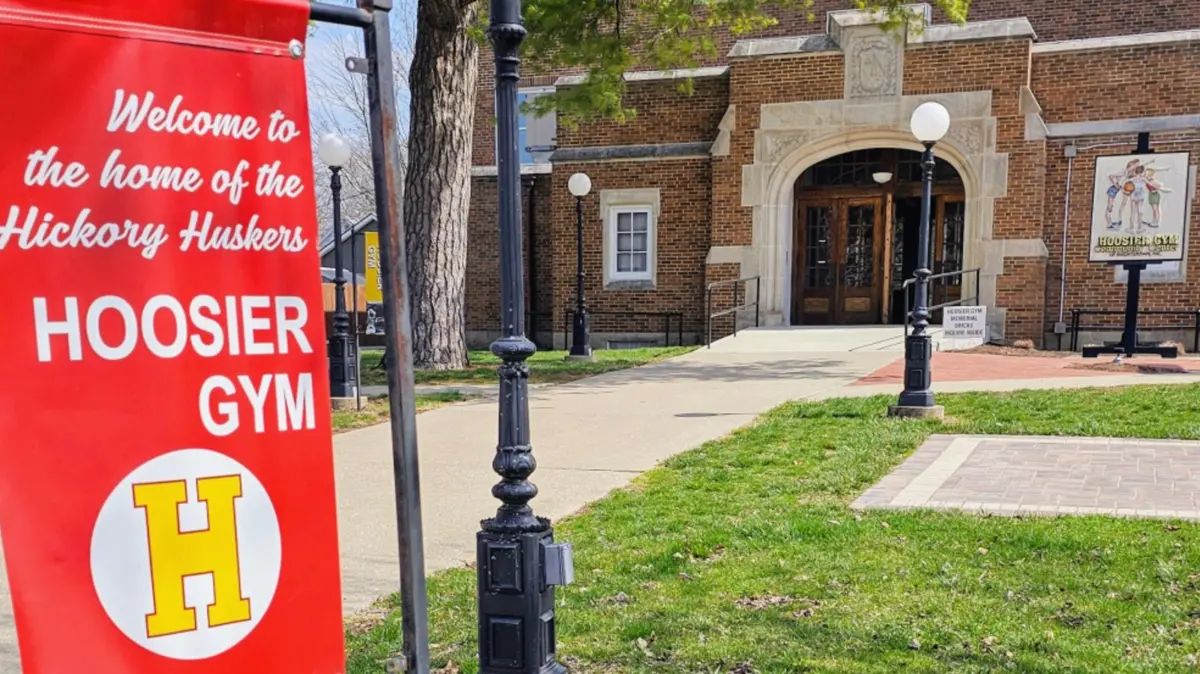
Cultural institutions and historical societies similarly echo this sentiment of welcoming stewardship. Volunteers at landmarks such as the Indiana Basketball Hall of Fame in New Castle and The Hoosier Gym in Knightstown view their work not merely as tourism management, but as the preservation of living history. "Basketball is our shared heritage," shares a long-time resident and museum docent. "When visitors come from all over the world to see where Hoosiers was filmed or to study the legacy of Larry Bird, our seniors are right there sharing stories, welcoming travelers, and feeling a profound sense of pride in our local roots."
Recreational Infrastructure: Sports, Nature, and Culture
Retirement in Henry County is defined by an active, engaging lifestyle. Whether a resident is a lifelong sports aficionado, an outdoor enthusiast, or a lover of the arts, the county offers a remarkably diverse array of recreational pursuits.
A Mecca for Basketball Enthusiasts
It is impossible to discuss Henry County without acknowledging its sacred status in the lore of American basketball. The region serves as a living museum for the sport:
- The Hoosier Gym (Knightstown): Famed globally as the principal filming location for the cinematic classic Hoosiers, this historic gymnasium allows fans to walk the very hardwood where Jimmy Chitwood practiced, tour the authentic locker rooms, and acquire treasured memorabilia.
- The Indiana Basketball Hall of Fame (New Castle): Located in "The Rose City," this premier institution celebrates the rich history of Indiana high-school basketball, featuring immersive exhibits dedicated to legends such as Larry Bird and legendary coach John Wooden.
- New Castle High School Gymnasium: As one of the largest high school gymnasiums in the world, this architectural marvel packs thousands of passionate fans into its stands each season to rally behind the New Castle Trojans, keeping community spirit fiercely alive.
- The Indiana Legends: For those seeking professional-tier competition without the hassle of driving into downtown Indianapolis, the local American Basketball Association (ABA) team provides high-energy entertainment right in the backyard.
Outdoor Recreation and Green Spaces
For seniors looking to swap indoor courts for natural vistas, Henry County delivers an impressive collection of parks, greenways, and conservation areas:
- Summit Lake State Park: A premier destination for anglers and bird-watchers alike, offering expansive water views, boating, and peaceful shoreline strolls.
- Baker Park: Equipped with traditional recreational amenities, including dedicated shuffleboard and horseshoe pits, encouraging friendly competition among peers.
- Valley View Golf Course: An immaculate 18-hole golf course built upon historical terrain that once operated as a sprawling 168-acre farm, blending sporting challenge with pastoral serenity.
- Red-tail Land Conservancy: This regional organization manages several protected nature preserves across Henry County and adjacent areas, offering well-maintained walking trails where residents can immerse themselves in native flora and fauna.
- Proximity to Natural Wonders: For a weekend getaway, residents are just a 3.5-hour drive from the tranquil lake beaches and towering dunes of the Indiana Dunes National Park, offering stunning vistas of Lake Michigan.
A Vibrant Calendar of Free Community Events
Financial prudence does not require a sacrifice of entertainment. Henry County’s calendar is replete with annual traditions and low-cost attractions that foster community bonding:
- The Henry County Veterans Museum: A solemn and inspiring tribute to local service members, offering free admission to the public.
- The Mooreland Free Fair: A beloved annual tradition celebrating agricultural heritage, community exhibits, and family-friendly entertainment at no cost of entry.
- New Castle Broad Street Cruise-Ins: Automotive enthusiasts gather regularly to showcase classic cars, share stories, and enjoy warm summer evenings downtown.
- Seasonal Festivities: Residents look forward to the Sulphur Springs Community Days, the legendary Farmer’s Pike Festival held every Labor Day Weekend, and the enchanting downtown Christmas walk in New Castle, which transforms the historic district into a winter wonderland.
- Day Trips to Indy: When urban cravings strike, a convenient 60-mile drive west brings residents to Indianapolis, where world-class dining, museums, and professional sports await. (Retirees planning a trip are encouraged to familiarize themselves with local insights, such as the unwritten rules to know before visiting Indy).
Future Outlook
As the demographic landscape of the United States shifts dramatically over the coming decades, the demand for affordable, community-oriented retirement destinations will only intensify. Henry County, Indiana, is uniquely positioned to meet this demand head-on without losing the intimate, small-town charm that defines its identity.
Looking forward, local municipal planners and regional stakeholders are focusing on sustainable growth that preserves the county’s rural heritage while upgrading essential infrastructure. Investments in healthcare access, expanded public transit routes, and senior-focused residential developments are expected to continue, ensuring that the influx of retirees is met with robust support systems.
Furthermore, the stabilization of the local housing market signals long-term economic resilience. As prospective retirees increasingly prioritize financial prudence—seeking locations where their savings will not be eroded by exorbitant property taxes or inflated cost-of-living indices—Henry County stands as a beacon of sensible planning.
Ultimately, Henry County proves that a budget-conscious retirement does not require a compromise on lifestyle. By fusing economic practicality with rich cultural traditions, a thriving sports heritage, accessible outdoor recreation, and a deeply welcoming populace, Henry County is not just a place to grow older—it is a place to truly thrive. For seniors seeking a quiet yet connected corner of mid-America to write the next chapter of their lives, the Rose City and its surrounding charm offer a golden opportunity that is hard to surpass.