



Executive Overview
With more than 200 artificial bodies of water carved into its varied terrain, Oklahoma proudly boasts the highest concentration of man-made reservoirs of any state in the United States. While the vast majority of these engineering marvels were originally conceived and constructed for critical infrastructure purposes—primarily flood control and drought insurance—many have organically evolved into vibrant hubs of recreational tourism. Among these, Lake Stanley Draper stands out as a premier destination for outdoor enthusiasts seeking an accessible yet immersive wilderness experience.
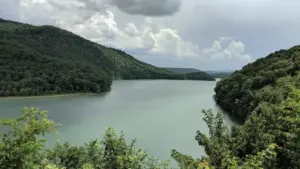
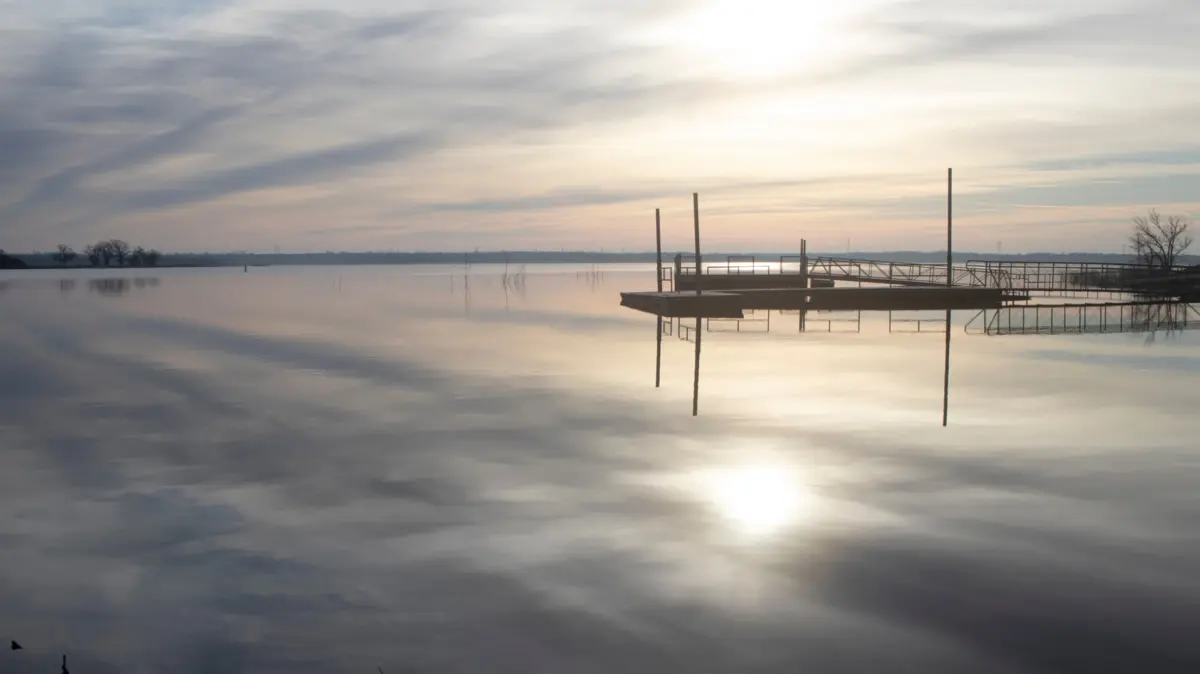
Located a mere 20-minute drive southeast of downtown Oklahoma City, Lake Stanley Draper offers a sweeping aquatic and terrestrial playground spanning nearly 3,000 acres of open water and fringed by a rugged 32-mile shoreline. Established in 1962, the reservoir serves as both a functional component of the region’s municipal water pipeline network and a cherished sanctuary for boaters, anglers, campers, mountain bikers, and off-road vehicle enthusiasts. Far from being a simple utility basin, the lake provides a picturesque backdrop characterized by rolling cross-timbers, dynamic wildlife habitats, and ample elbow room for visitors looking to disconnect from urban life without traveling deep into the backcountry.
This comprehensive report examines the history, recreational infrastructure, ecological profile, and future outlook of Lake Stanley Draper. Through an analysis of its development, management, and visitor amenities, this feature offers an authoritative guide for travelers and outdoor adventurers exploring central Oklahoma.
Detailed Chronology and Historical Development
The origin of Lake Stanley Draper is deeply intertwined with the rapid post-World War II expansion and modernization of Oklahoma City. As the municipality experienced sustained demographic growth throughout the 1940s and 1950s, civic leaders recognized that the region’s natural water supply would be inadequate to support a burgeoning urban center, particularly during cyclical droughts.
The Vision of "Mr. Chamber of Commerce"
Planning for the reservoir intensified during the late 1950s as part of a broader municipal effort to secure long-term water storage and pipeline integration. Formally completed in 1962, the lake and its surrounding infrastructure were named in honor of Stanley Carlisle Draper, a towering figure in Oklahoma civic history.
Draper served as the long-time executive manager of the Oklahoma City Chamber of Commerce, earning the moniker "Mr. Chamber of Commerce" for his tireless efforts to future-proof the city. During his tenure, Draper championed numerous transformative public works projects, including the development of Tinker Air Force Base, the expansion of the city’s park system, and the acquisition of regional water rights. Naming the reservoir in his honor recognized his foundational contributions to regional urban planning and resource management.
Evolution from Utility to Recreation
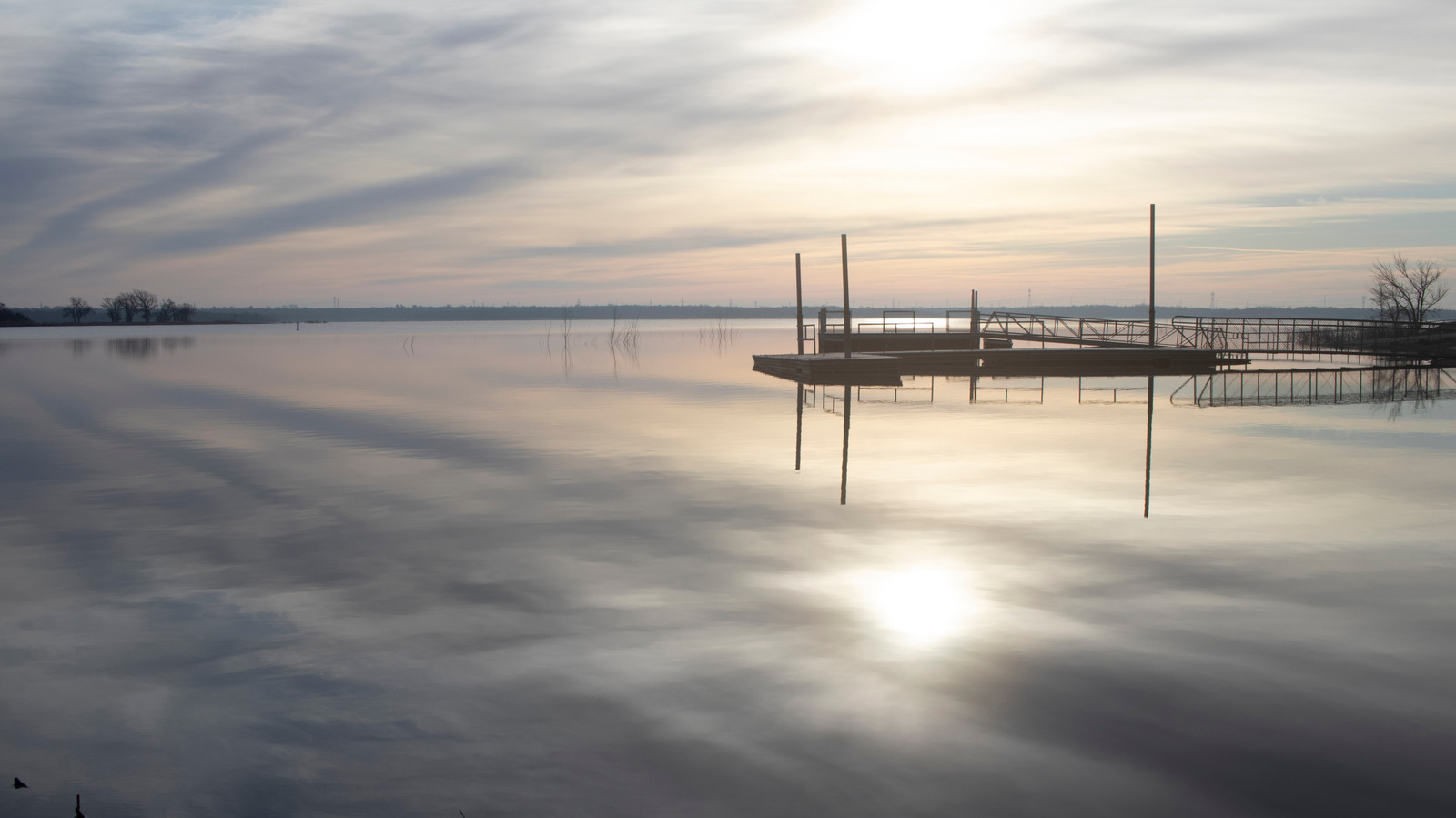
Initially designed primarily for industrial and municipal water integration, Lake Stanley Draper quickly drew the attention of local anglers and boaters. Recognizing the public demand for accessible water-based recreation, the city and state wildlife departments gradually integrated public access points, boat ramps, and primitive camping zones into the reservoir’s master plan. Over the decades, the surrounding land evolved from a simple utility buffer zone into a multi-use recreational area, featuring dedicated trails for mountain biking, equestrian use, and motorized off-road sports, solidifying its status as an indispensable asset for central Oklahoma.
Supporting Context, Infrastructure, and Metrics
Understanding the physical and operational scope of Lake Stanley Draper requires a close look at its key metrics, infrastructure, and the specific rules governing its use.
Aquatic and Shoreline Specifications
- Surface Area: Approximately 3,000 acres of open water.
- Shoreline Length: 32 miles of varied terrain, featuring sandy patches, rocky outcroppings, and wooded coves.
- Water Access: Four well-maintained concrete boat ramps situated strategically around the reservoir to facilitate seamless watercraft deployment.
- Fishing Infrastructure: Six dedicated fishing piers positioned along the shoreline, alongside extensive opportunities for boat-based angling.
Camping and Overnight Accommodations
For visitors wishing to extend their stay beyond a single day, Lake Stanley Draper offers a rustic, budget-friendly primitive campground located on the southwest side of the reservoir.
- Operating Season: Typically open to the public from April 1 through mid-November.
- Permits and Fees: Campers must obtain a permit from the lake marina prior to occupying a site. At the time of writing, primitive camping permits are economically priced at $8 per night.
- Site Capacity: Each site accommodates up to eight individuals, limited to a combination of either two tents or one recreational vehicle (RV) and one tent, alongside a strict limit of two parked vehicles per site.
- Amenities: True to its primitive classification, the campground offers basic essentials, including potable drinking water and portable sanitation facilities (portapotties). Utility hookups for RVs are not available, encouraging campers to embrace a back-to-basics wilderness experience.
Boating, Water Sports, and Regulations
Lake Stanley Draper accommodates a diverse array of watercraft, ranging from motorized speedboats and jet skis to human-powered paddlecraft.
- Marina Services: The Lake Stanley Draper Marina serves as the central hub for permits, equipment rentals, and supplies. Visitors can rent kayaks on an hourly or daily basis, as well as inflatable rowing craft. Instruction is available for novice paddlers.
- Zoning Rules: While high-speed activities such as water-skiing, sailing, and jet skiing are permitted across the main body of the lake, strict "no-ski" zones are enforced within the coves to ensure the safety of swimmers, kayakers, and shore-bound anglers.
- Swimming Restrictions: A critical safety distinction at Lake Stanley Draper is that swimming is strictly prohibited. Visitors must confine their water activities to boating, paddling, and fishing.
Angling Profile
The reservoir is renowned among regional anglers for its rich biodiversity. Stocked and naturally reproducing populations thrive in the lake’s diverse underwater structure. Species commonly pulled from the water include:
- Catfish: Channel catfish and flathead catfish.
- Bass: Largemouth bass and spotted bass.
- Panfish and Others: White crappie, green sunfish, redear sunfish, walleye, and common carp.
Terrestrial Recreation: Trails, Equestrian Routes, and ORV Parks
Beyond its aquatic appeal, Lake Stanley Draper features an extensive network of terrestrial trails catering to non-motorized and motorized outdoor adventurers alike.
The Multi-Use Perimeter Bike Path
Cycling enthusiasts regard the perimeter trail system as a premier regional asset. Encircling the lake, the primary bike path presents a challenging 13.7-mile journey characterized by a notable 754 feet of elevation gain. The trail weaves through dense stands of trees, alongside open meadows of colorful wildflowers, and past active wildlife habitats.
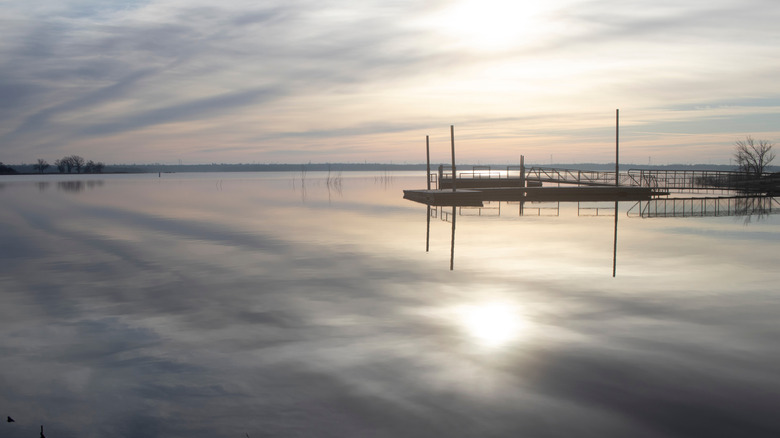
With bikepacking rising sharply in popularity across the United States, the trail offers a seamless itinerary: cyclists can complete the demanding loop and transition directly into the lakeside campground for an overnight stay. Late-afternoon and sunset rides are particularly popular, as the changing light casts vivid reflections across the reservoir’s surface.
Equestrian Exploration
Horseback riders are well-catered to on the northern shore, where a dedicated 7.7-mile equestrian loop trail winds through the landscape. Featuring an elevation gain of 272 feet, the path guides riders through deeply shaded woodland sections and sun-drenched lakeside clearings, offering frequent opportunities to observe local wildlife, including small mammals like opossums and raccoons.
Crosstimbers ORV Park
For motorized sports enthusiasts, the southwest sector of the lake area houses the Crosstimbers Off-Road Vehicle (ORV) Park. Spanning an impressive 55 miles of dedicated dirt tracks, the park caters to riders of all skill levels. From technical, obstacle-heavy routes designed for seasoned dirt bike and ATV riders to gentle, beginner-friendly tracks, the park provides a controlled, legal environment for off-road recreation in central Oklahoma.
Official Statements and Management Perspectives
Management of Lake Stanley Draper falls under the purview of Oklahoma City Parks and Recreation, in coordination with state wildlife and environmental agencies. Municipal authorities consistently emphasize the dual mandate of the reservoir: safeguarding the city’s water infrastructure while providing high-quality, low-impact outdoor recreation for the public.
In public safety and recreational guidelines, city officials stress the importance of regulatory compliance—particularly regarding the prohibition of swimming and the necessity of securing proper permits for camping, boating, and off-road vehicle use. Park management regularly reviews trail maintenance protocols, especially following severe weather events common to the region, to ensure that mountain bike paths, equestrian tracks, and ORV routes remain safe and sustainable.
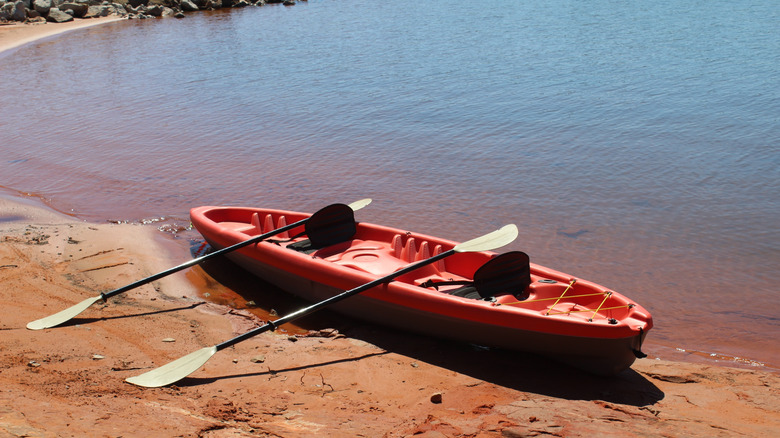
Environmental stewards also underscore the importance of Leave No Trace principles within the primitive camping zones and along the 32-mile shoreline. As urban encroachment slowly edges closer to the outer boundaries of the reservoir, municipal planners view Lake Stanley Draper as an increasingly vital green buffer that preserves regional biodiversity and natural watershed integrity.
Future Outlook
Looking ahead, Lake Stanley Draper is poised to maintain its status as an essential recreational anchor for the greater Oklahoma City metropolitan area. As regional interest in dispersed camping, bikepacking, and accessible outdoor recreation continues to grow, municipal authorities are exploring targeted enhancements to existing infrastructure without compromising the rustic charm of the site.
Future considerations include potential upgrades to trail wayfinding systems, enhanced erosion control measures along vulnerable shoreline segments, and expanded educational programs centered on local fisheries management and wildlife conservation. Furthermore, as regional tourism initiatives promote central Oklahoma as a diverse destination—highlighting nearby cultural hubs and quaint neighboring communities like Prague—Lake Stanley Draper will undoubtedly attract a new generation of travelers seeking natural beauty just minutes from the city limits.
Whether viewed through the lens of municipal engineering history, ecological preservation, or weekend recreation, Lake Stanley Draper remains a testament to Oklahoma’s unique landscape: a harmonious fusion of human utility and natural splendor.