







Executive Overview
When travelers think of Missouri’s premier urban destinations, Kansas City and St. Louis typically dominate the conversation, eclipsing the state’s third-largest city, Springfield. Affectionately known as the "Queen City of the Ozarks," Springfield has long stood in the cultural and touristic shadow of its larger metropolitan neighbors. Yet, beneath its unassuming surface lies a vibrant cultural tapestry characterized by eclectic local flavors, a thriving arts scene, and an unexpected wealth of outdoor recreational opportunities.
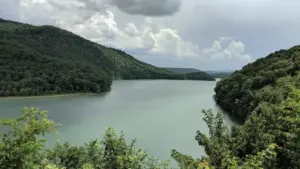
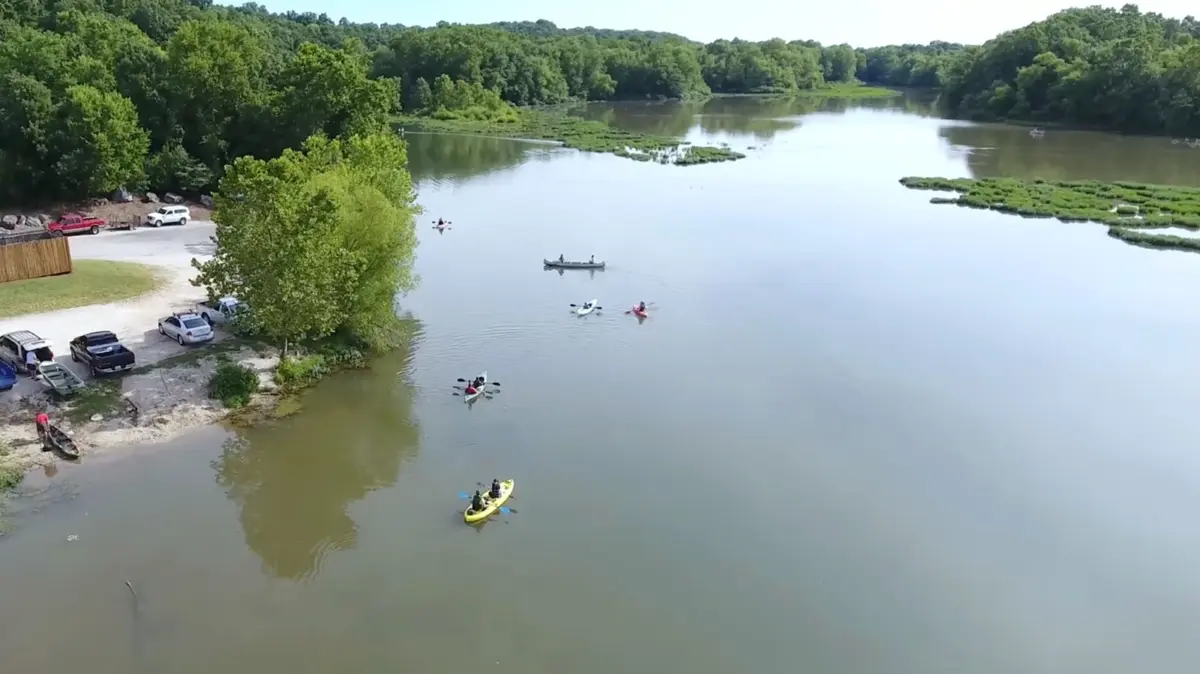
At the epicentre of this natural bounty is Lake Springfield Park and Boathouse. Spanning nearly 160 acres of rolling hills, dense woodlands, and more than a mile of picturesque shoreline, this sprawling municipal green space serves as a vital ecological and recreational sanctuary. Originally forged in the 1950s as an industrial cooling reservoir for the James River Power Plant, the man-made lake has undergone a profound metamorphosis. Today, it functions as a pristine aquatic playground and terrestrial haven, offering everything from premier freshwater fishing and seasonal paddling to miles of immersive hiking trails.
Located less than ten miles southeast of Park Central Square—Springfield’s historic and geographic heart—the park provides a seamless escape from the hum of urban life. Positioned within comfortable driving distance of major Midwestern hubs and supported by the nearby Springfield-Branson National Airport (SGF), Lake Springfield Park represents an increasingly accessible, highly affordable, and wildly underrated destination for eco-tourists, anglers, hikers, and weekend explorers alike.
Detailed Chronology and Historical Evolution
To truly appreciate the ecological and recreational value of Lake Springfield Park, one must trace its origins back to the mid-20th-century industrial expansion of Southwest Missouri.
The Mid-Century Industrial Genesis (1950s)
The story of Lake Springfield is fundamentally intertwined with the region’s energy needs. In the early 1950s, local utility authorities sought a reliable water source to facilitate the cooling operations of the newly constructed James River Power Plant. By damming the waterways, engineers created a sprawling 318-acre reservoir. For decades, the lake’s primary utility was strictly industrial—a mechanical asset designed to support the energetic growth of a rapidly modernizing Springfield.
The Shift Toward Public Stewardship and Conservation (Late 20th Century)
As industrial practices evolved and the energy needs of the city shifted, the ecological potential of the reservoir and its surrounding acreage became increasingly apparent to local conservationists and city planners. Recognizing the inherent beauty of the rolling Ozark terrain, the municipality, alongside local parks boards, initiated a visionary transition. The land flanking the industrial reservoir was systematically transformed into a public park. The focus pivoted away from heavy industry toward environmental preservation, wildlife management, and outdoor recreation.
The Modern Recreational Era (2000s–Present)
In the 21st century, Lake Springfield Park and Boathouse has evolved into a cornerstone of the Springfield-Greene County Park Board’s green infrastructure. Investments in trail connectivity—such as the integration of the James River Greenway and the Greater Ozarks Audubon Trail—have turned the area into a premier destination for hikers, birdwatchers, and nature photographers. Today, the park stands as a testament to successful post-industrial reclamation, where nature has reclaimed an engineered landscape to create a thriving public sanctuary.
Supporting Context & Metrics
Understanding the operational, geographical, and ecological dimensions of Lake Springfield Park requires an examination of the hard data governing the site.
Geographical and Logistical Metrics
- Total Park Acreage: Approximately 160 acres of protected public land.
- Water Body Size: A 318-acre reservoir offering extensive waterfront access.
- Shoreline Length: Over one mile of accessible, scenic lake shoreline.
- Proximity to City Center: Less than 10 miles southeast of Park Central Square (a standard 20-minute drive via local thoroughfares).
- Regional Distance Context:
- St. Louis, MO: 223 miles northeast (~3.5 hours by car).
- Kansas City, MO: 175 miles northwest (~3 hours by car).
- Springfield-Branson National Airport (SGF): Less than a 30-minute drive, featuring non-stop flights from 15 major U.S. cities.
Recreational and Ecological Metrics
- Aquatic Species Diversity: Dozens of documented fish species, with primary populations including largemouth bass, channel catfish, bluegill, crappie, and carp.
- Trail Network Breakdown:
- James River Greenway: The sole paved pathway of the primary network; relatively flat past the initial 300 yards, providing direct access to the boathouse and prime fishing access.
- Greater Ozarks Audubon Trail: A rugged, 2.5-mile wood-chip path winding through dense forests and open prairies, culminating in a panoramic lake overlook.
- Lake Springfield Park Trail: A connecting pathway featuring a manageable wood-chip surface linking the Greenway and Audubon trails.
- Paddling Infrastructure: Seasonal kayak and canoe rentals (single and tandem) operating from May through August, weather permitting, providing access to the 6-mile James River Water Trail.
Official Statements and Expert Insights
City planners, local conservation groups, and park administrators have long championed Lake Springfield Park as a vital component of the region’s ecological health and economic attractiveness.
According to municipal tourism and parks board representatives, the park plays a crucial dual role: it serves as an environmental classroom for residents while bolstering Springfield’s growing reputation as an affordable, outdoor-friendly destination for remote workers and digital nomads. Recent designations highlighting Springfield as one of the most affordable cities in America have brought renewed attention to its green spaces.
Local angling associations and community leaders frequently emphasize the exceptional quality of the park’s fishery. Conservation advocates note that the convergence of river ecosystems and the sheltered reservoir creates a unique microclimate capable of sustaining diverse wildlife populations, ranging from native waterfowl to seasonal migratory bald eagles during the crisp winter months.
Park administration guidelines consistently stress the importance of sustainable recreation. Officials urge visitors to respect seasonal rental windows, adhere to water-safety protocols, and utilize designated community networks—such as local angling forums and official park boards—to stay informed about fluctuating water conditions and conservation initiatives.
Future Outlook
As Springfield, Missouri continues to experience steady demographic growth and economic diversification, the strategic importance of Lake Springfield Park is poised to expand exponentially.
Urban planners anticipate that as surrounding communities—such as the rapidly developing city of Republic—expand their own parks and recreational infrastructure, regional tourism corridors will increasingly link these natural assets. Future initiatives are expected to focus on enhancing trail connectivity, improving ADA accessibility across the park’s diverse terrain, and expanding educational programming focused on Ozark biodiversity and watershed conservation.
Furthermore, as remote work trends persist, mid-tier Midwestern cities offering an exceptional balance of urban amenities and pristine wilderness—exemplified by Springfield and its crown jewel, Lake Springfield Park—will likely attract a new wave of permanent residents and eco-conscious travelers. By balancing active outdoor recreation with rigorous environmental stewardship, Lake Springfield Park is well-positioned to remain a cherished sanctuary for generations to come, proving definitively that the "Queen City of the Ozarks" offers far more than meets the eye.