






Executive Overview
When the conversation turns to Nevada, the collective global imagination is instantly captured by a predictable litany of sensory overload: the neon-drenched canyons of the Las Vegas Strip, the ceaseless clatter of high-stakes slot machines, high-octane entertainment, and the relentless, fast-paced rhythm of a desert metropolis built on spectacle. Yet, this cinematic caricature of the Silver State tells only half the story. Far removed from the synthetic glamour of Southern Nevada lies an expansive, high-desert wilderness defined by pristine silence, rugged topography, and untamed ecosystems.
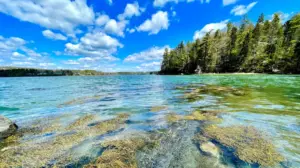
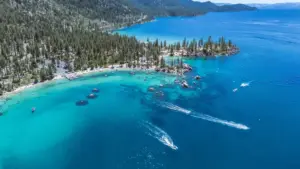
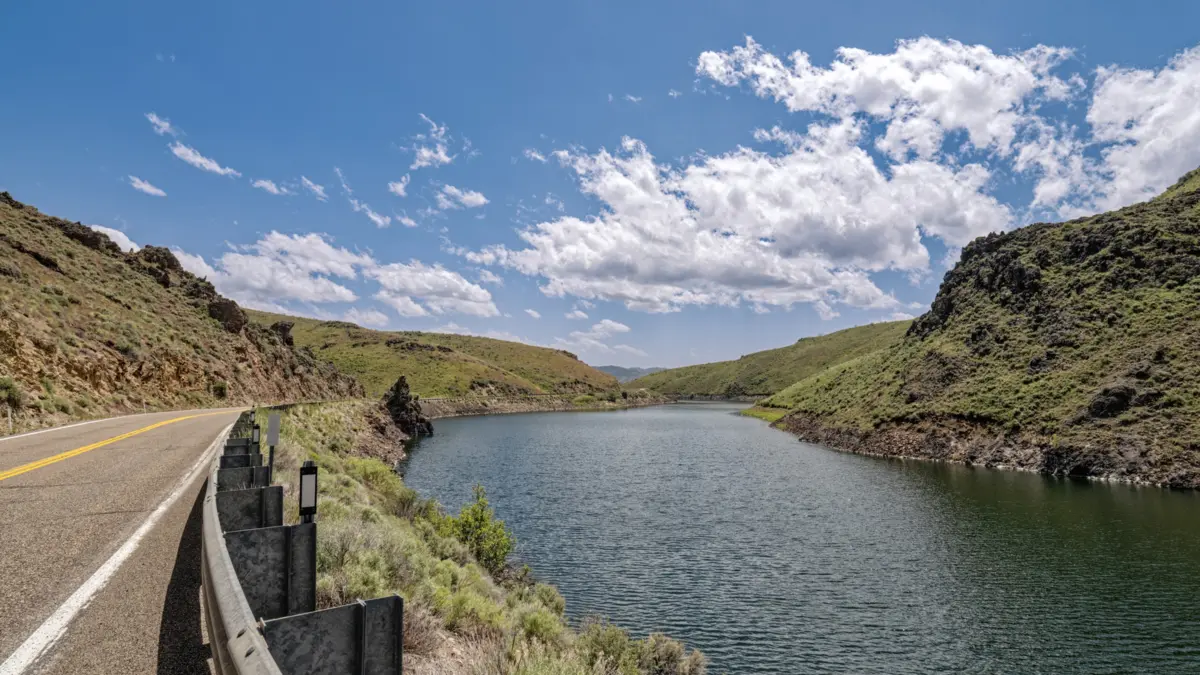
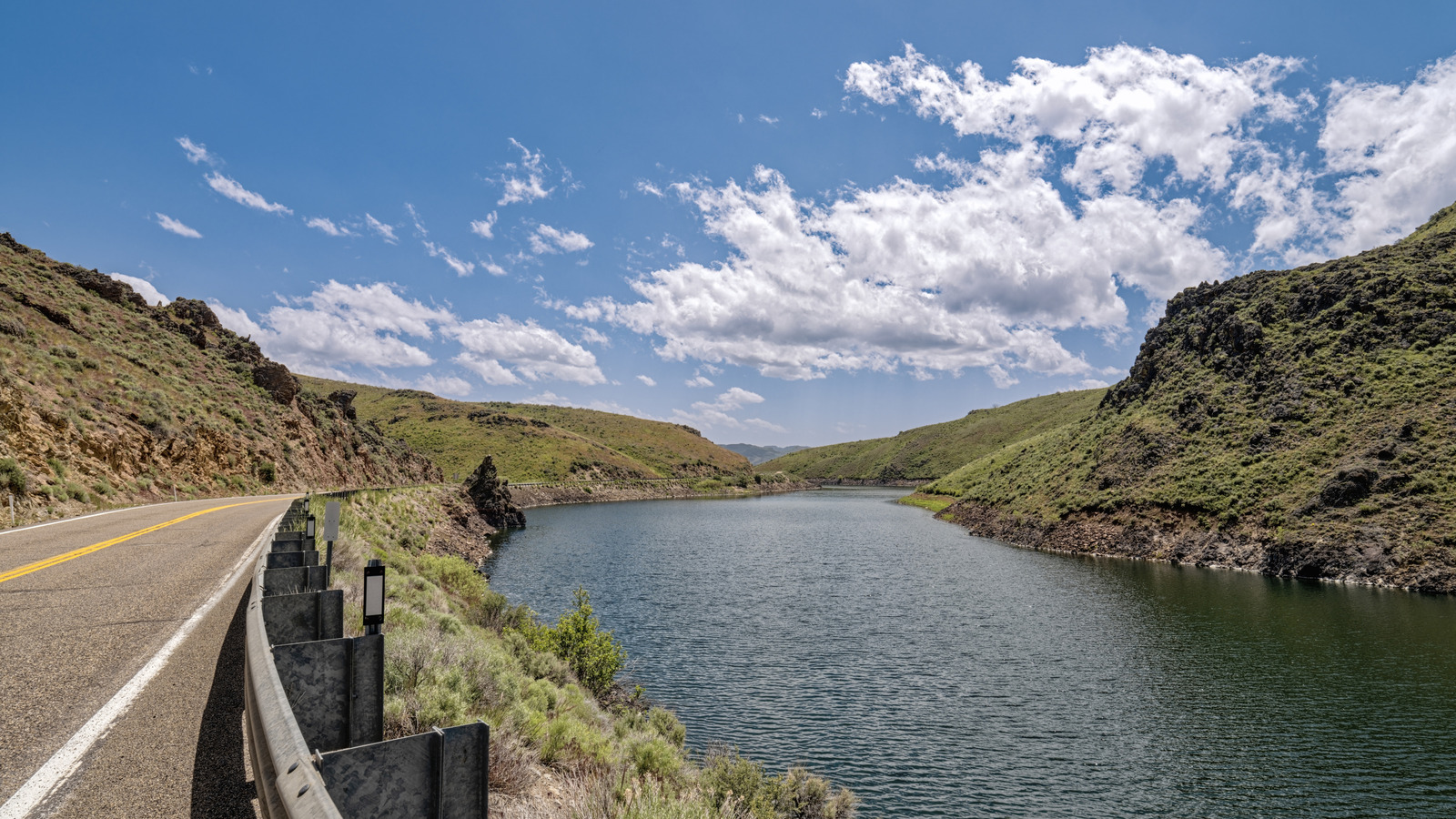
Tucked into a deeply secluded pocket of northeastern Nevada, roughly 67 miles north of Elko and a stone’s throw from the Idaho border, sits the Wild Horse State Recreation Area. Officially described by the Nevada State Parks division as "remote and remarkable," this protected public land offers a profound counter-narrative to the state’s urban identity. Centered around the glittering expanse of the Wild Horse Reservoir, the park serves as an alpine-desert sanctuary where visitors can pitch their tents mere steps from the water’s edge while being bracketed by dramatic, snow-dusted mountain ranges.
While the park remains a cherished secret among regional outdoorsmen, its unique mix of historical roots, diverse wildlife populations, and rustic recreational infrastructure makes it a compelling destination for travelers seeking genuine solitude. However, experiencing this remote oasis requires careful preparation. Navigating seasonal environmental shifts, such as current low water levels and algae advisories, alongside the logistics of reaching an area hours away from major metropolitan hubs, demands a deliberate approach. This report provides an authoritative, deep-dive examination of Wild Horse State Recreation Area, analyzing its historical genesis, ecological dynamics, recreational offerings, and future outlook as a premier destination for off-the-grid adventure.
Detailed Chronology: From Historic Toll Roads to a Civilian Conservation Corps Reservoir
To truly understand the landscape of the Wild Horse State Recreation Area, one must look backward through time to trace the engineering and environmental history that forged the modern reservoir. The geographical basin that now cradles the 2,830-acre artificial lake was not always an aquatic refuge. Originally, the valley floor supported critical transit corridors through the high-desert terrain of Elko County, featuring a historic toll road that facilitated freight hauling, cattle drives, and pioneer movement across northeastern Nevada’s demanding topography.
The pivotal transformation of this geography occurred during the turbulent economic landscape of the 1930s. In an effort to provide employment and stimulate regional infrastructure development during the Great Depression, the federal government deployed the Civilian Conservation Corps (CCC)—a voluntary public work relief program—to the American West. Recognizing the agricultural and hydrological needs of the region, the CCC engineered and executed the damming of the Owyhee River. This monumental construction project deliberately flooded the historic toll road, replacing terrestrial transit routes with a sprawling man-made water storage basin designed to support local ranching and irrigation needs.
True to its evocative moniker, the reservoir and the subsequent recreation area draw their name from the bands of wild mustangs that historically roamed—and continue to inhabit—the surrounding uplands. While modern visitors may not find herds grazing directly within the managed boundaries of the state park, patient observers scanning the distant, undulating foothills with binoculars are frequently rewarded with sightings of these resilient equids.
Over the decades following its construction by the CCC, the area transitioned from a purely utilitarian hydrological resource into a designated state recreation area. Managed under the umbrella of Nevada State Parks, the site has evolved to balance conservation with public access, establishing formalized campgrounds, boat ramps, and day-use facilities while striving to protect the fragile high-desert and aquatic ecosystems that thrive in the shadow of the Independence and Jarbidge mountain ranges.
Supporting Context & Metrics: Geography, Ecology, and Environmental Realities
Topographical and Geographical Metrics
Wild Horse State Recreation Area occupies a distinct ecological transition zone in the Great Basin and surrounding mountain systems of Elko County, Nevada. Situated at an elevated baseline that significantly tempers the scorching summer temperatures typical of southern desert regions, the park boasts crisp mountain air and dramatic diurnal temperature shifts.
The physical dimensions of the recreation area are anchored by the following key data points:
- Reservoir Surface Area: Approximately 2,830 acres at full pool capacity, providing ample surface area for boating, kayaking, and aquatic recreation.
- Proximity to Urban Centers: Located 67 miles north of Elko, Nevada; approximately a 3.5-driving-hour journey from Ruth International Airport (ELY) in Ely, Nevada; and roughly a 5-hour road trip originating from Reno, Nevada.
- Surrounding Mountain Ranges: The park is dramatically framed to the west by the Independence and Wild Horse Mountains, and to the east by the rugged Jarbidge Mountains, many of whose peaks retain snowpack well into the summer months.
- Campground Infrastructure: Wild Horse Campground features 34 individual campsites distributed across two distinct loops, complemented by auxiliary amenities including modern restrooms, hot showers, seasonal water faucets, a dump station, and three fully furnished rental cabins.
Ecological Diversity and Wildlife Dynamics
Despite its artificial origins, the Wild Horse Reservoir ecosystem supports a remarkably diverse array of flora and fauna, functioning as an ecological magnet in an otherwise arid expanse. The perimeter of the lake and the adjacent public lands provide critical habitat for both resident and migratory species.
Avian enthusiasts frequently report rich birdwatching opportunities, including sightings of American white pelicans gracefully skimming the water’s surface, alongside various waterfowl and raptors. Mammalian wildlife is similarly abundant; park rangers and visitors routinely spot mule deer, pronghorn antelope gracefully traversing the sagebrush flats, stealthy coyotes, red foxes, and occasionally towering elk moving through the higher timbered elevations.
Botanically, the recreation area transforms dramatically with the seasons. Spring and early summer trigger a vivid wildflower bloom, blanketing the meadows and hillsides in a colorful mosaic of native grasses, paintbrush, lupine, and bitterroot. This juxtaposition of alpine peaks reflecting off glassy water, framed by fields of vibrant wildflowers, establishes Wild Horse as a premier canvas for landscape and wildlife photography.
Current Environmental Conditions: Managing Algae and Water Levels
Any comprehensive assessment of Wild Horse State Recreation Area must address current environmental pressures affecting the reservoir. In recent seasons, the combination of cyclical drought conditions, reduced winter snowpack, and elevated summer ambient temperatures has resulted in significantly depressed water levels across the basin.
These fluctuating hydrological conditions have catalyzed ecological stress within the aquatic environment, most notably the emergence of harmful algae blooms (HABs). Historically celebrated by the regional angling community as a "fisherman’s paradise" renowned for trophy-sized rainbow trout—as well as healthy populations of largemouth bass, channel catfish, and aggressive wipers—the lake currently requires heightened vigilance from visitors.
State resource managers and park staff continuously monitor water quality metrics. When environmental triggers foster toxic or nuisance algae proliferation, official advisories are issued to caution the public against direct water contact, swimming, or consuming fish exhibiting compromised health. While these environmental headwinds temporarily constrain direct water-based recreation, the park administration emphasizes that the broader landscape remains fully accessible for terrestrial exploration, scenic drives, hiking, and wildlife observation.
Official Statements and Administrative Insights
The management of a remote, high-altitude park like Wild Horse requires a delicate equilibrium between promoting public recreation and stewarding vulnerable natural resources. Representatives from Nevada State Parks continually emphasize the unique character of the property, characterizing it as an essential sanctuary for travelers willing to venture off the beaten path.
In official park literature and interpretive guidelines, Nevada State Parks highlights the stark contrast that Wild Horse provides against the state’s hyper-commercialized tourist hubs:
"Remote and remarkable, Wild Horse State Recreation Area offers visitors an immersive high-desert mountain experience where the rhythm of nature dictates the day. Whether you are seeking quiet reflection by the water’s edge or a basecamp for exploring the rugged peaks of Elko County, this park represents the authentic, untamed spirit of the Silver State."
Administrative communications also place a strong emphasis on visitor preparedness and safety, particularly given the park’s isolated geographic coordinates. With emergency services situated a considerable distance away in Elko, park officials routinely urge campers and day-trippers to practice self-reliance: verifying weather forecasts, securing adequate provisions, packing out all waste, and respecting seasonal fire restrictions.
Regarding ongoing facility upgrades, park management has maintained transparency regarding infrastructure projects. Notably, phased maintenance initiatives—such as the scheduled temporary closure of Campground Loop 2 for comprehensive improvement projects running through the summer of 2026—are communicated well in advance to ensure visitors can plan their overnight stays around available inventory on Loop 1 or within the park’s furnished cabins.
Future Outlook: Preservation, Tourism Trends, and Regional Synergy
As the broader travel industry experiences a sustained post-pandemic surge in demand for outdoor recreation, national parks and state reserves across the American West are grappling with the dual challenges of increased visitation and environmental preservation. For Wild Horse State Recreation Area, the future outlook is defined by a commitment to sustainable tourism, infrastructure modernization, and regional economic integration with northeastern Nevada’s unique cultural corridor.
Infrastructure Resilience and Upgrades
Looking ahead, the strategic capital investments being poured into Wild Horse Campground—exemplified by the multi-year enhancements slated for completion mid-decade—signal a proactive administrative stance toward aging infrastructure. By modernizing campsite pads, upgrading sanitation and water delivery systems, and maintaining the structural integrity of the park’s rental cabins, Nevada State Parks is positioning the recreation area to accommodate a growing demographic of modern campers, van-lifers, and overlanders seeking rugged experiences without sacrificing basic hygienic comforts.
Navigating Climate and Hydrological Variability
The long-term ecological viability of the Wild Horse Reservoir will undeniably depend on regional climatic trends. As the Intermountain West navigates shifting precipitation patterns and warming temperatures, resource managers anticipate more frequent management interventions regarding water allocation and algae mitigation. Future scientific monitoring will likely incorporate advanced remote-sensing tools to track water temperature, dissolved oxygen levels, and nutrient loading, ensuring swift public health notifications and safeguarding the endemic fisheries that sustain the park’s recreational appeal.
Synergistic Regional Tourism: Connecting to Elko and the Cowboy Corridor
A visit to Wild Horse State Recreation Area rarely exists in a vacuum; rather, it functions as the anchor point for a broader cultural and geographical exploration of rural Nevada. Travel industry analysts note a rising trend in experiential road-tripping, with vacationers increasingly eager to pair wilderness immersion with authentic local heritage.
Upon concluding a stay at Wild Horse Campground, travelers are uniquely positioned to drive south into Elko—widely celebrated as Nevada’s premier "friendly Wild West city." Here, visitors can seamlessly transition from alpine solitude to vibrant cultural immersion by:
- Savoring world-class, family-style Basque cuisine at historic local establishments, paying homage to the region’s rich immigrant heritage.
- Touring downtown Elko to admire striking street murals and public art installations that celebrate western folklore.
- Engaging with the deep-rooted cowboy culture that defines the Great Basin, visiting local saddle makers, outfitters, and cultural centers dedicated to preserving ranching traditions.
- Utilizing the journey back toward Reno or points west to explore the legendary "Cowboy Corridor" (U.S. Route 40 / Interstate 80), stopping at historic mining towns, hot springs, and geologic wonders that punctuate the northern Nevada landscape.
Conclusion
Wild Horse State Recreation Area stands as a testament to the multifaceted identity of Nevada. Far beyond the dazzling synthetic horizons of its urban centers lies a landscape of staggering geographic beauty, quiet resilience, and profound historical depth. Whether viewed through the lens of its CCC-engineered origins, its vibrant high-desert ecology, or its role as a tranquil sanctuary for campers and anglers alike, Wild Horse offers an indispensable blueprint for authentic outdoor exploration. As the park navigates modern environmental and infrastructural challenges, it remains a luminous, snow-framed jewel in the Silver State’s crown—waiting patiently for those wise enough to look beyond the neon.