







Executive Overview
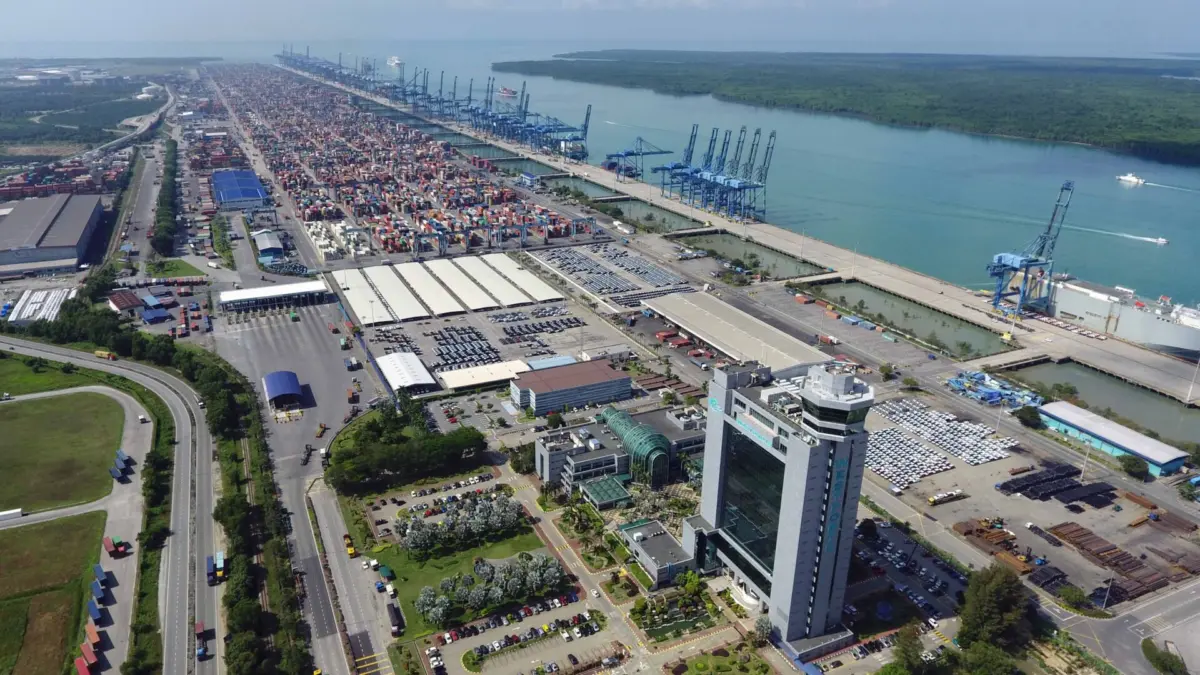
Western Australia has officially entered a critical phase in its long-term economic and logistics evolution. Planning has formally commenced for a comprehensive suite of freight rail upgrades and a vital new grade separation project in Perth’s southern metropolitan corridor. These initiatives are designed to lay the foundational infrastructure necessary to support the future Westport container terminal in Kwinana—a mega-project poised to redefine the state’s international trade capabilities for generations.
To spearhead this complex developmental phase, a premier engineering consortium comprising Arup Australia Projects Pty Ltd and WSP Australia Pty Ltd has been appointed. This powerhouse partnership will collaborate directly with Main Roads WA and the Public Transport Authority (PTA) as an integrated project team. Together, they will navigate the intricate engineering, environmental, and regulatory hurdles required to transform a visionary regional shipping concept into an operational reality.
At the core of this initiative is a dual mandate: future-proofing Western Australia’s supply chain resilience and dramatically shifting freight haulage from tarmac to track. By preparing the rail network for the eventual transfer of container operations from Fremantle to Kwinana, federal and state authorities aim to alleviate severe traffic congestion, slash carbon emissions, improve road safety, and accommodate the exponential growth of Western Australia’s import and export markets.
Backed by an initial joint funding allocation of A$67 million (approximately $47 million USD) from the Australian and Western Australian governments, this preliminary planning and development phase encompasses detailed reference designs, comprehensive geotechnical and environmental investigations, and crucial regulatory approvals. As the state government prepares to launch community consultations later this year, the groundwork is quite literally being laid for a smarter, safer, and infinitely more efficient national supply chain.
Detailed Chronology & Project Scope: Engineering the Corridor to Kwinana
The path toward the Westport container terminal has been marked by strategic, methodical steps. The appointment of the Arup-WSP consortium represents a major milestone in the pre-construction timeline, moving the initiative from conceptual master-planning into tangible corridor engineering.
The scope of work entrusted to the integrated project team is both vast and technically demanding. It focuses heavily on upgrading, duplicating, and streamlining critical rail arteries across the southern and eastern sectors of the Perth metropolitan area.
1. The New Kwinana Freight Rail Connection
The cornerstone of the immediate planning program is the design and routing of a brand-new freight rail connection. This vital link will seamlessly bridge the future Westport terminal with the existing heavy rail network east of Rockingham Road. By creating a high-capacity, direct conduit from the port gates to the broader interstate and intrastate rail grids, planners ensure that containers can be loaded directly onto trains at the dockside, bypassing local road networks entirely.
2. Rail Duplication: Kwinana to Cockburn
To prevent logistical bottlenecks along the corridor, the program will rigorously assess the duplication of an approximately 8-kilometre section of single-track freight rail. Stretching between Kwinana and Cockburn—particularly in the vicinity of Beeliar Drive—this duplication will double the throughput capacity of the line. Furthermore, this phase will see the targeted removal of several existing level crossings, a move designed to eliminate dangerous intersections between heavy freight trains and suburban commuter traffic.
3. Kewdale Track Duplication
Recognising that network efficiency relies on seamless connectivity far beyond the port gates, the project also incorporates a strategic short-section single-track duplication in Kewdale. This crucial logistics hub acts as a central interchange for freight moving across Perth, and upgrading its rail infrastructure ensures that increased container volumes from Westport can be distributed smoothly toward eastern states or domestic distribution centers without causing network gridlock.
4. North Lake Road Grade Separation
Complementing the line duplications is a major civil engineering project in South Lake: the construction of a brand-new bridge at North Lake Road. This infrastructure asset will permanently replace an existing rail level crossing via a modern grade separation. By physically separating road traffic from rail traffic at this busy intersection, the project will eradicate commuter delays, enhance local connectivity, and drastically improve safety for motorists, pedestrians, and cyclists alike.
5. Transition to Reference Design and Approvals
The current project development phase is not merely about drawing maps; it is a rigorous technical undertaking. The Arup-WSP consortium, alongside Main Roads WA and the PTA, is tasked with delivering:
- A Reference Design: Establishing definitive civil, structural, and electrical parameters for the rail tracks, bridges, and signaling systems.
- Geotechnical Investigations: Sub-surface soil and rock testing to ensure ground stability for heavy rail loads.
- Environmental Impact Assessments: Comprehensive studies to protect local flora, fauna, wetlands, and residential amenity.
- Regulatory Approvals: Securing clearances from local, state, and federal environmental and planning watchdogs to ensure total compliance.
These exhaustive activities are purposefully designed to reach a state of "shovel-ready" maturity, allowing construction contracts to be tendered and executed immediately upon the allocation of full capital funding.
Supporting Context & Economic Metrics: Why Westport and Rail Matter
To understand the immense significance of these rail upgrades, one must examine the macro-economic and geographical realities facing Western Australia.
The Fremantle Constraint
For decades, the Port of Fremantle has served as Western Australia’s primary container gateway. However, Fremantle operates within a constrained urban environment. Bounded by residential suburbs, heritage areas, and heavily populated transport corridors, Fremantle’s capacity to expand its container handling capabilities to meet long-term state growth is mathematically limited. Continuing to pump exponentially more freight through Fremantle would eventually choke local road networks, inflate logistics costs, and diminish urban liveability.
The Kwinana Vision
Enter Westport. Located in the outer southern suburb of Kwinana, the future container terminal offers deep-water access, expansive industrial backlands, and significantly greater distance from dense residential housing. Kwinana is strategically positioned to handle the next generation of ultra-large container vessels (ULCVs), securing Western Australia’s trade competitiveness on the global stage.
However, moving a port of this scale requires an entirely reimagined landside logistics network. Without proactive intervention, a massive new port in Kwinana would simply shift the trucking burden onto southern metropolitan freeways and arterial roads, leading to crippling congestion.
The "Rails Over Roads" Imperative
The economic and environmental metrics underpinning the government’s modal shift strategy are compelling:
- Safety: Heavy freight vehicles sharing urban roads with passenger cars present inherent safety risks. Rail transport concentrates high-volume payloads onto dedicated corridors, removing thousands of heavy trucks from public thoroughfares annually.
- Efficiency: A single freight train can carry the equivalent container load of dozens of semi-trailers. Rail logistics minimize fuel burn per container-kilometer, insulate supply chains from fluctuating diesel prices, and reduce wear and tear on publicly funded asphalt roads.
- Emissions Reduction: As global logistics sectors face tightening ESG (Environmental, Social, and Governance) mandates, shifting container freight from road to rail significantly lowers the carbon footprint of Western Australia’s import-export supply chain.
The A$67 million jointly funded by the federal and state governments is a modest down payment on an infrastructure asset that will dictate the economic health of the state for the next fifty years. It ensures that when Westport finally opens its gates, the landside infrastructure will be robust enough to handle the volume from day one.
Official Statements: Leadership Perspectives
The announcement of the Arup-WSP consortium’s appointment has drawn strong endorsements from the highest levels of government, highlighting a unified bipartisan commitment to modernizing Western Australia’s transport architecture.
Federal Infrastructure, Transport, Regional Development and Local Government Minister Catherine King emphasized the long-term national significance of the rail transformation:
"Upgrading freight rail infrastructure is a long-term solution to meeting Western Australia’s future freight demand while supporting safer and less congested roads.
Encouraging more containers off our roads and onto rail is key to making the entire container supply chain safer and more efficient. These planning works are vital to boosting rail’s share of container movements once the new port terminal opens, so I am pleased to see them moving ahead."
Minister King’s remarks underscore the federal government’s broader strategic vision: infrastructure investment must act as a preventive measure against future congestion, rather than a reactive patch applied after gridlock sets in.
Western Australia Transport and Major Infrastructure Minister Rita Saffioti echoed these sentiments, pointing to the transformative impact the program will have on local jobs and regional competitiveness:
"Building a new container port in Kwinana is critical to securing our State’s long-term trade future, generating thousands of local jobs and strengthening Western Australia’s economy.
These upgrades will help future-proof our State’s freight rail network ready for Westport, so we can move more containers off our roads and onto rail. This will not only make Western Australia’s supply chains more efficient but will help ease congestion and improve safety for the community using the surrounding road network."
Minister Saffioti’s focus on job creation and economic fortification highlights the dual nature of the project: it is simultaneously an industrial necessity and a major stimulus engine for the local engineering, construction, and supply chain sectors.
Future Outlook: What Lies Ahead for the Westport Corridor
As planning activities ramp up, the coming months will represent a critical transition period for the Westport program.
1. Community Engagement and Stakeholder Consultation
Infrastructure projects of this magnitude inevitably intersect with local communities, landowners, and commercial enterprises. Recognizing this, the integrated project team has slated a comprehensive series of community consultation sessions to begin later this year. These forums will provide local residents in Rockingham, Kwinana, Cockburn, South Lake, and Kewdale with transparent insights into rail alignments, construction timelines, and mitigation strategies designed to minimize neighborhood disruption.
2. Finalizing the Reference Design and Securing Approvals
Over the next 18 to 24 months, the Arup-WSP consortium will finalize the reference designs and navigate the labyrinth of environmental and planning approvals. This phase will resolve precise engineering challenges—such as bridging waterways, managing noise mitigation walls along residential rail corridors, and integrating modern digital signaling systems to optimize train scheduling.
3. Capital Allocation and Construction Phase
Once the planning, environmental approvals, and reference designs are successfully delivered, the project will be positioned for full capital funding allocation from both the Commonwealth and State governments. At that juncture, major construction contracts will be let, bringing heavy machinery, civil contractors, and track-laying equipment to the southern corridor.
Conclusion
The commencement of planning for Perth’s southern freight rail upgrades and grade separations marks a defining moment in Western Australia’s infrastructure narrative. By pairing the visionary Westport container terminal project with intelligent, high-capacity rail engineering, the state is actively dismantling the logistical bottlenecks of tomorrow.
Through strategic investment, collaborative planning between public agencies and private engineering leaders, and an unyielding commitment to modal shift, Western Australia is building a supply chain that is not only capable of handling the demands of a growing global economy, but one that ensures safer roads, cleaner air, and enduring prosperity for all West Australians.
For further information, official updates, and detailed project documentation regarding the Westport initiative, please visit the official program portal at https://westport.wa.gov.au/.